
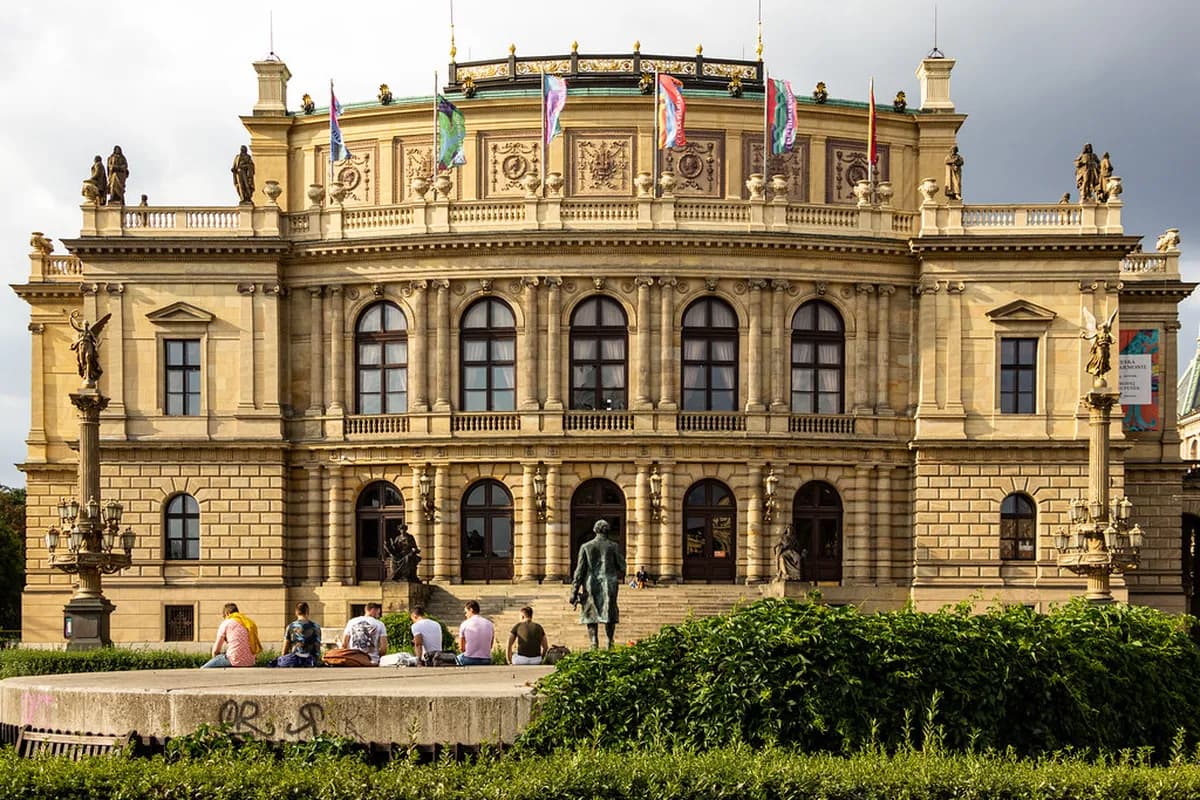
Tourist Attractions In Prague
Prague is one of Europe's most visited cities, and it earns that reputation easily. The city packs medieval squares, hilltop castles, and baroque bridges into a compact, walkable core. Czech Republic is widely considered one of Europe's safest countries, which makes Prague an especially comfortable destination for solo travelers and families alike. Whether you have two days or a full week, knowing which tourist attractions in Prague deserve your time makes all the difference.
This guide covers the essential landmarks and a few local favorites that most visitors overlook. Each section includes practical timing advice, entry costs where relevant, and honest trade-offs to help you plan smarter. For a fuller look at what the city offers, the top tourist attractions in Prague for first-time visitors is a strong companion resource. Start here, then build your itinerary around what matters most to you.
Key Takeaways
- Visit Charles Bridge and Old Town Square before 9am to beat the crowds.
- Prague Castle needs at least three hours — budget more if you want the cathedral and gardens.
- Wallenstein Gardens, Letná Beer Garden, and Kampa Island are free and genuinely worth your time.
- The Jewish Quarter requires a combined ticket (around 500 CZK) and at least two to three hours.
- Late April to June and September to October offer the best weather and manageable visitor numbers.
Old Town Hall and Astronomical Clock
Old Town Square sits at the heart of Prague and draws visitors from the moment they arrive. The square's most famous feature is the Astronomical Clock, mounted on the Old Town Hall tower since 1410. Every hour from 9am to 9pm, a short mechanical show draws crowds to watch the clock's figures move. Arriving five minutes early helps you claim a good viewing spot without fighting for space.
The Old Town Hall tower itself is worth climbing for sweeping views across the rooftops. Entry to the tower costs around 250 CZK, and the lift makes it accessible for most visitors. The square below fills with market stalls in warmer months and a famous Christmas market in December. Try visiting the square before 9am if you want photos without thick crowds in the frame.
Beyond the clock, the square is lined with colorful baroque and Gothic facades worth exploring slowly. The Church of Our Lady before Týn anchors one end with its twin Gothic spires. Jan Hus Monument in the center gives the square a strong historical anchor alongside its visual appeal. Budget at least 90 minutes to absorb the square, clock show, and tower visit at a relaxed pace.
Charles Bridge: Prague's Iconic Crossing
Charles Bridge is one of the most photographed spots among all tourist attractions in Prague. Built in the 14th century under Emperor Charles IV, the stone bridge stretches 516 meters across the Vltava River. Thirty baroque statues line both sides, each telling a story from Bohemian religious history. The Charles Bridge Museum nearby offers deeper context for the bridge's eight centuries of history.
Timing your visit is the single most important decision when planning this stop. Midday in summer turns the bridge into a packed corridor of tour groups and selfie sticks. Dawn visits reward early risers with golden light, near-empty walkways, and clear views of both riverbanks. Learn more in our dedicated Charles Bridge Prague guide before you go.
Crossing the bridge from the Old Town side, the Old Town Bridge Tower offers another elevated viewpoint for a small fee. From the tower platform, you get a direct sightline down the full length of the bridge. Street musicians and artists often set up along the railings, adding atmosphere in the afternoons. Walking the bridge in both directions gives a noticeably different perspective on the city skyline.
Prague Castle: The Hilltop Marvel
The largest ancient castle in the world sits above Prague and covers an area larger than seven football fields. Prague Castle is not a single building but a walled complex of palaces, churches, gardens, and galleries. St.
Vitus Cathedral alone justifies the uphill walk, with its stained glass windows and Gothic vaulting. Many visitors underestimate the size and leave disappointed because they only planned an hour.
Ticket options range from a short circuit to a full-day pass covering all major sites inside the walls. The grounds themselves are free to enter, which suits travelers on a tight budget. Our complete Prague Castle visit guide for first-time visitors breaks down every ticket tier and what each includes. Plan at least three hours if you want to move through the cathedral, palace, and gardens without rushing.
The castle is one of the most awe-inspiring castles in Europe, and the views from its ramparts justify the climb alone. Approach via Nerudova Street from Malá Strana for the most scenic route up the hill. Early morning entry before 9am means thinner crowds at the cathedral and better light for photography. Check opening times and how to visit here before finalizing your plans, as seasonal hours vary.
Wenceslas Square and New Town
Wenceslas Square is less a square and more a wide boulevard stretching 750 meters through New Town. The equestrian statue of Saint Wenceslas at the top has marked this space as Prague's civic gathering point for centuries. Below it sits the National Museum, worth a visit for its grand neoclassical interior and Czech history exhibits. Entry to the National Museum costs around 250 CZK and is included in several combined city passes.
The square's lower end connects naturally with Old Town, making it an easy addition to any walking route. Hotels, shops, and restaurants line both sides, which makes the square useful as well as historic. Evenings bring a livelier energy, with bars and theaters drawing both locals and visitors after dark. Avoid the underground passages late at night, as they attract petty crime more than the open boulevard does.
Historically, Wenceslas Square has witnessed some of the defining moments in Czech political history. The 1989 Velvet Revolution protests centered here, and a small memorial near the statue marks those events. That layer of recent history adds meaning beyond the shopping streets and hotel facades. Even a 20-minute walk through gives you a real feel for how the city blends old and new.
Malá Strana and Wallenstein Gardens
Malá Strana, or the Lesser Quarter, spreads across the slopes below Prague Castle and feels quieter than Old Town. Malostranske Namesti sits at the district's center, framed by baroque palaces and the Church of St. Nicholas.
The neighborhood rewards slow walking, with cobbled lanes, hidden courtyards, and riverside views at Kampa Island. Our Malá Strana Prague neighbourhood guide covers the area in full detail for those planning a longer stay.
Wallenstein Gardens sit just north of Malostranske Namesti and offer a free, peaceful escape from tourist foot traffic. The formal baroque garden belongs to Wallenstein Palace, now home to the Czech Senate. Free entry makes this one of the best value stops among all tourist attractions in Prague for budget-conscious travelers. Peacocks roam the grounds freely, and the garden's pond and loggia create strong photo opportunities without the crowds.
Kampa Island lies just south of Charles Bridge and connects to Malá Strana via a short footbridge. The island's northern tip hosts the quirky Babies sculptures by David Černý, a local landmark worth finding. Lennon Wall sits a short walk away and offers a colorful, ever-changing mural of peace messages. Both spots are free to visit and work well as a paired 45-minute loop from Charles Bridge.
The Dancing House (Tančící dům) sits further south along the river in the New Town district. Designed by Frank Gehry and Vlado Milunić, the building's twisting facade stands out sharply against its neighbors. A rooftop bar on the top floor offers drinks and river views without a gallery entry fee. It makes for an easy detour on a riverside walk between Malá Strana and Wenceslas Square.
Josefov: The Jewish Quarter
Josefov is Prague's historic Jewish Quarter and one of the most significant heritage sites in Central Europe. The area contains six synagogues, the Old Jewish Cemetery, and the Jewish Museum spread across a walkable cluster of streets. Prague's Jewish community dates back over a thousand years, and Josefov preserves that history with unusual depth. Our Jewish Quarter Prague cemetery visit guide explains what each site contains and how to plan your time.
The Old Jewish Cemetery is the most visually striking stop, with thousands of headstones layered on top of each other over centuries. Entry to the cemetery and most synagogues requires a combined ticket, priced around 500 CZK for adults. The Spanish Synagogue is the most ornate, with Moorish-style interiors that feel unlike anything else in the city. Budget two to three hours for Josefov to avoid rushing through sites that deserve careful attention.
The quarter also borders the Old Town Square, making it easy to combine both in a single half-day. Visiting midweek and arriving when the gates open helps avoid the largest tour group rushes. Audio guides are available and genuinely add context to what can otherwise feel like a dense cluster of buildings. Josefov is one of the Prague's most enchanting tourist attractions, especially for history-focused travelers.
Strahov Monastery and Letná Beer Garden
Strahov Monastery crowns the ridge west of Prague Castle and houses two of the most beautiful library halls in Europe. The Theological and Philosophical Halls date from the 17th and 18th centuries and are preserved in remarkable condition. Photography of the interiors is permitted from the doorway for a small fee, so the view is accessible without full entry. Our Strahov Monastery and Library Prague visitor guide covers entry details and what to prioritize inside.
The monastery's terrace restaurant serves food and drinks with a panoramic view over the city's red rooftops. Few tourist spots in Prague combine a cultural highlight with a practical lunch stop this naturally. Entry to the library halls costs around 150 CZK and takes roughly 30 to 45 minutes to explore. Pairing Strahov with Prague Castle on the same morning works well, as both sit on the same hillside.
Letná Beer Garden perches above the Vltava in Letná Park and draws locals as much as tourists. Prague earned the nickname the "Beer Capital of Europe", and Letná is one of the city's most beloved outdoor spots to experience that culture. The garden offers city views, cold Czech draught beer, and a relaxed atmosphere that feels genuinely local. Combine Letná with a walk through the park's giant metronome platform for an easy, crowd-free afternoon.
Frequently Asked Questions
Which tourist attractions in Prague are best for first-time visitors?
First-timers should prioritize Prague Castle, Charles Bridge, Old Town Square, and Josefov. These four cover the city's historical and visual highlights within a two-day window. For a structured route, the 3-day Prague itinerary for first-time visitors maps out a practical day-by-day plan.
How much time should you plan for tourist attractions in Prague?
Most essential attractions in Prague fit into three to four full days. Prague Castle alone needs three hours minimum. The Jewish Quarter requires two to three hours. Add buffer time for walking between neighborhoods, as distances look short on a map but feel longer on cobblestones.
What is the best time to visit Prague to avoid crowds?
Late April to early June and September to October offer the best balance of weather and manageable crowds. July and August bring peak tourist numbers to every major site. Arriving at attractions before 9am consistently helps avoid the crowds in Prague regardless of the season you travel.
Are there free tourist attractions in Prague worth visiting?
Several strong options cost nothing at all. Wallenstein Gardens, Letná Beer Garden, Lennon Wall, Kampa Island, and the Prague Castle grounds are all free to enter. Charles Bridge has no entry fee either. Paid highlights like St. Vitus Cathedral and the Jewish Museum are worth budgeting for separately.
Is Prague a walkable city for exploring tourist attractions?
The core of Prague is very walkable, and most major attractions cluster within the historic center. Prague Castle, Old Town, Malá Strana, and Josefov all connect on foot within 30 to 40 minutes of each other. Good walking shoes are essential because the cobblestones can be uneven, especially on the castle hill approach.
Prague rewards visitors who plan ahead but still leave room to wander. The city's tourist attractions range from UNESCO-listed castle complexes to free beer gardens with panoramic views. Knowing when to visit each site and how long to allow makes the difference between a rushed trip and a memorable one. Start with the essentials, then let the neighborhood streets fill in the gaps between landmarks.
For budget-focused planning, the budget travel guide to Prague tourist attractions offers practical tips on managing costs across the main sites. A well-planned visit to tourist attractions in Prague will leave you with more highlights than you expected and plenty of reasons to return. Book key sites like Prague Castle and the Jewish Museum in advance, especially during summer months. The city has a way of exceeding expectations for first-timers and repeat visitors alike.