
Tourist Attractions In Berlin
Berlin is a vibrant city that perfectly blends a dark history with a modern, creative culture for every traveler. Exploring the many tourist attractions in Berlin allows you to witness the resilience and transformation of this German capital. From the remnants of the Cold War to stunning royal palaces, the city offers endless opportunities for discovery.
Planning your visit requires a bit of strategy to cover the most significant landmarks without feeling overwhelmed by the options. This guide highlights the essential stops, providing practical tips on costs, timing, and local secrets to enhance your journey. Whether you love art, history, or urban parks, Berlin has something remarkable waiting around every corner.
Key Takeaways
- Book tickets for the Reichstag and TV Tower weeks in advance.
- Use the Berlin WelcomeCard for unlimited transport and museum discounts.
- Visit the Berlin Wall Memorial at Bernauer Straße for an authentic history lesson.
Berlin Cathedral
The Berlin Cathedral, or Berliner Dom, stands as a magnificent example of Renaissance and Baroque architecture in the city center. This iconic landmark is easily one of the most famous tourist attractions in Berlin due to its massive turquoise dome. Visitors often marvel at the intricate mosaics and the stunning golden altar that decorate the interior space.
Climbing the 270 steps to the top of the dome provides one of the best panoramic views of the Spree River. You can see the TV Tower and the historic rooftops of the Mitte district from this elevated vantage point. Ensure you wear comfortable shoes for the ascent, as the stairs can be quite narrow and steep in sections.
Below the main church lies the Hohenzollern Crypt, which serves as the final resting place for many Prussian royals. This atmospheric space contains nearly 100 sarcophagi spanning several centuries of German history. It offers a quiet, somber contrast to the grand and brightly lit cathedral hall located directly above it.
Brandenburg Gate
The Brandenburg Gate is perhaps the most recognizable symbol of German unity and remains a central point for major city events. Originally built in the late 18th century, it once stood as a symbol of division during the Cold War era. Today, it represents peace and the reunification of East and West Berlin for people around the world.
Photographers should visit the gate during the early morning hours to avoid the large crowds that gather by midday. The soft morning light illuminates the sandstone structure and the famous Quadriga statue perched on the very top. Sunset also provides a beautiful backdrop, especially when the gate is lit up against the darkening Berlin sky.
Located at the end of the Unter den Linden boulevard, the gate serves as a gateway to the massive Tiergarten park. You can easily walk from this landmark to the Reichstag building to see the famous glass dome. This central location makes it an ideal starting point for any walking tour through the historic heart of the city.
Museum Island
Museum Island is a unique ensemble of five world-renowned museums located on a small island in the Spree River. This site is included on the UNESCO World Heritage List - Museum Island for its cultural and architectural significance. It houses thousands of years of human history, from Ancient Egyptian artifacts to 19th-century European paintings.
The Pergamon Museum and the Neues Museum are often the most popular choices for international visitors seeking ancient treasures. You can view the famous bust of Nefertiti or explore the grand Ishtar Gate within these historic halls. Travelers should consider booking a Museum Island pass to save money on multiple entry fees.
Walking between the buildings is a treat in itself, as the architecture reflects the evolution of museum design over two centuries. The Lustgarten park in front of the Altes Museum provides a perfect spot to rest between gallery visits. Most museums here require timed entry slots, so advance online booking is highly recommended during the peak season.
Berlin Wall Memorial
The Berlin Wall Memorial at Bernauer Straße offers the most authentic look at the former border fortifications that divided the city. Unlike other sections, this site preserves a full segment of the "death strip" including the watchtowers and inner walls. It serves as a powerful reminder of the human cost of the division during the late 20th century.
Visitors can explore the outdoor exhibition which stretches for over a mile along the former border line. Information panels and audio stations tell the stories of those who attempted to escape to West Berlin. You can read more about the Berlin Wall Memorial on the official site to plan your walking route.
The Documentation Center across the street provides a deeper historical context through photographs and video archives from the era. From its observation deck, you can look down onto the preserved border strip to understand the scale of the barrier. This memorial is a vital stop for anyone wanting to grasp the true reality of life in a divided city.
East Side Gallery
The East Side Gallery is the longest remaining section of the Berlin Wall and functions as a massive open-air art gallery. Located in Friedrichshain, this 1.3-kilometer stretch features over 100 murals painted by artists from all over the world. These colorful artworks represent themes of hope, freedom, and the end of the Cold War for a global audience.
Walking along the gallery allows you to see famous pieces like the "Fraternal Kiss" between Leonid Brezhnev and Erich Honecker. The path runs parallel to the Spree River, making it a scenic walk during the late afternoon or early evening. Many visitors combine this visit with a stop at the nearby Oberbaum Bridge for iconic city photos.
As one of the most popular tourist attractions in Berlin, it can get very crowded during weekends and holidays. Try to visit on a weekday morning to enjoy the art without having to wait in line for pictures. The area around the gallery is also home to many trendy cafes and bars that are worth exploring afterward.
Berlin TV Tower
Standing at 368 meters, the Berlin TV Tower is the tallest building in Germany and a landmark of the Alexanderplatz area. It was originally built by the GDR to demonstrate socialist technological prowess and remains a dominant feature of the skyline. Today, it serves as a popular observation point that offers 360-degree views across the entire metropolitan region.
The observation deck sits at 203 meters and provides a clear view of the Reichstag, Museum Island, and the Olympic Stadium. For a more relaxed experience, you can book a table at the rotating restaurant located just above the viewing floor. The restaurant completes a full rotation every 30 to 60 minutes, allowing you to see the whole city while dining.
Due to its popularity, wait times for the elevators can exceed an hour during the peak tourist season in mid-summer. Purchasing a "Fast View" ticket online in advance is the best way to skip the long queues at the entrance. This is one of the essential tourist attractions in Berlin for those who want to see the city's scale.
Charlottenburg Palace
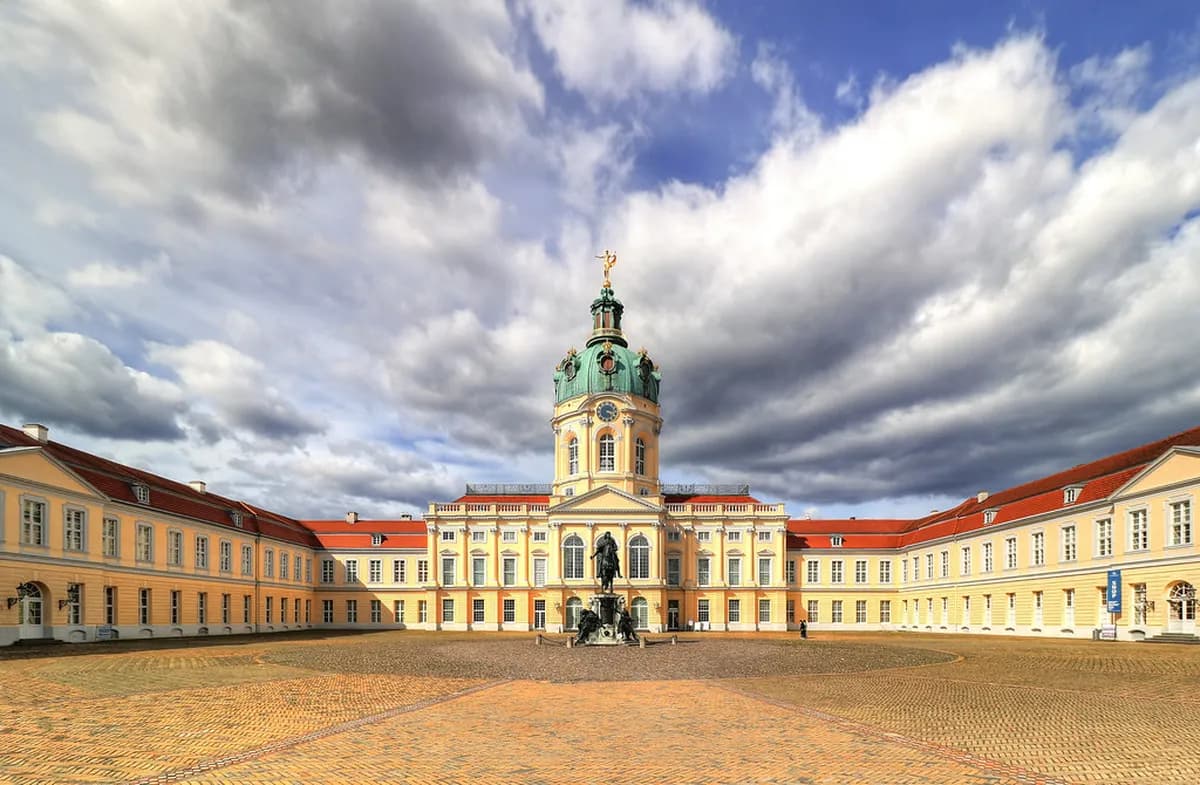
Charlottenburg Palace is the largest and most significant palace complex in Berlin that belonged to the former Prussian electors. The building features exquisite Baroque and Rococo interiors, including the famous Golden Gallery and the Silver Vault. It offers a glimpse into the lavish lifestyle of the Hohenzollern dynasty during the 17th and 18th centuries.
The surrounding palace gardens are free to enter and provide a peaceful escape from the busy streets of the Charlottenburg district. Designed in the French formal style, the gardens include manicured lawns, hidden statues, and a picturesque lake. Many locals use the park for jogging or leisurely weekend strolls throughout the changing seasons of the year.
Visitors can choose between exploring the Old Palace or the New Wing, each offering a different perspective on royal history. Audio guides are available in multiple languages to help explain the significance of the various rooms and art collections. This site is a must-visit for travelers who enjoy European history and grand royal architecture.
Holocaust Memorial
The Memorial to the Murdered Jews of Europe, located near the Brandenburg Gate, is a deeply moving and controversial site. It consists of 2,711 concrete slabs of varying heights arranged in a grid pattern across a sloping field. Walking through the narrow, uneven paths creates a sense of disorientation and isolation for many visitors.
Beneath the slabs, an underground Information Center provides a more personal look at the victims of the Holocaust. The exhibition includes letters, photographs, and the names of millions of individuals who were lost during this dark period. Entry to the information center is free, but you should expect security checks and potential wait times at the entrance.
It is important to maintain a respectful demeanor while visiting this memorial, as it is a place of solemn reflection. Refrain from climbing on the stones or engaging in loud behavior while you are within the grid area. This landmark is one of the most visited tourist attractions in Berlin for its powerful message and unique design.
Berlin Weather, When to Go & Where to Stay
Choosing the best time to visit Berlin depends largely on your tolerance for weather and crowd levels. Spring and autumn offer mild temperatures and beautiful colors in the city's many parks and public gardens. May and September are particularly pleasant for long days of walking and outdoor sightseeing activities.
Winter in Berlin can be quite cold and grey, but the city comes alive with festive Christmas markets in December. If you visit during this time, be sure to pack warm layers and waterproof shoes for the snowy or rainy days. Summer brings the warmest weather but also the highest number of tourists and longer lines at major landmarks.
For accommodation, the Mitte district is the most central choice for those who want to be within walking distance of top sites. If you prefer a more local and artistic vibe, consider staying in the trendy neighborhoods of Kreuzberg or Friedrichshain. These areas offer excellent public transport links and a wide variety of dining options for every budget.
Check Point Charlie
Checkpoint Charlie was the most famous crossing point between East and West Berlin for foreigners and members of the Allied Forces. Today, it stands as a somewhat commercialized but essential historical site in the heart of the city's Friedrichstraße. You can see a replica of the original guard house and the famous sign warning that you are leaving the American sector.
The Mauermuseum, or Wall Museum, located right next to the checkpoint, tells the dramatic stories of successful and failed escape attempts. It houses original escape vehicles, including modified cars and even small hot air balloons used by daring East Germans. This museum provides a very detailed, though often crowded, look at the ingenuity of those seeking freedom.
While the area can feel like a tourist trap with costumed actors and souvenir shops, the historical significance remains undeniable for many. Using the Official Berlin WelcomeCard Portal can often provide discounts on entry to the nearby museums and exhibitions. Take a moment to read the information boards that line the street to understand the site's Cold War importance.
- Essential Visiting Tips for Berlin Landmarks
- Transport: use U-Bahn or S-Bahn
- Passes: buy the Berlin WelcomeCard
- Booking: reserve Reichstag dome early
- Walking: wear very comfortable shoes
Frequently Asked Questions
Which tourist attractions in Berlin options fit first-time visitors?
First-time visitors should prioritize the Brandenburg Gate, the Reichstag building, and Museum Island. These sites are centrally located and offer a comprehensive introduction to the city's complex history. Consider using the Berlin WelcomeCard to simplify your transport and entry fees during your stay.
How much time should you plan for tourist attractions in Berlin?
To see the major highlights without rushing, you should plan for at least three to four full days. This allows time for museum visits, walking tours, and exploring different neighborhoods. If you have less time, focus on the Mitte district where many famous landmarks are clustered together.
What should travelers avoid when planning tourist attractions in Berlin?
Avoid visiting popular sites like the TV Tower or the Pergamon Museum without a pre-booked ticket. Lines can be incredibly long, sometimes lasting several hours during the peak summer months. Also, try to skip the expensive tourist restaurants directly around Checkpoint Charlie in favor of local spots in Kreuzberg.
Berlin is a city that rewards those who take the time to explore its diverse history and vibrant culture. By visiting these essential tourist attractions in Berlin, you gain a deeper understanding of the events that shaped the modern world. Every landmark tells a story of conflict, resilience, and eventually, the triumph of unity and freedom.
Remember to plan ahead for the most popular sites to ensure a smooth and enjoyable experience during your trip. Use public transport to navigate the city like a local and discover the hidden gems in every unique neighborhood. Berlin is constantly evolving, making every visit a new opportunity to see something truly remarkable.