
20 Best Tourist Attractions in Hamburg
Hamburg stands as Germany's gateway to the world with its massive port and rich maritime heritage. This Hanseatic city offers a unique blend of industrial grit and modern elegance across its many waterways. Planning a trip for 2026 allows you to experience iconic landmarks alongside fresh cultural developments. Our guide covers the top sights in Hamburg to help you build the perfect itinerary.
Key Takeaways
- Book Miniatur Wunderland and Elbphilharmonie tickets well in advance.
- Use the public HADAG ferry Line 62 for a budget-friendly harbor tour.
- Visit the Fischmarkt on Sunday morning for a unique local tradition.
Speicherstadt & HafenCity
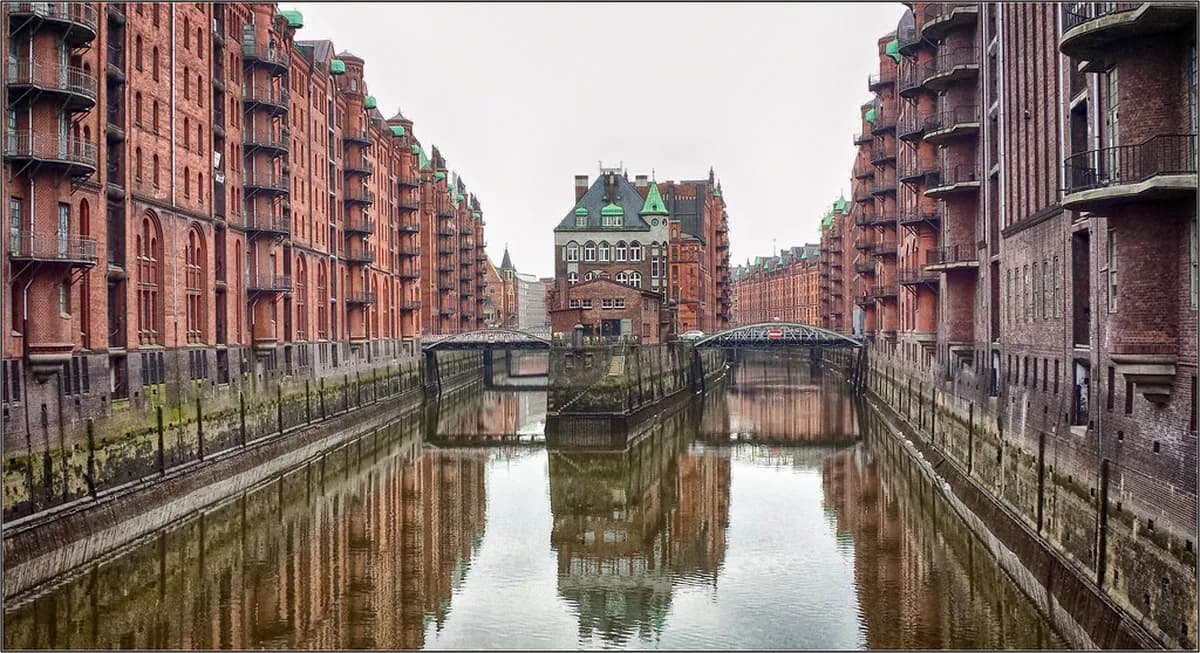
The Speicherstadt is the world's largest warehouse complex built on oak logs. These red-brick buildings form a UNESCO World Heritage site that looks stunning during the blue hour. Walking through the narrow canals and iron bridges reveals the city's deep trading history. You can join a guided walking tour to learn about the spice and coffee trade.
Adjacent to the old warehouses lies HafenCity, a modern district showcasing bold architectural designs. Glass buildings and sustainable urban planning create a sharp contrast with the historic brickwork nearby. This area represents one of the largest inner-city rebuilding projects in all of Europe. Visitors often enjoy the open plazas and waterfront promenades that connect the two districts.
Exploring the Kontorhaus District nearby is essential for fans of Brick Expressionism. The Chilehaus stands out with its sharp corner resembling a massive ship's bow. Most travelers find that exploring this area on foot is the best way to see details. Local shops and cafes tucked into the courtyards provide a quiet escape from the main streets.
Elbphilharmonie
The Elbphilharmonie has quickly become the most recognizable symbol of the Hamburg skyline. This concert hall sits atop an old warehouse and features a shimmering glass structure. Guests can access the Plaza, a public viewing platform located between the brick and glass sections. You should check the guide for free Plaza tickets to save on booking fees.
The views from the Plaza offer a 360-degree panorama of the harbor and city center. Walking around the exterior deck allows you to see the busy Elbe River from above. Sunset is the most popular time to visit for photographers seeking golden light over the water. Booking a timed entry slot on the Elbphilharmonie Plaza Booking site ensures you avoid long queues.
Inside the building, the acoustics of the Grand Hall are world-renowned for their precision. Attending a concert requires booking months in advance due to high demand. Even without a ticket, the curved escalator ride to the top is a unique experience. The building also houses a luxury hotel and several high-end dining options.
Miniatur Wunderland
Miniatur Wunderland is consistently ranked as the most popular attraction in all of Germany. It features the world's largest model railway with thousands of meters of track and tiny trains. Detailed worlds include replicas of Scandinavia, Italy, South America, and a fully functional airport. The attention to detail in the tiny figures and moving vehicles is truly incredible.
The exhibition uses a day-and-night cycle that changes the lighting every fifteen minutes. Thousands of tiny LED lights illuminate the cities and landscapes as the 'sun' goes down. Interactive buttons allow visitors to trigger events like a fire department response or a fairground ride. Plan to spend at least three to four hours here to see everything properly.
Due to its popularity, tickets often sell out weeks in advance for peak times. Always check the Miniatur Wunderland Official Site for current availability and opening hours. Visiting in the late evening can sometimes provide a quieter experience with fewer crowds. The museum is located in the heart of the Speicherstadt, making it easy to reach.
St. Pauli & Reeperbahn
St. Pauli is famous for the Reeperbahn, a legendary entertainment mile known for its nightlife. This district has a long history as a sailors' quarter and a center for subculture. You can find everything from high-end theaters to gritty underground music clubs here. Walking down the side streets reveals a vibrant neighborhood with a strong local identity.
Music fans should visit Beatles-Platz to see the silhouettes of the famous band members. The Beatles began their career playing in small clubs around the Grosse Freiheit street. Guided tours often focus on the musical history and the transformation of the district over decades. The Davidwache police station is another iconic landmark located right on the main strip.
The Hamburger Dom fairground takes place nearby three times a year on the Heiligengeistfeld. This massive festival features roller coasters, traditional food stalls, and bright lights. It is a great family activity during the day before the nightlife takes over in the evening. Safety in the area is generally high, but staying alert in crowded night spots is wise.
Planten un Blomen
Planten un Blomen is a sprawling green oasis located right in the city center. The park features beautifully landscaped gardens, including one of the largest Japanese gardens in Europe. It is the perfect place for a quiet stroll or a picnic on the grass. Many locals use the park as a shortcut while walking between different city districts.
During the summer months, the park hosts famous water-light concerts at the main lake. Fountains dance to music and colorful lights every night starting in May. These shows are free to attend and attract large crowds on warm evenings. Checking the seasonal schedule helps you arrive early to secure a good viewing spot.
The park also offers excellent facilities for children, including large playgrounds and a roller skating rink. In winter, the rink transforms into one of the largest open-air ice skating venues in the region. Tropical greenhouses provide a warm escape if you are visiting during the colder months. The diverse plant life makes it a year-round destination for nature lovers.
Alster Lake
The Alster Lake is divided into the smaller Inner Alster and the much larger Outer Alster. It serves as the recreational heart of Hamburg for sailors, rowers, and joggers. White Alster steamers offer scenic tours that provide a peaceful view of the city skyline. Renting a paddleboat is a popular way for visitors to explore the lake at their own pace.
The paths surrounding the Outer Alster are always busy with locals exercising or walking dogs. Many upscale villas and green parks line the shores, offering a glimpse into Hamburg's wealth. Several cafes along the water provide the perfect setting for a coffee break with a view. The lake remains a central point for major city events and fireworks displays.
Crossing the Kennedy Bridge provides a great vantage point for photos of the Inner Alster. In the center of the Inner Alster, a massive fountain sprays water high into the air. The surrounding Jungfernstieg promenade is a major hub for shopping and public transport. It is an essential stop for anyone wanting to feel the city's elegant atmosphere.
Hamburg Rathaus
The Hamburg Rathaus is an architectural masterpiece built in the neo-Renaissance style. It serves as the seat of the city's parliament and the senate. The ornate facade features twenty statues of German emperors and a towering central spire. Visitors can enter the impressive lobby and the public courtyard for free.
Guided tours are available for those who want to see the lavish interior rooms. The Great Hall and the Emperor's Hall showcase the historic power of the Hanseatic League. Many rooms are still used for official receptions and political meetings today. The courtyard features a beautiful fountain dedicated to the goddess Hygieia.
The square in front of the Rathaus often hosts markets and cultural festivals. During December, it becomes the site of the city's most famous Christmas market. It is located just a short walk from the main shopping streets and the Alster Lake. The building remains a symbol of the city's independence and democratic tradition.
Alter Elbtunnel
The Alter Elbtunnel was a technical marvel when it opened in 1911 to help dockworkers cross the river. It consists of two parallel tunnels that run 24 meters below the surface of the Elbe. Pedestrians and cyclists can use the tunnel for free to reach the southern bank. The entrance buildings feature massive elevators that lower vehicles and people into the shafts.
Walking through the 426-meter tunnel allows you to see historic Art Deco tiles on the walls. These tiles depict various aquatic life and maritime themes from the early 20th century. The atmosphere inside is cool and echoey, providing a unique sensory experience. It is a popular spot for photography due to the long perspective and vintage lighting.
Once you reach the other side, you get one of the best views of the Landungsbrücken and the skyline. Many visitors enjoy sitting on the southern bank to watch the massive container ships pass by. The tunnel is open 24 hours a day for pedestrians and remains a functional part of city transport. It is a great way to experience Hamburg's industrial history without spending any money.
St. Michael’s Church
St. Michael’s Church, known locally as 'Michel,' is the most important Baroque church in Northern Germany. Its distinctive copper-covered spire has guided sailors into the harbor for centuries. The white and gold interior is surprisingly bright and spacious for a historic church. It can hold over 2,500 people and features a massive set of pipe organs.
Climbing the tower or taking the elevator leads to an observation deck with incredible views. From the top, you can see the entire harbor, the Speicherstadt, and the city center. The church also has a large crypt that houses the tombs of famous Hamburg citizens. A multimedia show in the crypt explains the long and turbulent history of the building.
Every day at 10:00 AM and 9:00 PM, a trumpeter plays a chorale from the tower. This tradition has been kept alive for hundreds of years and can be heard across the neighborhood. Nearby, you can find the Krameramtsstuben, which are historic 17th-century apartments for widows. This small alleyway offers a rare look at what the city looked like before the Great Fire.
International Maritime Museum
The International Maritime Museum is housed in the city's oldest surviving warehouse, Kaispeicher B. It contains the private collection of Peter Tamm, featuring thousands of model ships and artifacts. The museum is organized across nine 'decks,' each focusing on a different aspect of maritime history. You can find everything from ancient navigation tools to modern container ship technology.
One of the highlights is a ship simulator where visitors can try to steer a massive vessel into the harbor. The collection of model ships includes intricate pieces made from bone, gold, and silver. It is an excellent destination for a rainy day in Hamburg due to its vast indoor space. Check the guide to Hamburg museums for more indoor options.
The museum does a great job of explaining Hamburg's role in global trade and exploration. Exhibits also cover the history of naval warfare and the lives of sailors through the ages. The building itself is a work of art with its original wooden beams and brick walls. It is located at the edge of the Speicherstadt, making it easy to combine with other sights.
Fischmarkt
The Hamburg Fischmarkt is a legendary institution that has operated since 1703. It takes place every Sunday morning, starting as early as 5:00 AM in the summer months. Thousands of people gather at the Elbe riverbank to buy fresh fish, fruit, and flowers. The loud auctioneers are famous for their humorous shouting matches to attract customers.
A unique Hamburg tradition involves the 'party-to-market' pipeline after a night out. Revelers from the Reeperbahn clubs often head straight to the market when the sun comes up. You can learn how to visit the Fischmarkt to join this local ritual. Eating a fresh fish sandwich (Fischbrötchen) while watching the sunrise is a quintessential experience.
The historic Fish Auction Hall next door features live bands playing rock and jazz music. People dance and drink beer even in the early hours of the morning. It is a high-energy atmosphere that captures the soul of this maritime city. Always check the Official Hamburg Tourism - Fischmarkt page for seasonal times.
Kunsthalle Hamburg
The Kunsthalle Hamburg is one of the most important art museums in Germany. It consists of three buildings that house collections spanning seven centuries of art history. The museum is particularly famous for its collection of German Romantic paintings. Works by Caspar David Friedrich, including 'Wanderer above the Sea of Fog,' are major highlights.
The Gallery of Contemporary Art is housed in a modern white cube building on the site. It features rotating exhibitions of international modern art and photography. The museum is located right next to the main train station, making it very accessible. Audio guides are available in multiple languages to help you navigate the vast galleries.
Many visitors enjoy the museum's cafe, which offers views of the Alster Lake. The transition between the historic and modern wings is an architectural experience in itself. It is a must-visit for anyone interested in European art and cultural history. Plan for at least half a day to appreciate the diverse range of styles on display.
Dialogue in the Dark
Dialogue in the Dark offers a sensory-shifting experience that you will never forget. Visitors are led through various everyday environments in total, pitch-black darkness. The tours are guided by blind or visually impaired individuals who lead the group with confidence. It forces you to rely on your hearing, touch, and smell to navigate the world.
The experience is designed to build empathy and change perspectives on disability. Guides share their personal stories and answer questions about living without sight. It is a powerful social experiment that often leaves a deep impact on participants. Small groups ensure that the experience remains personal and manageable for everyone.
The tour ends at a dark bar where you can order a drink and chat with your guide. Identifying coins and pouring drinks in the dark becomes a fun and challenging task. Advance booking is highly recommended as tour slots for English speakers can fill up. This attraction is located near the Speicherstadt and is a great alternative to traditional museums.
Tierpark Hagenbeck
Tierpark Hagenbeck was the first zoo in the world to use open-air enclosures instead of cages. Moats and natural barriers separate the animals from the public, creating a more open feel. The zoo is still family-owned and maintains a high standard of animal care and conservation. It is a favorite for those visiting Hamburg with kids.
The Eismeer (Arctic Ocean) exhibit is one of the most impressive sections of the park. You can see polar bears, walruses, and penguins in a massive, modern habitat. The Tropical Aquarium next door is a separate attraction featuring sharks, crocodiles, and exotic birds. The lush greenery throughout the park makes it feel like a botanical garden as well.
Visitors are allowed to feed some of the animals, such as elephants, with food sold on-site. The zoo is easily reached by the U2 subway line from the city center. Allow a full day if you plan to visit both the main zoo and the aquarium. Many historic statues and pagodas are scattered throughout the grounds for extra charm.
Treppenviertel Blankenese
Treppenviertel Blankenese is a picturesque hillside district overlooking the Elbe River. It is famous for its winding alleys and over 5,000 steps that lead down to the water. The white houses and lush gardens give the area a Mediterranean atmosphere. It is a peaceful escape from the industrial noise of the central harbor.
Walking through the 'stair quarter' requires a good level of fitness but offers great rewards. Every corner reveals a new view of the river and the massive ships passing by. The S-Bahn train takes you from the city center to the Blankenese station in about 25 minutes. From there, you can wander down the hill toward the sandy river beaches.
The waterfront at the bottom features several charming cafes and restaurants. It is a popular spot for locals to enjoy a glass of wine while watching the sunset. Blankenese was once a simple fishing village and has retained its small-town charm. Exploring this area provides a complete contrast to the modern architecture of HafenCity.
Museum für Kunst und Gewerbe
The Museum für Kunst und Gewerbe (MK&G) is a leading museum for applied arts and design. Its collections cover everything from ancient pottery to modern digital culture. The museum is housed in a grand historic building near the central station. It is a paradise for fans of photography, fashion, and industrial design.
One of the standout sections is the collection of Art Nouveau (Jugendstil) furniture and art. The museum also features an impressive array of musical instruments and Asian art. Rotating exhibitions often focus on contemporary issues like sustainability and technology. The layout is easy to follow and provides plenty of context for the objects on display.
There is a great workshop area where visitors can experiment with design techniques. The museum shop is one of the best in the city for unique gifts and books. It is often less crowded than the Kunsthalle, offering a more relaxed viewing experience. Design students and professionals will find endless inspiration within its walls.
Deichtorhallen
The Deichtorhallen is one of the largest centers for contemporary art and photography in Europe. It consists of two former market halls that have been converted into massive exhibition spaces. The Hall for Contemporary Art hosts large-scale installations and international art shows. The House of Photography features world-class photographic collections and rotating exhibits.
The industrial architecture of the halls provides a dramatic backdrop for the art. High ceilings and open spaces allow for the display of very large works. It is located in the 'Art Mile' of Hamburg, close to other major museums. The bookstore on-site is famous for its extensive collection of international art publications.
Many visitors enjoy the Fillet of Soul restaurant located within the complex. The exhibitions change frequently, so there is always something new to see. It is a hub for the city's creative community and hosts many special events. Checking the current exhibition schedule before your visit is highly recommended.
Best Neighbourhoods to Explore
Sternschanze is the alternative heart of the city, filled with street art and independent boutiques. St. Georg offers a diverse and colorful atmosphere right next to the main station. Eppendorf is known for its elegant brick buildings and upscale shopping streets. Each district has its own unique set of cafes, bars, and local parks to enjoy.
- Sternschanze District
- Type: Alternative hub
- Best for: Street food
- Where: Near Schanzenpark
- Cost: Free walking
- St. Georg Neighbourhood
- Type: Diverse district
- Best for: Cafes
- Where: Near Alster
- Cost: Free walking
- Eppendorf Area
- Type: Upscale residential
- Best for: Boutiques
- Where: North Hamburg
- Cost: Free walking
Rainy Day Activities in Hamburg
The city's shopping passages like the Europa Passage offer a dry way to explore the center. Museum hopping is a great way to spend a wet afternoon in the Art Mile. Cozy coffee houses provide a warm place to wait out a passing shower. Indoor attractions like Miniatur Wunderland are perfect for staying active on rainy days.
- Visit the Europa Passage
- Type: Shopping mall
- Best for: Retail therapy
- Where: Jungfernstieg
- Cost: Free entry
- Explore the Art Mile
- Type: Museum cluster
- Best for: Culture
- Where: City Center
- Cost: Varies
- Relax in Coffee Houses
- Type: Local cafes
- Best for: People watching
- Where: Everywhere
- Cost: Low
Tourist Map of Hamburg
Understanding the city's layout is key to visiting the top tourist attractions in Hamburg. The city center is compact, but the harbor area and outer districts require transport. Most major sights are located along the U3 subway line, which runs in a scenic loop. Using the Official Hamburg Public Transport (HVV) system is the most efficient way to travel.
The StadtRAD bike-sharing system is a great alternative for short trips between landmarks. You can find red bike stations all over the city and the first 30 minutes are usually free. The Hamburg Card is another useful tool that provides unlimited travel and museum discounts. It often pays for itself if you plan to visit more than two paid attractions per day.
Walking remains the best way to see the Speicherstadt and the Alster Lake areas. The city is very pedestrian-friendly with plenty of signs pointing to major points of interest. A harbor ferry ride using a standard transit ticket is a great budget tip for seeing the port. Line 62 from Landungsbrücken offers a 30-minute scenic trip for the price of a bus fare.
Frequently Asked Questions
What is Hamburg most known for?
Hamburg is most famous for its massive international port and the historic Speicherstadt warehouse district. It is also known for its vibrant nightlife on the Reeperbahn and the iconic Elbphilharmonie concert hall. Travelers love the city's many canals and its unique maritime atmosphere.
Is the Hamburg Card worth it for tourist attractions?
The Hamburg Card is highly recommended for most tourists. It provides unlimited use of buses, trains, and harbor ferries. You also get significant discounts at over 150 tourist attractions in Germany and Hamburg, including museums and harbor tours.
How many days do you need to see Hamburg?
You generally need three days to see the main highlights of the city. This allows time for the harbor, the major museums, and exploring different neighborhoods. If you want to include day trips to nearby cities like Lübeck, plan for five days.
What are the best free things to do in Hamburg?
Top free activities include walking through the Alter Elbtunnel and exploring the UNESCO Speicherstadt. You can also enjoy the water-light shows at Planten un Blomen or visit the Elbphilharmonie Plaza. Walking around the Alster Lake is another popular and free local experience.
Is the Reeperbahn safe for tourists at night?
The Reeperbahn is generally safe for tourists as it is heavily policed and always busy. However, visitors should stay aware of their surroundings and avoid overly aggressive street promoters. It is best to stick to well-lit areas and keep an eye on personal belongings.
Hamburg is a city that rewards exploration with its diverse sights and maritime charm. From the historic canals of the Speicherstadt to the modern heights of the Elbphilharmonie, there is something for everyone. Use our guide to plan your 2026 visit and experience the best of this Hanseatic gem. Whether you are here for the art, the history, or the nightlife, Hamburg will not disappoint.