
Tourist Attractions in Vienna
Vienna packs centuries of imperial history, world-class art, and living musical culture into one very walkable city. From baroque palaces to baroque concert halls, the range of tourist attractions in Vienna can feel genuinely overwhelming at first glance. This guide cuts through the noise with practical priorities, real costs, and honest trade-offs so you can plan a visit that fits your time and budget. Whether you have one day or one week, knowing where to start makes all the difference.
Key Takeaways
- Standing-room tickets at the Vienna State Opera cost as little as €6 — arrive 60 minutes before curtain for the best sightlines.
- The State Hall of the Austrian National Library rivals Trinity College Dublin visually and is far less crowded than its fame deserves.
- Combine the Burggarten, Palm House, and Butterfly House into a single low-cost morning that suits families and solo visitors equally.
- The Danube Tower offers panoramic city views comparable to the Stephansdom tower with virtually no queue — and costs about the same.
- Hohe Wand Nature Park is best reached by car and suits families in spring; solo hikers will find more challenge on the southern cliff routes.
- Use the prioritisation table in the opening section to build a daily plan before committing to any bookings.
Best Attractions in Vienna — How to Prioritise
Not every attraction deserves equal time on a Vienna itinerary, and first-time visitors often underestimate how spread out the city feels on foot. The table below groups top sites by visitor type, time needed, and typical adult ticket cost so you can build a realistic daily plan. For a curated route that links these highlights efficiently, see our one-day Vienna itinerary for first-time visitors.
A practical rule of thumb: lead with Hofburg Palace and the Spanish Riding School on your first morning, then walk to the State Opera neighbourhood. Save the Danube Tower or Hohe Wand Nature Park for a second day when you want to escape the inner-city crowds. Museum-heavy visitors should prioritise the Kunsthistorisches or Albertina and accept they will not finish both in a single afternoon.
- Hofburg Palace — history lovers, all ages
- Time needed: 2–3 hours
- Cost: €18–€22 adult
- Book ahead: No
- Spanish Riding School — culture and equestrian fans
- Time needed: 1–2 hours
- Cost: €15–€45 adult
- Book ahead: Yes — weeks in advance
- Vienna State Opera — music lovers
- Time needed: 2–3 hours
- Cost: €6 standing room to €200+ seated
- Book ahead: Yes — especially for seated tickets
- Schönbrunn Zoo — families
- Time needed: 2–3 hours
- Cost: €22 adult
- Book ahead: No
- State Hall (National Library) — architecture and book lovers
- Time needed: 45–60 minutes
- Cost: €10 adult
- Book ahead: No
- Danube Tower — views, low crowds
- Time needed: 1 hour
- Cost: €16 adult
- Book ahead: No
- Palm House and Butterfly House — families, nature lovers
- Time needed: 1 hour
- Cost: ~€7 adult
- Book ahead: No
Hofburg Palace
Hofburg Palace sits at the heart of Vienna's first district and served as the primary winter residence of the Habsburg dynasty for over six centuries. It is vast enough that most visitors focus on two distinct sub-visits: the Sisi Museum and the Imperial Apartments. The Sisi Museum traces the remarkable and often tragic life of Empress Elisabeth through personal items, portraits, and reconstructed rooms. Budget at least 90 minutes for the Sisi Museum alone if you want to read the exhibits properly.
The Imperial Apartments cover 24 rooms used by Emperor Franz Joseph and Empress Elisabeth in the second half of the 19th century. Entry to both the Sisi Museum and the Imperial Apartments is included in a single combined ticket, typically priced around €18–€22 for adults. No advance booking is required, though queues at the ticket desk can stretch 20–30 minutes in summer — arriving before 9:30 am helps. The Imperial Silver Collection is also part of the same ticket and is worth 30 extra minutes if you have the time.
Hofburg's location makes it easy to combine with surrounding attractions — the Austrian Parliament, the Burggarten, and the Spanish Riding School are all within a short walk. The complex is free to walk through as an outdoor space, so even non-ticketed visitors can experience the grand courtyards. Plan your palace visit for a weekday morning to avoid the largest tour groups, which tend to arrive mid-morning on weekends.
Spanish Riding School
The Spanish Riding School occupies the Winter Riding School inside Hofburg and is one of the oldest and most celebrated equestrian institutions in the world. Performances feature the famous Lipizzan horses executing precise classical dressage movements developed over more than 450 years. Ticket prices range from around €15 for a morning training session to €45 or more for an official performance — performances sell out weeks ahead. If you cannot book a performance in advance, a morning training session offers an atmospheric alternative at a fraction of the price.
The riding school is genuinely worth the ticket cost for visitors interested in equestrian culture, Habsburg history, or classical performance arts. Families with children tend to enjoy morning training sessions more than full performances, which can run 90 minutes without a break. Check the official schedule carefully — the school has several dark periods each year when horses rest or tour, so do not assume performances run daily. Booking directly through the official Spanish Riding School website is the safest route to avoid inflated reseller prices.
The visual setting alone — a baroque hall with chandeliers and imperial portraits — makes the experience feel unlike any other in Vienna. Even visitors with limited interest in horses consistently report the atmosphere as memorable. Allow time after your session to explore the Hofburg complex nearby, since both attractions share the same historic district.
Vienna State Opera
The Vienna State Opera — the Wiener Staatsoper — is one of the world's premier opera houses and a central reason Vienna is a must-visit destination for classical music lovers. The building itself dates to 1869 and was largely rebuilt after World War II, preserving its grand exterior while modernising the stage. Attending a performance here is genuinely accessible at almost any budget, which is something most travel guides overlook entirely.
**Standing-room tickets (Stehplätze) cost as little as €6 on the day of the performance** — one of the best value cultural experiences in all of Europe. Doors for standing-room open 80 minutes before curtain; arriving 60 minutes early helps you secure a spot with a clear sightline to the stage. Seated tickets range from roughly €30 up to €200 or more for premium positions, so booking ahead via the Vienna State Opera official ticket office is strongly recommended for high-demand performances. Even guided tours of the building are available on non-performance days for visitors who want to see the interior without attending a show.
For an alternative classical experience, the nearby Mozarthaus hosts intimate concerts in a beautiful historic setting. You can book online — Vienna classical concert at Mozarthaus for a more relaxed evening with guaranteed seating. The Musikverein, home of the Vienna Philharmonic, is a short walk from the Opera and also offers standing-room tickets for select concerts. Vienna's classical music scene rewards flexible planning — checking last-minute availability often uncovers options that seem sold out weeks in advance.
Schönbrunn Zoo
Founded in 1752, Schönbrunn Zoo holds the title of Europe's oldest continuously operating zoo and sits within the grounds of Schönbrunn Palace. The zoo's historic setting — with original baroque pavilions alongside modern naturalistic enclosures — gives it a visual character that few urban zoos can match. Adult tickets cost around €22, and the zoo alone justifies two to three hours for a thorough visit. Giant pandas, polar bears, and a well-designed rainforest house are consistently the most popular areas.
Combining the zoo with a visit to Schönbrunn Palace works well logistically since both share the same grounds and are served by U4 metro stops. Note that the Palace and zoo sell separate tickets, so budget for both if you plan a full-day visit to the Schönbrunn complex. Families with children tend to find the zoo the more engaging of the two in terms of sustained interest across a long morning. Arriving when the zoo opens — typically 9:00 am — means cooler temperatures in summer and calmer animals in the enclosures.
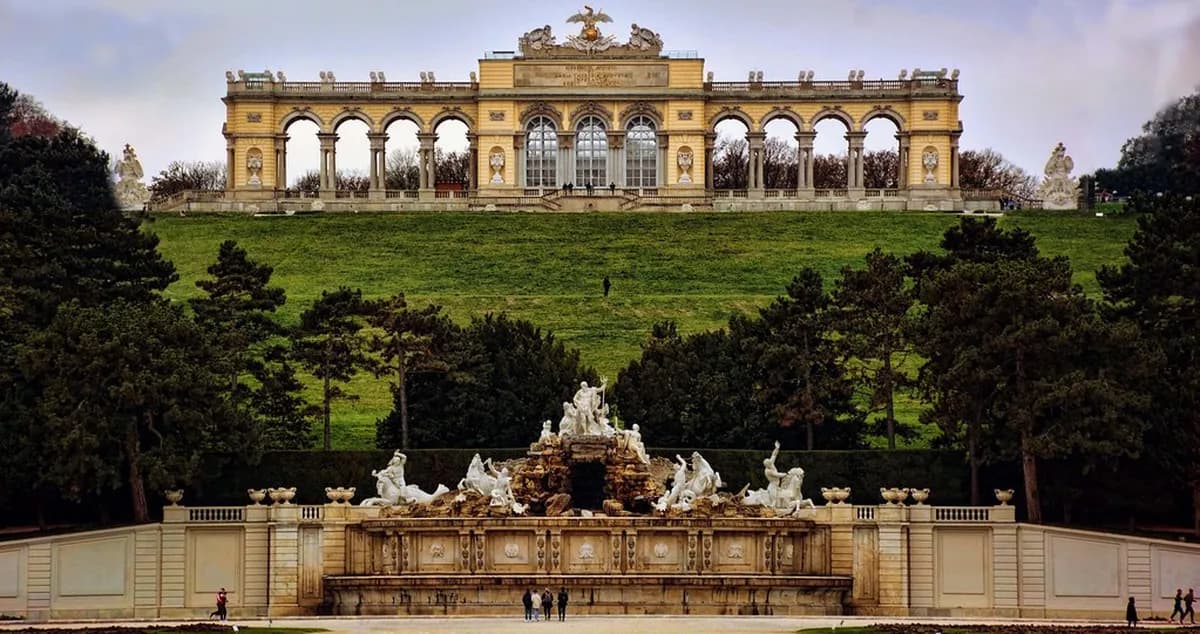
The palace gardens surrounding Schönbrunn are free to enter and make a pleasant conclusion to a zoo visit in good weather. Grabbing a picnic from a nearby bakery and eating in the gardens is a popular local habit that saves both time and money. The Gloriette hilltop structure in the gardens also offers a sweeping view of Vienna without any queue — a detail worth adding to your afternoon plan.
State Hall of the Austrian National Library
The State Hall of the Austrian National Library is one of Vienna's most visually spectacular spaces and remains genuinely underknown among international visitors. Completed in 1726, the baroque hall stretches 77 metres in length, and its frescoed ceiling and floor-to-ceiling bookshelves rival the famous Long Room at Trinity College Dublin. Our detailed guide on how to visit the State Hall of the Austrian National Library covers everything from ticket logistics to the best photo spots. Entry costs around €10 for adults, with no advance booking required.
Crowd levels peak between 11:00 am and 2:00 pm, particularly in July and August when tour groups pass through in waves. Visiting at opening time — typically 10:00 am — or after 3:00 pm gives noticeably more space and better photography conditions. A combined ticket with the adjacent Papyrus Museum adds genuine depth if you have an extra 30–40 minutes. The Papyrus Museum holds one of the world's largest papyrus collections, with objects dating back to ancient Egypt.
The State Hall is located on Josefsplatz, just a two-minute walk from Hofburg Palace, making it easy to fold into a Habsburg-themed morning. Unlike many iconic library interiors around the world, photography is permitted inside — a welcome policy that competitors rarely mention. This single attraction often becomes the unexpected highlight of a Vienna trip for visitors who stumble across it by chance.
Best Museums in Vienna
Vienna's museum landscape is dense enough to fill a week, but three venues stand out as essential for most visitors: the Kunsthistorisches Museum, the Albertina, and the MuseumsQuartier complex. Choosing between them depends on how much time you have, what kind of art interests you, and how much walking fatigue you can handle. For a detailed side-by-side breakdown, our comparison of the best museums in Vienna covers ticket prices, visit lengths, and visitor profiles. An external guide from Explore's best museums to visit in Vienna also offers useful context from a broader editorial perspective.
The Kunsthistorisches Museum houses one of the world's great art collections, with particular strength in Dutch Masters, ancient Egypt, and decorative arts. A thorough visit takes three to four hours, and the building's interior grandeur is itself worth the €18 adult ticket. Art novices often find the Kunsthistorisches overwhelming — starting with the Egyptian and Near Eastern collection on the ground floor helps create a more focused experience. The Albertina, by contrast, suits visitors who prefer modern and contemporary art, with rotating major exhibitions alongside its permanent Monet-to-Picasso collection.
MuseumsQuartier works best for visitors who want to sample several different institutions in a single afternoon without deep commitment to any one collection. The Leopold Museum, the MUMOK (Museum of Modern Art), and Kunsthalle Wien all sit within the same courtyard and can be mixed and matched by interest. The Vienna Card and several museum passes offer combined discounts — check whether a pass saves money based on the specific museums you plan to visit. Museum fatigue is real in Vienna; building in a café break between venues keeps the afternoon enjoyable rather than exhausting.
Danube Tower and Danube Park
The Danube Tower (Donauturm) stands 252 metres tall in Danube Park and offers panoramic views of Vienna that rival the Stephansdom tower — with virtually no queue. The trade-off is straightforward: the Donauturm sits further from the city centre, requiring a U1 metro ride to Kaisermühlen station, but the journey takes under 15 minutes from the inner city. Adult entry costs around €16, and the observation decks on levels 150 and 160 provide clear views across the city and the Danube.
For a full analysis of the view trade-off, our guide on the Danube Tower vs. Stephansdom Tower lays out the pros and cons clearly.
The revolving restaurant near the top of the tower offers lunch and dinner with rotating views — booking 24–48 hours ahead is advisable, especially on weekends. Danube Park itself is a free, pleasant green space worth a stroll before or after the tower visit. The park is particularly popular with local families on summer evenings, giving the area a relaxed, non-tourist atmosphere that the inner city rarely offers. Visiting the Donauturm on a clear day in late afternoon means the city is lit beautifully without the harsh midday glare.
Budget-conscious visitors should note that the Donauturm offers better value per unit of view than the Stephansdom tower, which charges a comparable price for a narrower urban panorama. The Prater Ferris Wheel nearby adds a second viewpoint option if you want to compare perspectives across the same neighbourhood. Combining the Donauturm with a walk through Danube Park and a ride on the Ferris Wheel makes a full, low-cost afternoon away from the tourist centre.
Hohe Wand Nature Park
Hohe Wand Nature Park lies roughly 60 kilometres south of Vienna and makes one of the most rewarding day trips from the city for visitors who want genuine alpine scenery. The drive from central Vienna takes about one hour by car, and the park offers a completely different pace from the imperial grandeur of the city centre. For context on other worthwhile escapes from Vienna, this guide to the best easy day trips from Vienna covers several comparable options. Public transport options exist but require a combination of train and taxi or bus — a car is far more practical for this particular destination.
Spring is the most photogenic season, when wildflowers cover the limestone plateau and hiking trails are clear of snow. Winter offers a different appeal, with snowshoeing routes across the plateau and a quieter, more contemplative atmosphere. The park suits families particularly well in spring and summer, with relatively gentle trails and several picnic areas along the main plateau path. Solo travellers and experienced hikers tend to prefer the more technical cliff routes on the southern edge of the plateau.
There is no entrance fee for the nature park itself, though parking costs a small fee in the main car park near the plateau. Pack food and water since facilities inside the park are limited to a small restaurant near the viewpoint area. Checking trail conditions on the Hohe Wand Nature Park official website before travelling is especially important in early spring and after heavy snowfall.
Palm House and Butterfly House
The Palm House and the Butterfly House sit inside the Burggarten — a free public garden just off the Ringstrasse — making them two of Vienna's most accessible paid attractions. Entry to the Burggarten itself costs nothing, so you can walk through the garden and view the famous Mozart statue without spending a cent. Our dedicated guide on the Palm House and Butterfly House Burggarten itinerary covers timing, ticket prices, and the best indoor-outdoor route. Combined, the two venues take around one hour and cost approximately €7 per adult — making them excellent value by Vienna standards.
The Butterfly House (Schmetterlinghaus) is housed inside the Art Nouveau Palm House structure and features hundreds of free-flying tropical butterflies in a warm, humid greenhouse environment. Mid-morning visits — ideally between 10:00 am and 11:30 am — give you the space to observe butterflies before school groups begin arriving around noon. Butterfly species vary by season, with the largest and most varied display typically running from spring through early autumn. Children respond especially well to the experience since butterflies will often land on clothing and hands, making it a genuinely interactive visit.
The Palm House section displays exotic plants from tropical and subtropical regions across three interconnected climate zones. Visiting on a cool or rainy Vienna day makes this combination particularly appealing — both the warmth and the greenery feel restorative after a morning of outdoor sightseeing. The Burggarten is also conveniently placed between Hofburg Palace and the Vienna State Opera, so folding it into a longer inner-city walk requires almost no detour. Finishing the day with a slow walk through the garden before dinner is a small pleasure that many visitors miss simply because it does not appear on major must-see lists.
Frequently Asked Questions
Which tourist attractions in Vienna are best for first-time visitors?
First-time visitors to Vienna typically get the most from Hofburg Palace, the Vienna State Opera, the Kunsthistorisches Museum, and the State Hall of the Austrian National Library. These four cover imperial history, classical music, fine art, and Baroque architecture in a logical geographic cluster. See our ranked guide to Vienna's top attractions for first-time visitors for a fuller breakdown.
Can you visit the Vienna State Opera without attending a performance?
Yes — guided tours of the Vienna State Opera are available on most non-performance days and typically last 40–60 minutes. These let you see the auditorium, foyer, and backstage areas without purchasing a performance ticket. Tour availability and timing change seasonally, so check the official Opera website before planning your day.
What is the best free attraction in Vienna?
The Burggarten and its surrounding parkland offer free access with no ticket required, including views of the Mozart statue and the exterior of the Palm House. The Austrian Parliament building exterior and the Ringstrasse boulevards are also free to explore on foot. Budget visitors should also check for free entry days at several major museums, which change periodically throughout the year.
Is the Spanish Riding School worth the ticket price?
For visitors interested in equestrian culture, Habsburg history, or classical performance, the Spanish Riding School is absolutely worth the ticket cost. The baroque setting alone is extraordinary. Morning training sessions at around €15 offer a more affordable alternative to full performances, which can cost €45 or more and sell out weeks in advance.
How do you get from central Vienna to Hohe Wand Nature Park?
Hohe Wand Nature Park is about 60 kilometres south of Vienna and takes roughly one hour by car from the city centre. Public transport requires a train to Wr. Neustadt followed by a local bus or taxi, which adds significant travel time. Renting a car is the most practical option for this particular day trip.
Vienna rewards visitors who plan with intention rather than simply ticking off the longest must-see lists. The attractions in this guide span imperial palaces, baroque libraries, living music culture, and natural escapes — covering far more than the standard tourist circuit. Prioritise based on your own interests, build in at least one unexpected stop like the State Hall or the Butterfly House, and leave room for slow afternoons in the city's remarkable free parks.
For more budget-conscious options beyond the headline sites, our guide to budget Vienna attractions and free things to do offers a practical companion to this article. If you have an extra day and want to step outside the city altogether, Graz makes an outstanding underrated alternative for those who want to experience Austria beyond the capital. Whatever your itinerary looks like, Vienna consistently delivers on the quality of its experiences — and most visitors leave already planning their return.