
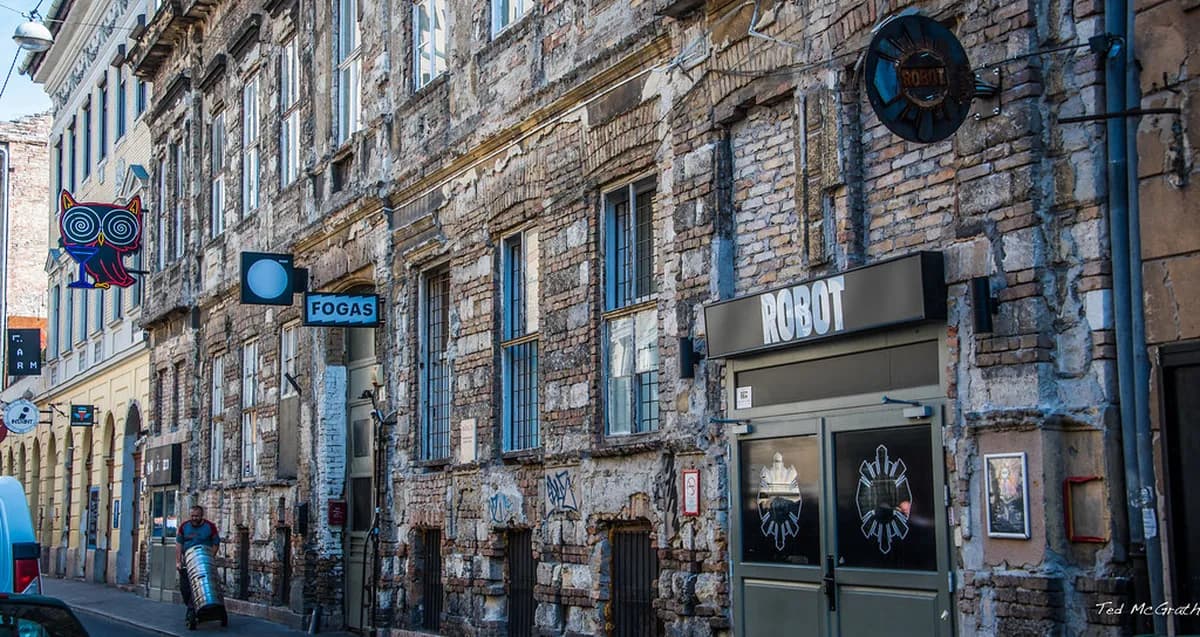
Best Ruin Bars And Jewish Quarter Attractions In Budapest
Budapest's VII District packs more character per block than almost anywhere in Europe. The Jewish Quarter mixes centuries of history with one of the world's most creative nightlife scenes. Ruin bars, hidden cafés, synagogues, and street food courts sit within easy walking distance of each other. This guide covers the best ruin bars and Jewish Quarter attractions Budapest visitors keep returning for.
Whether you have one afternoon or a full weekend, this neighborhood rewards slow exploration. Combine a morning at the synagogue with an evening at Szimpla Kert for a day that covers history and fun. Use the sections below to mix and match based on your travel style and budget.
Top Ruin Bars in Budapest
Budapest's ruin bars grew out of a creative response to empty, crumbling buildings in the Jewish Quarter. Artists and entrepreneurs turned derelict spaces into bars filled with mismatched furniture, local art, and cheap beer. Today, the ruin bar scene draws travelers from across Europe who want something beyond a standard nightclub. Most venues open in the afternoon and run late into the night on weekends.
Szimpla Kert is the original ruin bar and still the most iconic stop in the district. It opens daily, hosts a Sunday farmers' market, and welcomes everyone from backpackers to curious locals. Entry is usually free before midnight, though weekend nights can get crowded after 10 PM. Arrive early for a calmer atmosphere and a better look at the eclectic décor.
Instant-Fogas is a sprawling two-venue complex that suits travelers who want a bigger night out. Multiple rooms play different music, making it easier to find your preferred vibe without leaving the building. Mazel Tov offers a more polished ruin bar experience, with a covered garden and Middle Eastern-inspired food. It works equally well for dinner and drinks, so it suits travelers who want a sit-down meal with atmosphere.
Joining an Ultimate Budapest Pub Crawl is a smart option if you want a guided introduction to the ruin bar circuit. Pub crawls typically visit three to five venues in one evening and include drink deals at each stop. Solo travelers and small groups often find this the easiest way to experience multiple bars without planning each stop.
- Szimpla Kert — the original ruin bar
- Open: daily from around 12 PM
- Entry: usually free before midnight
- Best for: first-timers and daytime visits
- Highlight: Sunday farmers' market
- Instant-Fogas — multi-room nightlife complex
- Open: evenings, Thursday–Sunday
- Entry: small cover charge on weekends
- Best for: big nights out and music fans
- Highlight: multiple music rooms
- Mazel Tov — refined ruin bar with food
- Open: daily from lunch
- Entry: free, food menu available
- Best for: couples and dinner crowds
- Highlight: covered garden courtyard
Jewish Quarter Attractions Worth Your Time
The Dohány Street Synagogue is the largest synagogue in Europe and a deeply moving place to visit. Construction finished in 1859, and the building holds over 3,000 people in its stunning Moorish-Byzantine interior. The attached Hungarian Jewish Museum documents centuries of Jewish life in Budapest with artifacts and personal stories. Entry costs around 6,000 HUF for adults, and the site is closed on Saturdays and Jewish holidays.
The Memorial of the Hungarian Jewish Martyrs sits in the garden behind the synagogue. Designed by Imre Varga, the weeping willow sculpture bears the names of Holocaust victims on its metal leaves. It is one of the most quietly powerful memorials in the city and deserves a slow, respectful visit. Photography is permitted, but visitors should keep their tone respectful throughout the garden.
Street art adds another layer of culture to the Jewish Quarter's walls and alleyways. Look for murals near Király Street and Kazinczy Street, where local artists have transformed blank walls into open-air galleries. A Budapest City Walk in Jewish Quarter guided tour connects these sites with local history and storytelling. Self-guided visitors can follow the main streets between the synagogue and Szimpla Kert in around two hours.
The district also contains several smaller synagogues and prayer houses in various states of restoration. The Orthodox Synagogue on Kazinczy Street is a quieter alternative to the main Dohány site. Combining a morning at the synagogue with an afternoon café stop creates a natural and rewarding day structure. Check the tourist attractions in Budapest guide for broader city planning beyond the Jewish Quarter.
Best Cafés and Courtyards in the Jewish Quarter
Hidden inner courtyards are one of the Jewish Quarter's best-kept secrets for cafés and quiet retreats. Many buildings in the district were once large residential complexes with shared courtyard gardens at their center. Today, several of these spaces host small bars and cafés that feel miles away from the busy streets outside. They are easy to miss if you are walking quickly, so slow down and look for open archways and small signs.
Csendes Létterem is a beloved café and bar that captures the spirit of the early ruin bar movement. It sits in a quiet courtyard off Ferenczy István Street and draws a local creative crowd most evenings. The décor leans into mismatched vintage furniture and art installations, making it a great spot for photography. Drinks are reasonably priced by Budapest standards, and the vibe stays calm even on weekends.
Kőleves Kert is a garden bar that works particularly well on warm evenings in late spring and summer. The outdoor seating and relaxed playlist make it a comfortable place to spend a couple of hours. It pairs well with a visit to the nearby Kazinczy Street synagogue before or after. Both spots suit travelers who want a laid-back hangout rather than a loud club environment.
Street Food and Outdoor Food Courts
Karavan Street Food Court sits just outside Szimpla Kert on Kazinczy Street and opens every evening. A cluster of colorful food trucks serves burgers, langos, chimney cakes, and grilled meats at low prices. Most dishes cost between 1,500 and 3,500 HUF, making it one of the most budget-friendly eating options in the district. The outdoor seating fills up quickly on warm nights, so arrive before 7 PM for a comfortable spot.
Bors GasztroBar is a local favorite known for its creative soups and open-faced sandwiches. The menu rotates regularly and always features a handful of bold, unusual combinations that go well beyond standard street food. Queues can stretch outside during lunch hours, but the wait rarely exceeds fifteen minutes. It is a small space with limited seating, so many visitors grab their food and eat standing outside.
Street food in the Jewish Quarter tends to be cheaper than in the tourist-heavy areas around the Danube. Sticking to Kazinczy and Dob Streets for snacks keeps costs low while keeping you close to the main attractions. Pairing street food with a ruin bar visit makes for an affordable and satisfying evening that needs little advance planning.
Hidden Cocktail Bars and Speakeasies
Not every traveler wants the loud, crowded ruin bar experience, and the Jewish Quarter has quieter alternatives. A handful of craft cocktail bars and low-key speakeasies have opened in recent years for a more grown-up night out. These spots suit couples, cocktail enthusiasts, and anyone who prefers conversation over a pounding sound system.
Boutiq'Bar is consistently ranked among the best cocktail bars in Central Europe for its seasonal menus and skilled bartenders. It sits close to the Jewish Quarter on Paulay Ede Street and takes a limited number of walk-ins each evening. Making a reservation is strongly recommended, especially on Fridays and Saturdays when the bar fills quickly. Expect to pay 2,500–4,500 HUF per cocktail, which is higher than a ruin bar but reflects the quality.
Tuk Tuk Bar offers a more casual speakeasy feel with Asian-inspired cocktails and a compact, dimly lit interior. It is easy to walk past without noticing, which adds to the charm for those in the know. The bar suits travelers who want something genuinely different from the standard ruin bar circuit. Prices fall between the ruin bar range and Boutiq'Bar, making it a solid middle-ground option for most budgets.
Tips for Planning Your Jewish Quarter Day
The Jewish Quarter is compact and easy to explore on foot in a single day or split across two half-days. Start your morning at the Dohány Street Synagogue before crowds arrive, ideally just after opening time. Follow the synagogue visit with a café stop, then use the afternoon for street art and courtyard exploring. Save the ruin bars and food courts for the evening, when the neighborhood comes fully alive.
Staying close to the Jewish Quarter puts you within walking distance of everything covered in this guide. Wombats City Hostel Budapest sits in a convenient location for exploring the district without needing public transport. The Hive Party Hostel Budapest is another popular choice for solo travelers who want to join the ruin bar scene easily. Booking accommodation in the VII District means your evening ends with a short walk home, not a late-night tram ride.
If your Budapest trip extends beyond the Jewish Quarter, a 3-day Budapest itinerary helps you fit in Parliament, the thermal baths, and Buda Castle. Many travelers find that one full day in the Jewish Quarter and two days across the wider city covers all the highlights. Plan your route the night before using a simple map, since the Quarter's streets can feel maze-like at first.
Frequently Asked Questions
What are the best things to do in Budapest's Jewish Quarter?
Start with the Dohány Street Synagogue, the largest in Europe, then explore ruin bars like Szimpla Kert in the evening. Add a stop at Csendes Létterem for a café, Karavan for street food, and a walk along Kazinczy Street for murals and courtyard bars. A full day covers most highlights comfortably.
Which ruin bars in Budapest are best for first-time visitors?
Szimpla Kert is the essential first stop for any visitor. It opens during the day, has free entry before midnight, and gives a clear sense of what ruin bars are about. Mazel Tov is a softer introduction if you prefer food and a quieter atmosphere over a full nightclub vibe.
How much time should I plan for the Jewish Quarter in Budapest?
Budget at least four to six hours to cover the main attractions comfortably. The Dohány Street Synagogue alone takes one to two hours including the museum and memorial garden. Add time for a café stop, street food, and at least one ruin bar visit in the evening.
Is the Jewish Quarter easy to reach from central Budapest?
Yes. The Jewish Quarter sits in the VII District, within walking distance of the city center and major metro stations. Tram lines and the M2 metro serve the area well. Check the best free tourist attractions in Budapest guide for transport tips alongside sightseeing advice.
Are ruin bars in Budapest safe for solo travelers?
Ruin bars are generally safe and welcoming for solo visitors, including women traveling alone. Stick to well-known venues, keep an eye on your belongings in crowded spaces, and avoid drinks from strangers. Joining an organized pub crawl is a comfortable way for solo travelers to explore multiple bars with a group.
Budapest's Jewish Quarter offers one of the most layered and rewarding neighborhoods for curious travelers. History, food, coffee culture, and nightlife all coexist within a few easily walkable blocks. No other district in the city blends daytime sightseeing with evening entertainment quite as naturally.
Start your visit at the synagogue, work through the cafés and courtyards in the afternoon, and end the day at a ruin bar. Add a cocktail speakeasy or street food stop and you have covered everything the Quarter does best. For a broader view of Budapest beyond the Jewish Quarter, explore the full tourist attractions in Budapest guide to build a complete city itinerary.