
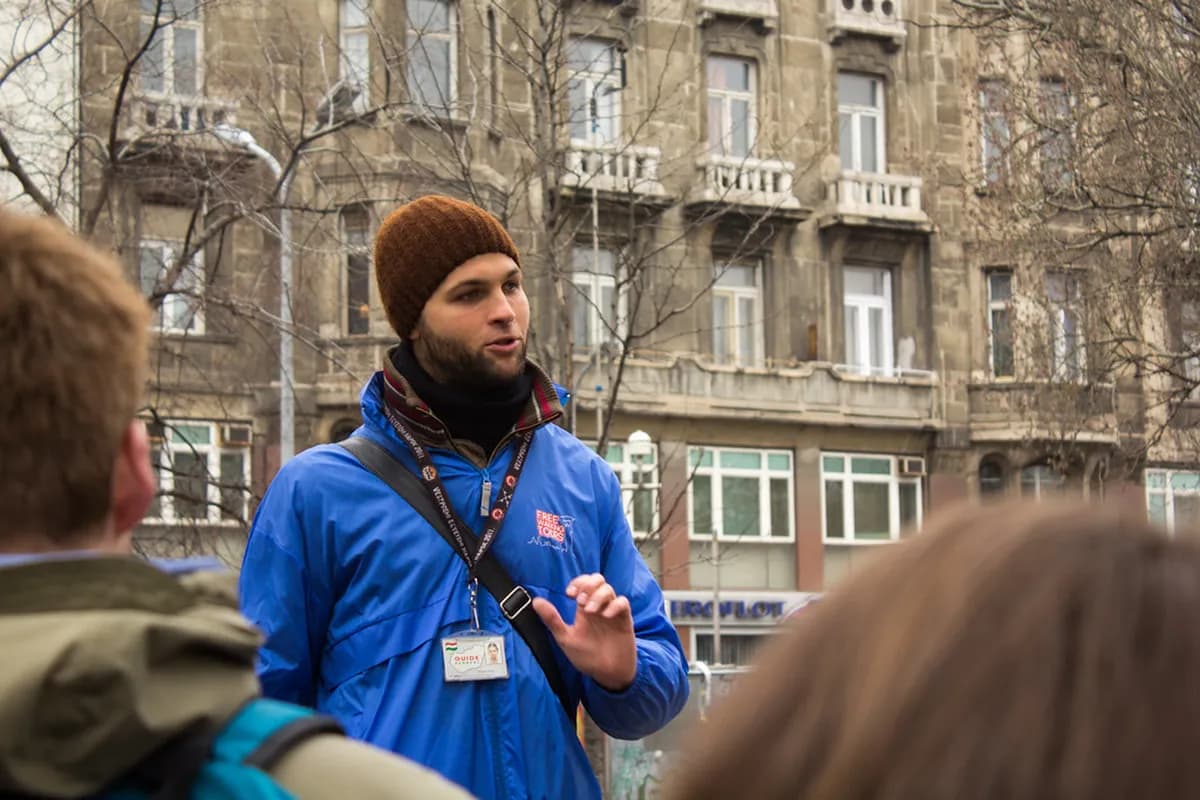
Guided Walking Tours Budapest vs Self-Guided Attractions
Budapest is one of Europe's most rewarding cities for walkers, whether you hire a guide or head out alone. Choosing between guided walking tours Budapest vs self-guided attractions shapes your whole experience of this layered city. Guided tours unlock hidden stories behind Gothic facades and communist-era architecture that maps simply cannot explain. Self-guided routes offer freedom, flexibility, and the chance to linger wherever curiosity takes you.
Both styles work well in Budapest, but the right choice depends on your budget, travel pace, and interests. First-time visitors often gain more from a guide at complex heritage sites like the Hungarian Parliament or the Jewish Quarter. Repeat travelers and independent explorers tend to enjoy self-guided walking more once they know the city's general layout. This guide breaks down the best options for each approach so you can mix and match with confidence.
Must-See Guided Walking Attractions in Budapest
Some of Budapest's most important landmarks reward guided visits more than solo exploration. The Hungarian Parliament Building is a strong example, as interior access requires a booked tour and entry ticket. Without a guide, you only see the exterior from Kossuth Square, which is still impressive but far less complete. Guided interior tours typically last around 45 minutes and cover the main staircase, dome hall, and crown jewels.
Buda Castle also benefits from guided context, especially for visitors unfamiliar with Hungarian royal history. Guides explain the layers of Habsburg and medieval architecture that would otherwise blend into a confusing visual mix. Expect to pay roughly €15–25 for a standard guided walking segment at major Buda attractions. Budget-conscious travelers can combine a self-guided exterior walk with one or two paid guided interiors for the best balance.
The Széchenyi Thermal Baths sit in a different category since they are best visited independently after some preparation. Knowing the entry process in advance helps you avoid the longest queues, especially on weekends. For full details on timing and ticket options, check our guide on visiting Széchenyi Thermal Baths without queuing. Pairing a thermal bath visit with a morning guided walk makes for an efficient and varied full day.
Heroes' Square and the Millennium Monument are free to enter and easy to explore without a guide. However, a short guided walk through the square's historical figures adds surprising depth to what looks like a simple plaza. The Franz Liszt Academy of Music and the Hungarian State Opera House both offer guided interior tours worth booking ahead. Prices for opera house tours typically run around €10–15 per person, making them accessible for most budgets.
- Hungarian Parliament Building
- Access: Guided tour required for interior
- Duration: Around 45 minutes
- Cost: Approx. €15–20 per adult
- Tip: Book tickets in advance online
- Buda Castle
- Access: Exterior free, museums paid
- Best for: History and architecture lovers
- Cost: Varies by museum, approx. €8–15
- Tip: Combine with Castle Hill self-guided walk
- Hungarian State Opera House
- Access: Guided interior tours only
- Duration: About 45–60 minutes
- Cost: Approx. €10–15 per person
- Tip: Check the official site for current schedule
- Heroes' Square
- Access: Free and self-guided
- Best for: Quick stops and photos
- Cost: Free entry
- Tip: Visit early morning to avoid crowds
Best Buda Castle District Walking Tour
Castle Hill is one of the most photogenic and historically rich areas in all of Budapest. A Buda Castle and Castle Hill itinerary works beautifully as either a self-guided morning walk or a structured guided tour. Self-guided walkers can reach the hill via the free funicular or on foot through cobbled lanes from the Chain Bridge. Allow at least three to four hours if you plan to enter Fisherman's Bastion, Matthias Church, and the National Gallery.
The Night Vampire Walking Tour of the Buda Castle District appeals to travelers who enjoy theatrical storytelling after dark. This guided evening tour weaves local folklore, Ottoman history, and gothic legend into a two-hour walk through the old district. Prices typically start around €15–20 per person and groups tend to stay small, which makes for a more personal experience. It runs most evenings, but booking at least a day ahead is strongly recommended during the busy summer season.
The Buda Castle Cave Labyrinth sits beneath the hill and offers a genuinely different kind of underground exploration. Guided tours of the labyrinth explain the cave system's use as a medieval dungeon, hospital, and Cold War shelter. Entry costs around €8–12 depending on the tour format, and the visit usually takes about 60 minutes. This is an ideal add-on for travelers who want something beyond the typical above-ground castle circuit.
Self-guided visitors can cover most of Castle Hill's exterior highlights for free, including the Turul Bird statue and Bastion walls. The main cost comes from museum entries inside the Royal Palace complex, which can add up quickly. A practical workaround is to budget for one or two indoor highlights and enjoy the rest of the area on your own. Evening light on the Danube from the Bastion is spectacular and completely free, regardless of how you tour the hill.
Best Jewish Quarter Walking Tour
The Jewish Quarter in District VII is one of Budapest's most layered and emotionally significant neighborhoods. A guided tour here does something maps genuinely cannot: it connects the architecture to real human stories from the pre-war and wartime periods. The Great Synagogue on Dohány Street is one of the largest in Europe and requires a ticket and guided entry to explore fully. Guides provide essential context about the synagogue's history, the memorial garden behind it, and the Jewish Museum inside.
Self-guided walkers can still enjoy the Jewish Quarter's street atmosphere, ruin bars, and public art without spending anything. Szimpla Kert, the most famous ruin bar, opens to visitors during daylight hours and is free to walk through. Street-level murals, artisan shops, and kosher bakeries add texture to any self-guided route through the quarter. The challenge is that without local knowledge, many of the area's most poignant sites are easy to walk past without noticing.
The Budapest City Walk in Jewish Quarter is a well-reviewed guided option that covers both history and contemporary culture. These tours typically last two to three hours and welcome small groups of around ten to fifteen people. Costs generally range from €15–30 per person depending on whether the Great Synagogue entry is included. Booking a morning tour lets you enter the synagogue before midday crowds arrive, which is a significant practical advantage.
For travelers who want a livelier evening in the quarter, the Ultimate Budapest Pub Crawl combines ruin bar culture with local guides who know the neighbourhood well. This is less about history and more about experiencing the energy that makes the Jewish Quarter Budapest's most famous nightlife district. It suits social travelers, solo backpackers, and groups who want guided access to the best bars without the research effort. Decide between the cultural daytime tour and the evening crawl based on what kind of Jewish Quarter experience you prioritize.
Guided Budapest Walking Tours Worth Booking
Budapest has a strong tradition of free walking tours, where you pay what you feel the experience was worth at the end. Free Tours by Foot offers a popular pay-what-you-wish model that covers Pest's main highlights in two to three hours. These tours are excellent for first-time visitors who want a city orientation without committing to a fixed ticket price. Guides are typically knowledgeable locals or long-term expats with genuine enthusiasm for Budapest's history and culture.
Paid specialist tours offer more depth on specific topics like communist history, Jewish heritage, or nightlife culture. Expect to pay €20–40 per person for a themed guided walking tour that includes expert commentary and small group sizes. The smaller the group, the more questions you can ask, which makes premium tours genuinely worth the higher price for curious travelers. Many operators also combine walking segments with thermal bath access or river cruise extensions for a fuller day package.
Free walking tours in Budapest depart from multiple central meeting points, often near Deák Ferenc tér or Vörösmarty Square. Meeting times are usually 10:00 and 14:00 daily, though schedules shift seasonally so checking the operator's site is worth the extra minute. Arriving five to ten minutes early gives you a chance to meet the guide and get a good position in the group. Larger free tour groups can reach thirty or more people, which reduces the personal interaction you get compared to small-group paid options.
For a well-rounded trip covering multiple districts, a 3-day Budapest itinerary can structure your mix of guided and self-guided days effectively. Day one works well as a guided orientation across Pest landmarks, while days two and three suit more independent exploration. This rhythm lets you build local knowledge gradually rather than arriving in an unfamiliar city with no frame of reference. Combining one paid guided tour with two self-guided days is a practical and budget-friendly approach for most travelers.
- Free Walking Tours (Pay What You Wish)
- Best for: First-time visitors
- Duration: 2–3 hours
- Cost: Tip-based, roughly €5–15 suggested
- Departs: Deák Ferenc tér area daily
- Jewish Quarter Specialist Tours
- Best for: History and culture seekers
- Duration: 2–3 hours
- Cost: €15–30 per person
- Includes: Great Synagogue entry option
- Night and Themed Walking Tours
- Best for: Evening explorers and curious travelers
- Duration: 1.5–2.5 hours
- Cost: €15–25 per person
- Includes: Storytelling, folklore, hidden sites
- Pub Crawl Hybrid Tours
- Best for: Social travelers and nightlife fans
- Duration: 3–4 hours
- Cost: €20–35 per person
- Includes: Bar entry and guide commentary
Budapest Sightseeing Map and Self-Guided Tips
Planning a self-guided walk in Budapest is straightforward once you understand how the city divides into Buda and Pest. Most of the flat, walkable Pest side concentrates its major landmarks within a compact central zone between the river and the Grand Boulevard. A good sightseeing map covers Andrássy Avenue, the Jewish Quarter, the Parliament, and the Great Market Hall in a logical walking loop. Printed maps are available free at most hotel receptions and at the main tourist information offices near Deák tér.
Digital walkers can download the BudapestGO app for live transit information to fill the gaps between walkable sections. The app covers all metro, tram, and bus lines with real-time updates, which is helpful when feet need a rest between districts. Tram 2 along the Danube embankment is one of the most scenic transit links in the city and costs a single fare ticket. Walking the embankment itself from the Chain Bridge to the Parliament is also a beautiful self-guided route with no entry cost.
Many of Budapest's best free tourist attractions sit directly on natural self-guided walking routes through the city centre. Fisherman's Bastion, the Shoes on the Danube memorial, and the exterior of the Parliament are all free to visit on foot. Mixing these free landmarks into your walking route keeps daily costs low while still covering genuinely iconic sights. Allow roughly four to six hours for a thorough self-guided walk across central Pest, including short stops at each major landmark.
Buda's hills add more effort to self-guided exploration, but the payoff in views and atmosphere is well worth it. Castle Hill on the Buda side requires either a steep uphill walk, a funicular ride, or a bus from Moszkva tér. The funicular costs around €5 one-way and saves considerable energy for longer walking days. Starting your Buda self-guided walk early in the morning avoids peak crowds at Fisherman's Bastion and Matthias Church.
Where to Stay in Budapest for Easy Exploring
Your accommodation choice affects how easily you can access both guided tour departure points and self-guided walking routes. Staying in central Pest, between the river and the inner ring road, puts most major landmarks within comfortable walking distance. The Jewish Quarter, Andrássy Avenue, and the Chain Bridge are all reachable on foot from a well-positioned Pest base. Budget travelers will find the best hostel density in District VII and District VIII, close to the ruin bar scene and transit hubs.
The MEININGER Budapest Great Market Hall sits in an excellent location for both guided tour access and self-guided Pest exploration. It offers a mix of private rooms and dorms, making it practical for solo travelers and small groups alike. The Great Market Hall is steps away, which adds a convenient and colourful first stop to any self-guided morning walk. Wombats City Hostel Budapest is another reliable central option that sits well-positioned for daily walks around the inner city.
Travelers who prioritize the Buda side may prefer a base closer to Castle Hill for easier morning access before crowds peak. The trade-off is that Buda accommodation tends to be quieter and slightly further from the main guided tour departure points in Pest. Maverick City Lodge and Hostel One Budapest both offer well-located options for budget-conscious visitors who want flexible daily access to both sides of the river. Whichever district you choose, a 72-hour transit pass makes crossing between Buda and Pest easy and affordable throughout your stay.
Frequently Asked Questions
Which is better for first-time visitors: guided walking tours Budapest or self-guided attractions?
First-time visitors generally benefit most from at least one guided tour to build a foundation of local knowledge. A free or pay-what-you-wish walking tour on day one is a low-risk way to get your bearings. After that, self-guided exploration becomes much more rewarding because you already understand the city's layout and history. Check our full guide to tourist attractions in Budapest to plan your route.
How much do guided walking tours in Budapest typically cost?
Free walking tours operate on a tip-based model, with most visitors tipping €5–15 based on the experience. Paid specialist tours, including Jewish Quarter and Castle District walks, typically cost €15–35 per person. Night tours and themed experiences tend to fall in the €15–25 range. Booking directly through tour operator websites often unlocks small discounts compared to booking through third-party platforms.
What should travelers avoid when planning a self-guided walk in Budapest?
Avoid trying to cover both Buda and Pest in the same self-guided half-day, as the walking distances and hill climbs add up faster than maps suggest. Skipping the transit card is another common mistake, since trams and metro lines cover the gaps between walking zones efficiently. Also check attraction opening hours in advance, as several Budapest museums close on Mondays throughout the year.
Is a Budapest Card worth it for guided and self-guided sightseeing?
The Budapest Card combines unlimited public transit with discounts or free entry at selected attractions, which suits travelers planning at least three to four days of active sightseeing. It works best when you plan to use public transport frequently and visit multiple paid landmarks. For a one or two day trip focused mainly on free outdoor sights, individual tickets may work out cheaper overall.
How much time should you plan for guided walking tours in Budapest?
Most guided walking tours in Budapest run two to three hours for standard city highlights. Specialist tours covering the Jewish Quarter or Castle District in depth can take three to four hours including site entries. Adding a thermal bath or river cruise extension turns a morning guided walk into a full-day experience. Budget at least half a day per guided tour to avoid feeling rushed.
Budapest rewards both approaches to sightseeing, and the smartest visitors combine elements of each across their trip. A guided tour on arrival gives you local context and a mental map that makes every self-guided walk afterward more meaningful. Self-guided exploration then fills in the gaps, letting you move at your own pace and discover the city on your own terms. Neither option is objectively better — the right mix depends entirely on your budget, interests, and how much time you have.
For complex heritage sites like the Parliament and the Jewish Quarter, a guide consistently adds value that a map cannot replace. For open-air landmarks, castle walls, and riverside walks, self-guided routes are often just as rewarding and far more flexible. Planning one or two anchor guided experiences around a framework of self-guided days is a tried and tested approach for independent travelers. Budapest is generous with its beauty whether you explore it alone or with a knowledgeable local leading the way.