
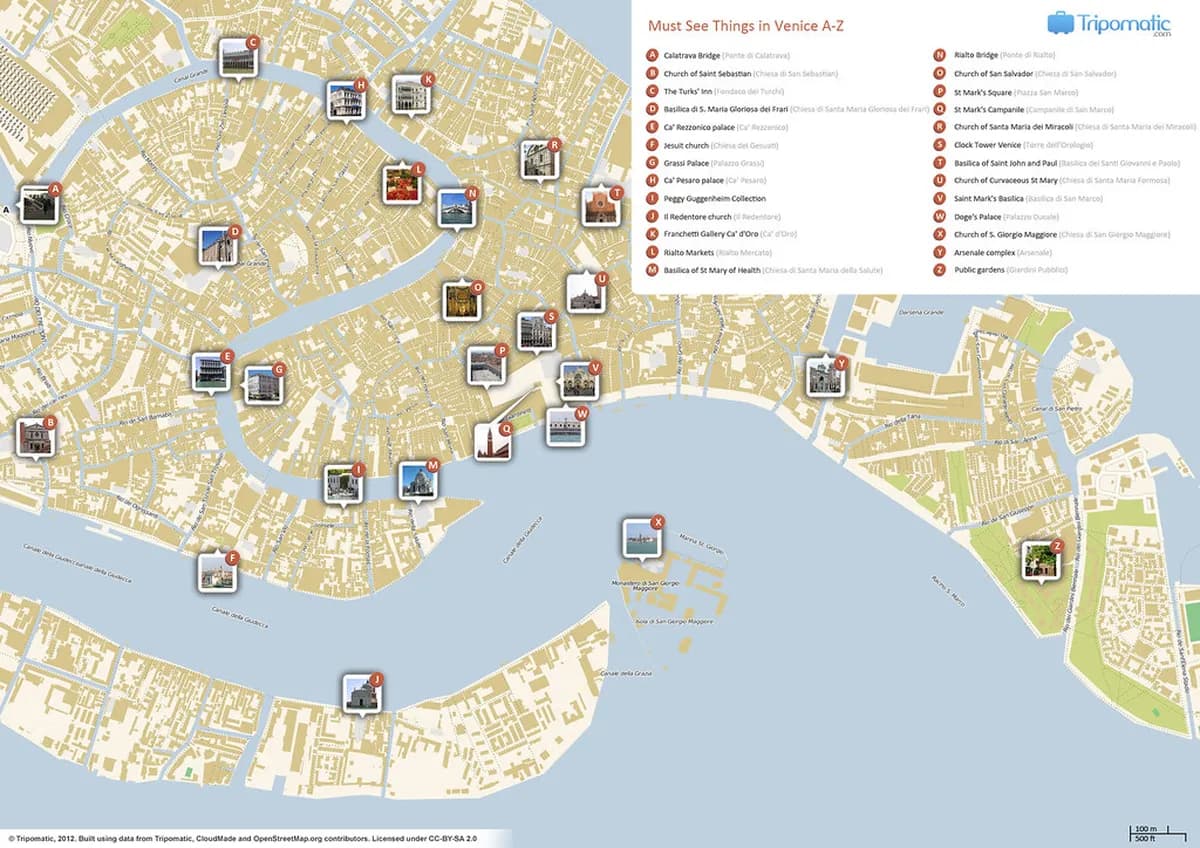
20 Best Tourist Attractions and Things to Do in Venice
Venice remains one of the most enchanting destinations on the planet for travelers seeking history and romance. This floating city offers a unique blend of Byzantine art, Gothic architecture, and vibrant local traditions. Finding the best tourist attractions in Venice requires a mix of visiting famous landmarks and exploring quiet corners. Our guide covers the essential sights and hidden gems to help you plan a perfect Italian getaway.
Navigating the winding canals and narrow alleys can feel overwhelming for first-time visitors. We have curated a list of twenty must-see locations that define the spirit of the Serenissima. From the golden domes of San Marco to the colorful houses of Burano, every stop tells a story. Prepare to discover the timeless beauty of this historic maritime power.
For nearby planning, see how to visit st marks basilica and doges palace for practical details.
Key Takeaways
- Book St. Mark's Basilica and Doge's Palace tickets online to save hours of waiting.
- Use a multi-day Vaporetto pass for the most affordable and flexible transport.
- Explore the Dorsoduro and Castello districts to find authentic food and fewer crowds.
St. Mark’s Basilica
St. Mark’s Basilica stands as the crown jewel of Piazza San Marco and a symbol of Venetian wealth. This cathedral features over 85,000 square feet of golden Byzantine mosaics that shimmer under the light.
Visitors often feel breathless when stepping inside the ornate interior for the first time. The architecture blends Eastern and Western styles to create a unique religious space.
Planning ahead is vital because the lines for entry often stretch across the entire square. You should check the official website for current opening hours and liturgical closures. Most travelers find that booking a time slot online saves hours of waiting in the sun. Consider visiting during the early morning for a quieter experience.
Modest dress is strictly enforced at the entrance to maintain the sanctity of the site. Ensure your shoulders and knees are covered before approaching the security checkpoint. Large bags and backpacks are not permitted inside the basilica for safety reasons. You can leave your luggage at a nearby storage point before your scheduled entry.
- Essential Visiting Details
- Location: Piazza San Marco
- Entry Fee: Paid tickets required
- Top Feature: Golden Mosaics
- Best Time: 9:30 AM
For nearby planning, see free things to do in venice italy for practical details.
Doge’s Palace
The Doge’s Palace served as the residence of the leader of Venice and the seat of government. This pink and white marble masterpiece showcases the pinnacle of Venetian Gothic design. Inside, you can explore grand council chambers decorated with massive paintings by famous artists. The scale of the rooms reflects the immense power of the Venetian Republic.
A highlight of any visit is walking across the famous Bridge of Sighs into the dark prison cells. This enclosed bridge offered prisoners their final glimpse of the lagoon before their incarceration. You can learn how famous figures like Casanova managed to escape these daunting stone walls. The contrast between the palace luxury and the cold prisons is striking.
Tickets for the palace often include access to the Museo Correr and other nearby civic museums. Using a combined entry pass helps streamline your sightseeing schedule in the San Marco area. Arriving early allows you to beat the largest tour groups that congregate by midday. Spend at least two hours exploring the various floors and hidden armories.
- Palace Visitor Information
- Access: Piazza San Marco
- Must See: Bridge of Sighs
- Ticket: Palazzo Ducale Official
- Duration: 2-3 hours
For nearby planning, see venice island hopping itinerary murano burano and torcello for practical details.
The Grand Canal
The Grand Canal acts as the main artery of Venice, snaking through the city. Hundreds of historic palaces line the water, showcasing styles from many different centuries. Riding a Vaporetto along this waterway provides a front-row seat to the city's architecture. It is the most scenic way to travel through the heart of town.
For the best experience, board Vaporetto Line 1 and try to snag an outdoor seat. This slow-moving boat stops at every pier, allowing you to photograph famous buildings. You will see delivery boats and gondolas navigating the busy traffic with expert precision. Sunset trips offer a romantic view as the lights twinkle on the water.
While gondolas are iconic, they are often a significant expense for many travelers. You can experience the canal on a budget by using a traghetto to cross the water. These shared gondolas operate at several points where bridges are far apart. It is a quick and authentic way to feel the local rhythm.
- Grand Canal Travel Tips
- Best Boat: Vaporetto Line 1
- Photo Spot: Rialto Bridge
- Budget Tip: Use Traghetti
- Best Time: Sunset
Rialto Bridge
The Rialto Bridge is the oldest and most famous bridge spanning the Grand Canal. Built in the late 16th century, its stone arch design was revolutionary for its time. Today, it remains a bustling hub filled with shops and many eager tourists. Standing at the top offers one of the most iconic views in Italy.
Just steps away from the bridge, you will find the historic Rialto Market. This lively area has served as the city's pantry for nearly a thousand years. Local residents shop here for fresh fish and seasonal Mediterranean vegetables. Arrive before noon to see the fishmongers and experience the authentic atmosphere.
The surrounding neighborhood is perfect for discovering traditional Venetian bars. Many locals gather here in the late afternoon for wine and small snacks. Exploring the narrow streets behind the market helps you escape the thickest crowds. You can find excellent food away from the primary tourist paths.
- Rialto Area Highlights
- Market Hours: Mornings only
- Bridge View: Grand Canal
- Nearby: Erberia (Vegetables)
- Food: Fresh Cicchetti
Peggy Guggenheim Collection
The Peggy Guggenheim Collection is a premier destination for modern art lovers. The museum is housed in an 18th-century palace that was never finished. Peggy Guggenheim lived here for thirty years and curated her personal treasures. The building's low profile stands out among the taller historic palazzos.
The collection features masterpieces from the most influential movements of the 20th century. You can admire works by Picasso and Dalí in an intimate setting. The sculpture garden provides a peaceful retreat from the busy city streets. Many visitors appreciate the private terrace overlooking the Grand Canal.
This museum offers a refreshing change of pace from Renaissance art. It is a top choice for those interested in the modern avant-garde. Consider purchasing tickets online to ensure entry during peak travel months. The museum shop offers unique books and gifts for art enthusiasts.
- Museum Visiting Info
- Location: Dorsoduro
- Focus: Modern Art
- Closed: Tuesdays
- Tickets: Online recommended
St. Mark’s Campanile (The Bell Tower)
St. Mark’s Campanile is the tallest structure in Venice and provides ultimate views. The current tower is a faithful reconstruction of the original 1902 structure.
Unlike many historic towers, this one features a modern elevator for access. You can reach the top in seconds without climbing any stairs.
From the belfry, you can see red rooftops stretching toward the sea. On clear days, the snow-capped Dolomite mountains are visible in the distance. The five massive bells still ring, providing a powerful and loud experience. Be aware that the sound is intense if you are present during the hour.
Visiting at sunset provides a magical perspective as the city turns golden. This is a premier spot for photography enthusiasts looking for panoramic shots. Space at the top is limited, so pre-booking a time slot is recommended. The breeze at the top can be chilly even in summer.
- Campanile Access Details
- Height: 99 meters
- Access: Elevator only
- View: 360-degree panorama
- Cost: Entry fee applies
Gallerie dell’Accademia
The Gallerie dell’Accademia houses the most important collection of Venetian paintings. Located near the Accademia Bridge, it covers art from the 14th to 18th centuries. Masterpieces by Titian and Canaletto fill the galleries of this former convent. It is the best place to study the Venetian school of art.
One of the most famous pieces here is Leonardo da Vinci’s Vitruvian Man. This delicate drawing is only displayed occasionally to protect it from damage. Even without it, the large canvases depicting Venetian life are deeply impressive. The rich colors and dramatic lighting are on full display here.
The museum is rarely as crowded as the main attractions in San Marco. You can take your time admiring the intricate details of the historical scenes. Combine your visit with a walk through the surrounding Dorsoduro neighborhood. Many small cafes nearby offer a great spot for a break.
- Accademia Gallery Tips
- District: Dorsoduro
- Key Artist: Titian
- Crowd Level: Moderate
- Nearby: Accademia Bridge
Teatro La Fenice
Teatro La Fenice is a world-famous opera house and a triumph of resilience. Its name refers to the theater's ability to rise from multiple fires. The 2003 reconstruction restored the interior to its 19th-century splendor. Gold-leaf carvings and red velvet create an atmosphere of luxury.
If you cannot attend a performance, explore the theater with an audio tour. This allows you to see the royal box and the stunning main hall. You will learn about famous composers like Verdi who premiered works here. The acoustics of the wooden interior are legendary among opera fans.
The theater is tucked away in a quiet square near San Marco. It offers a sophisticated glimpse into the high culture of Venetian society. Booking your tour in advance is wise during the busy opera season. Check the official schedules for special performances during your visit.
- Opera House Details
- Tour Type: Audio Guide
- Style: Neo-Classical
- Famous For: Verdi Premieres
- Location: San Fantin
Santa Maria della Salute
Santa Maria della Salute is a massive church at the Grand Canal entrance. It was built in the 17th century as an offering after a plague. The Baroque design features a giant white dome visible from across the city. Its position makes it a favorite subject for local and visiting painters.
The interior is simple but contains significant works by famous artists. You can find several paintings by Titian inside the sacristy. Every November, locals celebrate the Feast of the Salute with a bridge. This traditional festival is one of the most authentic events in Venice.
Entry to the main basilica is free, making it a budget-friendly stop. You may need to pay a small fee to enter the art sacristy. The steps are a popular place to sit and watch the canal traffic. It offers a peaceful alternative to the crowded city center squares.
- Salute Basilica Info
- Architecture: Baroque
- Cost: Free (Main Church)
- Event: Feast of Salute
- District: Dorsoduro
The Venetian Arsenal (Arsenale)
The Arsenale was the heart of the Venetian naval empire and industry. At its peak, this shipyard could produce a galley in just one day. The Porta Magna entrance is guarded by four ancient stone lions from Greece. While mostly military, the exterior remains a sight to behold for visitors.
Walking around the Arsenale shows the scale of Venetian maritime power. The surrounding Castello district is one of the most authentic parts of Venice. You can find local children playing and laundry hanging across the canals. It is a stark contrast to the commercialized areas near the Rialto.
During the Biennale, parts of the Arsenale open for art exhibitions. This is a rare chance to see historic warehouses and ship basins. Even if no events are running, the perimeter walk is worth the effort. It provides a deep dive into the engineering history of the Republic.
- Arsenal Visiting Tips
- Sestiere: Castello
- Must See: Porta Magna Lions
- Event: Venice Biennale
- Vibe: Historic Industrial
Murano Island and Glassmaking
Murano is famous for a glassmaking tradition that dates back to 1291. Glassmakers moved here to protect the main city from the risk of fire. Today, you can watch artisans transform molten glass into intricate sculptures. Many factories offer demonstrations for tourists throughout the day.
Visit the Museo del Vetro to learn about the history of the craft. The Church of Santa Maria e San Donato features a beautiful mosaic floor. Walking along these canals feels like a quieter version of central Venice. You can find many shops selling items from beads to chandeliers.
Beware of free boat trips that lead to high-pressure sales environments. It is better to take the public Vaporetto and explore at your pace. Authentic glass should have a trademark to prove its local quality. Plan for a half-day trip to enjoy the island's unique atmosphere.
- Murano Travel Info
- Transport: Vaporetto Line 12
- Activity: Glass Demonstration
- Museum: Glass Museum
- Duration: 3-4 hours
Burano’s Colorful Houses
Burano is the most photogenic island, known for its brightly painted houses. Legend says the colors helped fishermen find their way home in the fog. Every building follows a strict color scheme regulated by the local government. Walking through the streets feels like stepping into a vibrant painting.
The island is world-renowned for its delicate handmade lace tradition. You can visit the Museo del Merletto to see historic work examples. Authentic handmade pieces are rare and can be quite expensive today. Watching local women continue this craft is a highlight for visitors.
Burano is a fantastic place to enjoy a traditional seafood lunch. Try the local butter cookie known as Bussolà Buranello while visiting. It remains one of the more peaceful island hopping destinations in Venice. Visit in the morning before the afternoon heat and crowds arrive.
- Burano Island Tips
- Feature: Colorful Houses
- Craft: Handmade Lace
- Food: Risotto de Gò
- Vibe: Cheerful & Relaxed
Lido di Venezia
Lido di Venezia is a natural barrier island between Venice and the sea. Unlike the historic center, the Lido has roads and allows some cars. It is most famous for hosting the Venice Film Festival every September. Film stars and fans gather here for this prestigious global event.
The island features long sandy beaches popular with locals during the summer. You can rent a private cabana or enjoy the free public areas. Architecture here is dominated by elegant Art Nouveau hotels and villas. It is a great place for a bike ride along the seawall.
Getting to the Lido is easy with frequent Vaporetto lines from town. It offers a relaxed feel compared to the dense urban main islands. Many visitors stay here for a quieter experience near the water. The sunset views back toward the main city are spectacular.
- Lido Visitor Guide
- Primary Draw: Beaches
- Event: Venice Film Festival
- Style: Art Nouveau
- Transport: Vaporetto Line 5.1/5.2
Scuola Grande di San Rocco
The Scuola Grande di San Rocco is often called Tintoretto’s Sistine Chapel. This building was the seat of a wealthy lay confraternity for centuries. Jacopo Tintoretto decorated the space with over 50 massive paintings. The volume of work is unmatched in any other single building.
The most impressive room features ceiling paintings from the Old Testament. The museum provides handheld mirrors to help you study the ceiling easily. Dramatic lighting and dynamic compositions show the artist at his height. It is a must-visit for fans of the Venetian Renaissance.
Located in San Polo, the Scuola is near the Frari church. It is generally less crowded than the major city museums. Dark wood carvings and marble floors add to the historic grandeur. Allow at least an hour to appreciate the detail in every painting.
- San Rocco Highlights
- Artist: Jacopo Tintoretto
- District: San Polo
- Key Tool: Ceiling Mirrors
- Vibe: Intense & Artistic
Santa Maria Gloriosa dei Frari
The Frari is a massive Gothic church and a vital religious site. Built in the 14th century, its brick exterior hides many art treasures. The interior is light and airy with high vaulted ceilings. It serves as the final resting place for many famous Venetians.
The main attraction is Titian’s Assumption of the Virgin above the altar. This vibrant painting changed Venetian art with its bold use of color. You can also see the unique pyramid-shaped tomb of Antonio Canova. The church is a living museum of Venetian history and achievement.
Visiting the Frari offers a quieter experience than other major basilicas. It is located in a residential neighborhood with charming local cafes. A small entry fee helps with the preservation of the historic building. Take time to explore side chapels for hidden artistic gems.
- Frari Church Details
- Style: Venetian Gothic
- Must See: Titian's Assumption
- Tomb: Antonio Canova
- Location: Campo dei Frari
The Jewish Ghetto (Cannaregio)
The Jewish Ghetto was established in 1516 as the world's first. It remains a vibrant center of Jewish life and history today. Tall buildings were constructed here to house the growing population. It is one of the most peaceful neighborhoods in the city.
Visit the Jewish Museum and take a tour of the synagogues. These places of worship are hidden within ordinary-looking apartment blocks. The main square features important memorials to the Holocaust. It is a place for reflection away from the main hubs.
Cannaregio is known for excellent kosher bakeries and traditional restaurants. Try the local sardine dishes that have roots in this community. Walking here shows a more residential and authentic side of Venice. It is a top choice for those seeking hidden city gems.
- Ghetto Visitor Info
- District: Cannaregio
- Established: 1516
- Museum: Jewish Museum
- Food: Kosher Specialties
Walk Along the Zattere — Venice’s Most Scenic Promenade
The Zattere is a long promenade on the southern edge of Dorsoduro. It offers wide walkways and stunning views of Giudecca island. Facing south, it is the sunniest walk in the entire city. It is the perfect place for a stroll away from narrow alleys.
Stop at Gelateria Nico for their famous Gianduiotto chocolate treat. This local institution is a favorite for both residents and visitors. Enjoy your snack while watching large ships pass through the canal. The atmosphere here is relaxed and less frantic than San Marco.
Pass the Squero di San Trovaso to see a historic gondola boatyard. You can often watch craftsmen repairing boats from across the water. The Zattere features beautiful churches and quiet cafes with seating. It is a premier spot to watch the sunset over the lagoon.
- Zattere Walk Highlights
- Must Eat: Gianduiotto at Nico
- Sestiere: Dorsoduro
- View: Giudecca Canal
- Best For: Sunny Strolls
Get Lost in Venice — Discover the City Beyond the Crowds
Intentionally losing your way is one of the best Venetian experiences. Step away from the main signs and explore the quieter districts. In Castello, you will find hidden gardens and very quiet canals. This is where you discover the true character of the city.
Look for small squares where local life unfolds away from tourists. You might find a neighborhood market or a hidden artisan workshop. Crossing nameless bridges often leads to beautiful, undocumented views. These moments of discovery are often the most memorable part.
Don't worry about getting lost, as the city is relatively small. Use a digital map only when you need to find your hotel. Embracing the confusion allows you to experience many surprises. It is the best way to escape a strict sightseeing schedule.
- Exploration Tips
- Best District: Castello
- Strategy: Ignore the Signs
- Must Find: Hidden Campi
- Goal: Authentic Local Vibe
Enjoy a Spritz and Cicchetti in a Traditional Bacaro
Eating like a local means visiting a traditional bacaro wine bar. You can enjoy cicchetti, which are small Venetian-style tapas. The ritual involves standing at the bar with a glass called an ombra. This term comes from sellers moving stalls to stay in the shade.
A classic Venetian Spritz is made with Select, Aperol, or Campari. Trying the Select version is recommended as it started in Venice. Most locals enjoy their drink in the early evening hours. It is a social and affordable way to experience the culture.
Consider a guided tour to find the most authentic local spots. Avoid bars with tourist menus and look for Italian speakers. Standing at the bar is often cheaper than sitting at a table. It is a great way to sample many different flavors.
- Bacaro Etiquette
- Drink: Spritz or Ombra
- Food: Cicchetti (Tapas)
- Rule: Stand at the bar
- Best Time: 6:00 PM
Essential Venice Travel Tips (How Many Days & Avoiding Traps)
Plan for at least three full days to see the main attractions. This allows time for major sites and the lagoon islands. If you have more time, explore quieter neighborhoods at a slower pace. Check the official portal to see if entry fees apply for your dates.
The Vaporetto is efficient, but individual tickets are quite expensive. Purchasing a multi-day pass is much more cost-effective for most. You can buy these at major docks or through the official app. Always remember to validate your ticket before boarding the boat.
Avoid restaurants with staff outside trying to lure you in. These places often serve lower-quality food at much higher prices. Walk a few blocks away from main squares for authentic dining. Booking your accommodation in advance is essential during peak months.
- Quick Travel Tips
- Stay: 3-4 Days
- Transport: ACTV Day Pass
- Water: Use public fountains
- Booking: Required for Basilica
Frequently Asked Questions
How many days do you need to see the main attractions in Venice?
Most travelers find that three days is the ideal amount of time for a first visit. This allows you to see the big sites like St. Mark's and take a day trip to Murano. Follow a 3-day Venice itinerary to maximize your time effectively.
Is a gondola ride worth the price?
A gondola ride is a classic experience but costs a fixed rate of around 90 euros for 30 minutes. It is worth it for the romance and unique views of small canals. For a cheaper alternative, try a traghetto crossing for just two euros.
What is the best time of day to visit St. Mark's Basilica?
The best time to visit is right when it opens at 9:30 AM or late in the afternoon. Pre-booking a ticket online is the only way to avoid long queues during peak season. Always check for liturgical closures before you head to the square.
How do I avoid tourist traps in Venice?
Avoid any restaurant with a "tourist menu" or staff calling to you from the street. Walk at least ten minutes away from Piazza San Marco to find authentic local bacari. Always check the price of "service fees" or "coperto" before sitting down to eat.
Can you visit Murano and Burano in one day?
Yes, you can easily visit both islands in a single day using the Vaporetto Line 12. Start early in Murano for glass demonstrations, then head to Burano for a colorful lunch. It takes about 40 minutes to reach Burano from the main city.
Venice is a city that rewards those who take the time to look beyond the surface. By visiting these twenty attractions, you will experience the full spectrum of Venetian culture. Whether you are admiring Renaissance art or enjoying a simple spritz, the city never fails to inspire. We hope this guide helps you create unforgettable memories in the floating city.
Remember to respect the local environment and traditions during your stay. Venice is a fragile treasure that relies on thoughtful tourism to survive. Pack comfortable walking shoes and prepare for a journey unlike any other. Safe travels as you explore the incredible tourist attractions in Venice.