
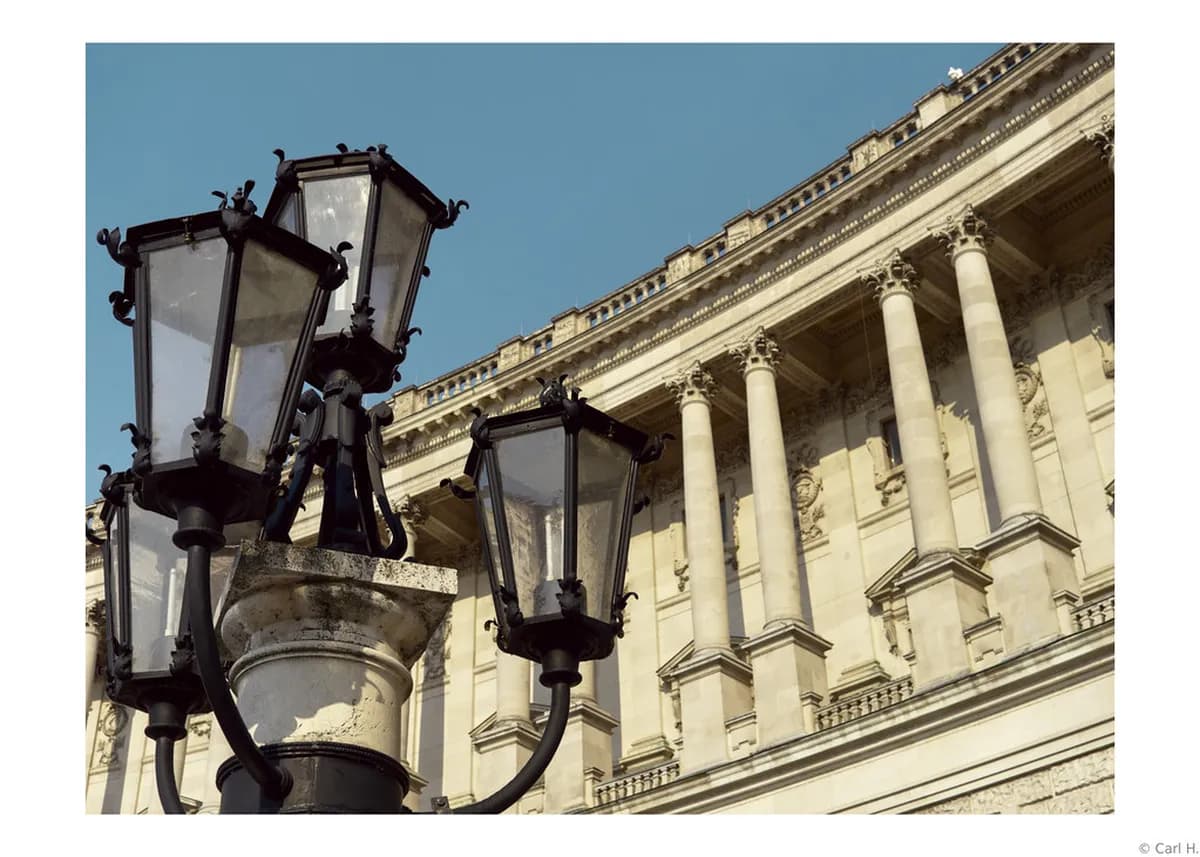
How to Visit the State Hall at the Austrian National Library in Vienna
The State Hall at the Austrian National Library is one of the most breathtaking baroque interiors in the world. Tucked inside Vienna's Hofburg complex, this 80-metre hall holds 200,000 historic books, soaring frescoes, and marble Habsburg statues. Knowing how to visit the State Hall at the Austrian National Library in Vienna saves time and helps you get the most from every minute inside.
Is the Austrian National Library State Hall Worth Visiting?
Yes — the State Hall is absolutely worth visiting, and not just for the photos. The scale of the interior surprises most visitors; real-life proportions dwarf what smartphone images suggest. Architecture lovers, Habsburg history fans, and bibliophiles all find something compelling here. Even travellers with limited time often call it one of the highlights of their Vienna trip.
The hall avoids the feeling of being overhyped because the genuine grandeur matches the reputation. Gilt shelves rise from floor to gallery level, and Daniel Gran's ceiling frescoes draw your eye upward immediately. Unlike many "must-see" interiors, this one rewards slow exploration rather than a rushed glance.
Instagram travellers come for the symmetry and golden tones, but the experience goes well beyond a photo opportunity. Budget-conscious visitors will appreciate that the admission cost is relatively low compared to major Viennese museums. Combined with the free Hofburg courtyard and Burggarten, the State Hall fits neatly into an affordable day in central Vienna.
What to See Inside the State Hall
The State Hall holds roughly 200,000 books printed between 1501 and 1850, arranged across 128 historic wooden bookshelves. The central oval displays Prince Eugene of Savoy's personal 15,000-volume collection, bound in distinctive red, blue, and yellow Morocco leather. These coloured spines are among the first things visitors notice as they step into the hall's central space.
Court painter Daniel Gran completed the ceiling frescoes in the 1730s, and their detail rewards a careful upward look. The entrance wing carries secular and martial themes, while the rear wing shifts toward allegory, depicting Heaven and Peace. The dome fresco at the hall's centre portrays the symbolic "deification" of Emperor Charles VI in a sweeping 30-metre composition. A marble statue of Charles VI stands directly below the dome, flanked by 16 further Habsburg figures carved in marble.
Four Venetian Baroque globes — two showing Earth, two showing the sky — stand more than a metre tall each. Their craftsmanship and scale make them a genuine highlight, not a side note. Special exhibitions run two to three times a year inside the hall; check the library's official website before your visit to see what's currently on.
A useful way to orient yourself is to think of the hall in three zones: the entrance wing, the central oval under the dome, and the rear wing. Moving through each zone in order gives a logical flow and ensures you don't miss the frescoes specific to each section. Allow extra time in the central oval, where the Prince Eugene collection and the dome fresco both compete for attention.
Architecture and History of the State Hall
Emperor Charles VI commissioned the hall in 1723, entrusting the design to Johann Bernhard Fischer von Erlach. After Johann Bernhard's death, his son Joseph Emanuel Fischer von Erlach completed the project, and the hall opened around 1735. At approximately 80 metres long and 30 metres high, it remains the largest baroque library hall in Europe.
The 2022 restoration brought the hall closer to its original 18th-century appearance than at any point in recent decades. Conservators used laser-cleaning techniques to remove centuries of grime from timber surfaces, and thousands of individual wood pieces were replaced. Sculptures and columns were also restored, and visitors today benefit from noticeably brighter gilding and sharper fresco colours with no scaffolding in sight. This is a meaningful upgrade to the visitor experience that none of the current travel guides fully explain.
The style blends imperial ambition with scholarly purpose — shelves rise in two gallery tiers, linked by elegant arched openings. Every element, from the painted ceilings to the carved column capitals, was designed to project the power and learning of the Habsburg dynasty. Understanding this context makes the space feel less like a museum room and more like a statement of empire.
Getting to the Austrian National Library
The Austrian National Library sits at Josefplatz 1, 1010 Vienna, within the Hofburg Imperial Palace complex. Approaching from the north or east side of Josefplatz is the most direct route and avoids circling the entire Hofburg. The entrance is on the corner of Josefplatz and Reitschulgasse, clearly signposted from the square.
By tram, alight at Burgring on the Ringstrasse — the walk to Josefplatz takes around five minutes. By U-Bahn, U3 Herrengasse is the closest stop at roughly 500 metres and a six-minute walk. U3 Stephansplatz adds another two minutes, while U2 MuseumsQuartier is about 1.2 kilometres away and suits visitors combining the trip with the museum district.
Planning the full day? The one-day Vienna itinerary for first-time visitors maps these connections well.
Uber operates throughout Vienna with UberX, Comfort, and Uber Green all available. For multi-modal navigation — mixing trams, U-Bahn, and walking — Citymapper tends to outperform Google Maps in accuracy for Vienna's network. No parking is available directly at Josefplatz, so public transport or ride-hailing is the practical choice.
Opening Times for the State Hall
The State Hall generally follows two seasonal schedules across the year. From October through May, the hall typically opens Tuesday to Sunday, with Monday as the regular closing day. From June through September, hours often extend and the hall may open daily — confirm exact times on the official guided tour and events calendar before visiting.
Austrian public holidays can affect opening times, and occasional special events may temporarily change access. Checking the official calendar a day or two before your visit takes under a minute and prevents a wasted journey. Early Tuesday mornings tend to be noticeably quieter than weekend afternoons, making them a good option for visitors who prefer a calmer experience.
Ticket Prices and Guided Tours
Admission prices change periodically, so check https://www.onb.ac.at/en/ for the most current rates before you go. Concession categories typically include students, seniors, children, and groups, so bring valid ID if you qualify. There is no free entry for general visitors, but the cost is modest relative to many comparable attractions in Vienna.
One important point many visitors miss: the Vienna City Card covers public transport across the city but does NOT include State Hall admission. Factor the separate entry cost into your daily budget rather than assuming the card gives full access. The card still offers useful discounts at some affiliated venues, so it can be worth having — just not as a substitute for a library ticket.
Guided tours of the State Hall are available for groups of ten or more and can be booked through the library's website. Solo travellers and small groups can join scheduled public tours without booking a private session — look for upcoming public tour dates on the official events calendar. Audio guides are also available at an additional cost for those who prefer to explore at their own pace.
Combining the State Hall with the Hofburg Palace
The State Hall entrance at Josefplatz 1 sits steps from several other major Hofburg sights, making combinations easy to plan. A logical walking sequence from Josefplatz is: State Hall → Sisi Museum and Imperial Apartments → Spanish Riding School viewing gallery → Augustinian Church. Each transition takes under five minutes on foot, so the cluster is genuinely walkable without a map app.
For visitors interested in the Sisi Museum and Hofburg Palace, allow at least 90 minutes after the State Hall visit. The free Hofburg courtyard and a short detour into the nearby Burggarten add atmosphere without extra cost. Fans of Prince Eugene's legacy can extend the day with a visit to Belvedere Palace, which holds his former art collection.
Use the table below to match your available time with a realistic itinerary. Longer visits benefit from combining the State Hall with the Kunsthistorisches Museum, Albertina, or MuseumsQuartier — all reachable within 15 minutes on foot or by tram. The Palm House and Butterfly House in Burggarten also make a peaceful addition for those with a half-day to spare.
- 30 minutes — State Hall only
- Focus: main hall, frescoes, globes
- Best for: tight schedules or transit visitors
- Skip: special exhibitions
- 60–90 minutes — State Hall + special exhibition
- Focus: full hall plus current exhibition
- Best for: first-time visitors with moderate time
- Check: onb.ac.at for current exhibition dates
- Half day — State Hall + Sisi Museum + Hofburg walk
- Focus: Hofburg cluster in logical order
- Best for: Habsburg history enthusiasts
- Free add-on: Hofburg courtyard and Burggarten
- Full day — Hofburg cluster + major museum
- Add: Kunsthistorisches Museum or Albertina
- Best for: dedicated culture travellers
- Transport: tram or 10–15 min walk from Josefplatz
Practical Tips Before You Go
Large bags and backpacks must be checked at the cloakroom before you enter the State Hall. Photography is permitted inside the hall, but flash is not allowed and tripods are prohibited. A small camera bag worn crossbody usually passes through without issue, but check the cloakroom policy at the door.
The hall can feel cool even in summer thanks to thick stone walls, so a light layer is worth packing. There is no dress code, but comfortable shoes help since you'll be standing and walking for most of the visit. No advance booking is required for individual entry — simply arrive, pay at the door, and go in.
Arriving at opening time on a weekday morning is the most reliable way to beat large tour groups. Weekend afternoons draw the biggest crowds, particularly when multiple group tours overlap in the main hall. Wheelchair access details and accessibility information are available on the official Austrian National Library website — check before visiting if this is a priority.
Frequently Asked Questions
Can you go into the Austrian National Library?
Yes — the State Hall is open to the public with a paid ticket and requires no special accreditation. The research library areas are restricted to registered scholars and academics. Individual visitors simply pay at the entrance on Josefplatz and walk in during opening hours, with no advance booking needed.
Is the Austrian National Library free to enter?
No, the State Hall charges an admission fee. Concessions apply for students, seniors, and children — bring valid ID to claim a reduced rate. The Vienna City Card does not cover State Hall admission; it only provides public transport access across Vienna. Check onb.ac.at for current prices before you visit.
What is the oldest book in the Austrian National Library?
The State Hall collection spans books printed between 1501 and 1850, but the library's broader holdings include medieval manuscripts that predate this range significantly. The library does not highlight a single "oldest book" for general visitors. For detailed collection information, visit the official Austrian National Library website.
How long does a visit to the State Hall take?
Allow at least 30 minutes for the State Hall alone and 60–90 minutes if you plan to explore a current special exhibition. Visitors combining the State Hall with the Hofburg and nearby attractions should set aside a half day. Moving slowly through the three hall zones is more rewarding than rushing through.
Is photography allowed in the State Hall?
Photography is permitted inside the State Hall for personal, non-commercial use. Flash photography is not allowed, and tripods are prohibited. Handheld cameras and smartphones are fine. Large camera bags may need to be checked at the cloakroom, so travel light if you plan to photograph the interior.
The State Hall at the Austrian National Library earns its reputation as one of Vienna's finest interiors. Practical planning — knowing the transport options, arriving early, and checking current hours on onb.ac.at — turns a good visit into a great one. Whether you have 30 minutes or a full day, the hall fits naturally into almost any Vienna itinerary.
Pairing it with the Sisi Museum, the Hofburg courtyard, or a longer museum day adds real depth to your time in the city. The 2022 restoration means the gilding, frescoes, and carved details look better now than they have in decades. Book your ticket at the door, arrive on a weekday morning, and give yourself room to look up — the ceiling alone is worth the trip.