
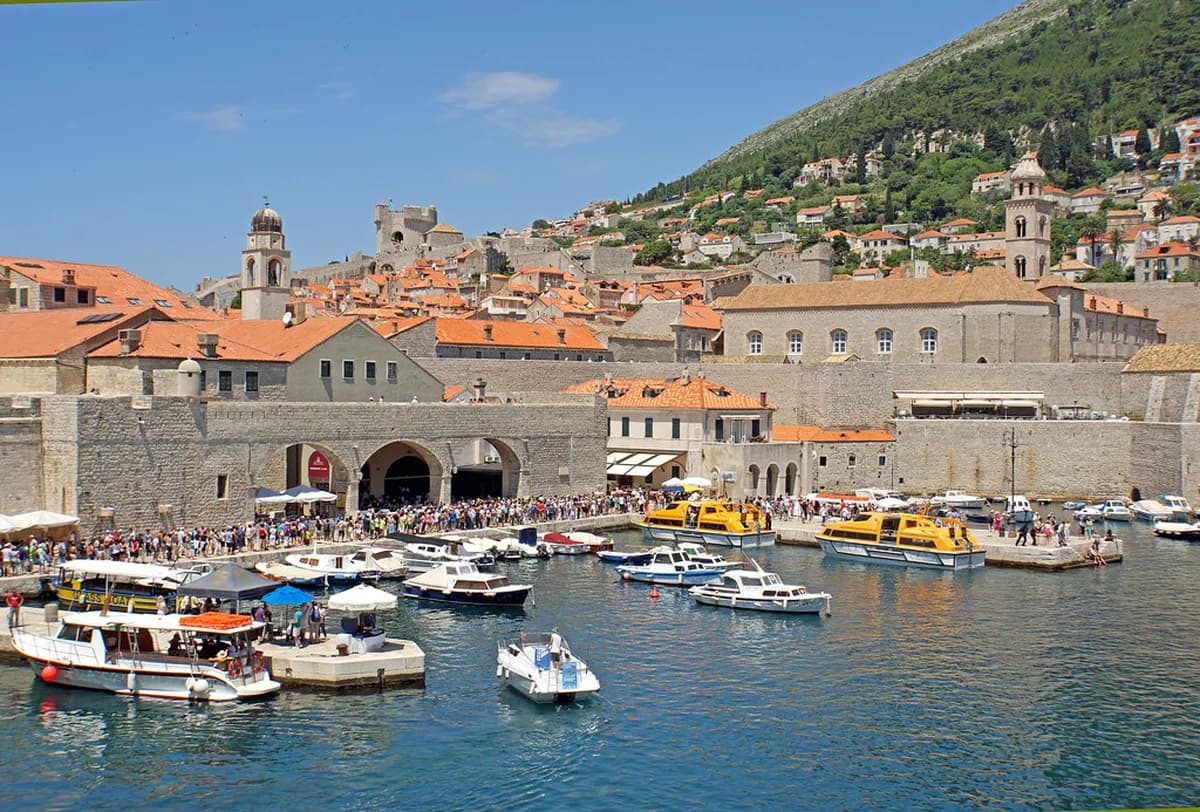
How To Walk The Dubrovnik City Walls: Best Time And Entry Points
The city walls of Dubrovnik represent one of the best-preserved fortification systems in all of Europe. Walking along these stone ramparts offers a unique perspective of the terracotta rooftops and the shimmering blue Adriatic Sea. This massive structure has protected the city for centuries while evolving into a premier global tourist attraction.
Many travelers consider this walk the highlight of their Croatian journey. You will find that the 2-kilometer loop provides endless photography opportunities and deep historical insights. Understanding the logistics of entry points and timing is essential for a smooth experience in this busy destination.
Planning your visit requires more than just showing up at the gate. This guide covers everything from ticket costs to the best way to avoid massive cruise ship crowds. Discover why these walls remain one of the 15 best things to do in Dubrovnik during your next vacation.
About Dubrovnik City Walls
The fortifications surrounding the Old Town are a testament to the engineering skills of the Republic of Ragusa. Construction began in the 13th century and continued through the 16th century to counter various threats. These walls successfully defended the city against numerous sieges and naval attacks over hundreds of years.
Today, the entire complex is recognized as a UNESCO World Heritage Centre - Old City of Dubrovnik site. The limestone structures reach heights of up to 25 meters in some sections. You can see how the thick stone barriers vary in width to protect different parts of the coastline.
Exploring the walls allows you to connect with the complex real Republic of Ragusa history that shaped the region. Each tower and bastion tells a story of survival and diplomatic strength. The walls remain a source of immense pride for the local residents who maintain them.
City Walls Entrances
Choosing the right entrance can significantly impact your wait time and overall comfort. Most tourists naturally gravitate toward the busiest gate located near the main fountain. However, savvy travelers often use alternative points to bypass the morning rush and long ticket lines.
The three main entry points are strategically placed around the perimeter of the Old Town. Each gate offers a different starting perspective and varies in terms of stair steepness. You should select your entrance based on your current location and physical stamina.
Consider starting at the southern end of the city if you want to avoid the largest groups. This area typically sees fewer people during the peak morning hours. Using the lesser-known gates provides a much calmer start to your 2-kilometer journey around the ramparts.
- Pile Gate Main Entrance
- Location: Near Onofrio Fountain
- Wait Times: Often very long
- Stair Steepness: Moderate but crowded
- Best for: First-time visitors
- Ploče Gate Entrance
- Location: Near the harbor
- Wait Times: Generally moderate
- Stair Steepness: Relatively steep
- Best for: Avoiding Pile crowds
- St. John’s Fortress Entrance
- Location: Near Maritime Museum
- Wait Times: Usually shortest
- Stair Steepness: Narrow and steep
- Best for: Strategic bypass
Tickets For The City Walls
Ticket prices for the walls have increased over the years to help manage the high volume of visitors. For the 2026 season, expect to pay approximately €40 for a standard adult entry ticket. You can purchase these directly at the gates or online to save time during your visit.
A popular alternative is purchasing the Official Dubrovnik Pass Website which includes wall entry. This pass often provides better value if you plan to visit multiple museums and use public transport. You can read more about the Dubrovnik Pass 2026 cost breakdown to see if it fits your budget.
Keep your ticket handy throughout the walk as staff may check it at various checkpoints. Your wall ticket also grants you access to Fort Lovrijenac within a three-day window. This separate fortress offers some of the most iconic views of the city walls from across the water.
Things You Need To Know Beforehand
Walking the walls is a strictly one-way experience that moves in a counter-clockwise direction. This rule helps manage the flow of people through narrow sections and keeps the path safe. You cannot turn around and go back, so ensure you take all your photos as you go.
There is very little shade on top of the stone ramparts during the middle of the day. Wear a hat and apply sunscreen before you begin the ascent to the top. Sturdy walking shoes are highly recommended because the stone surfaces can be uneven and slippery in some areas.
Hydration is critical since the walk takes between 90 minutes and two hours to complete. While there are three small cafes on the walls, prices for water are significantly higher than in town. Carry a refillable bottle and finish your water before reaching the exit points.
Walking the city walls - full circle
The full circle covers roughly 1,940 meters of continuous stone pathways and stairs. You will encounter several steep sections that require a moderate level of physical fitness. Most visitors find that a slow and steady pace is the best way to enjoy the scenery.
Start early to ensure you have enough time to complete the loop before the midday heat. The path takes you past residential gardens, historic towers, and dramatic sea cliffs. You will see local life happening just a few feet below the tourist path in some sections.
Plan for at least two hours if you enjoy stopping for frequent photos and historical markers. If you feel tired, there are several spots where you can exit the walls early. However, remember that you cannot re-enter using the same ticket once you leave the ramparts.
You'll love these unique activities
Photography enthusiasts should focus on the changing light as they move around the perimeter. The morning light illuminates the sea side beautifully, while sunset creates a golden glow over the Old Town. Capturing the contrast between the orange roofs and the blue water is a must-do activity.
Take the time to climb the Minčeta Tower for the highest vantage point in the entire city. This tower offers a panoramic view that stretches all the way to the neighboring islands. It is often the most crowded spot, so patience is required for the perfect clear shot.
Visiting the Maritime Museum near the St. John's entrance adds another layer to your experience. You can learn about the naval history that made the Republic of Ragusa a global power. Combining the museum with your wall walk provides a deeper understanding of the city's maritime heritage.
Best parts of Dubrovnik City Walls
The section between Pile Gate and Minčeta Tower offers the most dramatic views of the city's layout. You can look down into the Franciscan Monastery and see the bustling activity on the Stradun. This part of the wall is also where you will find the most impressive defensive architecture.
Fort Bokar is another highlight that juts out over the rocky coastline on the western side. It was designed to protect the Pile Gate and offers incredible views of Fort Lovrijenac. The circular shape of the fort makes it one of the most recognizable features of the city skyline.
The southern stretch of the wall runs directly along the sea cliffs and provides a sense of isolation. Here, the sound of waves crashing against the rocks replaces the noise of the city streets. This area is perfect for those seeking a moment of quiet reflection during their busy itinerary.
Best Time to Walk the Dubrovnik City Walls
Timing is the most important factor for enjoying your walk without feeling overwhelmed by crowds. The best time to start is right when the gates open at 8:00 AM. This allows you to finish the most exposed sections before the sun reaches its peak intensity.
You should always check the Port of Dubrovnik Cruise Ship Schedule before planning your day. If multiple large ships are in port, the walls can become extremely congested with large tour groups. Read our guide on how to avoid crowds in Dubrovnik for more specific scheduling tips.
Late afternoon is the second-best window for visiting, especially about two hours before closing. The temperatures begin to drop and the lighting becomes much softer for your travel photos. Most cruise ship passengers return to their vessels by 4:00 PM, leaving the walls much quieter.
How do you get on top of the wall in Dubrovnik?
Finding the entrance stairs can be slightly confusing because they are tucked away behind larger buildings. At Pile Gate, the entrance is located immediately to the left after you pass through the inner gate. Look for the small ticket office and the stone staircase rising sharply next to the wall.
The Ploče Gate entry is found near the Dominican Monastery on the eastern side of the city. You must walk through the gate and look for signs pointing toward the wall access point. This entrance is often less visible than the Pile Gate stairs but is clearly marked with official signage.
If you are near the harbor, look for the St. John’s Fortress entrance next to the Maritime Museum. This path leads you up through a narrower staircase that opens onto the southern sea-facing ramparts. It is a fantastic choice if you want to start your walk in a quieter section of the city.
Frequently Asked Questions
How long does it take to walk the Dubrovnik City walls?
It typically takes between 1.5 and 2 hours to walk the full 2-kilometer loop. Your pace will depend on how many photos you take and how long you spend at the cafes. Most visitors find that two hours allows for a relaxed experience without rushing through the steep sections.
Is it worth walking the walls of Dubrovnik?
Yes, walking the walls is widely considered the best activity in the city for history and views. The €40 ticket price is high, but the unique perspective of the UNESCO Old Town is unmatched elsewhere. It is a core part of any 3 days in Dubrovnik itinerary.
Can you leave and re-enter the Dubrovnik walls on the same ticket?
No, your ticket is valid for a single entry only on the day of purchase or use. Once you descend the stairs and exit the wall perimeter, you cannot go back up without buying a new ticket. Plan to stay on top for the duration of your entire loop to see everything.
What is the best entrance to avoid crowds at the Dubrovnik walls?
The St. John’s Fortress entrance near the Maritime Museum is the best way to avoid the massive morning queues. While the Pile Gate entrance is the most famous, it often has the longest wait times. Starting at St. John's allows you to enjoy the sea views before reaching the busier northern sections.
Walking the Dubrovnik City Walls is an unforgettable experience that combines physical activity with breathtaking history. By choosing the right entry point and arriving early, you can enjoy the ramparts without the stress of large crowds. The views of the Adriatic Sea and the Old Town will likely be the highlight of your entire trip to Croatia.
Remember to pack plenty of water, wear comfortable shoes, and respect the one-way walking rule. Whether you are a history buff or a photography lover, these walls offer something special for every traveler. Start planning your visit today to see why this stone fortress remains a world-class destination.