
12 Historic Landmarks in Dublin: From Dublin Castle to Kilmainham Gaol
Dublin's history spans over a thousand years of Viking raids and many revolutionary struggles. You can walk through medieval streets and see grand Georgian buildings in a single afternoon. These historic landmarks in Dublin offer a deep look into the soul of Ireland. This guide explores the city's past from the dark cells of a prison to the halls of a castle.
Planning a visit to these sites helps you understand how the modern Republic was formed. Many of these locations are within walking distance of each other in the city center. You might want to follow a 3-day Dublin highlights itinerary to see them all efficiently. Each landmark provides a unique perspective on the people who shaped this ancient capital.
Exploring the History of Dublin Castle
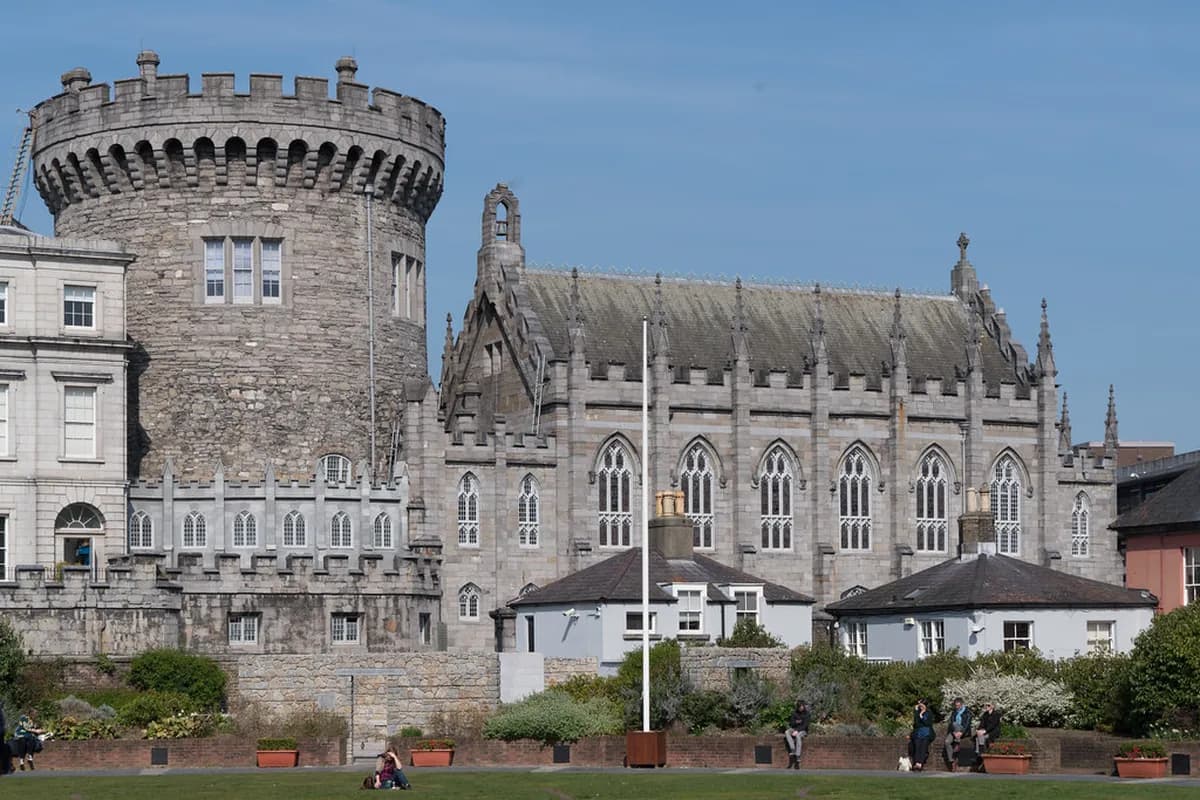
Dublin Castle has served as the administrative heart of the city for many centuries. The structure stands on the site of an earlier Viking fortress near the River Liffey. Visitors can tour the lavish State Apartments that once housed the British representatives.
The medieval Record Tower remains the only intact portion of the original fortress. You can see the transition from defensive fortification to a grand palace through the architecture. Many official government ceremonies still take place within these historic walls today.
Behind the main buildings lies the peaceful Dubh Linn Garden where the city began. The name Dublin actually comes from the Dubh Linn or Black Pool once located here. Check the Dublin Castle Official Site for current tour times and ticket prices.
- Dublin Castle Visiting Details
- Best for: Royal history
- Where: Dame Street
- Cost: Paid for tours
- Tip: Visit the garden
The Revolutionary Legacy of Kilmainham Gaol
Kilmainham Gaol is a former political prison that held many famous Irish revolutionaries. The leaders of the 1916 Easter Rising were executed within these cold stone walls. Walking through the narrow corridors provides a somber look at the struggle for independence.
The Victorian wing features a large central hall that was very modern for its time. Guides share stories of the men and women who were imprisoned here for their beliefs. This site is essential for anyone wanting to understand the birth of the Irish Republic.
Tickets for this museum are extremely popular and often sell out many weeks in advance. You must book your visit exactly 28 days ahead on the Kilmainham Gaol Booking page. Failure to plan early often results in missing out on this powerful historical experience.
- Kilmainham Gaol Quick Facts
- Best for: Rebel history
- Where: Inchicore Road
- Booking: 28 days advance
- Access: Guided tours only
Trinity College and the Book of Kells
Trinity College Dublin was founded in 1592 and remains the oldest university in Ireland. The campus features stunning cobblestone squares and beautiful architecture from many historical periods. Students and visitors alike enjoy the peaceful atmosphere found within these famous academic walls.
The Old Library houses the Long Room which is filled with thousands of ancient books. It is often ranked among the best literary museums in Dublin for its vast collection. Marble busts of great philosophers line the wooden shelves of this magnificent reading room.
Visitors come from all over the world to see the famous Book of Kells manuscript. This illuminated gospel book was created by Celtic monks over one thousand years ago. Book your Book of Kells Experience online to secure a specific entry time.
- Trinity College Visitor Info
- Best for: Literature
- Where: College Green
- Cost: Paid library entry
- Tip: See the Long Room
The Medieval Roots of Christ Church Cathedral
Christ Church Cathedral is another of the essential historic landmarks in Dublin to visit. It was founded by the Viking King Sitric Silkenbeard over one thousand years ago. The massive stone crypt beneath the building is the largest of its kind in Ireland.
Inside the crypt you can find strange treasures like a mummified cat and rat. The main cathedral floor features beautiful medieval tiles that have been carefully preserved. You can hear the famous bells ringing out across the city during regular church services.
The cathedral is connected to the Dublinia museum by a scenic stone bridge over the street. This area marks the very heart of the original medieval settlement of the city. Take time to admire the Gothic architecture and the tomb of the famous Norman leader Strongbow.
- Christ Church Highlights
- Best for: Viking history
- Where: Christchurch Place
- Cost: Paid entry
- Feature: Ancient crypt
The Grandeur of Saint Patrick’s Cathedral
Saint Patrick's Cathedral stands as the largest church in Ireland and a national landmark. It was built in honor of the patron saint of the country near a holy well. The interior is filled with colorful flags and monuments dedicated to famous Irish figures.
Jonathan Swift served as the Dean here and is buried within the cathedral walls. The choir school is the oldest in the country and still performs during daily services. Visitors often enjoy the peaceful public park that sits right next to the cathedral building.
The cathedral has survived many fires and storms over its long and difficult history. You can see how the building was restored during the Victorian era by the Guinness family. Check the St. Patrick's Cathedral Events page for special musical performances.
- Saint Patrick's Quick Guide
- Best for: Architecture
- Where: Saint Patrick's Close
- Cost: Paid entry
- Tip: Relax in the park
The General Post Office (GPO) History
The General Post Office is one of the most famous historic landmarks in Dublin today. This building served as the headquarters for the leaders of the 1916 Easter Rising. Look closely at the stone pillars to find bullet holes from that intense conflict.
The GPO Witness History museum offers an immersive look at the events of the revolution. You can see original documents and artifacts from the men who signed the Proclamation. It remains a working post office where locals still go to send their daily mail.
The building stands proudly on O'Connell Street in the very center of the city. It has been rebuilt and restored since the damage it took during the revolutionary years. This landmark serves as a powerful symbol of Irish freedom and national identity for all.
- GPO Visitor Information
- Best for: Modern history
- Where: O'Connell Street
- Cost: Free entry to hall
- Tip: Find the bullet holes
Glasnevin Cemetery Museum Heritage
Glasnevin Cemetery is the final resting place for over one million Irish people. It was founded by Daniel O'Connell to provide a burial place for people of all faiths. The museum on site tells the stories of the heroes buried within the vast grounds.
You can visit the grave of Michael Collins which is always covered in fresh flowers. The high round tower marking O'Connell's tomb is a major landmark in North Dublin. Guides offer tours that explain the symbolism found on the many Celtic crosses here.
This is an excellent place to start if you want to trace your Irish ancestors during your trip. The genealogy center provides access to records that date back to the early 1800s. Listen for the Dead Man's Bell which was once used to prevent accidental live burials.
- Glasnevin Cemetery Details
- Best for: Genealogy
- Where: Finglas Road
- Cost: Free to walk
- Tip: Take a guided tour
The Iconic Ha’penny Bridge Over the Liffey
The Ha'penny Bridge is a beautiful cast-iron pedestrian bridge built in the year 1816. It was the first iron bridge to cross the River Liffey in the city center. The name comes from the half-penny toll that people once had to pay to cross.
This bridge is one of the most photographed historic landmarks in Dublin for visitors. It connects the historic Northside with the busy Temple Bar district on the Southside. The white arches look particularly beautiful when they are lit up at night for the city.
You can find this bridge easily while following our guide on how to get around Dublin by foot. It remains a favorite spot for locals and tourists to enjoy views of the river. The toll was removed over a hundred years ago so you can cross for free today.
- Ha'penny Bridge Facts
- Best for: Photos
- Where: River Liffey
- Cost: Free to cross
- Age: Over 200 years old
The Folklore of the Molly Malone Statue
The Molly Malone Statue is a famous bronze figure located near the busy Grafton Street area. This monument celebrates a fictional fishmonger who has become a symbol of the city's folklore. Many tourists visit the site to take photos with this beloved Dublin character today.
The statue was moved from its original location to Suffolk Street several years ago. It is based on the famous song about a girl who sold cockles and mussels. You can find this statue while exploring many other free things to do in Dublin during your visit.
A common superstition involves rubbing the statue for good luck while you are passing by. The figure represents the working-class history of the city during the 17th and 18th centuries. It remains one of the most popular meeting points for people in the city center.
- Molly Malone Quick Info
- Best for: Folklore
- Where: Suffolk Street
- Cost: Free
- Tip: Rub for good luck
National Museum of Ireland – Archaeology
The National Museum of Ireland on Kildare Street houses the nation's greatest archaeological treasures. You can see prehistoric gold jewelry and intricate Celtic metalwork in the Treasury gallery. The building itself is a beautiful example of Victorian museum architecture with a rotunda.
One of the most famous exhibits features the bog bodies from the Iron Age. These remains have been naturally preserved for thousands of years in the Irish peat bogs. Check the National Museum Official Site for information on current temporary exhibitions.
The Viking Ireland gallery shows how the early settlers lived and traded in the city. You can see weapons and everyday items found during excavations at Wood Quay nearby. Entry to the museum is free for all visitors which makes it a great value choice.
- Archaeology Museum Info
- Best for: Ancient history
- Where: Kildare Street
- Cost: Free entry
- Feature: Bog bodies
The Grand Architecture of The Custom House
The Custom House is a masterpiece of neoclassical architecture located on the north bank of the Liffey. Architect James Gandon designed this grand building which opened for official business in 1791. Its long facade and central dome make it one of the most recognizable sights in the city.
During the Irish War of Independence the building suffered significant damage during a fire. Much of the original interior was lost but the exterior was later restored to its glory. You can now visit the visitor center to learn more about its construction and history.
Reaching this landmark is simple when you use the local Luas tram or nearby trains. It is a key stop for those exploring the tourist attractions in Dublin along the river. The area offers excellent views of the water and the modern skyline of the docklands.
- Custom House Visitor Tips
- Best for: Architecture
- Where: Custom House Quay
- Cost: Paid visitor center
- Tip: View from river
Jeanie Johnston Tall Ship & Famine Memorial
The Jeanie Johnston Tall Ship is a replica of a vessel that carried emigrants during the Famine. This ship is famous because no passengers ever died during its many voyages across the Atlantic. It serves as a moving monument to the millions of people who left Ireland forever.
Located nearby is the Famine Memorial which features haunting bronze statues of starving people. These figures represent the desperation of the Irish people during the Great Hunger in the 1840s. Visiting both sites together provides a powerful perspective on this tragic period of national history.
You can take a guided tour of the ship to see the cramped conditions below deck. The museum provides deep insights into the personal stories of the families who traveled away. This experience is vital for understanding the global impact of the vast Irish diaspora.
- Famine History Sites
- Best for: Famine history
- Where: Custom House Quay
- Cost: Paid ship tours
- Memorial: Free to view
Frequently Asked Questions
How far in advance should I book Kilmainham Gaol tickets?
You should book your tickets exactly 28 days in advance through the official website. This site is one of the most popular historic landmarks in Dublin and sells out very quickly. Early morning slots provide the best experience for those who want to avoid the largest tour groups.
Is Dublin Castle free to enter?
Entry to the castle grounds and the Dubh Linn Garden is free for all visitors. However you must pay a fee to take a guided tour of the State Apartments and the Viking excavation. Check the official site for the latest pricing before you arrive at the gates.
Can you see the Book of Kells without a tour?
You can view the Book of Kells by purchasing a self-guided ticket for the Old Library. This allows you to see the manuscript and the Long Room at your own pace. Most visitors spend about one hour exploring the exhibit and the university grounds during their visit.
What is the oldest building in Dublin?
Christ Church Cathedral is generally considered the oldest building in the city with roots dating back to 1030. While much of the structure has been rebuilt the crypt remains part of the original medieval foundation. It is a key stop for anyone interested in Ireland and its Viking past.
Are the bullet holes still visible on the GPO?
Yes you can still see the original bullet holes in the large stone pillars on O'Connell Street. These marks were made during the intense fighting of the 1916 Easter Rising. They serve as a permanent physical reminder of the violent struggle for Irish independence in the city center.
Exploring these sites provides a deeper understanding of the complex history of the Irish capital. Each location tells a unique story of struggle and triumph over many different centuries. Plan your visits carefully to ensure you see the best heritage sites during your stay.
Dublin is a city where the past and the present live together on every street corner. Whether you are interested in Vikings or revolutionaries there is a landmark for you to discover. Enjoy your journey through time as you explore the most famous tourist attractions in Dublin today.