
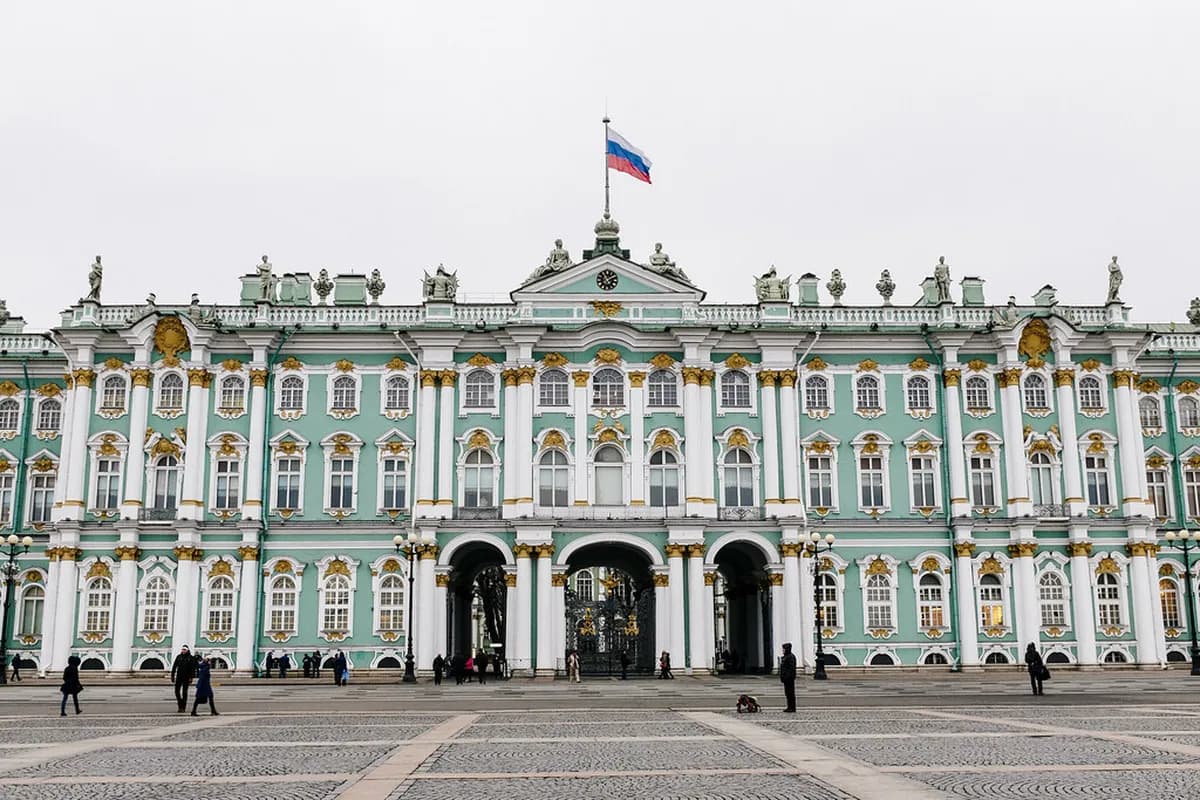
8 Essential Tips for Visiting the Hermitage and General Staff Building
Planning how to visit the Hermitage and General Staff Building requires a solid strategy to see the world's best art. These two massive structures face each other across the iconic Palace Square in the heart of St. Petersburg. Most travelers start at the Winter Palace but often miss the modern masterpieces housed in the building across the way.
The State Hermitage Museum holds over three million items spanning from ancient history to the modern era. You will find imperial throne rooms and Renaissance paintings inside the main complex along the Neva River embankment. Meanwhile, the General Staff Building contains the world-famous Impressionist and Post-Impressionist collections that once lived in the palace.
Understanding the layout of these two distinct sites is essential for a successful cultural trip to Russia. This guide provides the logistics, history, and insider tips you need to navigate both buildings without feeling overwhelmed. Prepare to witness centuries of royal history and artistic genius in one of the most beautiful cities on earth.
Essential Logistics: Tickets, Hours, and Getting There
The Admiralteyskaya metro station serves as the most convenient arrival point for visitors heading to Palace Square. From the station exit, a short five-minute walk brings you directly to the towering Alexander Column and the museum entrances. You should always check the State Hermitage Museum Official Site for current ticket prices and operating hours.
Purchasing your entry vouchers online in advance is the only way to guarantee access during the busy summer months. The museum uses a timed entry system to manage the flow of thousands of daily visitors across the complex. You must choose a specific entry slot and arrive at the correct gate to begin your self-guided tour.
The museum usually stays closed on Mondays and offers extended evening hours on certain days of the week. Budget-conscious travelers should look for free admission days, which often fall on the third Thursday of every month. Keep in mind that these free days attract very large crowds and require early arrival to secure a spot.
Navigating the city is easier when you understand the layout of the major tourist attractions in St Petersburg located near the museum. Palace Square acts as the central hub for the city's historical district and most major bus lines stop nearby. Walking remains the best way to experience the scale of the imperial architecture surrounding the museum.
Navigating the Main Hermitage Complex (Winter Palace)
The Winter Palace serves as the primary building of the complex and houses the most famous imperial interiors. Most visitors begin their journey by climbing the stunning Jordan Staircase with its white marble and gold leaf decorations. This grand entrance sets the tone for the lavish lifestyle of the former Russian tsars who lived here.
The second floor contains the Small, Large, and New Hermitage galleries where the Old Masters collection resides. You can view works by Leonardo da Vinci, Rembrandt, and Rubens while walking through halls designed for Catherine the Great. These rooms often get crowded by midday, so visiting them early in your morning session is highly recommended.
The imperial state rooms offer a glimpse into the political history of the Russian Empire and its royal family. The St. George Hall and the Armorial Hall showcase the immense wealth and power of the Romanov dynasty through intricate designs. Make sure to look up at the ceilings and down at the parquet floors to see the detailed craftsmanship.
Exploring the General Staff Building: Impressionists and Beyond
Many tourists make the mistake of looking for Matisse and Picasso inside the Winter Palace building. The entire 19th and 20th-century collection moved across the square to the General Staff Building several years ago. This newer museum wing offers a modern and spacious environment for viewing some of the world's most valuable art.
The fourth floor of the General Staff Building houses the legendary Shchukin and Morozov collections of French art. You will find entire rooms dedicated to the vibrant colors of Henri Matisse and the revolutionary styles of Pablo Picasso. This section is often much quieter than the main palace, providing a more peaceful experience for art lovers.
The architectural design of the interior features massive glass-roofed courtyards and sleek white stairs that contrast with the old palace. You can easily spend three hours exploring the various wings dedicated to Russian and European art from the modern era. This building is included in the combined museum ticket, making it a must-visit part of your itinerary.
History and Architecture: From Elizabethan Times to Catherine the Great
The Winter Palace was designed by Francesco Bartolomeo Rastrelli in the mid-18th century using the Elizabethan Baroque style. Its mint-green facade and white columns have become the most recognizable symbol of the city's imperial past. Catherine the Great later expanded the complex to house her growing personal collection of European paintings.
The General Staff Building across the square was designed by Carlo Rossi in the neoclassical Empire style. Its massive crescent shape was intended to frame the palace and celebrate the Russian victory over Napoleon in 1812. The Goddess of Glory chariot sitting atop the central arch serves as a powerful reminder of military triumph.
Palace Square itself is a masterpiece of urban planning that connects these two architectural giants into one cohesive space. The Alexander Column stands in the center as a tribute to the tsar who defeated the French army. You can feel the weight of history as you stand between these two buildings and look toward the Neva River.
Must-See Masterpieces and Hidden Gems
The Peacock Clock in the Pavilion Hall remains one of the most popular mechanical wonders in the entire museum. This 18th-century masterpiece still functions, though it only performs its automated bird movements during special weekly events. You should check the schedule near the hall entrance to see if a demonstration is planned during your visit.
The Raphael Loggias offer a stunning recreation of the famous Vatican galleries commissioned by Catherine the Great herself. These long corridors are covered in intricate frescoes and provide one of the best photo opportunities in the museum. Most visitors miss the smaller rooms nearby which house rare ancient Greek and Roman sculptures and artifacts.
A common misconception among travelers is that the famous Amber Room is located inside the Hermitage complex. The original Amber Room was lost, but the reconstruction is found at the Peterhof State Museum-Reserve or the Catherine Palace in Pushkin. Do not spend your time searching for it here, as it is located in a different palace outside the city.
Practical Tips: Best Time to Visit, Rules, and Avoiding Crowds
The museum staff enforces strict rules regarding large bags, umbrellas, and heavy coats which must be left in the cloakroom. You should carry a small bag for your essentials to avoid being turned away at the gallery entrances. In 2026, security checks remain thorough, so allow extra time for the scanning process before you enter.
Visiting late in the afternoon often allows you to enjoy the galleries after the large tour groups have departed. The museum feels much more intimate during the final two hours of operation when the sunlight hits the palace windows. If you prefer mornings, try to be the first in line at least thirty minutes before the doors open.
Using a mobile app or a printed map is highly recommended to avoid getting lost in the hundreds of interconnected rooms. You can download the official museum guide to your phone to learn more about specific paintings and artists. If you have limited time, focus on one or two specific wings rather than trying to see everything at once.
Where to Eat and Stay Near Palace Square
Staying near Palace Square allows you to reach the museum gates in minutes and enjoy the city's nightlife after hours. There are several options ranging from historic luxury hotels to modern guest houses located within walking distance. Choosing the right base for your stay will significantly improve your overall experience in the city center.
The museum cafe inside the Winter Palace offers quick snacks and coffee for visitors who need a short break between galleries. For a more formal meal, you will find several high-quality Russian restaurants located on the streets surrounding the square. Many of these spots offer traditional dishes like borscht and beef stroganoff in a historical setting.
- Kempinski Hotel Moika 22
- Type: Luxury Hotel
- Best for: Premium views
- Where: Moika Embankment
- Cost: High range
- Pushka Inn Hotel
- Type: Superior Boutique
- Best for: Historical charm
- Where: Near Moika
- Cost: Mid range
- Nevsky 3 Guest House
- Type: Budget Stay
- Best for: Central location
- Where: Nevsky Prospect
- Cost: Low range
Beyond the Art: Hermitage Cats and Local St. Petersburg Traditions
The Hermitage cats are a unique part of the museum's history that dates back to the reign of Empress Elizabeth. These cats were originally brought to the palace to protect the royal art collection from mice and rats. Today, a dedicated team of staff members cares for dozens of cats living in the museum's basement and courtyards.
While you may not see the cats in the main galleries, they have become a beloved symbol of the institution. Local traditions often involve looking for the cats in the sunny patches of the courtyard during the warmer months. You can even find museum souvenirs dedicated to these furry guardians in the gift shops near the exit.
After your museum visit, you might want to explore the best things to do in St Petersburg during White Nights for a complete experience. Walking along the Neva River at midnight provides a magical perspective on the palace facades and the city's skyline. The area around the museum remains vibrant and full of life long after the galleries close for the day.
Frequently Asked Questions
Is the General Staff Building included in the Hermitage ticket?
Yes, most combined tickets include entry to both the Winter Palace and the General Staff Building. You can visit both sites on the same day or across two days depending on your ticket type. Check the 3 day St Petersburg Russia itinerary for more planning tips.
Where is the Impressionist art in the Hermitage?
The Impressionist and Post-Impressionist collections are located on the fourth floor of the General Staff Building. This building is situated directly across Palace Square from the Winter Palace. You will find masterpieces by Matisse, Picasso, and Van Gogh in this specific museum wing.
How much time do you need for the General Staff Building?
You should allocate at least two to three hours to properly see the modern art collections in the General Staff Building. This allows enough time to explore the Shchukin and Morozov galleries without rushing. Many visitors spend a full morning in the Winter Palace and the afternoon here.
Can you walk between the Winter Palace and the General Staff Building?
Yes, the two buildings are separated only by the open space of Palace Square. It takes less than five minutes to walk from the main palace entrance to the General Staff Building entrance. This makes it very easy to visit both locations during a single trip to the center.
Visiting the Hermitage and the General Staff Building is a highlight of any trip to Russia's cultural capital. By planning your tickets and route in advance, you can see the best of imperial history and modern art. Remember to wear comfortable shoes and take breaks to fully enjoy this massive treasure house of human creativity.
If you have more time in the city, consider following a St Petersburg imperial palaces day trip itinerary to see more royal residences. St. Petersburg offers endless beauty for those who take the time to explore its grand squares and quiet canals. Enjoy your journey through the halls of one of the world's most impressive museum complexes.