
St Petersburg Imperial Palaces Day Trip: 10 Essential Itinerary Tips
St. Petersburg stands as a testament to the grand vision of the Romanov dynasty. This city served as the imperial capital for two centuries, leaving behind a legacy of unmatched architectural splendor. Travelers today can still walk through the same halls where emperors once ruled over a vast empire.
Planning a St Petersburg imperial palaces day trip itinerary requires careful coordination and local knowledge. You must decide between the seaside fountains of Peterhof and the golden halls of Catherine Palace. Each site offers a unique glimpse into the lives of the Russian tsars and their families.
The 2026 travel season brings updated visiting rules and new digital booking systems for these historic sites. Understanding these logistics early will help you avoid long queues and ensure entry to popular rooms. This guide provides the essential tips needed to navigate the city's most opulent landmarks with ease.
Palace Square: The Heart of Imperial St. Petersburg
Palace Square serves as the grand entrance to your imperial journey. This massive open space witnessed many of the most pivotal moments in Russian history. You can feel the weight of the past while standing between the Winter Palace and the General Staff Building.
The Alexander Column stands directly in the center of the plaza as a focal point. It commemorates the victory over Napoleon and remains a symbol of imperial power. This monolithic structure is held in place by its own weight without any additional support.
Many travelers start their day here to capture photographs before the midday crowds arrive. The morning light hits the turquoise facade of the Winter Palace beautifully during the summer months. You should allow at least thirty minutes to explore the square's perimeter and admire the architectural details.
The Winter Palace and Hermitage Museum
The Winter Palace was the primary residence of the Russian monarchs for generations. Today, it houses the State Hermitage Museum Official Site and its world-class art collection. Walking through the Jordan Staircase provides an immediate sense of the scale and wealth of the empire.
You should focus your visit on the State Rooms to see how the tsars lived. The Throne Room and the Malachite Room showcase the finest Russian craftsmanship from the 18th and 19th centuries. Learn how to visit the Hermitage and General Staff Building to optimize your limited time.
Tickets for the museum often sell out weeks in advance during the peak summer season. Digital entry slots help manage the flow of visitors through the narrow corridors and delicate galleries. Arriving ten minutes before your scheduled time ensures a smooth entry into the main palace complex.
Peterhof: The Russian Versailles by the Sea
Peterhof represents the ultimate display of Romanov wealth and architectural ambition. Travelers often refer to this site as the Russian Versailles because of its sprawling gardens and seaside location. The complex sits on the shores of the Gulf of Finland, offering refreshing breezes during hot days.
The Grand Cascade features over 60 fountains that operate without the use of modern pumps. This engineering marvel uses natural water pressure from local springs to power the displays. You can find more details on fountain schedules at the Peterhof State Museum-Reserve website.
Lower Park contains numerous 'trick' fountains designed to soak unsuspecting visitors in the 18th century. These playful water features remain a favorite for families and younger travelers today. Walking from the main palace down to the shore takes about twenty minutes at a leisurely pace.
Catherine Palace: The Amber Room and Tsarskoye Selo
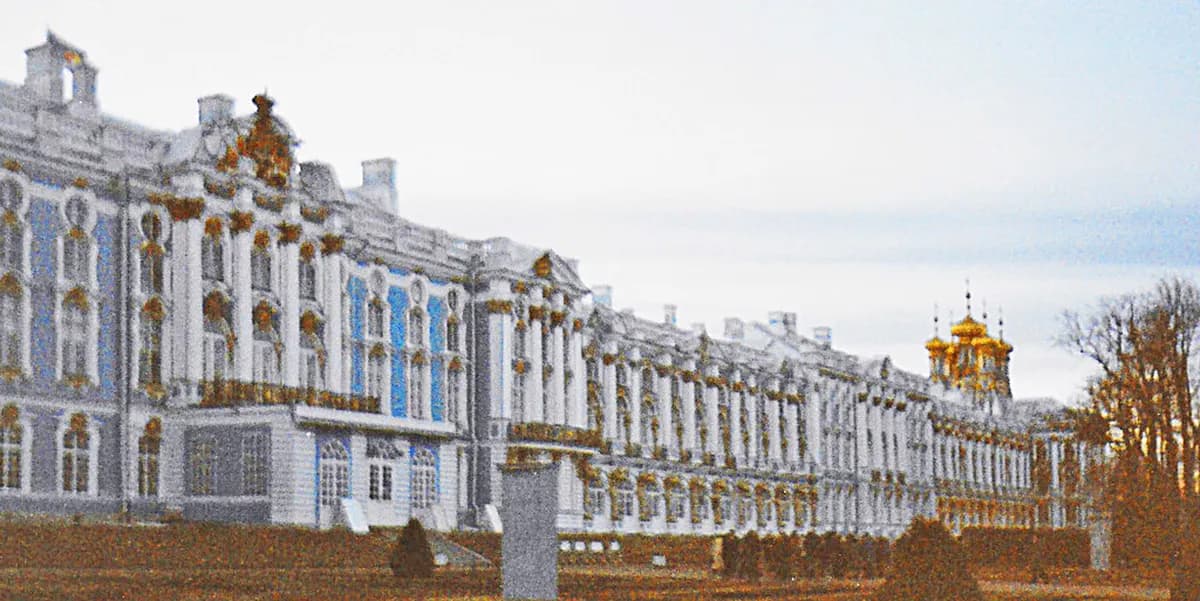
Catherine Palace is famous for its bright blue facade and the legendary Amber Room. This palace in the town of Pushkin reflects the Rococo tastes of Empress Elizabeth and Catherine the Great. The interiors are heavily gilded and designed to impress visiting foreign dignitaries.
The Amber Room is often called the eighth wonder of the world by historians. While the original was lost during World War II, the reconstruction is a stunning feat of modern artistry. You can see the intricate details of this room in St. Petersburg Imperial Photography collections online.
Tsarskoye Selo also includes the Alexander Palace, which was the final home of Nicholas II. This site offers a more personal and tragic look at the end of the Romanov dynasty. Visiting both palaces in one afternoon requires a well-planned schedule and pre-booked transport.
Pavlovsk Palace: A Neoclassical Masterpiece
Pavlovsk Palace offers a quieter alternative to the more crowded imperial residences. It was built for Paul I and features a more restrained Neoclassical style compared to the Baroque Winter Palace. The atmosphere here feels more like a lived-in home than a formal state building.
The surrounding park is one of the largest English-style landscape gardens in Europe. You can rent a bicycle or take a horse-drawn carriage to explore the winding paths and hidden pavilions. This park remains beautiful even in the autumn when the leaves turn vibrant shades of gold.
Inside the palace, the Greek Hall and the Italian Hall showcase exquisite marble work and classical statues. Many visitors prefer Pavlovsk because the tour groups are smaller and the pace is more relaxed. It is an ideal spot for those who appreciate fine art and tranquil nature.
Yusupov Palace: History and Mystery on the Moika
Yusupov Palace was the private residence of one of Russia's wealthiest noble families. It is famously known as the site where Grigori Rasputin was assassinated in 1916. You can take a specialized tour that explores the basement rooms where these dark events occurred.
The palace also features a stunning private theater that is still used for performances today. This miniature opera house is decorated with red velvet and intricate gold leaf carvings. It remains one of the best-preserved noble interiors in the entire city.
The location on the Moika River makes it easy to reach from the city center. You can combine a visit here with a boat tour of the local canals for a complete afternoon. This palace provides a fascinating look at the immense wealth held by the Russian aristocracy.
Choosing Your Route: Peterhof vs. Tsarskoye Selo
Most travelers find it difficult to visit both Peterhof and Tsarskoye Selo in a single day. Peterhof is the superior choice for those who love gardens and outdoor fountain displays. If you visit during the winter, the fountains are turned off, making the interiors of Catherine Palace more appealing.
Catherine Palace is the better option for travelers who prioritize interior opulence and history. The Amber Room is a unique attraction that you cannot find anywhere else in the world. However, the crowds at Tsarskoye Selo can be significantly larger than at other suburban sites.
Consider Pavlovsk if you want to avoid the massive tour bus groups entirely. It offers a similar level of beauty with a fraction of the stress found at the primary sites. Your choice should depend on your interest in water engineering versus decorative arts.
Logistics: Getting to the Suburban Palaces
Getting to the suburban palaces requires choosing between speed, cost, and scenery. The hydrofoil to Peterhof is the fastest and most scenic way to reach the site from the city center. It departs from the piers near the Hermitage and takes about forty minutes to cross the water.
Trains to Pushkin depart regularly from the Vitebsky Railway Station in St. Petersburg. This is the most budget-friendly option and allows you to see the beautiful historic station building.
You can find more tourist attractions in St. Petersburg near the main transit hubs.
Private car services or taxis offer the most flexibility for those visiting Pavlovsk or Gatchina. These options allow you to set your own schedule and avoid the wait times associated with public transit. Always agree on a price or use a reputable app before starting your journey.
Best Time to Visit for Imperial Grandeur
The summer months of June and July offer the most daylight for exploring palace grounds. This period coincides with the famous White Nights when the sun barely sets over the city. Check the best things to do in St Petersburg during White Nights to plan your evenings.
Winter visits provide a completely different atmosphere with snow-covered gardens and fewer tourists. The palaces are kept warm and offer a cozy escape from the Russian cold outside. You can often enjoy the galleries in silence during the midweek mornings in January.
Spring is a transitional time when the fountains at Peterhof are first tested and turned on. This usually happens in late April or early May with a grand opening ceremony. Travelers in the shoulder season often find the best balance between weather and crowd levels.
Other Imperial Trips Near Saint Petersburg
Gatchina Palace is another imperial residence that features a unique underground tunnel and a medieval-style castle. It was a favorite home of Alexander III and offers a more rugged aesthetic than the city palaces. The surrounding park includes several lakes and picturesque bridges for walking.
Oranienbaum is the only imperial suburb that was not destroyed during World War II. This means the interiors are original and have not undergone extensive modern reconstruction. It is located near Peterhof and can be visited as part of a longer day trip.
If you have more time, consider a 3-day St Petersburg Russia itinerary to see these secondary sites. Each palace adds another layer to the complex story of the Russian monarchy. Exploring beyond the main two sites reveals the diversity of imperial architectural tastes.
Frequently Asked Questions
Can you visit Peterhof and Catherine Palace in one day?
Visiting both Peterhof and Catherine Palace in one day is technically possible but very exhausting. These sites are located in opposite directions from the city center. You would spend several hours in transit and have little time to enjoy the gardens. It is better to dedicate one full day to each location. For more budget tips, see free things to do in St Petersburg Russia.
How do I get from St. Petersburg to Peterhof?
The most popular way to reach Peterhof is by hydrofoil from the Hermitage pier. This trip takes about 40 minutes and offers great views of the Gulf of Finland. Alternatively, you can take a suburban train from Baltiyskiy Station or a minibus (marshrutka) from the Avtovo metro station for a lower cost.
Is the Amber Room in the Hermitage or Catherine Palace?
The Amber Room is located within the Catherine Palace in the town of Pushkin (Tsarskoye Selo). It is not part of the Hermitage Museum in the city center. Many visitors confuse the two because both palaces feature heavy gilding and imperial history. Ensure you book tickets specifically for Catherine Palace to see it.
Do I need to book palace tickets in advance?
Yes, booking tickets in advance is highly recommended for all major imperial palaces in 2026. Sites like the Hermitage and Catherine Palace use timed entry slots that often sell out. Buying online through official websites ensures you have a guaranteed entry time and helps you skip the longest ticket window lines.
A St Petersburg imperial palaces day trip itinerary offers a profound connection to Russia's royal past. From the sparkling fountains of Peterhof to the golden walls of Pushkin, these sites define the city's identity. Choosing the right route ensures you see the highlights that matter most to your interests.
Remember to plan your logistics carefully and book your tickets well in advance of your arrival. The beauty of the Romanov residences is best enjoyed without the stress of long lines or transit confusion. Each palace tells a different chapter of a story that continues to fascinate travelers from around the world.
Whether you visit during the glowing White Nights or the quiet winter months, the grandeur remains constant. St. Petersburg is truly a city of palaces that rewards those who take the time to explore its suburban treasures. Start your journey today and walk through the pages of imperial history.