
How to Visit the Belfry of Bruges: 10 Essential Tips and Insights
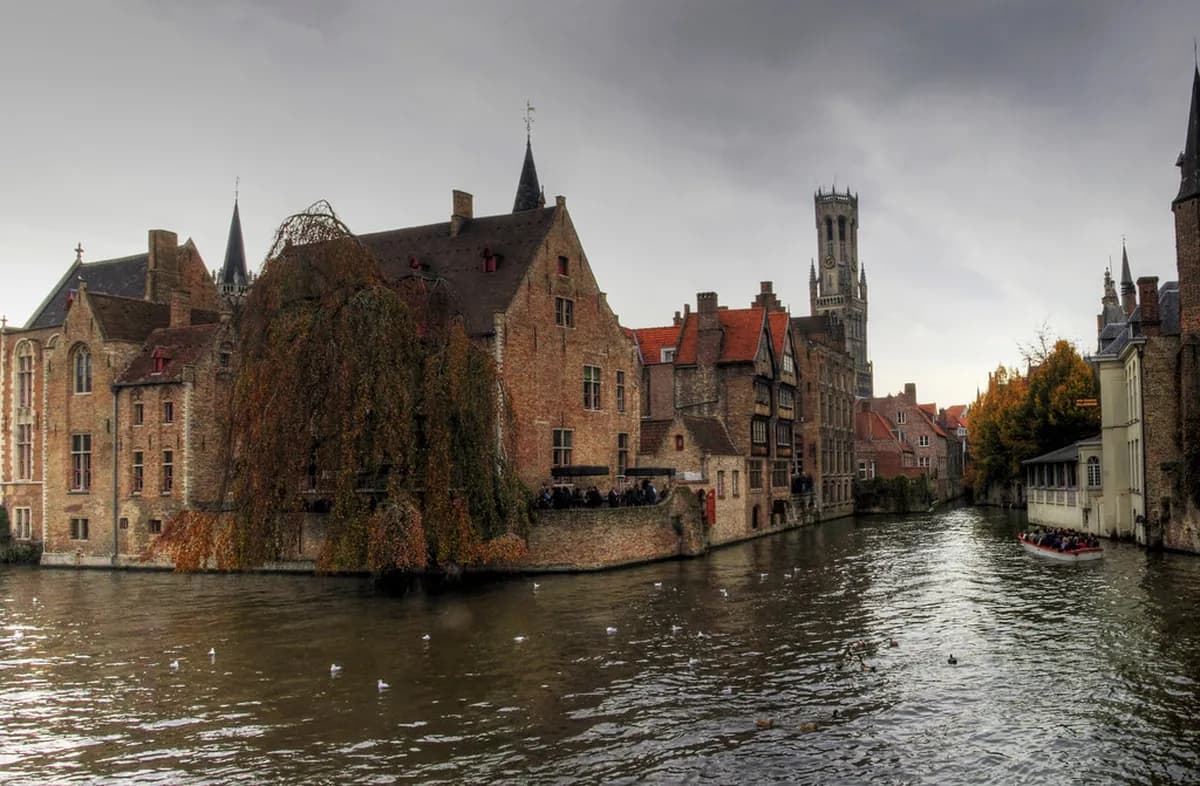
The Belfry of Bruges stands as a majestic symbol of medieval power in the heart of West Flanders. This iconic bell tower dominates the Market Square and draws thousands of curious visitors every year. You must prepare for a physical challenge if you want to reach the very top of this historic structure. Our guide explains how to visit the Belfry of Bruges: tickets and climbing tips for a perfect experience.
Reaching the summit rewards you with panoramic views that stretch across the red-tiled roofs of the city. Many travelers consider this climb one of the best things to do in Bruges during their stay. You will encounter narrow passages and steep stairs that tell the story of a bygone era. Understanding the logistics of tickets and timing is essential for avoiding long waits at the entrance.
Belfry of Bruges – Brief History
The history of the Belfry dates back to the early 13th century when Bruges was a wealthy trading hub. This tower served as a watchtower and a safe place for important municipal charters and records. It represented the independence of the city and the growing power of the local merchant class. You can still feel the weight of this heritage as you stand before the massive stone base.
A devastating fire in 1280 destroyed much of the original wooden structure and many vital documents. The city responded by rebuilding the tower in stone to ensure its survival against future disasters. This resilience turned the Belfry into a lasting landmark that survived multiple conflicts over the centuries. It remains a key part of the UNESCO World Heritage List for its cultural value.
Architectural changes continued throughout the centuries as the city sought to enhance the tower's grandeur. Builders added the distinctive octagonal lantern in the late 15th century to give the tower more height. This addition allowed the bells to be heard more clearly across the surrounding countryside. The tower eventually reached its impressive height of 83 meters through these various stages of construction.
The current neo-Gothic crown was finished in 1822 after a lightning strike damaged the previous spire. This crown gives the tower the unique silhouette that travelers recognize in photographs today. You can see the blend of different styles as you look closely at the masonry and decorative elements. This timeline reflects the changing tastes and technologies of the people who built Bruges.
Climbing the Belfry Tower
Climbing the Belfry is an intense physical experience that requires stamina and a bit of patience. You will need to navigate exactly 366 steps to reach the highest point open to the public. The staircase is narrow and winds upward in a tight spiral that can feel claustrophobic. Many visitors find that taking breaks at the intermediate levels makes the journey much more manageable.
The first major stop on your ascent is the Treasury room where city secrets were once kept. You can see the massive iron doors and heavy chests that protected the city's most valuable documents. This room offers a welcome chance to catch your breath while admiring the thick stone walls. It provides a tangible connection to the administrative history of medieval Bruges.
Further up the tower, you will reach the impressive carillon and the massive clock mechanism. This level allows you to see the intricate gears and bells that have marked time for centuries. The sheer scale of the machinery is a testament to the engineering skills of the past. You might even hear the bells chime while you are standing just a few feet away.
The final observation deck offers the reward for all your hard work on the stairs. You can look out over the Market Square and see the winding canals of the city from above. On clear days, the view extends far beyond the city limits into the flat plains of Flanders. This perspective is essential for any one day in Bruges itinerary that focuses on highlights.
- Level 1: The Treasury Room
- Feature: Medieval iron doors
- History: Stored city charters
- Atmosphere: Cool stone vault
- Climb: First 100 steps
- Level 2: The Clock Mechanism
- Feature: Giant brass gears
- Function: Controls the chime
- View: Interior tower structure
- Climb: Reaching middle height
- Level 3: The Carillon Room
- Feature: 47 bronze bells
- Weight: 27 tons total
- Action: Automatic drum system
- Climb: Final steep section
Ticket Information and Timing
Securing your tickets in advance is the most important tip for a stress-free visit. The tower uses a strict time-slot system to manage the number of people on the narrow stairs. You should book your entry through the Musea Brugge Official Website to guarantee your preferred time. Adult tickets currently cost €15 , but prices can vary for seniors and youth.
The tower operates with a "one-in, one-out" policy to prevent overcrowding at the top. This means that even with a ticket, you might experience a short wait during peak hours. Staff members monitor the flow of visitors to ensure everyone has enough space to move safely. Planning your visit for early morning or late afternoon can help you avoid the busiest crowds.
Checking the weather forecast before booking your slot is a wise move for any traveler. Low clouds or heavy rain can significantly reduce the visibility from the observation deck. You want a clear sky to get the best value for your ticket price and effort. The Visit Bruges Official Website often provides updates on local conditions and closures.
Travelers on a tight budget should consider if the climb fits their spending plan. While the view is iconic, there are several free things to do in Bruges that offer great experiences. You can admire the tower's exterior from the square without spending a single Euro. However, most people find the historical interior and the view well worth the investment.
The Carillon: Music in the Heart of Bruges
The Belfry is famous for its carillon, which consists of 47 melodic bronze bells. These bells weigh about 27 tons in total and create a beautiful soundscape for the city. You can hear the automatic chime every quarter hour throughout the day and night. This musical tradition has been a part of life in Bruges for over 400 years.
Live performances offer a much more dynamic experience than the automatic chimes. A professional carillonneur plays the bells using a special keyboard located high in the tower. You can watch these performances on Wednesdays, Saturdays, and Sundays from 11:00 to 12:00. Hearing the music while standing in the Market Square is a highlight for many visitors.
The mechanism that drives the bells is a marvel of pre-industrial engineering. A massive brass drum with thousands of pins triggers the hammers to strike the bells. This system works like a giant music box to play preset melodies throughout the day. You can see this drum in action during your climb to the top.
Learning about the carillon adds a layer of appreciation to your visit. The bells were once used to signal everything from fires to the start of the work day. Today, they play a mix of traditional Flemish songs and modern compositions. This blend of old and new keeps the tower relevant for the local community and tourists alike.
Bruges Belfry with Kids
Families traveling with children should carefully consider the physical demands of the Belfry. The 366 steps are quite steep and can be difficult for smaller children to navigate. There is no elevator in the tower, so you must be prepared to carry young ones if they get tired. It is generally recommended for children aged six and older who have good stamina.
Strollers are not allowed inside the tower due to the extremely narrow nature of the staircase. You will need to leave your stroller at the designated area near the entrance before you start your climb. Using a baby carrier is a better option for those visiting with infants or toddlers. However, the tight spaces can still make carrying a child quite a workout.
Safety is a priority on the stairs, as visitors are constantly moving in both directions. You should keep your children close and encourage them to use the handrails at all times. The staircase can become crowded, making it difficult to turn around once you have started. Taking slow and steady steps will help everyone stay safe and avoid exhaustion.
The experience lacks the interactive elements or costumes found in other Belgian landmarks. For example, some families might prefer the fairytale atmosphere of nearby castles for a more kid-friendly day. If you are looking for a more relaxed outing, consider checking the best time to visit Bruges 2026 guide for seasonal events. Many local festivals offer activities specifically designed for younger travelers.
Is Bruges Belfry Worth It?
Deciding if the Belfry is worth the climb depends on your physical fitness and interest in views. The panoramic perspective from the top is arguably the best in the entire city. You can see the layout of the medieval streets and the surrounding canals with perfect clarity. For many, this visual reward justifies the €15 ticket and the 366-step effort.
The historical significance of the tower adds another layer of value to the visit. Standing inside a structure that has witnessed centuries of Flemish history is a powerful experience. You get to see the Treasury and the Carillon, which are not accessible from the ground. These internal features provide a deeper understanding of the city's heritage than a simple walk through the square.
Travelers with mobility issues or severe claustrophobia may want to skip the interior climb. The staircase is very tight and there are few places to sit down once you are between levels. If you prefer a more comfortable experience, looking at the tower from a canal boat might be better. You can still enjoy the beauty of the architecture without the physical strain of the ascent.
Ultimately, the Belfry is a "must-see" for those who want the full Bruges experience. It offers a sense of accomplishment that you simply cannot get from other local attractions. You will leave with a better appreciation for the scale and beauty of this medieval masterpiece. Most visitors agree that the view from the top is a highlight of their trip to Belgium.
Explore More with the Bruges Museum Card
The Bruges Musea Card is an excellent investment for travelers planning to visit multiple sites. It costs approximately €33 and remains valid for 72 hours from the first use. This pass includes entry to the Belfry along with several other major museums in the city. You can save a significant amount of money compared to buying individual tickets at each location.
The card pays for itself if you visit the Belfry and at least two other top attractions. For instance, you could combine your tower climb with a visit to the Groeningemuseum and the Sint-Janshospitaal. These sites offer a comprehensive look at the art and social history of the region. You can find more details in our Bruges museum comparison guide to help you choose.
Using the museum card also simplifies your planning by reducing the need for multiple transactions. You can simply show your card at the entrance of each participating site to gain entry. Keep in mind that you still need to book a time slot for the Belfry even with the card. This ensures you have a guaranteed spot during the busiest times of the day.
This pass is particularly useful for those who enjoy taking their time at each location. Since it lasts for three days, you do not have to rush through all the museums at once. You can spread your visits out to maintain your energy for the 366-step climb. It is a practical tool for anyone wanting to maximize their cultural experience in Bruges.
Burg Square in Bruges: History and Local Tips
While the Market Square is the commercial heart of the city, the nearby Burg Square is its administrative soul. This square features a stunning collection of buildings that span several centuries of architectural styles. You can see the Gothic Town Hall and the Renaissance-style Old Civil Registry standing side by side. It offers a quieter and more dignified atmosphere than the bustling market area.
One of the best local tips is to use the "Blind Donkey Alley" as a shortcut between the squares. This narrow passage, known locally as Blinde Ezelstraat, connects the Burg Square directly to the Fish Market. It is a charming walkway that features beautiful golden decorations and historic masonry. Many tourists miss this scenic route because it is tucked away behind the main buildings.
The Burg Square is also home to the Basilica of the Holy Blood, a major pilgrimage site. This church houses a venerated relic that is said to contain the blood of Jesus Christ. You can visit the dark, Romanesque lower chapel or the brightly decorated Gothic upper chapel. It provides a fascinating contrast to the secular power represented by the Belfry tower.
Visiting both squares gives you a complete picture of how medieval Bruges functioned as a society. You can see where the people traded, where they were governed, and where they worshipped. These sites are all within a short walking distance of each other in the compact city center. Exploring these areas is a core part of any tourist attractions in Bruges tour.
Climb the Belfry of Ghent: History, Views, and More
Many travelers compare the Belfry of Bruges with the nearby Belfry of Ghent during their Belgian tour. While both are UNESCO sites, the experience of visiting them is quite different for most people. The Ghent tower is slightly taller and offers a more modern approach to accessibility for its visitors. It serves as a great alternative if you want a view without the extreme physical effort.
The biggest difference is that the Ghent Belfry features an elevator that goes most of the way up. You only need to climb a few steps at the very end to reach the observation level. This makes it a much better choice for travelers with limited mobility or those with small children. You can still enjoy the history and the carillon without the 366-step challenge of Bruges.
Pricing and crowds also vary between these two iconic towers in the Flanders region. Ghent often feels less crowded than Bruges, allowing for a more relaxed and quiet visit. The ticket prices are generally similar, but the value depends on your personal preference for stairs versus elevators. Both towers offer unique insights into the medieval heritage of their respective cities.
If you have the time, visiting both towers allows you to appreciate the subtle differences in Flemish architecture. Ghent's tower is famous for the golden dragon that sits at its peak as a guardian. Bruges offers a more traditional medieval feel with its heavy stone walls and historic Market Square location. Both are essential stops for anyone exploring the broader Belgium travel circuit.
- Ghent Belfry Comparison
- Accessibility: Elevator available
- Step Count: 254 if walking
- Top Feature: Golden Dragon spire
- Vibe: Less crowded than Bruges
You May Also Like: Top Belgium WWII Sites and Beyond
Bruges serves as an excellent base for exploring the significant World War II and World War I sites nearby. The city of Ypres is only a 45-minute drive away and is home to the famous Menin Gate. This memorial honors the thousands of soldiers who lost their lives in the surrounding battlefields. You can witness the moving Last Post ceremony held every evening at 8:00 PM.
Visiting these sites provides a somber but necessary contrast to the fairytale beauty of Bruges. The Flanders Field Museum in Ypres offers a deeply personal look at the impact of the Great War. You can walk through preserved trenches and see the memorials that dot the landscape of West Flanders. It is a powerful way to understand the resilience of the Belgian people throughout history.
For those interested in later history, the region also features several important World War II memorials. You can find bunkers and coastal defenses that were part of the Atlantic Wall during the conflict. These sites offer a different perspective on the strategic importance of the Belgian coast. Many travelers find that a day trip to these locations enriches their overall understanding of the country.
Planning these excursions is easy if you use the local train network or rent a car for the day. The Belgian Rail (SNCB) website provides schedules and ticket options for reaching Ypres and other nearby towns. You can return to the comfort of Bruges in the evening to enjoy a quiet meal by the canals. This balance of history and relaxation makes for a truly memorable Belgian holiday.
Frequently Asked Questions
How many steps are in the Belfry of Bruges?
You must climb exactly 366 steps to reach the top of the Belfry of Bruges. The staircase is narrow and winds in a spiral, which can be physically demanding. Taking breaks at the intermediate levels like the Treasury and Carillon room makes the climb easier for most tourist attractions in Bruges visitors.
Do you need to book tickets for the Bruges Belfry in advance?
Yes, booking tickets in advance is highly recommended because the tower uses a strict time-slot system. You should visit the official Musea Brugge website to secure your entry time. This prevents long waits and ensures you can access the tower during your preferred schedule without any issues.
Is there an elevator in the Belfry of Bruges?
No, there is no elevator in the Belfry of Bruges for public use. Visitors must be able to navigate the 366 steep steps on their own. If you have mobility concerns, you might prefer the Belfry of Ghent, which offers an elevator for most of the ascent to the top.
What is the best time of day to climb the Belfry?
The best time to climb the Belfry is early in the morning right when it opens. This allows you to avoid the largest crowds and the midday heat during the summer months. Late afternoon is also a good option for softer light and beautiful photos of the city below.
Can you see the bells ringing in the Belfry?
Yes, you can see the bells and the automatic drum mechanism during your climb. If you time your visit correctly, you might even hear them chime while you are on the carillon level. Live performances by a carillonneur take place on specific days and are a highlight for many visitors.
Visiting the Belfry of Bruges is a rewarding experience that combines physical effort with stunning historical beauty. The 366-step climb offers a unique perspective on the city and its rich medieval heritage. You will leave with a greater appreciation for the craftsmanship and resilience of this iconic Belgian landmark.
Remember to book your tickets in advance and prepare for the narrow spiral staircase. Exploring the rest of Belgium will reveal even more architectural wonders and historical treasures. Enjoy your journey to the top of the tower and the breathtaking views that await you.