
8 Things to Know Before Visiting Hallgrimskirkja Church and Tower
Hallgrímskirkja stands as a beacon above the Reykjavík skyline with its unique concrete wings. This guide explains how to visit Hallgrimskirkja church and tower for the best experience. You will discover practical tips for navigating the crowds and finding the best views. This landmark is more than just a church; it is a symbol of Icelandic identity.
Travelers from around the world come to admire its basalt-inspired architecture and soaring tower. Planning your visit ahead of time ensures you see the interior without interrupting sacred services. Our comprehensive guide covers everything from ticket prices to the best photography spots. Prepare to see the city from its most famous vantage point.
Essential Visitor Information (Hours, Prices, and Location)
Located at Hallgrímstorg 101, this landmark serves as a primary orientation point for travelers. Entry to the main sanctuary remains free for all visitors during standard hours. You must purchase a ticket to access the observation deck via the elevator. Check the Hallgrímskirkja Official Site for current seasonal opening times.
Ticket sales for the tower usually close about thirty minutes before the church itself shuts. Prices are modest and help maintain the structure for future generations of visitors. You can find the ticket desk located immediately to the left after entering the main doors. Credit cards and mobile payments are widely accepted for all tower admissions.
During the winter months, the church may close earlier to accommodate evening events or choir rehearsals. Always verify the schedule if you plan to visit late in the afternoon. Mentioning the year 2026 is useful as some renovation schedules may impact specific access points. Early morning visits often provide the quietest atmosphere for exploring the sanctuary.
How to Get to Hallgrímskirkja
Walking to the church from the city center offers a scenic approach through colorful streets. Many visitors follow the vibrant Skólavörðustígur, also known as the Rainbow Street, directly to the entrance. Public buses 1, 3, 6, 11, 12, and 14 stop very close to the church grounds. Consider adding this stop to your one day in Reykjavik sightseeing itinerary for easy navigation.
The BSI Bus Terminal is located about a fifteen-minute walk from the church steps. This makes it convenient for travelers arriving from the airport or other parts of Iceland. Taxis can drop you off directly at the plaza if you prefer to avoid the uphill walk. Parking in the immediate area is limited and usually requires a small fee.
Cycling is another great way to reach the hilltop location during the warmer months. Several bike racks are available near the statue of Leifur Eiríksson for your convenience. The walk from the Harpa Concert Hall takes approximately twenty minutes at a leisurely pace. Enjoy the local street art as you make your way toward the spire.
- Public Bus Routes to Hallgrímstorg
- Route 1: Stops at Hlemmur
- Route 3: Connects to Vesturbær
- Route 6: Services the suburbs
- Route 14: Near the harbor
- Walking Distances from Key Points
- BSI Terminal: 15 minutes
- Rainbow Street: 5 minutes
- Harpa Hall: 20 minutes
- Laugavegur: 8 minutes
Climbing the Tower for the Best Views of Reykjavík
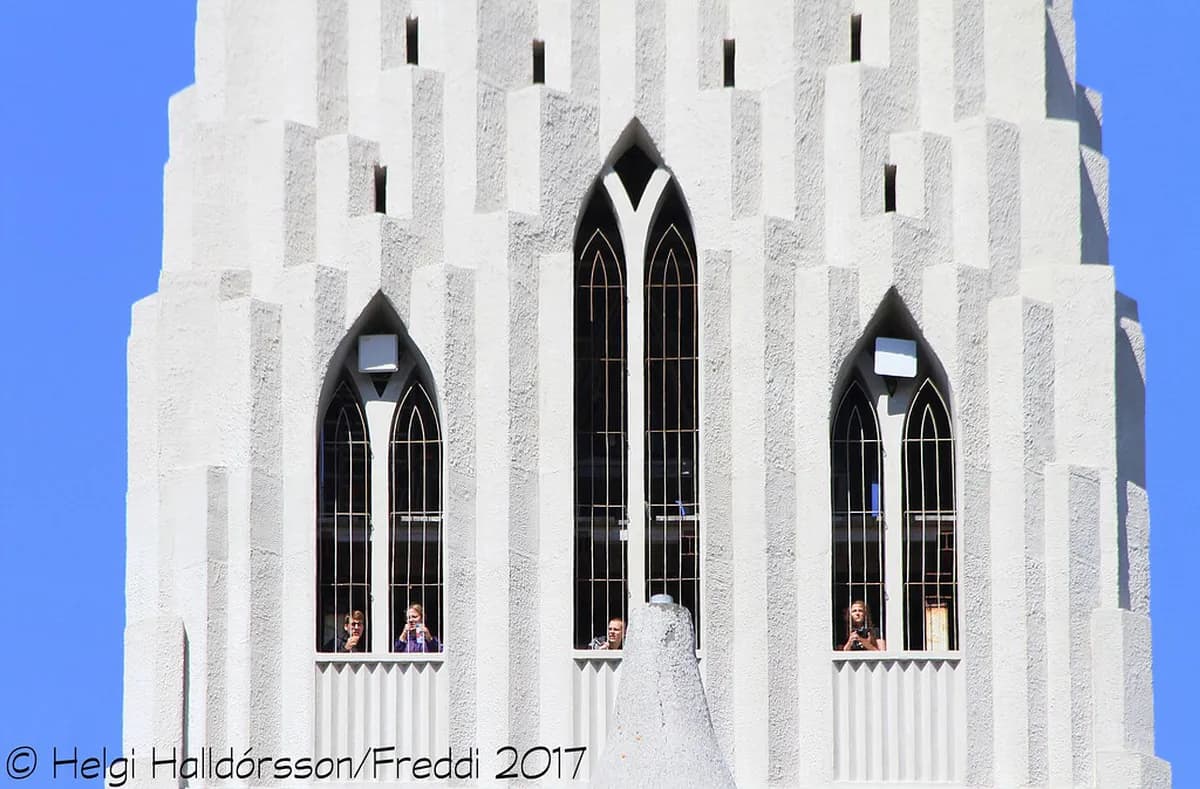
The tower provides a 360-degree panorama of the colorful rooftops and the distant mountains. While an elevator does most of the work, you must climb a final short flight of stairs. This viewpoint is often compared to the Perlan observation deck located further from the center. Hallgrímskirkja offers a more intimate look at the downtown core and the harbor.
Looking out from the arched windows, you can see the Faxaflói Bay sparkling in the sunlight. The view stretches all the way to Mount Esja on clear days. You can use a Reykjavik City Card Official Info for discounts on various other city highlights. Photographers often find the morning light most flattering for capturing the city's unique geometry.
Inside the upper tower, you will find the impressive carillon consisting of 29 bells. These bells chime on the hour and can be heard throughout the downtown area. Accessibility is excellent for the main tower level, though the very top requires some physical mobility. Staff members are usually available to help with any questions regarding the climb.
Architectural Design: Inspired by Iceland’s Basalt Columns
Architect Guðjón Samúelsson designed the exterior to mimic the natural basalt lava flows of Iceland. The staggered concrete columns represent the volcanic landscape found at Svartifoss waterfall. This modernist style creates a striking silhouette that dominates the local skyline. It reflects a deep connection between the island's geology and its spiritual heritage.
Construction began in 1945, but the design was commissioned years earlier in 1937. Samúelsson wanted to create a national style that felt uniquely Icelandic rather than European. The use of unpainted concrete was a bold choice that has aged beautifully in the northern climate. This building remains one of the most famous tourist attractions in Reykjavík for architecture lovers.
Inside the sanctuary, the design shifts to a more traditional Gothic influence with high pointed arches. The white walls and large windows allow natural light to flood the space throughout the day. This contrast between the rugged exterior and the peaceful interior is a hallmark of the design. Many visitors find the simplicity of the nave to be incredibly calming.
The History and Significance of the "People’s Church"
Construction of this "People's Church" began in 1945 and took over four decades to complete. It is named after the famous Icelandic poet and clergyman Hallgrímur Pétursson. Visiting the interior is one of the most popular free things to do in Reykjavik on a budget today. You might even see a free city walking tours group gathering outside the main doors.
The long construction period was largely due to the church being funded by private donations. Local residents contributed what they could to ensure the project reached its final height of 74.5 meters. The tower was finished first in 1974 to celebrate the 1,100th anniversary of the first settlement. The entire nave was finally consecrated in 1986, just in time for the city's bicentennial.
As a Lutheran parish, the church remains a central part of the local community's spiritual life. It hosts weekly services, weddings, and funerals for the people of Reykjavík. The building serves as a venue for numerous cultural events and art exhibitions throughout the year. Its enduring popularity makes it a cornerstone of the nation's cultural heritage.
The Majestic Pipe Organ and Interior Features
The massive Klais pipe organ features 5,275 individual pipes and weighs roughly 25 tonnes. Local parishioners famously funded the instrument by buying specific pipes through a unique donor program. Its mechanical action and powerful sound make it a centerpiece for international organ concerts. This community effort ensures the church remains a living monument for all residents.
The organ was built by the Johannes Klais Orgelbau company in Germany and installed in 1992. It stands 15 meters tall and is capable of filling the entire nave with rich sound. Visitors can often hear the organist practicing during the quiet morning hours. Concerts are held regularly, often featuring world-renowned musicians and local Icelandic talent.
The interior also features a beautiful baptismal font made of Icelandic glass and basalt. This piece was designed by Leifur Breiðfjörð, a famous local artist known for his stained glass. His work can also be seen in the stunning windows above the main altar. Each element of the interior was chosen to reflect the natural beauty of the island.
The Statue of Leifur Eiríksson: A Gift from the United States
The statue of Leifur Eiríksson stands proudly in front of the church entrance. The United States gifted this bronze monument to Iceland in 1930 to mark a major anniversary. It commemorates the 1,000th year of the Althing, which is the oldest parliament in the world. You can learn more about Norse history at the best museums in Reykjavik for Viking history and art nearby.
Sculptor Alexander Stirling Calder created the piece, which depicts the explorer looking out toward the ocean. Leifur Eiríksson is widely believed to be the first European to set foot on North American soil. The statue's placement in front of the church creates a powerful link between faith and exploration. It remains one of the most photographed monuments in all of Iceland.
The pedestal of the statue is made of Swedish granite and features intricate carvings. It survived the long construction of the church behind it without being moved or damaged. Many tour groups use the statue as a meeting point before heading into the sanctuary. It serves as a reminder of the deep historical ties between Iceland and the Americas.
Tips for a Smooth Visit (Crowds and Etiquette)
Peak crowds usually arrive between 4:00 PM and 7:00 PM as people gather for the sunset. Always remain quiet and respectful inside the sanctuary, as it is an active place of worship. Avoid visiting during scheduled Lutheran services unless you intend to join the congregation for prayer. Special events like the National Day of Iceland may affect regular visiting hours.
For the best photography, walk down Skólavörðustígur to capture the spire framed by the colorful buildings. This angle is much more iconic than the close-up shots taken from the plaza itself. Tripods are generally not allowed inside the sanctuary to avoid blocking the paths of other visitors. Please turn off your camera flash to help maintain the peaceful atmosphere of the nave.
If you find the tower queue too long, consider visiting the nearby Sundhöllin pool for a soak. This historic public pool is just a short walk away and offers a local perspective on city life. Returning to the church later in the evening can sometimes reveal a much shorter line for the elevator. Patience is key when visiting such a popular international landmark.
Frequently Asked Questions
Is there an entry fee for Hallgrimskirkja?
Entry to the main church sanctuary is free for all visitors. However, you must purchase a ticket if you want to take the elevator to the top of the tower for the views. Prices are reasonable and support the church's upkeep. Check the Iceland travel guide for more budget tips.
Can you go to the top of the Hallgrimskirkja tower?
Yes, visitors can access the observation deck via an elevator located near the entrance. After the elevator ride, there is a final short flight of stairs to reach the very top. From there, you can enjoy a 360-degree view of the entire city and the surrounding mountains.
How long does it take to visit Hallgrimskirkja?
A typical visit lasts between 45 and 60 minutes if you include the tower climb. If you only wish to see the interior sanctuary and the organ, 20 minutes is usually sufficient. Expect longer times during peak sunset hours when the elevator queue can grow significantly.
What is the best time of day to visit the church?
Early morning is the best time to avoid large tour groups and enjoy a quiet atmosphere. Late afternoon is popular for sunset views, but you should expect longer wait times for the tower. Mid-day visits are great for seeing the natural light through the stained glass windows.
Knowing how to visit Hallgrimskirkja church and tower will make your trip to Reykjavík much more enjoyable. This iconic landmark offers a unique blend of geological inspiration and spiritual history. From the massive organ to the panoramic views, every corner of the building tells a story. Take your time to soak in the atmosphere of this incredible Icelandic monument.
Remember to respect the active nature of the parish while you explore the architecture. Whether you are there for the photography or the peace, the church never fails to impress. We hope this guide helps you plan a memorable visit to the heart of the city. Enjoy your time at the top of the tower looking out over the North Atlantic.