
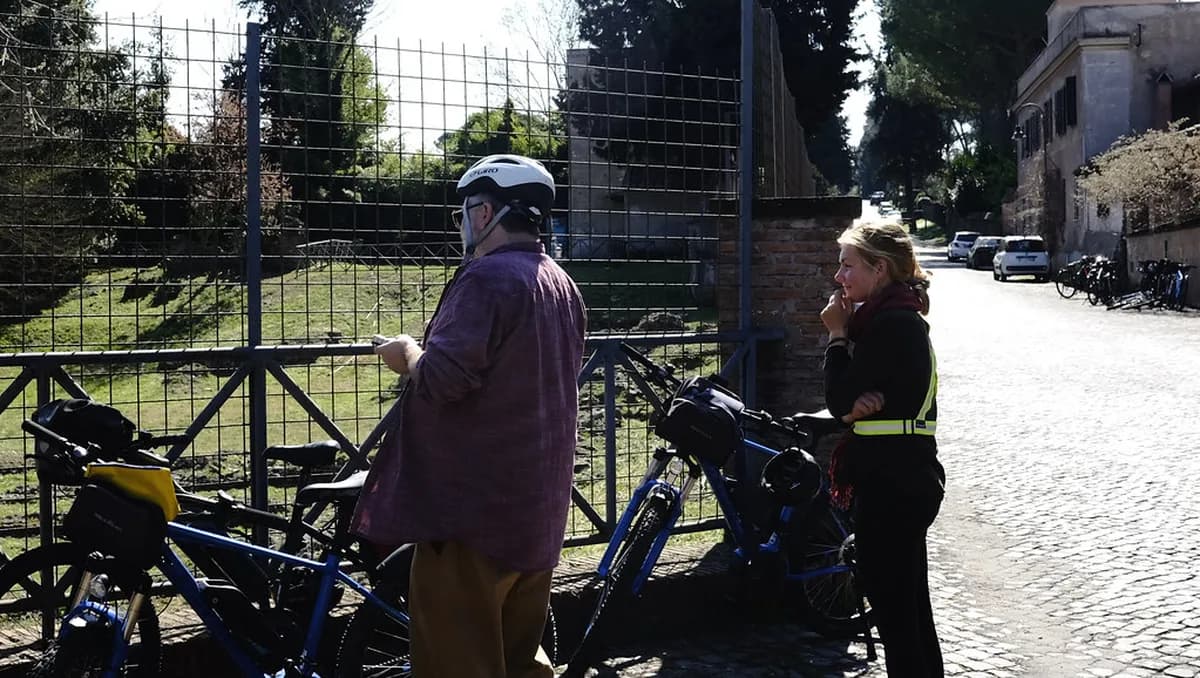
7 Essential Stops for Your Appian Way Bike Tour Itinerary
Rome offers many ways to see history, but few are as immersive as a cycling trip. The Appian Way bike tour itinerary: Catacombs and ancient ruins takes you through 2,300 years of Roman life. You will trade busy city streets for the quiet, pine-lined paths of the ancient countryside. This journey follows the original 'Queen of Roads' into the heart of the Appia Antica Regional Park.
Most visitors focus on the Colosseum, yet the Appian Way provides a deeper look at Roman engineering. Planning this trip requires understanding the mix of technical terrain and historic landmarks. A well-structured 3-day Rome sightseeing itinerary often includes this route as a highlight. This guide covers everything from e-bike selection to the best underground burial sites.
The Historical Significance of the Appian Way and Catacombs
The Appian Way, or Via Appia Antica, was the first and most important road of the Roman Republic. Construction began in 312 BC under Appius Claudius Caecus to connect Rome to Brindisi. This massive project allowed the Roman military to move troops and supplies with speed. Today, the road remains a marvel of ancient engineering and durability.
Early Christians used the soft volcanic tufa rock to create vast underground cemeteries. These catacombs served as burial grounds when space within the city walls became scarce. Cycling this route allows you to see how the city expanded over the centuries. The path creates a physical timeline of the transition from Pagan to Christian Rome.
Preservation efforts have kept large sections of the original basalt stones intact. These large, flat stones were designed to withstand heavy chariots and marching legions. While they are beautiful, they present a unique challenge for modern cyclists. Understanding this history helps you appreciate every bump along the 27km route.
The Appia Antica Regional Park now protects this area from modern development. This green lung of Rome offers a peaceful escape from the crowded city center. Most tours start near the city walls and venture into the rural landscape. You will see ancient tombs and grazing sheep within a single afternoon.
Essential Stops: From Porta San Sebastiano to the Tomb of Cecilia Metella
Your journey begins at Porta San Sebastiano, the largest gate in the Aurelian Walls. This massive structure once served as the primary entrance for travelers from the south. Take a moment to admire the defensive towers and the nearby Arch of Drusus. This area marks the transition from the modern city to the ancient park.
As you pedal further, you will encounter the ruins of the Circus of Maxentius. This ancient stadium was built for chariot racing and held 10,000 spectators. It remains one of the best-preserved circuses in the city of Rome. Exploring the grassy track offers a sense of the scale of Roman entertainment.
The Tomb of Cecilia Metella stands as a landmark fortress on the road. This massive cylindrical tomb was built for a wealthy Roman noblewoman. In the middle ages, it was transformed into a castle to collect road tolls. It serves as a perfect turnaround point for shorter cycling trips.
Navigating this section requires focus as you leave the city center behind. While the park is largely car-free on Sundays, weekday riders face some traffic. If you visit the city first, learn how to buy Colosseum tickets to save time. Combining these sites makes for a complete historical day.
- Porta San Sebastiano
- Type: Ancient Gate
- Best for: Photos
- Where: Start of route
- Cost: Free outside
- Circus of Maxentius
- Type: Chariot Track
- Best for: Ruin views
- Where: Mile 2
- Cost: Free entry
- Tomb of Cecilia Metella
- Type: Mausoleum
- Best for: Architecture
- Where: Mile 3
- Cost: Small fee
Descending into the Underground: Catacombs of St. Callixtus or St. Sebastian
A visit to the catacombs is a core part of any Appian Way itinerary. The Catacombs of St. Callixtus are the most famous, housing several early popes.
These tunnels stretch for nearly 20 kilometers across four different levels. Guided tours are mandatory and provide context for the ancient symbols.
Alternatively, the Catacombs of St. Sebastian offer a more intimate experience. This site was once a temporary resting place for Peter and Paul.
You can see ancient graffiti left by early pilgrims honoring the saints. The adjacent basilica is also worth a quick visit for its interior.
Temperatures inside the catacombs remain a constant 13°C throughout the year. This can feel like a shock after cycling under the hot sun. Most tours last about 45 minutes, so bring a light layer to wear. Check the Appia Antica Start Point to plan your arrival.
Booking your tour in advance is recommended during the peak summer months. Many bike tours include the entrance fee and a pre-booked time slot. If you are riding solo, check for closing days as they vary. This stop provides a somber contrast to the sunny path above.
Cycling the Roman Countryside: Aqueducts Park and Caffarella Valley
Leaving the cobblestones behind, the route opens into the sprawling Aqueducts Park. This area features the towering remains of the Aqua Claudia and Aqua Felix. These massive stone arches once carried fresh water into the city center. Seeing them against the countryside backdrop is an unforgettable sight.
The Caffarella Valley offers a more natural terrain for adventurous cyclists. This valley is home to working farms and the Ninfeo di Egeria. It feels worlds away from the urban chaos of modern Rome. Many riders enjoy the dirt tracks that allow for faster speeds.
Heat can be a major factor when cycling this park in summer. There is very little shade near the aqueducts, making afternoon rides intense. Plan to reach this area in the morning to avoid the sun. Always carry more water than you think you will need here.
Local wildlife, including sheep and birds, are common sights in the valley. The park serves as a vital ecological corridor for the region. Respect the natural environment and stay on the designated paths. This part of the tour highlights the rural beauty of the area.
Choosing Your Ride: E-Bikes vs. Manual Mountain Bikes
The terrain consists of roughly 60% off-road paths and ancient stones. This 'Basalt Challenge' involves navigating uneven, original Roman paving. Choosing the right equipment is vital for your comfort and safety. Most rental shops recommend mountain bikes with high-quality suspension.
E-bikes have become the popular choice for travelers of all levels. Modern systems from Bosch or Cannondale provide the power for hills. Mid-drive motors are useful for maintaining balance on irregular stones. Check options at TopBike Rental & Tours before you arrive.
Manual mountain bikes are a great option for a physical workout. The 27km distance is manageable without electric assistance for active riders. Be prepared for the extra effort required on the cobblestones. The vibration can be tiring for your body over several hours.
Safety is a priority when traveling with children in seats. The uneven ground can make child seats feel unstable on ancient stones. Some operators upgrade the difficulty when a child seat is attached. Discuss your family's needs with the rental shop for safety.
Practical Tour Logistics: Duration, Difficulty, and What to Pack
When planning your day, you must choose between different tour durations. A 4-hour express tour covers the main road but skips the catacombs. The 6-hour full experience allows for a guided tour and lunch. See specific timing details at The Roman Guy to decide.
Safety in traffic is a concern on the city street sections. Most guided groups follow a strict protocol to leave the city center. They use backstreets and bike lanes to avoid heavy congestion. If you are riding solo, stay alert and follow traffic laws.
Packing correctly will make your ride much more enjoyable. Wear comfortable athletic clothing and closed-toe shoes for better grip. A small backpack is useful for carrying snacks and your catacomb layer. For more tips, consult the best time to visit Rome guide.
Hydration is key, so use the public water fountains along the route. These 'nasoni' provide cold, drinkable water for free in the park. Many tours include a stop for a traditional Italian lunch. This break is a perfect time to rest your legs.
- Clothing and Gear
- Shoes: Closed-toe sneakers
- Layers: Light jacket
- Protection: Helmet (provided)
- Storage: Small backpack
- Health and Safety
- Hydration: Refillable bottle
- Sun: High-SPF sunscreen
- Energy: Light snacks
- Safety: Group leader instructions
Frequently Asked Questions
What can you expect on an Appian Way bike tour?
Expect a mix of ancient history and natural beauty across a 27km route. You will navigate original Roman cobblestones, visit underground catacombs, and see massive ancient aqueducts. The terrain is roughly 60% off-road, providing a peaceful escape from the city center bustle.
How long is the Appian Way bike tour?
Most tours last between 4 and 6 hours depending on the chosen itinerary. The 4-hour version is an express ride through the highlights. The 6-hour version includes a guided visit to the catacombs and a lunch break at a local restaurant.
Are e-bikes necessary for the Appian Way?
While not strictly necessary, e-bikes are highly recommended for most travelers. They help navigate the uneven basalt stones and the occasional hills in the countryside. E-bikes make the 27km distance accessible for people of various fitness levels without exhaustion.
Can children join the Catacombs bike tour?
Yes, children can join, but parents should be aware of the bumpy terrain. Many shops offer child seats or trailers for younger kids. However, the uneven ancient stones can make the ride challenging for those in a child seat. Find more tourist attractions in Rome suitable for families.
What happens if it rains during the tour?
Most tour operators will provide rain ponchos for light showers and continue the ride. In cases of heavy or dangerous weather, tours are usually rescheduled or canceled for safety. The ancient stones can become quite slippery when wet, so extra caution is required.
An Appian Way bike tour offers a unique perspective on the history of Rome. You will see the city’s evolution from military powerhouse to a center of early Christianity. The combination of ancient ruins and scenic countryside creates a memorable day trip. Cycling the 'Queen of Roads' is an adventure every history lover should experience.
Preparation is the key to enjoying the 27km route and the basalt stones. Choosing an e-bike ensures you have the energy to explore every stop. Remember to pack a light layer for the cool catacombs and stay hydrated. Rome's ancient past is waiting for you just beyond the city walls.