
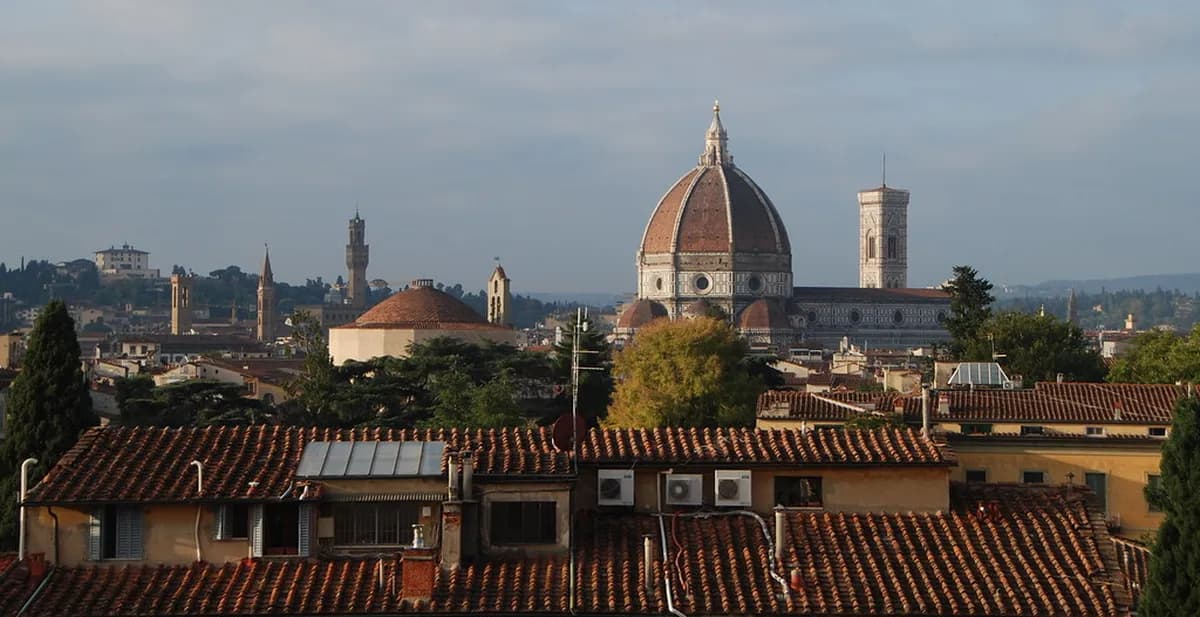
Top Tourist Attractions in Florence Italy
Most visitors to Florence make the same mistake: they queue for two hours at the Uffizi on day one, feel overwhelmed, and miss half the city. Florence rewards planning, and a little advance research goes a long way. This guide covers the top tourist attractions in Florence with visit times, costs, and booking guidance — so you can spend less time waiting and more time exploring.
Florence is one of the world's great Renaissance cities, packed into a remarkably walkable historic centre. The city's UNESCO World Heritage listing reflects a density of art and architecture found almost nowhere else on earth. Whether you have two days or two weeks, knowing which attractions to prioritise — and which to book in advance — makes all the difference. Use our 3-day Florence itinerary to pair this guide with a ready-made day-by-day plan.
Uffizi Gallery
The Uffizi is non-negotiable for first-time visitors to Florence. Its collection spans Botticelli's Birth of Venus , Leonardo's Annunciation , and Michelangelo's Doni Tondo — all under one roof. Allow at least two to three hours; rushing the Uffizi means missing the rooms that matter most. Book tickets well in advance, especially between April and October when same-day entry is rarely possible.
Inside, start on the second floor where the Botticelli rooms draw the biggest crowds early in the day. Arrive at opening time (8:15 am) to move through those rooms before tour groups arrive around 9:30 am. The Leonardo and Raphael rooms on the same floor deserve at least 20 minutes each. If time is short, skip the ground-floor modern art rooms and focus entirely on the Renaissance collections upstairs.
Tickets currently cost around €20–25, plus a €4 booking fee for advance reservations. That booking fee is money well spent — walk-up queues in peak season regularly exceed 90 minutes. Check Uffizi Gallery tickets and availability at least 48 hours before your visit. A guided tour adds helpful context to the dense collection, especially for first-time visitors.
- Uffizi Gallery — Quick Facts
- Visit time: 2–3 hours minimum
- Cost: ~€20–25 + €4 booking fee
- Booking: essential, 48 h+ ahead
- Best time: opening hour (8:15 am)
- Tip: skip ground floor if time is short
Ponte Vecchio
Ponte Vecchio — the Old Bridge — is the oldest surviving bridge in Florence, dating to 1345. It's the only bridge the retreating German army chose not to destroy in 1944, reportedly on direct orders from Hitler himself. Walking across it is free and takes only a few minutes, but the experience is far richer with some context. The bridge spans the Arno River at its narrowest point in the city centre, connecting the Uffizi side to the Oltrarno neighbourhood.
The iconic shops lining the bridge have sold jewellery since the 16th century, when the Medici banned butchers and fishmongers from trading there. Above the shops runs the Vasari Corridor, a private elevated passageway built in 1565 so the Medici could move between the Palazzo Vecchio and Pitti Palace unseen. The corridor holds a remarkable collection of self-portraits but requires a separate timed-entry booking. Many visitors skip it, which makes it worth prioritising if you enjoy discovering hidden layers of the city.
The best time to photograph Ponte Vecchio is between 6:30 and 8:00 am, before tour groups and day-trippers arrive. Evening light on the bridge is also beautiful, particularly in late spring when the Arno reflects a warm golden glow. For a different angle, walk to the Ponte Santa Trinita a few hundred metres downstream — that's where the classic Ponte Vecchio postcard shot comes from. No booking is needed; simply walk across at any time of day.
- Ponte Vecchio — Quick Facts
- Visit time: 15–30 min on the bridge
- Cost: free to cross
- Booking: not required
- Best photo time: before 8:00 am
- Tip: shoot from Ponte Santa Trinita
Piazza della Signoria
Piazza della Signoria is Florence's civic heart and one of Europe's most impressive open-air sculpture spaces. The Loggia dei Lanzi, an open-sided arcade on the south side of the square, displays Renaissance and ancient sculptures entirely free of charge. Cellini's bronze Perseus with the Head of Medusa and Giambologna's Rape of the Sabine Women stand here with almost no queue. Allow 15 to 20 minutes to move through the Loggia at a comfortable pace.
The square is also home to a replica of Michelangelo's David , standing in its original intended location outside the Palazzo Vecchio entrance. Palazzo Vecchio itself is a working town hall that also functions as a museum — entry costs around €12–14 for the interior. The tower offers excellent views over the historic centre, and the interior frescoes by Vasari are genuinely impressive. Combined with the Uffizi next door, the piazza area can absorb a full morning or afternoon.
Arrive before 9:00 am to experience the square at its calmest, before the tour group circuit begins. The fountain of Neptune at the north end of the piazza marks the spot where the Dominican friar Savonarola was burned in 1498 — a small bronze disc in the paving marks the exact location. Details like that make this square far more interesting than it first appears. No ticket is needed to walk the piazza or visit the Loggia dei Lanzi.
- Piazza della Signoria — Quick Facts
- Visit time: 20–30 min (piazza + Loggia)
- Cost: free (Loggia dei Lanzi)
- Palazzo Vecchio entry: ~€12–14
- Booking: not required for piazza
- Tip: arrive before 9:00 am
Santa Croce Church
Santa Croce is Florence's Franciscan basilica and the burial place of some of the greatest figures in Italian history. Michelangelo, Galileo, Machiavelli, and Rossini all have tombs or cenotaphs here, making it feel more like a hall of fame than a church. The Gothic interior also contains Giotto's frescoes in the Bardi and Peruzzi chapels — some of the most important pre-Renaissance paintings in existence. Entry costs around €8–10, and the ticket includes access to the adjoining museum and cloisters.
One highlight that competitors consistently underplay is the Taddeo Gaddi refectory fresco The Last Supper , located just off the main cloister. It is one of at least six Last Supper frescoes scattered across Florence, and Santa Croce's version dates to around 1333. For a full picture of where to find these remarkable works, our guide to Last Supper paintings in Florence maps all six sites by neighbourhood. Allow 60 to 90 minutes to explore the church, museum, and cloisters without rushing.
The piazza in front of Santa Croce is one of Florence's most welcoming open spaces, ringed with café terraces and often used for markets and events. It is slightly off the main tourist circuit, which keeps it calmer than Piazza della Signoria on busy mornings. A leather market operates in the cloisters most days, making it a practical spot to browse after your visit. The church is about a 12-minute walk from the Uffizi, easy to combine on the same morning.
- Santa Croce Church — Quick Facts
- Visit time: 60–90 min
- Cost: ~€8–10
- Booking: walk-in usually fine
- Highlights: tombs, Giotto frescoes, Last Supper
- Tip: check the refectory Last Supper
Florence Attractions Map
Florence's top attractions cluster into four main neighbourhoods, making it easy to group sights and reduce walking time between them. Understanding the city's geography before you arrive helps you plan a logical route rather than zigzagging across the river multiple times. The historic centre is compact enough to walk most of it, but smart grouping saves at least an hour a day. Below is a practical breakdown of the main attraction clusters.
The Historic Centre (Piazza della Repubblica area) holds the Uffizi, Piazza della Signoria, Ponte Vecchio, and Loggia dei Lanzi — plan a full day here. A short walk north leads to the San Giovanni / Duomo cluster, covering the Duomo complex, the Accademia, and the Bargello museum. The San Lorenzo area, just northwest of the Duomo, is home to the Basilica di San Lorenzo, the Medici Chapels, and the central market. Across the river, the Oltrarno neighbourhood covers Pitti Palace, Boboli Gardens, and Piazza Santo Spirito.
Beyond the city, the Medici Villas at Petraia and Castello sit just 20 minutes northwest by bus and are free to enter. Both villas are rarely crowded, making them an ideal half-day escape from the centre. Bus 28 from Santa Maria Novella station drops you within easy walking distance of both properties. Pairing the two villas in a single afternoon is one of the most rewarding — and budget-friendly — excursions available.
- Florence Neighbourhood Clusters
- Historic Centre: Uffizi, Piazza della Signoria, Ponte Vecchio
- Duomo / San Giovanni: Duomo, Accademia, Bargello
- San Lorenzo: Medici Chapels, central market
- Oltrarno: Pitti Palace, Boboli Gardens, Santo Spirito
- Day-trip: Medici Villas at Petraia and Castello (free)
Santa Maria del Fiore and the Duomo Complex
Santa Maria del Fiore — Florence's cathedral — is one of the most recognisable buildings in the world, yet most visitors don't realise it involves four separate ticketed sites. The full Duomo pass (~€30) covers the Cathedral interior, Brunelleschi's Dome, the Giotto Bell Tower, the Baptistery, and the Crypt. Each component requires a timed-entry slot, so booking online well in advance is essential, particularly for the dome. Read our dedicated guide on how to visit Santa Maria del Fiore for a full breakdown of the booking process.
The dome climb is 463 steps with no lift — it's spectacular but physically demanding, and the staircase narrows significantly near the top. Active visitors who make the climb are rewarded with a panoramic view over the entire city and a close-up look at Vasari's interior fresco from the gallery halfway up. If the dome feels too intense, the Giotto Bell Tower offers equally impressive open views for the same price (~€15 with the pass) and is often less crowded. The Bell Tower climb involves 414 steps but feels more open throughout.
The Cathedral interior itself is free to enter without a pass, though queues form quickly after 9:00 am. The Baptistery's golden mosaic ceiling is one of the most extraordinary medieval art works in Italy and deserves at least 20 minutes on its own. If time is genuinely short, prioritise the Dome climb and the Baptistery — and skip the Crypt, which is the least distinctive of the five components. Book the Duomo complex online to avoid same-day queues, which regularly exceed an hour at peak times.
- Duomo Complex — Component Guide
- Full pass cost: ~€30
- Dome: 463 steps, no lift; book timed slot
- Bell Tower: 414 steps; open views, fewer crowds
- Baptistery: golden mosaic ceiling; 20–30 min
- Crypt: skip if time is short
- Booking: essential — walk-ups sold out fast
Galleria dell'Accademia
Most visitors come to the Accademia for one thing: Michelangelo's David . The statue is extraordinary in person — at 5.17 metres tall, it commands the entire Tribune room in a way that photographs simply cannot capture. But limiting your visit to just David means missing some of Michelangelo's most compelling work. Allow 90 minutes to explore the full gallery comfortably.
The Prisoners (also called the Slaves) are four unfinished marble sculptures that line the corridor leading to David . Michelangelo left them deliberately incomplete, and the effect — figures appearing to strain free from raw stone — is visually arresting. Many visitors walk past them quickly in their rush toward the Tribune, which is a genuine missed opportunity. Pause here for at least ten minutes; these works reveal more about Michelangelo's process than almost anything else in Florence.
Beyond the Michelangelo rooms, the Accademia houses an undervisited collection of historical musical instruments from the Medici court. Early keyboards, lutes, and a Stradivari violin are displayed with good English-language information panels. Avoid Tuesday afternoons when school groups tend to peak inside the gallery — mornings on any weekday are far calmer. Book tickets at least 48 hours ahead through Accademia Gallery tickets; on-the-day availability in peak season is nearly impossible.
- Galleria dell'Accademia — Quick Facts
- Visit time: 90 min recommended
- Cost: €12–16 + booking fee
- Booking: essential, 48 h+ ahead
- Best time: weekday mornings
- Avoid: Tuesday afternoons (school groups)
- Tip: spend time with the Prisoners corridor
Basilica di San Lorenzo and the Medici Chapels
The Basilica di San Lorenzo was the Medici family's parish church, and it remains one of the most architecturally significant Renaissance buildings in Florence. Brunelleschi designed the elegant interior, which feels deliberately understated compared to the ornate exterior the Medici could never quite agree on funding. Combined with the adjacent Medici Chapels, this complex tells the story of the family who financed the Renaissance more clearly than anywhere else in the city. The Chapels include the opulent Princes' Chapel and Michelangelo's New Sacristy, where his sculptures of Dawn , Dusk , Night , and Day stand over the Medici tombs.
Entry to the Medici Chapels costs around €9 and queues are typically far shorter than at the Uffizi or Accademia. The New Sacristy alone justifies the visit — Michelangelo designed both the architecture and the sculptures, creating a unified artistic environment unlike anything else he produced. Many visitors arrive expecting something modest and leave genuinely stunned. Allow 60 to 90 minutes for the full chapel complex.
Adjacent to the basilica, the Laurentian Library (Biblioteca Medicea Laurenziana) requires a separate ticket of around €3. Michelangelo designed the dramatic vestibule staircase — an architectural experiment that influenced Mannerist design across Europe. The library is frequently overlooked because it isn't prominently signposted from the main basilica entrance. Ask staff at the basilica ticket desk for directions, as the entrance is set back from the main piazza.
- San Lorenzo Complex — Quick Facts
- Medici Chapels entry: ~€9
- Laurentian Library: ~€3 (separate ticket)
- Visit time: 60–90 min total
- Queues: low compared to Uffizi/Accademia
- Best for: history and architecture lovers
- Tip: ask staff for Laurentian Library entrance
Piazza Santo Spirito and the Oltrarno
The Oltrarno — the neighbourhood on the south bank of the Arno — has a completely different character from the tourist-heavy historic centre. Piazza Santo Spirito is its anchor: a shaded square surrounded by working-class bars, a weekday morning market, and the quiet grandeur of Brunelleschi's Basilica di Santo Spirito. Arriving before 10:00 am gives you the square almost to yourself, with local residents at café tables and market vendors setting up their stalls. After 6:00 pm, the aperitivo scene takes over, making it one of the most enjoyable spots in the city to wind down an evening.
Inside Santo Spirito, the refectory holds a Last Supper fresco attributed to Andrea Orcagna — free to enter, with a small donation expected at the door. It's one of six Last Supper frescoes in Florence and arguably the most accessible, requiring no advance booking and no ticket. Art-focused travellers who have already done the Uffizi and Accademia will find this a genuinely rewarding addition to their list. The entire visit takes around 20 minutes, making it easy to fold into an Oltrarno afternoon.
The Oltrarno also gives access to the Boboli and Bardini Gardens, which offer a welcome escape from the city's stone streets. Boboli costs around €10, is hilly and formal, and connects directly to Pitti Palace. Bardini is equally priced, quieter, and offers a panoramic café terrace with views toward the city skyline. Our guide to the best Florence gardens to visit compares both — along with the free and family-friendly Cascine Park — in detail.
- Piazza Santo Spirito — Quick Facts
- Visit time: 20–30 min (basilica + refectory)
- Last Supper fresco: free (donation welcome)
- Best time: before 10 am or after 6 pm
- Booking: not required
- Tip: combine with Boboli or Bardini Gardens
How to Book Museum Tickets in Florence
Florence's museums divide into two clear groups: those that require advance booking and those that are genuinely walk-in friendly. Getting this wrong — especially at the Uffizi or Accademia — can cost you hours of your trip. The decision matrix below takes the guesswork out of planning, whether you're a spontaneous traveller or a meticulous planner. Full details and up-to-date booking links are available in our dedicated guide on how to book museum tickets in Florence.
State museums — including the Uffizi, Accademia, and Bargello — offer free entry on the first Sunday of each month. This sounds appealing but comes with a catch: those Sundays are the busiest days of the month by a significant margin. Unless you're on a very tight budget, the €4–5 booking fee for a quieter weekday slot is worth every cent. Families with children under 18 from EU countries enter state museums free year-round, which changes the budget calculation considerably.
The Firenze Card covers 72 hours of entry to over 70 museums and includes skip-the-line priority for major sites. It costs around €85 per adult and works well for visitors who plan to hit multiple paid attractions in three days. For a lighter itinerary — say, three or four paid sites — buying individual tickets with advance booking slots is typically more cost-effective. Check the Florence Pass as an alternative option that bundles specific attractions including Boboli Gardens.
- Book Ahead: Must-Reserve Attractions
- Uffizi Gallery: book 48 h+ in advance
- Galleria dell'Accademia: book 48 h+ in advance
- Duomo Dome climb: timed slot required
- Vasari Corridor: very limited slots, book early
- Walk-In Friendly Attractions
- Bargello Museum: short queues most days
- San Miniato al Monte: free, no booking
- Santa Croce: walk-in usually possible
- Loggia dei Lanzi: always open, always free
- Free Days and Discounts
- First Sunday of month: state museums free
- EU under-18s: free at state museums year-round
- Firenze Card: ~€85 / 72-hour multi-site pass
- Florence Pass: bundles select sites + Boboli
Florence's top tourist attractions reward visitors who arrive with a plan — and a little patience for the booking process. The Uffizi, Accademia, and Duomo complex all require advance reservations, so sort those first before finalising anything else. Leave room in your schedule for slower discoveries: a refectory Last Supper, a quiet morning in the Oltrarno, or an afternoon at the free Medici Villas.
The city's walkable layout means you can move between major sights without much effort, but grouping by neighbourhood saves time and energy. Even a single well-planned day in Florence can cover multiple iconic landmarks alongside a few hidden gems. Start planning your route with the 3-day Florence itinerary to put everything in this guide into a practical day-by-day order.