
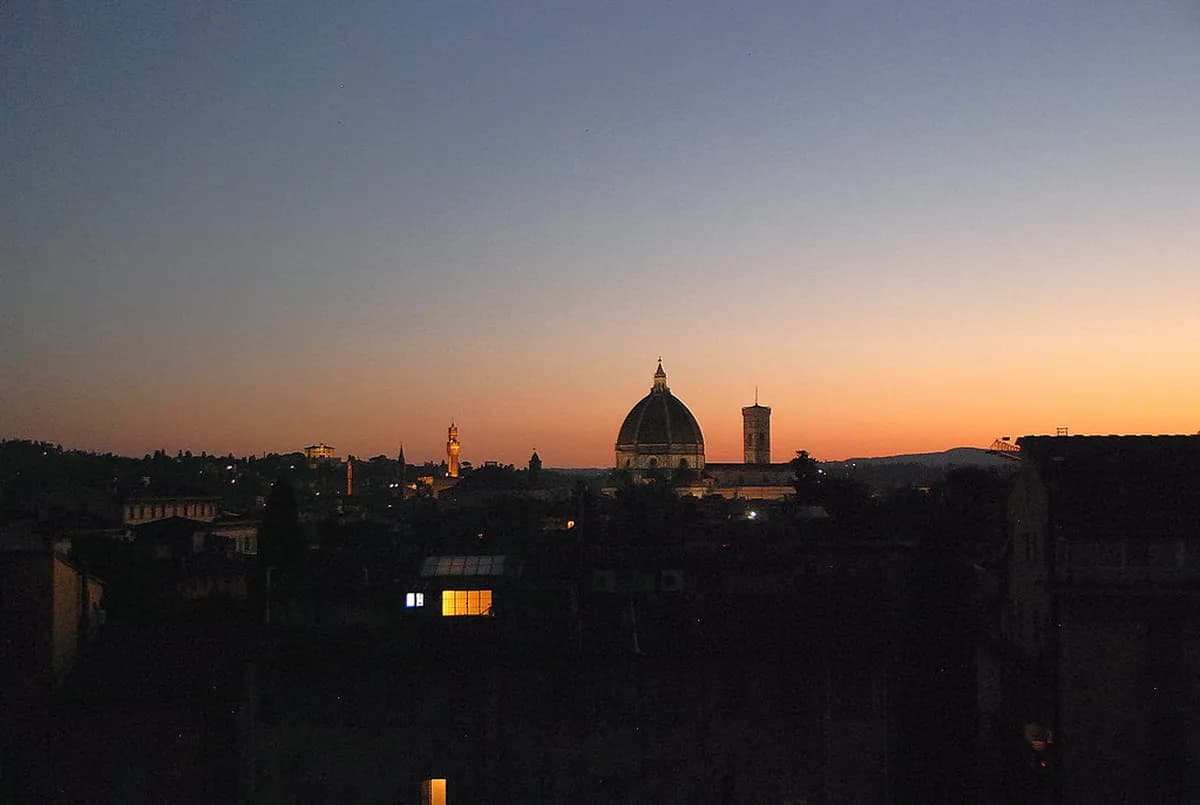
How To Visit Santa Maria Del Fiore Florence
The Cathedral of Santa Maria del Fiore is the beating heart of Florence, visible from nearly every rooftop in the city. Its terracotta dome dominates the skyline and draws millions of visitors every year to Piazza del Duomo. Knowing how to visit Santa Maria del Fiore Florence well before you arrive makes a real difference to your day. This guide covers every part of the complex, from tickets and timing to nearby stops worth adding to your itinerary.
About the Cathedral of Santa Maria del Fiore
Construction began in 1296 under Arnolfo di Cambio, replacing an older church called Santa Reparata. The project took nearly 150 years to complete, with the iconic dome added in the 1400s by Filippo Brunelleschi. The Gothic exterior is clad in green, white, and pink marble from Tuscany, giving the facade its distinctive look. Inside, the nave stretches 153 metres long and feels surprisingly austere compared to the ornate exterior.
Entry to the cathedral nave is free, which surprises many first-time visitors expecting a ticket queue. However, free entry does not include the dome climb, the bell tower, the crypt, or the museum. All five paid attractions are bundled into the single Duomo Pass, which saves both money and time. Florence is a city packed with world-class sights, and the Duomo complex alone can fill a half-day easily.
Beneath the cathedral floor lies the Crypt of Santa Reparata, the original 4th-century church discovered during excavations. Brunelleschi's tomb is also located down there, a fitting resting place for the man who shaped the skyline. The crypt is included in the Duomo Pass and takes about 20 minutes to explore at a relaxed pace. It is one of the least-visited parts of the complex, so crowds here are usually thin even in high season.
About Brunelleschi's Dome
Brunelleschi's Dome, completed in 1436, was the largest masonry dome in the world at the time of its construction. The engineering challenge was immense — no scaffolding system existed that could span the octagonal drum below. Brunelleschi invented new hoisting machines and a double-shell brick technique to make the project possible. That ingenuity earned the dome its place as a landmark of Renaissance architecture and human ambition.
Climbing the dome means tackling 463 narrow steps with no elevator, so comfortable shoes matter. The ascent winds between the two shells of the dome, past Vasari's fresco of the Last Judgment painted on the interior. At the top, the panoramic view over Florence's terracotta rooftops is genuinely breathtaking and worth every step. Allow at least 45 minutes for the full climb and descent, longer if you plan to linger at the summit.
Timed-entry tickets for the dome sell out days or weeks in advance during peak months. Book online as early as possible to secure your preferred slot and avoid disappointment on arrival. Early morning slots, particularly those before 9:30 AM, tend to offer the calmest experience with the fewest crowds. If you want a guided experience, skip-the-line Duomo tours bundle dome access with expert commentary on Brunelleschi's methods.
Giotto's Bell Tower and the Baptistery
Giotto's Bell Tower, or Campanile, stands 84 metres tall beside the cathedral and offers a distinct vantage point. The 414-step climb is slightly easier than the dome and delivers an unobstructed view of Brunelleschi's masterpiece itself. That dome-framed perspective is something you cannot get from the dome's own summit, making it a compelling alternative. Serious photographers and architecture lovers often rate the bell tower view as the better of the two.
The Baptistery of St John sits directly across from the cathedral and predates it by several centuries. Lorenzo Ghiberti's gilded bronze doors, known as the Gates of Paradise, are among the finest examples of Renaissance sculpture. The originals are now housed in the Opera del Duomo Museum, while high-quality replicas stand in place on the building. Inside, the 13th-century Byzantine mosaic ceiling covers the entire dome interior with vivid gold and jewel-toned scenes.
Opera del Duomo Museum: Most Underrated Stop
The Museo dell'Opera del Duomo is consistently overlooked by visitors rushing between the dome and the bell tower. Yet it houses the original sculptures, bronze doors, and altar pieces removed from the complex over the centuries. Ghiberti's original Gates of Paradise panels are displayed here at eye level, which is far more rewarding than squinting at the replicas outside. Michelangelo's unfinished Pieta, which he reportedly intended for his own tomb, is also on display inside the museum.
Entry is included with the Duomo Pass, so there is no extra cost for this extraordinary collection. The museum reopened after a major renovation and now occupies a modern, well-lit space directly behind the cathedral. Plan at least 60 to 90 minutes here if you have genuine interest in Renaissance sculpture and craftsmanship. First-timers focused only on the dome often leave Florence without realising what they missed just steps away.
Tickets, Hours, and Practical Visit Tips
The Duomo Pass covers the dome climb, bell tower, baptistery, crypt, and museum as a single combined ticket. Prices and availability are updated regularly, so always check the official booking page before planning your budget. The pass is valid for 72 hours, giving you flexibility to spread visits across two days if needed. Booking through florence-museum.com or the official Opera del Duomo site ensures you get legitimate timed-entry slots.
The cathedral nave is open most days, but hours shift between weekdays, weekends, and religious feast days. Dress code enforcement is strict — shoulders and knees must be covered to enter the church. Security staff at the door will turn visitors away, so carry a scarf or light layer as a backup. Photography is allowed inside the cathedral nave, but tripods and flash are generally not permitted.
Arriving at opening time or in the final hour before closing significantly reduces queue pressure. Midday, particularly from 11 AM to 2 PM, tends to be the busiest window at all sites in the complex. If you are fitting this into a broader Florence itinerary, pairing it with a 3-day Florence itinerary helps you spread the load sensibly. Understanding how to book museum tickets in Florence in advance is one of the most practical steps any first-time visitor can take.
- Duomo Pass: key facts at a glance
- Covers: dome, tower, baptistery, crypt, museum
- Validity: 72 hours from first use
- Booking: online timed entry recommended
- Dress code: covered shoulders and knees required
Getting There and Nearby Attractions
The Duomo sits in the historic centre of Florence, roughly a 15-minute walk from Santa Maria Novella train station. The route along Via dei Cerretani is straightforward and lined with shops and cafes if you need a break. Buses serve the area, but the historic centre has traffic restrictions, so walking or taxi from outlying stops is often faster. Florence's compact centre means most major sights are reachable on foot from Piazza del Duomo within 20 minutes.
After visiting the complex, the surrounding neighbourhood rewards slow exploration rather than rushing to the next attraction. Orsanmichele church, just a short walk south, displays original Renaissance sculptures in an easily overlooked Gothic shell. Piazza della Repubblica, five minutes west, offers a lively square with historic cafes and a covered loggia. The full range of tourist attractions in Florence extends well beyond the Duomo, making a longer stay worthwhile.
For a full cultural day, the Uffizi Gallery and Accademia Gallery are both within 15 minutes on foot. The Accademia houses Michelangelo's David, which pairs naturally with a morning at the Duomo complex. Booking both in the same day is ambitious but possible if you secure early timed-entry slots for each. If art fatigue sets in, the best Florence gardens offer a peaceful contrast just across the Arno river.
Frequently Asked Questions
Is entry to Santa Maria del Fiore cathedral free?
Yes, entry to the cathedral nave is free with no ticket required. However, climbing the dome, visiting the bell tower, entering the baptistery, exploring the crypt, and accessing the Opera del Duomo Museum all require the paid Duomo Pass. Book your pass online in advance to secure timed entry.
How much time should I allow for the Duomo complex?
Plan at least two to three hours if you want to see the cathedral, climb the dome, and visit the museum. Adding the bell tower and baptistery extends that to a half-day. Spreading the pass across two days is a comfortable option since it stays valid for 72 hours from first use.
When is the best time to visit the Duomo to avoid crowds?
Early morning, around opening time, and late afternoon are consistently the quietest windows. Midday is the busiest period across all sites in the complex. Weekday mornings in spring and autumn offer the best combination of manageable crowds and pleasant walking weather around Piazza del Duomo.
Do I need a guided tour to visit Santa Maria del Fiore?
A guided tour is not required, but it adds real value at the dome and baptistery where historical context deepens the experience. Skip-the-line Duomo tours include timed dome access and expert commentary on Brunelleschi's engineering. Self-guided visits work well if you book museum tickets in Florence early and arrive prepared.
What should I wear to visit the Duomo?
Shoulders and knees must be covered to enter the cathedral nave. Shorts, sleeveless tops, and short skirts are not permitted, and staff at the entrance enforce this consistently. Carry a lightweight scarf or layer in your bag as a simple backup if your main outfit does not meet the dress code.
Santa Maria del Fiore is far more than a cathedral — it is a layered complex that rewards visitors who plan carefully. Securing Duomo Pass tickets online before you travel is the single most important step to a smooth visit. Whether you climb the dome, linger in the museum, or simply stand in the piazza and look up, the experience stays with you. Florence has no shortage of extraordinary sights, but the Duomo is the one that earns its place at the top of every list.