
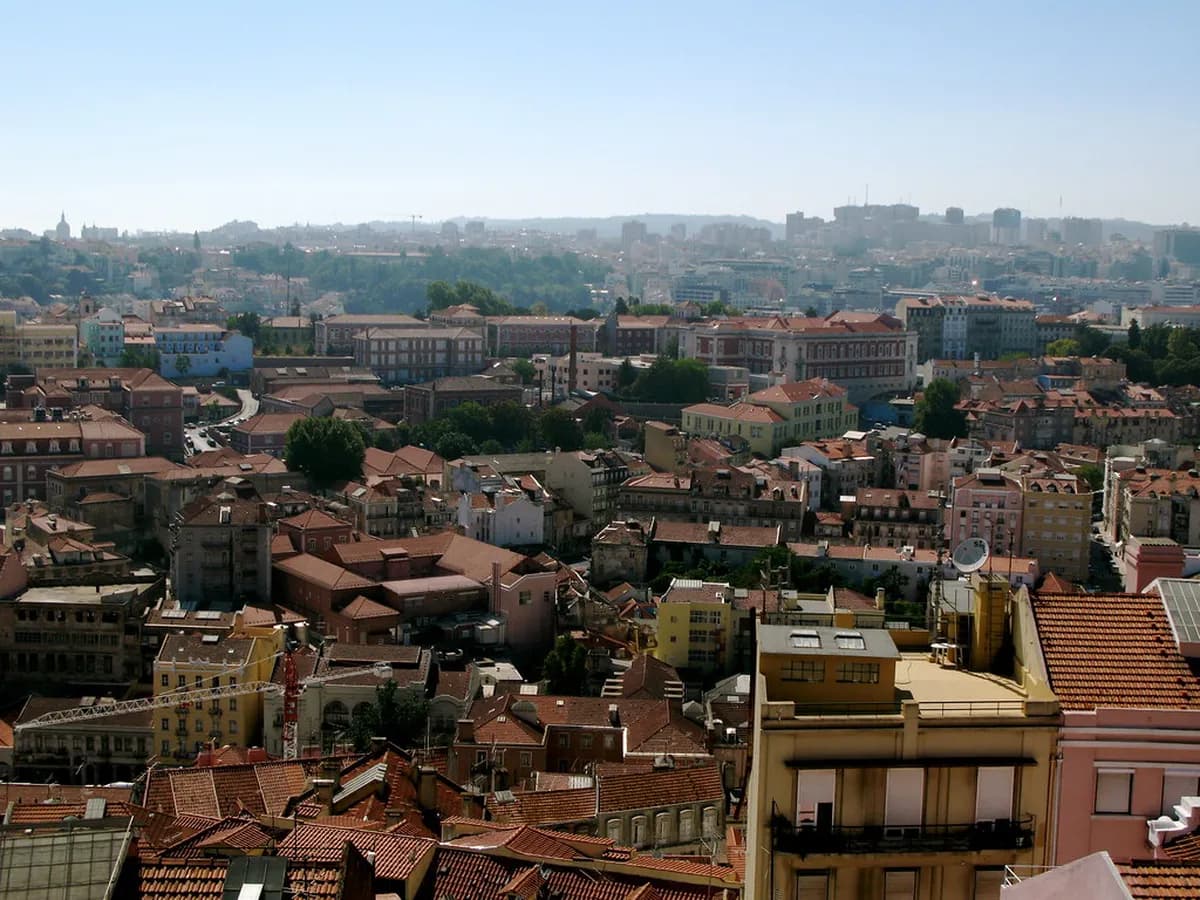
Top 12 Best Miradouros in Lisbon: Miradouro da Senhora do Monte
Lisbon is a city built on seven hills, which means you are never far from a breathtaking view. These special lookout points are known locally as miradouros and serve as the social heart of many neighborhoods. Travelers often spend their afternoons lounging on stone benches while watching the sun set over the Tagus River. Planning a visit to these spots is essential for any 3 days in Lisbon itinerary for first-timers looking for the best photos.
Each terrace offers a unique perspective on the historic red rooftops and the sparkling blue water below. You will find that some spots are perfect for a quiet morning coffee while others come alive with music at night. This guide explores the most iconic terraces and a few hidden gems that locals prefer to keep secret.
What is a Miradouro?
In Portugal, a miradouro is much more than just a simple balcony or a viewpoint. It is a public terrace designed for people to gather, relax, and appreciate the natural landscape of the city. Most of these locations feature a small cafe or a green metal kiosk known as a quiosque. Locals visit these kiosks to enjoy an imperial beer or a small glass of ginjinha while chatting with friends.
The design of these spaces often includes beautiful gardens, stone sculptures, and traditional Portuguese pavement. Walking between them allows you to experience the different personalities of the historic districts. You can use the local Carris public transport network to reach the highest points without too much effort. Understanding this kiosk culture is the key to enjoying Lisbon like a true resident.
Many miradouros are located near ancient churches or historic monuments that tell the story of the city. The elevation provides a clear view of how the city expanded from the riverside into the surrounding hills. Visitors should expect steep climbs and uneven cobblestones when moving between these scenic terraces. Comfortable walking shoes are the most important item to pack for a day of exploring these heights.
Lisbon Viewpoints Map
Navigating the steep streets of the capital requires a bit of strategic planning to avoid exhaustion. A map of the best viewpoints helps you group locations by neighborhood to save time and energy. You can easily visit several spots in Alfama or Bairro Alto during a single afternoon walk. Check out the most famous tourist attractions in Lisbon to see which views are closest to your must-see monuments.
Starting your day at the highest point and walking downhill is a popular strategy for many smart travelers. The city is divided by several valleys, so moving from one hill to another often requires descending first. Using a digital map allows you to find the hidden staircases and elevators that connect different street levels. These shortcuts are often faster than waiting for the crowded historic trams during the peak summer months.
Keep in mind that some viewpoints are better suited for sunrise while others shine during the golden hour. Planning your route based on the position of the sun will result in much better travel photographs. Most terraces are free to enter and stay open to the public throughout the day and night. This makes them one of the most budget-friendly ways to experience the beauty of the Portuguese capital.
Miradouro da Senhora do Monte
Miradouro da Senhora do Monte is the highest and most panoramic viewpoint in the entire city. It offers an incredible 250-degree view that includes the castle, the river, and the distant bridge. Because it is tucked away in the Graça neighborhood, it often feels slightly more peaceful than the lower terraces. This is one of the best free things to do in Lisbon on a budget for spectacular scenery.
Reaching the summit can be a challenge because the incline is quite steep for most pedestrians. Many visitors choose to take a local tuk-tuk for a fun and breezy ride up the hill. Walking is still a great option if you want to explore the charming narrow alleys of the Graça district. The trade-off between the cost of a ride and the effort of the climb depends on your fitness level.
At the top, you will find a small chapel dedicated to Our Lady of the Mount. Young couples and groups of friends often gather here with snacks to wait for the sunset. The atmosphere is usually quiet and respectful, providing a nice break from the busy downtown streets. Be sure to bring a light jacket as the wind can pick up at this high elevation in 2026.
- Senhora do Monte Quick Facts
- Climb Difficulty: 5/5
- Best for: Panoramic Sunset
- Vibe: Romantic and Quiet
- Kiosk: Yes
Miradouro das Portas do Sol
Miradouro das Portas do Sol is likely the most photographed spot in the Alfama district. The terrace overlooks a sea of orange rooftops that lead directly down to the blue Tagus River. You can see the white towers of the Monastery of Saint Vincent and the Church of Saint Stephen. It serves as a gateway to the oldest part of the city where the streets become a maze.
This location is particularly famous for its sunrise views because it faces toward the east. Early risers can watch the light hit the historic facades while the city is still waking up. The nearby kiosk serves breakfast and coffee, making it a perfect spot to start your morning. Expect larger crowds here in the afternoon as the famous Tram 28 stops right next to the terrace.
Artists often set up their easels here to capture the complex architecture of the surrounding buildings. You might hear the faint sound of Fado music drifting up from the restaurants in the valley below. It is a lively area that perfectly captures the traditional spirit of the old Alfama neighborhood. Take a moment to sit on the wall and watch the cruise ships dock at the nearby terminal.
Miradouro de Santa Luzia
Just a few steps away from Portas do Sol lies the beautiful Miradouro de Santa Luzia. This viewpoint is famous for its romantic pergola covered in bright pink bougainvillea flowers. The walls are decorated with large blue and white tile panels showing historic scenes of Lisbon. One panel depicts the Praça do Comércio before the great earthquake of 1755 destroyed much of the city.
The garden atmosphere makes it a favorite spot for wedding photos and romantic strolls. There are two levels to explore, with the lower terrace offering a slightly different perspective of the river. You can find local artisans selling handmade crafts and paintings along the shaded walkways. It is a great place to rest your legs while enjoying the scent of the flowers in the air.
The small church of Santa Luzia stands right behind the terrace and adds to the historic charm. Many travelers find this to be the most beautiful miradouro because of the artistic tile work. It offers a more intimate feel compared to the wide-open spaces of the higher lookout points. Visit during the late morning to see the sun illuminate the intricate details of the azulejos.
Miradouro de São Pedro de Alcântara
Miradouro de São Pedro de Alcântara is located at the top of the Gloria Funicular in Bairro Alto. This large, two-tiered garden offers a classic view of the Saint George Castle across the valley. The upper level features a map made of tiles that helps you identify all the major landmarks. You can learn how to use the Lisbon Card to save on attractions like the funicular that brings you here.
In the evenings, the terrace transforms into a social hub with live music and market stalls. The lower garden is usually quieter and features statues of famous figures from Greek mythology. It is the perfect place to relax before heading into the nearby bars of the Bairro Alto district. The fountains and manicured hedges provide a formal beauty that differs from the rugged hills of Alfama.
You can see the modern parts of the city extending toward the north from this vantage point. The view is especially magical at night when the castle and the cathedral are fully illuminated. Many locals meet here to start their night out because of the central location and great vibe. It remains one of the most popular social spaces in the city for both tourists and residents.
Miradouro da Graça
Miradouro da Graça is a favorite hangout for students and artists who live in the surrounding area. The official name is Miradouro Sophia de Mello Breyner Andresen, named after a famous Portuguese poet. It sits right in front of the Graça Church and features a large terrace shaded by pine trees. The view of the castle from here is one of the closest and most impressive in the city.
The kiosk here is known for staying open late and serving a variety of local snacks. You can enjoy a bifana sandwich while watching the sun disappear behind the Monsanto hills. It has a more relaxed and bohemian atmosphere than the more tourist-heavy spots in the center. Many people prefer this location for a casual evening drink with a stunning backdrop.
The walk from here to Senhora do Monte is short but involves a few more steep hills. It is worth exploring the interior of the Graça Church if you have a few extra minutes. The neighborhood around the viewpoint is filled with interesting street art and local grocery stores. Graça offers a glimpse into everyday life in Lisbon away from the main shopping streets.
Miradouro de Santa Catarina
Miradouro de Santa Catarina is famous for its giant stone statue of the mythical sea monster Adamastor. This spot has a very youthful energy and is often filled with people playing guitars and drums. It offers a fantastic view of the 25 de Abril Bridge and the Christ the King statue across the water. The terrace is a prime location for watching the large ships pass through the narrow river mouth.
The atmosphere here can be quite lively and loud, especially during the summer weekends. You will find a small kiosk that serves cold drinks to the crowds sitting on the stone steps. It is a great place to experience the modern, creative side of the local Portuguese culture. Sunset is the peak time for this viewpoint as the sky turns bright orange over the Atlantic Ocean.
The surrounding neighborhood of Bica is famous for its iconic yellow funicular that climbs the steep street. You can easily walk from here to the Time Out Market for a delicious dinner after the sunset. Be aware that this spot can get very crowded and sometimes feels a bit more chaotic than others. It remains a must-visit for anyone who wants to feel the pulse of the city's social life.
Miradouro do Parque Eduardo VII
Miradouro do Parque Eduardo VII provides a completely different perspective than the historic districts. Located at the top of a long slope, it looks down over geometric hedge gardens toward the river. You can see the statue of Marquês de Pombal standing at the center of the busy roundabout below. The symmetry of the park makes it a favorite location for professional landscape photography.
A massive Portuguese flag flies at the top of the hill, marking the entrance to the park. The view stretches all the way down the Avenida da Liberdade to the historic downtown area. It is a great place for a long walk or a picnic on the large grassy areas on either side. The Estufa Fria greenhouse is located nearby and offers a tropical escape from the city heat.
This viewpoint is much more spacious and less crowded than the terraces in Alfama or Graça. It is easily accessible by the blue or yellow metro lines at the Parque or São Sebastião stations. The elevation gives you a sense of the grand scale of the modern city's urban planning. Visit during the annual book fair to see the park transformed into a giant outdoor library.
Miradouro de Penha de França
Miradouro de Penha de França is one of the best-kept secrets for travelers who dislike large crowds. It is located further away from the main tourist trail in a quiet residential neighborhood. The terrace offers a nearly 360-degree view of the city, including the airport and the northern suburbs. You can enjoy the scenery in peace without having to push through groups of tour groups.
The nearby church of Penha de França is a beautiful building that is worth a quick visit. There is a small garden and a simple kiosk where you can find very affordable local coffee. It provides a very authentic look at how locals live outside of the famous historic center. The walk to this viewpoint is long, so consider taking a bus or a taxi to reach the top.
Many photographers come here to capture unique angles of the city that are not seen in every guidebook. The lack of commercial activity makes it a great spot for a quiet afternoon of reading or reflection. You will find that the air feels a bit fresher and the pace of life is much slower here. It is the perfect choice for those seeking a quiet alternative to the busy Senhora do Monte.
Miradouro de Santa Justa
The Santa Justa Lift is a famous iron tower that connects the lower streets with the higher Carmo square. Most tourists wait in long lines for over an hour to ride the historic elevator to the top. You can save time and money by using the secret Carmo entrance located behind the Carmo Convent. Check a detailed Lisbon city pass guide for more tips on accessing the top platform.
Walking through the Largo do Carmo allows you to reach the upper walkway for a very small fee. The view from the top platform looks directly over the Rua Augusta and the Rossio square. It is the best place to see the intricate patterns of the Portuguese pavement from high above. The Gothic architecture of the lift itself is a masterpiece of early 20th-century engineering.
The view is especially impressive because you are right in the middle of the city's shopping district. You can see the ruins of the Carmo Convent standing right next to the modern viewing platform. This contrast between the old ruins and the bustling city below is a highlight of the visit. Avoid the midday heat by visiting this metallic structure in the early morning or late evening.
Miradouro do Castelo de São Jorge
The viewpoints from the ramparts of Saint George Castle are some of the most historic in Portugal. This is the only location on our list that requires a paid entrance ticket for all adult visitors. You can learn how to skip the lines at Castelo de São Jorge to maximize your time. The ticket price includes access to the castle gardens, the museum, and the ancient stone walls.
The 360-degree views from the towers allow you to see every corner of the city and the river. You will often find colorful peacocks walking along the stone walls while you take your photos. The shade from the large pine trees in the courtyard makes it a comfortable spot for a long break. It offers a sense of security and history that the open street terraces simply cannot provide.
Many visitors wonder if the entry fee is worth it compared to the free viewpoints nearby. The ability to walk along the high fortress walls provides a unique perspective on the city's defense history. It is a great choice for families because children often enjoy exploring the castle ruins and towers. Plan to spend at least two hours here to fully enjoy the views and the historic exhibits.
Frequently Asked Questions
Which miradouro is best for sunset in Lisbon?
Miradouro da Senhora do Monte is widely considered the best spot for sunset because of its high elevation. You can see the sun dip behind the 25 de Abril Bridge while the city lights begin to twinkle. Arrive early to secure a good spot on the stone wall.
Are the viewpoints in Lisbon free to visit?
Most miradouros in Lisbon are completely free and open to the public at all hours. The only major exception is the viewpoint inside Saint George Castle, which requires a paid entrance ticket. Some platforms, like the Santa Justa Lift, may also charge a small fee for access.
How do I avoid the hills when visiting miradouros?
You can use the city's historic trams and funiculars to reach many of the highest viewpoints without walking. The Gloria and Bica funiculars are especially helpful for reaching the terraces in Bairro Alto. Using a Lisbon Card makes these rides free and convenient.
Which viewpoint is the least crowded?
Miradouro de Penha de França is the best choice for travelers looking to avoid the large tourist crowds. It is located in a quiet residential area and offers a peaceful atmosphere with great views. It is much less famous than the spots in Alfama or Graça.
Exploring the many miradouros is the best way to fall in love with the unique landscape of Lisbon. From the high peaks of Graça to the floral gardens of Alfama, each spot offers a new story. You can mix the popular landmarks with hidden local hangouts to get a full picture of the city. Remember to take your time and enjoy the slow pace of the local kiosk culture.
Whether you are visiting for a weekend or a month, these views will be the highlight of your trip. Portugal is a country that rewards those who are willing to climb a little higher for a better perspective. Pack your camera and some comfortable shoes to start your own adventure across the seven hills today.