
20 Best Tourist Attractions and Things to Do in Lisbon
Lisbon captivates visitors with its sun-drenched hills and historic charm along the Tagus River. The city blends ancient architecture with a vibrant modern energy that feels unique in Europe. Exploring the many tourist attractions in Lisbon requires a bit of planning to handle the steep terrain. This guide helps you navigate the best landmarks and hidden gems for an unforgettable 2026 trip.
You will find world-class museums sitting right next to centuries-old cathedrals and narrow alleys. Each district offers a different personality, from the grand plazas of Baixa to the Fado houses of Alfama. Whether you love history or modern art, the Portuguese capital provides endless discovery for every traveler. Prepare to wear comfortable shoes as we explore the top sites in this beautiful coastal city.
Key Takeaways
- Buy tickets online for Castelo de São Jorge and Jerónimos Monastery to skip long lines.
- Use the Lisbon Card for free public transport and entry to major museums.
- Visit the Belém district early in the morning to beat the large tour bus crowds.
- Wear comfortable, non-slip shoes for navigating the city's steep and slippery cobblestones.
Must-See Lisbon Attractions
The heart of the city's appeal lies in its three most iconic districts: Belém, Alfama, and Baixa. Belém serves as a tribute to the Age of Discovery with its grand monuments and riverside views. Alfama offers a glimpse into the past with its medieval layout and traditional Fado music. Baixa provides the grand, grid-like elegance of the 18th-century reconstruction following the great earthquake.
First-time visitors should prioritize these areas to see the most famous tourist attractions in Lisbon. Many travelers find that a 3-day Lisbon itinerary is perfect for covering these essential hubs. You can easily move between these districts using the efficient yellow trams or the modern metro system. Planning your route helps avoid unnecessary backtracking across the city's challenging hills.
According to the Visit Portugal - Official Tourism Site, these sites define the capital's cultural identity. The mix of coastal scenery and urban history creates a visual feast for photographers. You should start your mornings early to beat the large tour groups at the most popular landmarks. Each section below dives deeper into the specific sites that make Lisbon a top global destination.
Ascend to Castelo de São Jorge
Perched on the highest hill, Castelo de São Jorge offers the most famous view of the city. The Moorish castle dates back to the 11th century and features sturdy stone ramparts you can walk. Peacocks often roam the pine-shaded gardens, adding a touch of natural beauty to the historic site. It remains one of the most visited tourist attractions in Lisbon for its historical significance.
To save your legs, take the 737 bus from Praça da Figueira directly to the castle entrance. Walking up through the steep streets of Alfama is beautiful but can be very tiring in the summer heat. You should check out the skip-the-line tips for Castelo de São Jorge before you arrive. Buying tickets online is essential to avoid the long queues that often stretch outside the main gate.
The castle's camera obscura provides a unique 360-degree real-time view of the city using a system of mirrors. Visitors can also explore the archaeological site which reveals ruins from several different historical periods. Plan to spend at least two hours here to fully enjoy the ramparts and the museum collection. The sunset from the castle walls is widely considered one of the best experiences in Portugal.
Tour Jerónimos Monastery
Jerónimos Monastery stands as a masterpiece of Manueline architecture and a symbol of Portuguese wealth. This UNESCO World Heritage site commemorates the successful voyage of Vasco da Gama to India. The intricate stone carvings of sea monsters and ropes reflect the maritime spirit of the 16th century. It is a cornerstone of any visit to the historic Belém district west of the city center.
The main church is free to enter and houses the impressive tombs of Vasco da Gama and Luís de Camões. However, you must purchase a ticket to access the stunning two-story cloisters and the former refectory. Arriving right at opening time helps you appreciate the quiet beauty of the stone arches without the crowds. Many visitors combine this visit with a one-day Belém itinerary to see all nearby sites.
The cloisters are often cited as the most beautiful in the world due to their detailed ornamentation. Take your time to notice the different symbols carved into the columns, including shells and anchors. The monastery remains closed on Mondays, so plan your weekly schedule carefully to avoid disappointment. Expect to spend about 90 minutes exploring the church and the monastic quarters.
See Torre de Belém and the Monument to the Discoveries
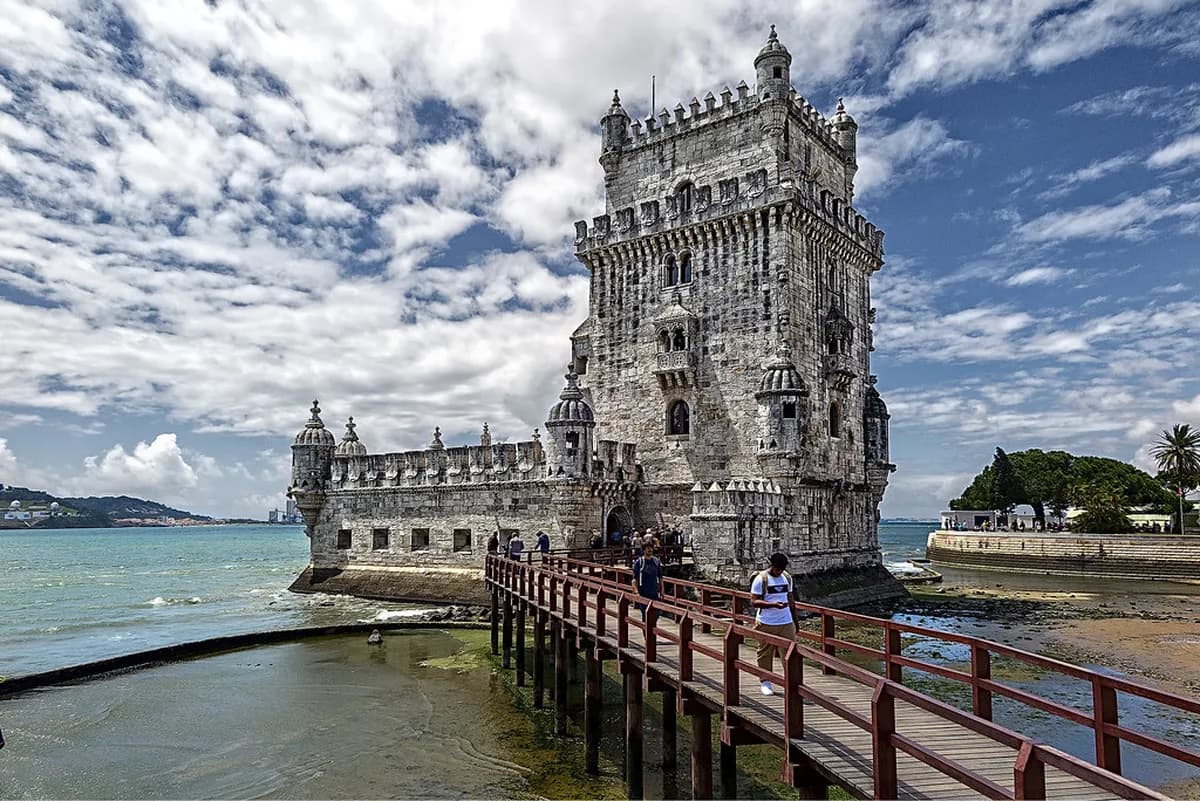
The Torre de Belém served as both a fortress and a ceremonial gateway for explorers returning to Lisbon. This tower sits right on the edge of the river and looks like a giant chess piece made of stone. Check the Official Torre de Belém Website for the latest entry times and ticket prices. The interior is small, so only a limited number of people can enter at once.
A short walk away stands the massive Monument to the Discoveries, shaped like a ship's prow. It features statues of famous figures like Prince Henry the Navigator and King Afonso V. You can take an elevator to the top for a great view of the compass mosaic on the ground. This area is perfect for a breezy walk along the river while admiring the 25 de Abril Bridge.
The "Belém combo" ticket is a smart way to save money if you plan to visit multiple monuments. Avoid the midday heat by visiting these outdoor sites in the late afternoon for better lighting. Photographers will find the best angles for the tower from the small beach during low tide. Keep in mind that the tower can be very windy, so bring a light jacket even in summer.
Wander around Praça do Comércio
Praça do Comércio is one of the largest and most impressive public squares in all of Europe. It was once the site of the Royal Palace before the 1755 earthquake destroyed much of the city. The bright yellow buildings and the grand statue of King José I create a majestic atmosphere. It serves as a grand entrance to the city for those arriving by ferry from across the river.
Climbing the Rua Augusta Arch provides a unique perspective of the square and the river Tagus. The elevator inside the arch makes it easy to reach the viewing platform for a small fee. You can see the straight lines of the Baixa district stretching out toward the northern hills. The square is also a major hub for the historic trams and the modern metro system.
Visit at sunrise to see the square nearly empty and bathed in soft, golden light. The riverfront steps, known as Cais das Colunas, are a popular spot to sit and watch the water. Several historic cafes and restaurants line the perimeter, though they tend to be quite expensive. This area often hosts free concerts and public events during the summer months.
Stroll through Alfama and the Lisbon Cathedral
Alfama is the oldest district in Lisbon and the only one to survive the great earthquake largely intact. Its maze of narrow streets and steep stairs feels like stepping back into medieval times. You will see laundry hanging from balconies and hear the faint sound of Fado music in the air. Exploring this area on foot is the best way to find hidden courtyards and local taverns.
The Lisbon Cathedral, or the Sé, sits at the entrance to Alfama and dates back to 1147. Its fortress-like exterior was designed to protect the city during various sieges and battles. Inside, you can visit the Gothic cloisters where archaeological excavations have revealed Roman and Moorish ruins. The cathedral remains an active place of worship, so please be respectful during your visit.
Walking through Alfama can be confusing, but getting lost is part of the neighborhood's charm. Wear sturdy shoes with good grip because the old cobblestones can be very slippery when wet. Many of the best Fado houses in Lisbon are tucked away in these quiet alleys. The neighborhood comes alive in June during the Festas de Lisboa with street food and music.
Ride the Historic Tram 28 and Santa Justa Lift
The yellow Tram 28 is a moving landmark that passes many top tourist attractions in Lisbon. It squeaks and rattles through the narrowest streets of the Alfama and Estrela districts. You should board at the Martim Moniz stop to have a better chance of getting a seat. Be very careful with your belongings as this popular route is known for pickpockets.
The Santa Justa Lift is a stunning iron elevator that connects the lower Baixa to the higher Chiado. Designed by a student of Gustave Eiffel, it features beautiful neo-Gothic details and wood-lined cabins. The view from the top platform offers a clear look at the ruins of the Carmo Convent. Lines for the lift are often very long, but you can walk up the hill for free instead.
Using the Carris public transport network is the most authentic way to see the city. A 24-hour transit pass is a great value if you plan to use multiple trams and lifts. The modern Tram 15 is a better choice for getting to the Belém district quickly and comfortably. Riding the funiculars like Bica or Glória also provides a classic Lisbon experience with less walking.
Delve into Heritage at the National Tile Museum
The National Tile Museum is housed in the beautiful 16th-century Madre de Deus Convent. It showcases the evolution of Portuguese tile art, known as azulejos, from the 15th century to today. The highlight is a 23-meter-long tile panel showing Lisbon as it looked before the 1755 earthquake. This museum is one of the most unique museums in Lisbon for art lovers.
The museum's chapel is a dazzling display of gold leaf and intricate blue-and-white tiles. It offers a peaceful atmosphere away from the more crowded tourist spots in the city center. You can reach the museum by taking bus 728 or 759 from the Praça do Comércio area. The onsite cafe has a lovely courtyard where you can enjoy a quiet coffee after your tour.
Plan for about two hours to see all the galleries and the stunning church interior. Many visitors overlook this museum because it is slightly outside the main tourist hub. However, the panoramic panel alone makes the short trip worth your time for the historical context. Check the museum's schedule as it may have shorter hours on certain holidays or Sundays.
Discover Contemporary Art and Design at MAAT
The Museum of Art, Architecture, and Technology (MAAT) is a striking modern addition to the riverfront. Its low-slung, wave-like design is covered in thousands of white tiles that reflect the sunlight. You can walk right over the roof of the building to enjoy views of the river and bridge. It represents the modern, forward-thinking side of the city's diverse cultural scene.
The museum consists of two buildings: a sleek new wing and a historic former power station. Inside, you will find rotating exhibitions of contemporary art and interactive technology displays. The MAAT Official Site provides a calendar of current shows and special events. It is a great place to visit in the late afternoon when the light on the river is most beautiful.
The surrounding park area is a popular spot for locals to jog, cycle, or simply relax. You can easily walk here from the Jerónimos Monastery in about fifteen minutes along the water. MAAT offers a sharp contrast to the historic stone monuments found elsewhere in the Belém district. Entry is often discounted for students and seniors, making it an affordable cultural stop.
Visit the Calouste Gulbenkian Museum
The Calouste Gulbenkian Museum holds one of the most important private art collections in the world. It spans 5,000 years of history, featuring everything from Egyptian artifacts to Impressionist paintings. The museum is divided into two main circuits: the Founder's Collection and the Modern Collection. It is widely considered a world-class institution that rivals major museums in London or Paris.
The surrounding gardens are a lush oasis in the middle of the city and are free to enter. Locals love to picnic here or read by the duck ponds during the warmer months. The museum is located in the northern part of the city, easily reached by the blue or red metro lines. It offers a very quiet and sophisticated experience compared to the busy streets of Baixa.
Art connoisseurs should dedicate at least half a day to explore both the galleries and the grounds. The museum shop is also excellent for finding high-quality gifts and art books. Check for temporary exhibitions that often feature rare works from other international collections. The onsite restaurant provides a high-quality dining experience with views of the greenery.
Learn about Marine Life at the Lisbon Oceanarium
The Lisbon Oceanarium is one of the largest and most highly-rated aquariums in the world. It features a massive central tank that holds five million liters of seawater and hundreds of species. You can see sharks, rays, and a giant sunfish swimming together in the impressive main exhibit. It is located in the modern Parque das Nações district, built for the Expo '98 world fair.
The Lisbon Oceanarium Official Site offers tickets that include both permanent and temporary exhibits. Four separate wings represent the different oceans of the world: the Atlantic, Pacific, Indian, and Antarctic. Families will find this to be one of the most engaging tourist attractions in Lisbon for children. The nearby cable car offers a fun way to see the district from above after your visit.
To avoid the longest lines, try to visit on a weekday morning or late in the afternoon. The district also features the Vasco da Gama Bridge, the longest bridge in the European Union. Many modern restaurants and shopping centers are within walking distance of the aquarium entrance. It is a perfect rainy-day activity since almost the entire experience is indoors.
Enjoy Views at Miradouro da Senhora do Monte
Lisbon is famous for its miradouros, or viewpoints, which are scattered across its many hills. Miradouro da Senhora do Monte is the highest and offers the most complete panorama of the city. You can see the castle, the river, and the bridge all from one single vantage point. It is often much quieter than the more famous Miradouro das Portas do Sol in Alfama.
A small chapel stands at the top, and there are often street musicians playing for the crowd. You can find a list of the best miradouros in Lisbon to plan a sunset tour. Reaching this spot requires a steep climb, so many visitors prefer to take a tuk-tuk or a taxi. The view is especially magical at night when the city lights begin to twinkle below.
Bring a small snack or a drink to enjoy while you sit on the stone wall and watch the sunset. Photographers should bring a wide-angle lens to capture the full scale of the cityscape. The area around the viewpoint is a traditional residential neighborhood with a very local feel. It is free to visit and open 24 hours a day, making it a budget-friendly highlight.
Explore Bairro Alto and the Fado Scene
Bairro Alto is a neighborhood of two faces: quiet and charming by day, but wild and energetic at night. Its narrow streets are packed with hundreds of small bars, restaurants, and traditional Fado houses. Fado is the soul of Portuguese music, characterized by its mournful tunes and powerful vocals. Listening to a live performance is one of the most essential things to do in Lisbon.
For an authentic experience, look for smaller taverns where the locals go for "Fado Vadio," or amateur Fado. You should book a table in advance if you want to visit a famous Fado house for dinner. The comparison of Alfama vs.
Bairro Alto Fado can help you choose the right vibe. Alfama tends to be more traditional, while Bairro Alto offers a more lively nightlife scene.
During the day, the neighborhood offers beautiful street art and the scenic Miradouro de São Pedro de Alcântara. The streets are mostly pedestrian-only, making it a great place for a casual afternoon stroll. Be aware that the noise levels can be very high after midnight on Friday and Saturday nights. Many bars allow you to take your drink into the street, creating a massive open-air party.
Sink Your Teeth into Portuguese Tarts in Belém
The pastel de nata is Portugal's most famous pastry, and its birthplace is the Belém district. Pastéis de Belém has been using a secret recipe from the monks of Jerónimos Monastery since 1837. The tarts are best enjoyed warm with a light dusting of cinnamon and powdered sugar. They feature a crispy, flaky crust and a creamy custard center that is slightly charred on top.
While the takeaway line at the original shop is often long, the indoor seating area is huge. You can often find a table inside much faster than waiting on the sidewalk for a box of tarts. If you are in the city center, Manteigaria in Chiado is another local favorite that many claim is even better. Sampling different tarts across the city is a delicious way to spend your afternoon.
Most cafes will serve these tarts all day long, usually for about 1.20 to 1.50 Euros each. Pair your pastry with a "bica," which is the local term for a strong shot of espresso. The original shop in Belém is decorated with beautiful traditional blue-and-white tiles. It remains open late, so you can even grab a sweet treat after a sunset walk by the river.
Take a Day Trip to Sintra
Sintra is a fairytale town located just 40 minutes by train from Lisbon's Rossio Station. It is famous for its romantic 19th-century architecture and lush, misty forest setting. The bright yellow and red Pena Palace is the most iconic site and sits at the very top of the hill. A Sintra day trip guide is essential for planning this busy excursion.
You cannot see all the palaces in one day, so it is best to pick two major sites to explore. Quinta da Regaleira is a favorite for its mysterious initiation well and hidden underground tunnels. The Moorish Castle offers incredible views that stretch all the way to the Atlantic Ocean on clear days. The town center is also charming, with narrow streets filled with traditional pastry shops.
Avoid driving to Sintra as parking is nearly impossible and the roads are extremely narrow. The 434 tourist bus connects the train station to the main palaces for a convenient loop. Buy your palace tickets online in advance to skip the long queues at the entrance gates. Wear comfortable walking shoes and bring a light layer, as Sintra is often cooler than Lisbon.
Museums, Art, and Culture in Lisbon
Beyond the major landmarks, Lisbon is home to dozens of specialized museums and cultural centers. The Fado Museum in Alfama provides a deep dive into the history and stars of Portugal's national music. For those interested in the city's maritime past, the Navy Museum in Belém is a must-visit. You can find a list of the top 10 museums in Lisbon to match your specific interests.
The National Coach Museum features a unique collection of ornate royal carriages from the 16th to 19th centuries. Contemporary art lovers should also check out the Berardo Collection Museum for works by Picasso and Warhol. Many museums offer free entry on the first Sunday of every month for residents or visitors. Cultural festivals happen year-round, so check a local calendar before your trip.
The LX Factory is a creative hub in a former industrial complex with galleries, shops, and street art. It is a great place to see the modern, artistic side of the city's younger generation. Most museums are closed on Mondays, which is a common rule across much of Europe. Plan your museum visits for the hottest part of the day to enjoy the air conditioning.
Parks, Gardens, and Outdoor Spots in Lisbon
Edward VII Park is the largest park in central Lisbon and offers a grand view down to the river. Its manicured hedges and large greenhouse, the Estufa Fria, make it a perfect spot for a walk. The Jardim da Estrela is a more local favorite, featuring a beautiful wrought-iron gazebo and a duck pond. These green spaces provide a much-needed break from the city's busy stone-paved streets.
The Lisbon Botanical Garden is a hidden gem in the Principe Real district with rare tropical plants. It offers a quiet, shaded escape from the afternoon sun and is rarely crowded with tourists. The waterfront path between Cais do Sodré and Belém is ideal for cycling or a long sunset walk. You can find many free things to do in Lisbon by exploring these public parks.
Monsanto Forest Park is the city's "green lung" and offers hiking trails and picnic areas on the outskirts. The Tapada das Necessidades is another historic park with a pink palace and many resident peacocks. Outdoor kiosks, known as quiosques, are found in many parks and serve drinks and light snacks. They are the perfect place to sit and enjoy the local atmosphere like a true Lisboeta.
Family-Friendly and Budget-Friendly Options in Lisbon
Traveling with kids in Lisbon is easy if you focus on interactive sites like the Oceanarium or Pavilion of Knowledge. The HippoTrip is a fun amphibious bus tour that drives through the streets and then splashes into the river. Many public parks have great playgrounds and kiosks where parents can relax with a coffee. The city's historic elevators and trams are also a big hit with younger travelers.
Budget travelers can save money by visiting the many free miradouros for incredible views of the city. Eating at local "tascas" instead of tourist restaurants can cut your food costs in half. Look for the "prato do dia," or dish of the day, for a high-quality meal at a low price. Walking is free, but be prepared for the physical challenge of the city's famous seven hills.
The best free things to do in Lisbon include exploring the Alfama and visiting the cathedral. Many churches are free to enter and contain stunning Baroque art and historic relics. The Thieves' Market, or Feira da Ladra, is a fun and free place to browse for unique souvenirs. Using public transport instead of taxis or private tours will also keep your budget in check.
How to Plan a Smooth Lisbon Attractions Day
Planning a smooth day in Lisbon requires balancing the steep hills with efficient transport options. The Lisbon Card is a popular choice that offers free transport and museum entry. It can save you a significant amount of money if you plan to visit three or more major sites in one day. Always check the best time to visit Lisbon attractions to avoid the biggest crowds.
Group your activities by neighborhood to minimize the time spent traveling between different parts of the city. For example, spend one full day in Belém and another exploring the hills of Alfama and Graça. Carry a reusable water bottle, as the climb up to the viewpoints can be very thirsty work. Most major attractions now allow you to show digital tickets on your phone, which saves time.
Wear shoes with good traction, as the traditional Portuguese pavement can be very slippery even when dry. If you get tired of walking, the city has a very affordable network of Uber and Bolt drivers. The metro is the fastest way to get across the city, but it doesn't offer the same views as the trams. Keep a flexible schedule to allow for spontaneous stops at beautiful squares or local cafes.
Frequently Asked Questions
When is the best time to visit Lisbon?
Spring and fall offer the best balance of pleasant weather and manageable crowds. April to June and September to October are ideal for walking the hills. Summer can be very hot and crowded with tourists. Learn more about the best time to visit Lisbon attractions for 2026.
Is the Lisbon Card worth it for attractions?
The Lisbon Card is worth it if you plan to use public transport frequently and visit at least two major museums per day. It includes free entry to the Jerónimos Monastery and the Torre de Belém. It also covers all trams, buses, and the metro.
How many days do you need to see Lisbon's top sites?
Three days is the perfect amount of time for first-time visitors to see the main highlights. This allows one day for Belém, one for the historic center, and one for a day trip to Sintra. A longer stay lets you explore more museums and hidden neighborhoods.
What is the most famous landmark in Lisbon?
The Torre de Belém is widely considered the most iconic landmark in the city. It is a UNESCO World Heritage site and a symbol of Portugal's maritime history. The Castelo de São Jorge is another top contender for its visibility across the city skyline.
Can you walk to all the main attractions in Lisbon?
While many sites in the city center are walkable, the steep hills make it physically demanding. You will likely want to use the trams or metro for longer distances, like going to Belém. Walking is the best way to explore the narrow streets of Alfama and Chiado.
Lisbon offers a rich tapestry of history, culture, and stunning views that few cities can match. From the ancient walls of the castle to the modern halls of MAAT, there is something for everyone. Planning your visit around the top tourist attractions in Lisbon ensures you experience the very best of the capital. We hope this guide helps you create a perfect itinerary for your 2026 adventure in Portugal.
Remember to take your time and soak in the atmosphere of the different neighborhoods. The city is best enjoyed at a slower pace with plenty of stops for coffee and pastries. Whether you are here for the history or the food, Lisbon is sure to leave a lasting impression. Safe travels and enjoy exploring one of the most beautiful cities in the world.