
Best Time to Visit Lisbon Attractions in 2026
Lisbon is a city of seven hills that offers stunning views and historic charm throughout the year. Planning the best time to visit Lisbon attractions in 2026 depends on your personal travel priorities. Whether you want sunny beaches or quiet museum halls, the timing of your trip changes everything. This guide helps you navigate the seasons to find your perfect Portuguese holiday window.
The city transforms with each passing month, offering different festivals and weather patterns for visitors. Spring brings blooming flowers and mild air, while summer pulses with high-energy street parties. Autumn offers a golden glow and harvest flavors that appeal to food and wine lovers. Winter provides a peaceful atmosphere and the lowest prices for those on a strict budget.
In 2026, specific events and holiday shifts will influence how you experience major landmarks. Understanding these nuances allows you to skip the longest lines and enjoy a smoother journey. We will break down the weather, costs, and crowd levels for every season in the capital. Prepare to discover the ideal moment to walk the cobblestone streets of this coastal gem.
Overall Best Time to Visit Lisbon Attractions in 2026
The best time to visit Lisbon attractions in 2026 is generally during the shoulder seasons of spring and early autumn. March through May and September through October offer a perfect balance of pleasant weather and manageable crowds. During these months, you can explore the many tourist attractions in Lisbon without enduring the intense summer heat.
The air is fresh, and the city feels vibrant yet relaxed. Travelers in these periods often find better availability for popular tours and boutique hotel rooms. You can easily walk through historic neighborhoods like Alfama or Chiado without fighting large tour groups.
Prices for flights and accommodation are typically lower than the peak summer months of July and August. This allows for a more flexible itinerary and potentially a longer stay in the city. Weather during the shoulder seasons remains mostly sunny with occasional light showers that keep the parks green.
Average temperatures hover between 18°C and 25°C, which is ideal for climbing the steep hills to various viewpoints. You will not need a heavy coat, but a light jacket is perfect for breezy evenings by the river. This climate supports long days of sightseeing followed by outdoor dining at local tascas.
If you are planning a first-time visit, consider following a 3 days in Lisbon itinerary for first-timers to maximize your time. The shoulder months provide the daylight hours needed to see the major highlights without the exhaustion of extreme heat. You can move between the city center and the coastal districts with relative ease. Most attractions operate on full schedules during these months, ensuring you miss nothing on your list.
Spring in Lisbon (March–May): Best for Sightseeing and Blooms
Spring is arguably the most beautiful time to see the city as the famous jacaranda trees begin to bloom. In late May, the streets turn a vibrant shade of purple, creating a magical backdrop for photography. The parks are lush, and the botanical gardens are at their most impressive during this time of year.
Visitors can enjoy the outdoor terraces of cafes without the scorching sun of the later months. In 2026, Easter Sunday falls on April 5th, which is an important date for your travel planning. This holiday period often sees a spike in domestic tourism and some attraction closures on Good Friday or Easter Sunday.
It is wise to check the Official Lisbon Tourism - Free Events Calendar for specific holiday hours. Booking your accommodation well in advance for the first week of April is highly recommended. May is particularly popular because the weather becomes consistently warm and stable for outdoor activities.
You can spend a full day exploring the monuments of the riverside without feeling overwhelmed by the humidity. It is a great time to visit the hilltop castles and enjoy the panoramic views of the Tagus River. The breeze from the Atlantic Ocean keeps the air feeling crisp and clean during your walks.
For those interested in history, the mild spring weather makes waiting in line at popular sites much more bearable. You might still encounter some crowds, but they are significantly smaller than the summer rush. Consider learning how to skip the lines at Castelo de São Jorge to save time. Early morning visits remain the best strategy for the most famous landmarks during the spring season.
Summer in Lisbon (June–August): Festivals, Heat, and Peak Crowds
Summer in Lisbon is a season of high energy, bright sunshine, and legendary street festivals that take over the city. June is the highlight of the summer calendar due to the Festas de Lisboa, celebrating the city's patron saints. The smell of grilled sardines fills the air in Alfama as locals decorate the narrow streets with colorful banners.
These celebrations offer a unique look at Portuguese culture but also bring significant crowds to the historic center. Temperatures in July and August can frequently exceed 30°C, making the narrow, steep streets feel quite stifling. The sun is intense, so travelers must plan their sightseeing for the early morning or late afternoon hours.
Midday is best spent in air-conditioned museums or taking a short train ride to the nearby beaches of Cascais. Many visitors find the heat in the upper districts quite challenging for long walking tours. Crowd levels reach their absolute peak during these months as schools across Europe go on summer break.
You should expect long queues at the most famous monuments and busy public transport throughout the day. To manage your time better, consider a one day in Belém itinerary: Jerónimos Monastery and Torre de Belém to group your visits. Staying organized is the only way to navigate the heavy tourist traffic effectively.
Despite the crowds, the summer atmosphere is undeniably festive and perfect for those who enjoy a lively nightlife. The rooftop bars stay open late, and the riverfront comes alive with music and outdoor events. If you prefer a quieter experience, you might find the summer months a bit overwhelming for traditional sightseeing. Always carry water and wear high-SPF sunscreen when exploring the city during the peak of the Portuguese summer.
Autumn in Lisbon (September–November): Harvest Season and Mild Weather
Autumn brings a welcome relief from the summer heat while maintaining plenty of sunny days for exploration. September remains quite warm, often feeling like an extension of summer but with noticeably fewer tourists. The Atlantic breeze becomes more prominent, making the evenings cool and comfortable for a stroll along the waterfront.
This is a fantastic time for foodies to visit as the harvest season brings fresh produce to local markets. In November, the city hosts the Lisbon & Sintra Film Festival (LEFFEST), which attracts cinema lovers from around the world. Cultural venues and independent theaters showcase a variety of international films and host engaging discussions with creators.
The city feels more intellectual and artistic during this time as the focus shifts toward indoor cultural events. It is a great season to dive deep into the local arts scene and museum collections. The light in Lisbon during autumn is famous among photographers for its soft, golden quality in the late afternoon.
You can capture stunning images of the tiled facades and yellow trams without the harsh shadows of mid-summer. As the months progress toward November, you will see the arrival of roasted chestnut vendors on every street corner. This seasonal tradition adds a cozy and nostalgic feel to the city's bustling squares and avenues.
While the risk of rain increases in late October and November, it rarely lasts all day. You can use these rainy intervals to explore the extensive museum network or enjoy a long lunch at a traditional tavern. This season offers some of the best value for money regarding flights and high-quality hotel rooms. Travelers can enjoy a more authentic side of the city as the local pace of life returns to normal.
Winter in Lisbon (December–February): Budget Travel and Festive Lights
Winter is the quietest and most affordable time to explore the Portuguese capital for budget-conscious travelers. While Lisbon is one of the sunniest cities in Europe, winter is the official rainy season with more frequent showers. You should check the Average Rainfall Data for Lisbon to prepare for your trip.
Bringing a sturdy umbrella and waterproof shoes will ensure you can still enjoy your daily walks. December is a festive month with beautiful light displays across the main squares and shopping districts. Christmas markets pop up in places like Rossio, offering traditional sweets, handmade crafts, and warm mulled wine.
The atmosphere is cozy and celebratory without the frantic pace of larger European capitals during the holidays. It is a wonderful time to experience Portuguese holiday traditions and taste the famous Bolo Rei cake. January and February are the coldest months, but temperatures rarely drop below 8°C during the daytime.
These months are perfect for visiting popular indoor sites like the Oceanário or the many art galleries. You can often walk right into major attractions without any wait at all during the midweek periods. This is also the best time to find the best free things to do in Lisbon on a budget while saving on essentials.
Fado houses in the Alfama and Bairro Alto districts feel especially intimate and moving during the dark winter evenings. Listening to the soulful music while enjoying a hearty Portuguese stew is a quintessential winter experience in Lisbon. You will find that service in restaurants is more attentive as the staff are less rushed than in the summer. Winter allows for a slow-travel approach that focuses on culture, gastronomy, and local connections.
Lisbon by Month: 2026 Climate and Activity Calendar
Every month in Lisbon offers a distinct climate and a unique set of activities for visitors to enjoy. Understanding these monthly changes helps you pack correctly and set realistic expectations for your 2026 journey. From the rainy start of the year to the sun-drenched summer, the city is constantly evolving.
Use this calendar to align your interests with the best possible timing for your specific travel goals. The transition between seasons can be subtle, so checking short-term forecasts before departure is always a smart move. Some months are better for beach lovers, while others cater to those who prefer hiking or museum hopping.
Most major festivals are annual, but their specific dates can shift slightly based on the 2026 calendar year. Planning around these events can either provide a cultural highlight or a crowd-related challenge to avoid. Keep in mind that public holidays in Portugal may lead to reduced hours for public transport and some smaller shops.
Major tourist attractions usually remain open, but they may have limited staff or shorter operating windows. Always verify the opening times of your must-see spots a few weeks before you arrive in the city. This proactive approach ensures a stress-free experience regardless of which month you choose for your visit.
- January: Quietest month for budget travelers
- Weather: Cool and rainy
- Crowds: Very low
- Best for: Museums
- Event: New Year sales
- February: Mild weather and Carnival fun
- Weather: Crisp and sunny
- Crowds: Moderate
- Best for: Romantic walks
- Event: Carnival parades
- March: Beginning of the spring bloom
- Weather: Pleasantly mild
- Crowds: Increasing
- Best for: Parks
- Event: Half Marathon
- April: Easter celebrations and fresh air
- Weather: Unpredictable showers
- Crowds: High (Easter)
- Best for: Sightseeing
- Event: Liberty Day
- May: Peak bloom and ideal temperatures
- Weather: Warm and dry
- Crowds: Moderate
- Best for: Photography
- Event: IndieLisboa Film
- June: The month of street festivals
- Weather: Hot and sunny
- Crowds: Very high
- Best for: Nightlife
- Event: Santo António
- July: High summer and beach days
- Weather: Very hot
- Crowds: Peak
- Best for: Day trips
- Event: Music festivals
- August: Hottest month and peak tourism
- Weather: Intense heat
- Crowds: Maximum
- Best for: Coastal visits
- Event: Jazz em Agosto
- September: Warm water and fewer crowds
- Weather: Perfect summer end
- Crowds: Moderate
- Best for: Swimming
- Event: Wine harvest
- October: Golden light and mild days
- Weather: Pleasantly cool
- Crowds: Low
- Best for: Walking tours
- Event: Fashion Lisboa
- November: Cozy vibes and cultural events
- Weather: Cool and damp
- Crowds: Very low
- Best for: Fado music
- Event: LEFFEST Film
- December: Holiday lights and festive markets
- Weather: Cold and rainy
- Crowds: Moderate
- Best for: Shopping
- Event: Christmas markets
Worst Time to Visit Lisbon: Avoiding the Pitfalls
While Lisbon is a year-round destination, certain times might be considered the "worst" depending on your tolerance for heat or rain. August is often the most challenging month for sightseeing due to the combination of extreme heat and massive crowds. Many locals leave the city for their own holidays, meaning some smaller family-run restaurants may be closed.
The queues for the most popular trams and monuments can reach several hours in the midday sun. January is another month that some travelers find disappointing if they are hoping for constant sunshine and outdoor dining. It is the rainiest month of the year, and the wind from the Atlantic can feel quite biting on the hills.
While prices are low, the gray skies can dampen the vibrant colors that Lisbon is so famous for. If you dislike carrying an umbrella everywhere, avoid planning your main visit during the first few weeks of the year. A common mistake for itinerary planning is forgetting the "Monday factor" that affects many European cities.
Many of Lisbon's top museums and national monuments, including the Jerónimos Monastery, are closed every Monday. If you only have a long weekend in the city, a Monday visit could leave you with fewer sightseeing options. Always check the official website of your top priority attractions to confirm their specific weekly closing days.
Public holidays like Christmas Day and New Year's Day see almost everything in the city shut down completely. Public transport runs on a very limited schedule, and even finding an open restaurant can be a difficult task. While the festive atmosphere is nice, these specific days are not ideal for active sightseeing or moving between districts. Plan to stay in a central area where you can enjoy a quiet walk if you visit during these major holidays.
Top Considerations: Crowds, Budget, and Event Planning
Managing your budget and time efficiently requires understanding how to use local tools like the city's official pass. Learning how to use the Lisbon Card to save on attractions can drastically reduce your total spending. This card provides free public transport and entry to dozens of museums, which is helpful during any season.
You can find more details on the Official Lisboa Card Information page before you purchase one. Lisbon has a unique micro-climate that varies significantly between the riverside and the hilltop neighborhoods. The Belém district often feels much breezier and cooler because it sits right on the edge of the Tagus estuary.
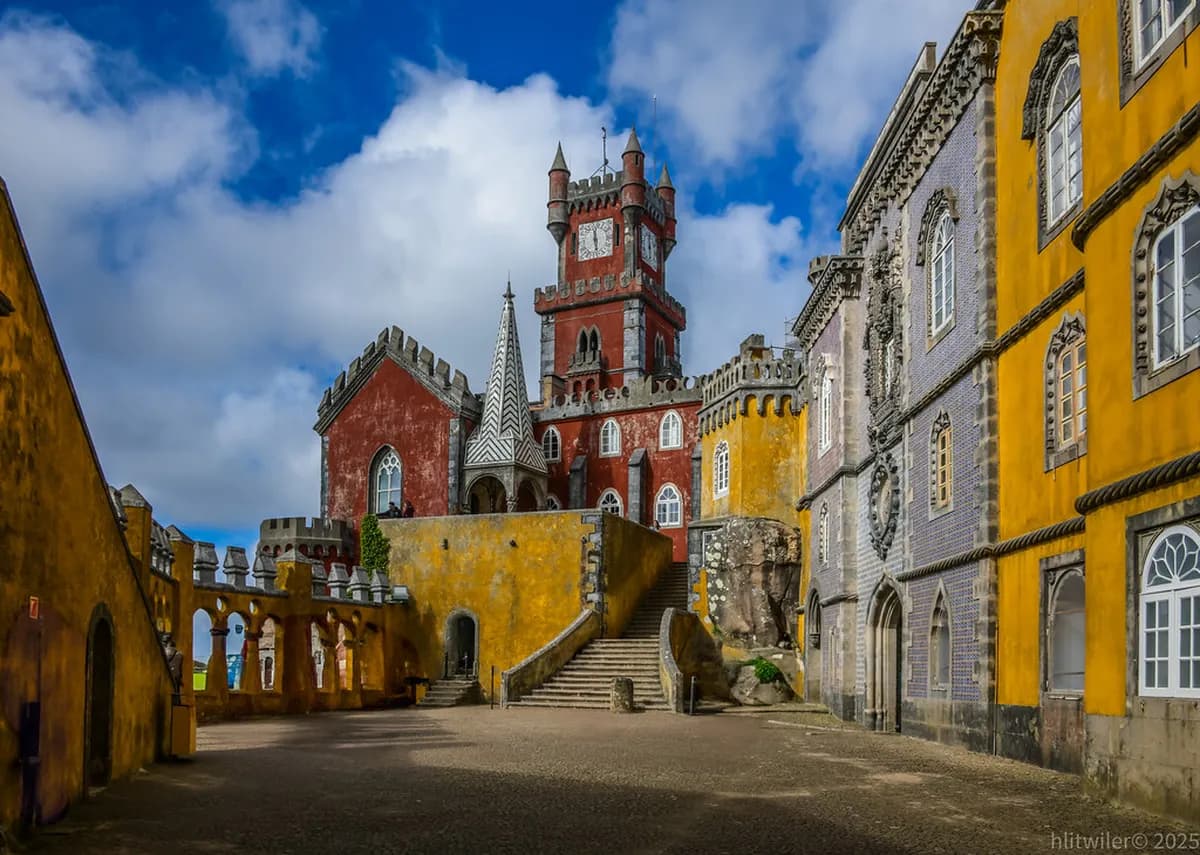
In contrast, the narrow alleys of Alfama can trap heat during the summer, making them feel much warmer than the official temperature. Always dress in layers so you can adjust as you move between the different elevations and areas of the city. Booking your tickets for major landmarks like the Belém Tower or the Pena Palace in Sintra is essential in 2026.
Even during the shoulder seasons, time-slot entries are now standard for many of the most popular historic sites. If you wait to buy tickets at the gate, you might find that all slots for the day are already taken. A little bit of digital planning a few days in advance will save you from significant disappointment during your trip.
Public transport is excellent, but it can get very crowded during the morning and evening rush hours. The historic Tram 28 is a tourist favorite, but it is often too full to board at the most popular stops. Consider using the modern metro system or walking between districts to avoid the most congested transit routes. Exploring on foot is the best way to find hidden viewpoints and charming local shops that most tourists miss.
Key Takeaways for Planning Your 2026 Trip
To ensure a successful trip, remember that the shoulder seasons of spring and autumn offer the best overall experience. Aim for May or September if you want the best weather for both sightseeing and potential beach visits. These months provide the long daylight hours needed to explore the city's diverse neighborhoods and nearby coastal towns.
You will find the city at its most balanced and welcoming during these transition periods. Always keep the local calendar in mind, especially regarding major religious holidays and the June street festivals. These events can either be the highlight of your trip or a source of logistical frustration if you are unprepared.
Check for 2026 public holidays to ensure your favorite museums and restaurants will be open when you plan to visit. Early booking for both flights and accommodation remains the best way to secure the most competitive rates. Finally, don't forget to pack comfortable walking shoes with good grip for the slippery limestone cobblestones.
Lisbon is a very vertical city, and you will likely walk much more than you initially anticipate. Building a flexible itinerary that allows for rest stops at scenic viewpoints will make your journey much more enjoyable. With the right timing and a bit of preparation, your 2026 visit to Lisbon will be a truly memorable experience.
Frequently Asked Questions
What is the rainiest month in Lisbon?
November and January are typically the rainiest months in the city. You can expect frequent showers and overcast skies during this period. It is best to plan indoor activities like visiting the Fado Museum or the Oceanário. Check the Average Rainfall Data for Lisbon for more details.
How many days in Lisbon do you need?
Most travelers find that three to four days is the ideal duration for a first visit. This allows enough time to see the historic center, the Belém district, and take a day trip to Sintra. If you want a slower pace, five days is perfect.
Is English spoken in Lisbon, Portugal?
Yes, English is very widely spoken in Lisbon, especially in the tourism and hospitality sectors. You will have no trouble communicating in hotels, restaurants, and major attractions. Most younger locals are quite fluent and happy to help visitors with directions.
Do you tip in Portugal?
Tipping is appreciated but not mandatory in Portugal. In restaurants, it is common to leave about 5% to 10% for good service. For small cafe orders, rounding up to the nearest Euro is a standard and polite practice for locals.
What is the hottest month in Lisbon?
August is consistently the hottest month, with average highs reaching 28°C to 30°C. Some days can see temperatures spike much higher due to heatwaves. It is the peak of the summer season and the busiest time for the nearby Atlantic beaches.
Lisbon remains one of the most captivating capitals in Europe for any traveler in 2026. Choosing the best time to visit depends on whether you value warm sun or quiet streets. Spring and autumn provide the most comfortable climate for exploring the city's famous hills. Summer offers vibrant culture and festivals, while winter is the best for those on a budget.
Remember to plan around major holidays and the Monday closure schedule for national museums. Using tools like the Lisbon Card can help you save money and time regardless of the season. Always prepare for the hilly terrain by bringing comfortable shoes and staying hydrated in the sun. The city's unique light and historic charm are waiting for you in every month of the year.
No matter when you arrive, the warmth of the Portuguese people will make you feel at home. Take the time to enjoy a slow coffee at a miradouro and soak in the Atlantic views. Your 2026 trip to Lisbon is sure to be filled with beauty, history, and delicious flavors. Start your planning today to experience the very best that this sun-drenched city has to offer.