
10 Best Museums in Lisbon: From the Tile Museum to MAAT
Lisbon stands as a vibrant cultural capital where centuries of history meet cutting-edge modern design. Exploring the city's museums allows you to journey through the Age of Discoveries and the evolution of European art. Many travelers find that understanding the local culture starts with the unique azulejos and the soulful sounds of Fado.
This guide covers the top 10 museums in Lisbon to help you plan an enriching and efficient itinerary. We will look at world-class institutions like the Calouste Gulbenkian and the futuristic MAAT along the river. Knowing how to use the Lisbon Card can significantly reduce your entry costs and transport fares. Prepare to discover hidden gems and famous masterpieces tucked away in historic palaces and modern galleries.
Museu Nacional do Azulejo (National Tile Museum)
The National Tile Museum sits inside the former Madre de Deus Convent and showcases five centuries of decorative ceramic history. This institution highlights the unique Portuguese art form known as azulejos which defines the city's aesthetic. Visitors can walk through the stunning Manueline-style cloister before entering the main exhibition halls. The building itself serves as a masterpiece of religious architecture and baroque decoration.
One of the most significant pieces in the collection is the massive 1755 panorama of Lisbon. This blue and white tile mural depicts the city skyline just before the Great Earthquake changed everything. It offers a rare, detailed glimpse into the medieval layout of the Portuguese capital. Seeing this work helps travelers visualize the historical scale of the city's tragic transformation.
After exploring the galleries, take a moment to visit the opulent church located within the same complex. The contrast between the simple tile displays and the gilded woodcarvings of the church is truly breathtaking. For a local experience, pair your visit with a walk through the nearby Xabregas neighborhood. You will find fewer tourists here compared to the busy center of town.
- National Tile Museum Essentials
- Location: Rua da Madre de Deus
- Best for: History and design lovers
- Top Masterpiece: 1755 Lisbon Panorama
- Monday Status: Closed
Museu Calouste Gulbenkian
The Calouste Gulbenkian Museum houses one of the world's finest private art collections spanning from antiquity to the modern era. Calouste Gulbenkian was a wealthy oil magnate who spent his life acquiring exceptional pieces from across the globe. The collection is divided into the Founder's Collection and the Modern Collection, housed in separate buildings. You can spend hours wandering between Egyptian statues and Impressionist paintings in this serene setting.
The Founder's Collection features an incredible array of Lalique jewelry that remains a highlight for many visitors. These delicate art nouveau pieces showcase the intricate craftsmanship of the early 20th century. Art enthusiasts will also recognize works by masters like Rembrandt, Rubens, and Monet throughout the galleries. The museum layout is designed to provide an intimate viewing experience for every visitor.
Surrounding the museum buildings are the lush Gulbenkian Gardens, which offer a peaceful escape from the urban bustle. Locals often gather here to read by the ponds or enjoy outdoor concerts during the summer months. The gardens are free to enter and provide a perfect spot for a picnic after your museum tour. Consider dining at the onsite cafeteria which serves fresh and healthy Mediterranean-inspired meals.
- Gulbenkian Museum Highlights
- Location: Avenida de Berna
- Must-See: Rene Lalique jewelry
- Garden Access: Free to public
- Monday Status: Closed
MAAT – Museum of Art, Architecture and Technology
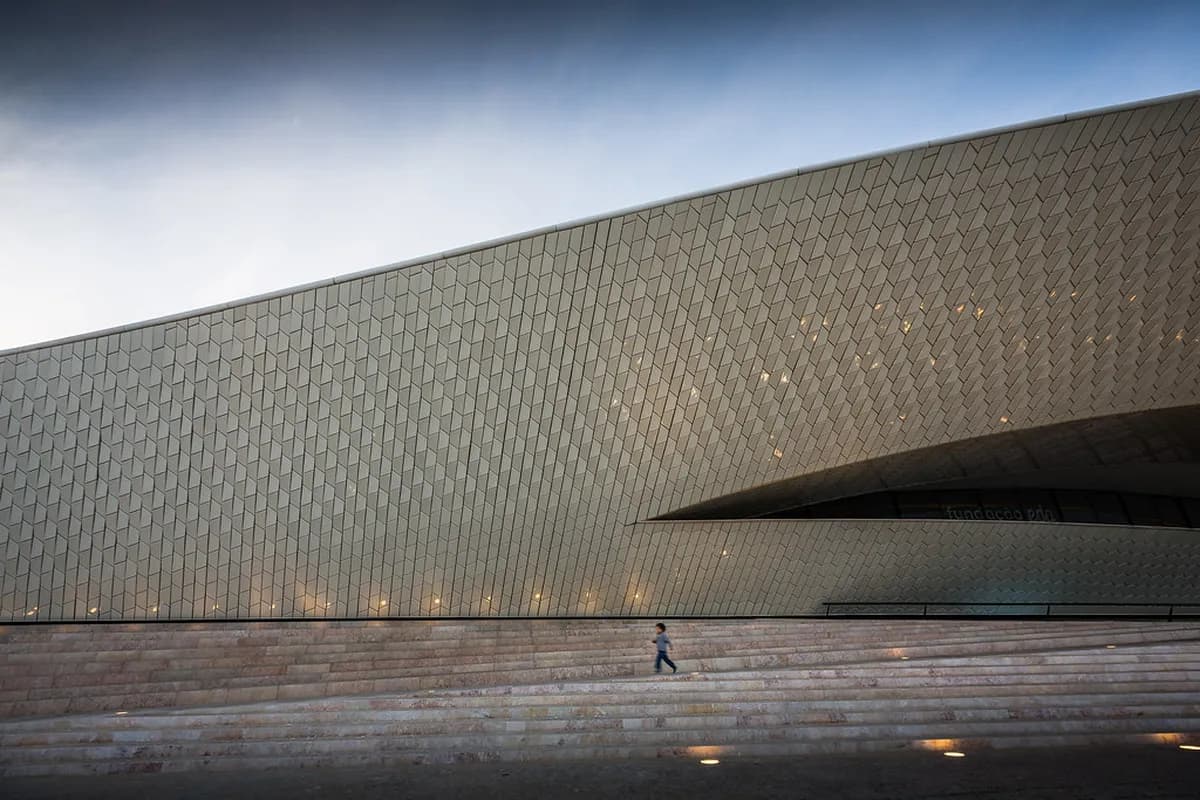
The MAAT is a striking addition to the Belém waterfront and represents the modern face of Lisbon. Its wave-like architecture allows visitors to walk over the roof for panoramic views of the Tagus River. This museum focuses on the intersection of contemporary art, modern architecture, and innovative technology. It often hosts large-scale installations that challenge traditional museum boundaries.
Inside the complex, you will find the historic Tejo Power Station, which once provided electricity to the entire city. This industrial space creates a fascinating contrast with the sleek, white tiles of the new building. You can explore the old machinery and learn about the industrial heritage of Portugal. Check the official site for current exhibition schedules and special events.
The riverside area around the museum is perfect for a late afternoon stroll toward the center of Belém. You can watch the sun set over the 25 de Abril Bridge from the museum's elevated plaza. This location is particularly popular with photographers looking for unique angles of the city's modern skyline. It serves as a great starting point for exploring other Lisbon attractions nearby.
- MAAT Visiting Information
- Location: Belém Waterfront
- Best for: Modern architecture
- Top View: Rooftop plaza
- Monday Status: Open
MNAA – National Museum of Ancient Art
The National Museum of Ancient Art is the most important art gallery in Portugal for historical works. It is housed in a 17th-century palace that once belonged to the Counts of Alvor. The collection includes painting, sculpture, and decorative arts from the Middle Ages to the 19th century. Many pieces highlight the cultural exchanges between Portugal and its former colonies in Africa and Asia.
The absolute must-see masterpiece here is the Panels of São Vicente, painted by Nuno Gonçalves. This 15th-century polyptych depicts various social classes of the time surrounding Saint Vincent. You should also look for Hieronymus Bosch's 'The Temptation of St.
Anthony' in the European galleries. The museum provides a deep dive into the artistic identity of the Portuguese nation.
One of the best-kept secrets of the MNAA is its beautiful garden terrace overlooking the river. You can enjoy a coffee or a light lunch while watching the ships pass by on the Tejo. This peaceful spot is often less crowded than the popular miradouros in the city center. Pair this visit with a walk through the charming Lapa neighborhood to see elegant embassies and mansions.
- MNAA Collection Highlights
- Location: Rua das Janelas Verdes
- Key Work: Panels of São Vicente
- Hidden Gem: Garden terrace café
- Monday Status: Closed
Museu Nacional dos Coches (National Coach Museum)
The National Coach Museum holds the most extensive and valuable collection of royal carriages in the world. It was founded by Queen Amélia in 1905 to preserve the vehicles of the Portuguese Royal House. Today, the collection is split between the original riding school and a modern building across the street. This museum offers a fascinating look at the luxury and power of the European monarchy.
As you walk through the halls, you will see carriages decorated with intricate gold leaf and fine silk. Some of these vehicles were used for royal weddings, coronations, and diplomatic processions across Europe. The sheer size and detail of the 18th-century coaches are enough to impress any visitor. This is an excellent stop during a Belém day trip for families and history buffs.
The new building, designed by Paulo Mendes da Rocha, provides a stark modern backdrop for the old carriages. Its wide, open spaces allow you to see the vehicles from various angles and heights. After your visit, head to a nearby bakery to try the famous Pastéis de Belém. The museum is conveniently located near several other major monuments in the district.
- Coach Museum Visitor Tips
- Location: Praça Afonso de Albuquerque
- Best for: Families and history
- Top Item: Ocean Coach
- Monday Status: Closed
MAC/CCB – Museum of Contemporary Art
Located within the Cultural Center of Belém, the MAC/CCB houses the prestigious Berardo Collection. This museum is the premier destination in Lisbon for modern and contemporary art enthusiasts. The permanent collection features works by iconic artists such as Pablo Picasso, Salvador Dalí, and Andy Warhol. You can trace the evolution of art movements like Surrealism, Pop Art, and Minimalism here.
The museum frequently hosts temporary exhibitions that highlight emerging Portuguese and international artists. Its spacious galleries and clean design make it easy to spend a whole afternoon exploring different styles. Photography is generally permitted in the permanent collection areas, allowing you to capture your favorite pieces. The CCB complex also includes shops, cafes, and a large terrace with views of the Jerónimos Monastery.
Budget-conscious travelers should check the museum's website for free entry days or discounted evening hours. It is one of the best free things to do in Lisbon if you time your visit correctly. The surrounding plaza often hosts outdoor markets and cultural performances on the weekends. Consider visiting early in the morning to avoid the larger crowds that arrive in Belém by midday.
- MAC/CCB Art Highlights
- Location: Belém Cultural Center
- Artists: Picasso, Warhol, Dalí
- Best Feature: Diverse art movements
- Monday Status: Open
Museu do Fado (Fado Museum)
The Fado Museum is dedicated to the soulful urban song of Lisbon, which is recognized by UNESCO. Located at the edge of the historic Alfama district, it serves as the gateway to the city's oldest neighborhood. The museum uses interactive displays and audio guides to tell the story of Fado's origins and evolution. You can listen to recordings of legendary singers like Amália Rodrigues throughout the exhibition halls.
The collection includes traditional Portuguese guitars, historical posters, and personal items from famous Fado performers. Learning about the 'saudade' or deep longing expressed in the music adds depth to your Lisbon experience. This is a perfect stop for those following a 3 days in Lisbon itinerary who want to understand local soul. The museum also hosts regular workshops and live performances in its small auditorium.
After your visit, wander into the narrow streets of Alfama to find a traditional Fado house for dinner. The neighborhood comes alive at night with the sounds of guitars and singing echoing through the alleys. Many local restaurants offer an authentic atmosphere where you can hear Fado while enjoying Portuguese cuisine. Booking a table in advance is recommended, especially for the more famous venues in the area.
- Fado Museum Quick Facts
- Location: Largo do Chafariz de Dentro
- Focus: Portuguese music heritage
- Experience: Interactive audio tour
- Monday Status: Closed
MUDE – Museum of Design and Fashion
MUDE is the primary hub for design and fashion in Lisbon, located in the heart of the Baixa district. The museum is housed in a former bank building, giving it a unique industrial and raw aesthetic. Its collection spans the 20th and 21st centuries, featuring everything from furniture to haute couture. You can see how design has shaped modern life through various thematic exhibitions.
In 2026, the museum is expected to be fully operational after a long period of renovation and temporary shows. Travelers should check the current status of the galleries as some sections may have limited access. The fashion collection is particularly impressive, with pieces from world-renowned designers like Dior and Chanel. Design lovers will appreciate the extensive display of iconic 20th-century furniture and household objects.
The museum's location on Rua Augusta makes it very easy to include in a day of city center sightseeing. It offers a refreshing change of pace from the more traditional history and art museums in the city. The surrounding streets are full of shops, cafes, and historic landmarks like the Arco da Rua Augusta. Admission is often free or very affordable, making it accessible for all types of travelers.
- MUDE Design Highlights
- Location: Rua Augusta, Baixa
- Focus: Design and fashion
- Must-See: Haute couture collection
- Monday Status: Closed
Museu de Marinha (Maritime Museum)
The Maritime Museum is located in the west wing of the magnificent Jerónimos Monastery in Belém. It chronicles Portugal's legendary history as a seafaring nation during the Age of Discoveries. The collection includes detailed ship models, historical maps, and navigation instruments used by famous explorers. You can see how Portuguese sailors mapped the world and established trade routes to distant lands.
One of the highlights of the museum is the hall containing original royal barges and seaplanes. These impressive vessels showcase the craftsmanship and naval power of the Portuguese monarchy. The museum also features a section dedicated to the modern Portuguese Navy and its current roles. It is a must-visit for anyone interested in world history and the evolution of maritime technology.
The museum's setting within the monastery complex adds a sense of grandeur to the visiting experience. You can easily combine this visit with a tour of the monastery's church and the nearby Tower of Belém. The area is rich in historical significance and offers plenty of photo opportunities along the river. Plan for at least two hours to fully explore the extensive maritime collections on display.
- Maritime Museum Essentials
- Location: Jerónimos Monastery
- Top Item: Royal Barges
- Best for: History of discovery
- Monday Status: Closed
Museu do Oriente (Orient Museum)
The Orient Museum is located in a converted warehouse in the Alcântara neighborhood near the river. It celebrates the long-standing cultural connections between Portugal and various Asian nations. The collection is divided into two main sections: Portuguese presence in Asia and the Kwok On collection. You will find beautiful textiles, ceramics, and religious artifacts from countries like China, Japan, and India.
The Kwok On collection is particularly famous for its incredible array of traditional Asian masks and puppets. These items provide a fascinating look into the performing arts and mythologies of the East. The museum layout is modern and spacious, allowing for a contemplative and educational visit. It is often less crowded than the major museums in Belém or the city center.
On Friday nights, the museum often stays open late and offers free admission during certain hours. This is a great opportunity to enjoy the galleries in a more relaxed and atmospheric setting. The onsite restaurant is highly regarded for its fusion of Portuguese and Asian flavors. Consider exploring the nearby LX Factory for trendy shops and street art after your museum tour.
- Orient Museum Highlights
- Location: Avenida Brasília
- Must-See: Kwok On masks
- Special: Friday late openings
- Monday Status: Closed
Lisbon Museums Monday Survival Guide
Many travelers are surprised to find that most major museums in Lisbon are closed on Mondays. This tradition can disrupt your sightseeing plans if you do not prepare for it in advance. Fortunately, a few key institutions remain open to satisfy your craving for culture on a Monday. Planning your itinerary around these exceptions will help you maximize your time in the city.
The MAAT and the MAC/CCB are typically open on Mondays, making them perfect choices for that day. You can spend your Monday exploring the modern side of Belém and the riverside architecture. The Lisbon Oceanarium is another world-class attraction that welcomes visitors every day of the week. Check official websites before you go to confirm current opening hours and any special holiday closures.
Mondays are also a great time to visit the city's many beautiful miradouros and public parks. You can take a tram ride or explore the historic neighborhoods of Alfama and Mouraria on foot. Many churches and smaller monuments remain accessible even when the major galleries are shut. Use this day to enjoy the outdoor beauty of Lisbon before returning to museum hopping on Tuesday.
- Open on Mondays
- MAAT: Open
- MAC/CCB: Open
- Lisbon Oceanarium: Open
- Public Parks: Open
Maximizing Your Budget with the Lisboa Card
The Lisboa Card is an essential tool for many visitors looking to save money on attractions and transport. It provides free entry to over 35 museums and monuments, including most of the ones on this list. You also get unlimited free travel on buses, trams, and the metro for the duration of the card. Understanding the 'break-even point' helps you decide if the card is right for your specific trip.
If you plan to visit at least three major museums in one day, the card usually pays for itself. For example, visiting the Jerónimos Monastery, the Coach Museum, and the MNAA would exceed the daily card cost. The added convenience of not buying individual transport tickets is a significant benefit for many. Consult the Official Lisboa Card Information for a full list of included sites and current prices.
Cards are available for 24, 48, or 72 hours, allowing you to choose the best fit for your stay. You can purchase the card online and pick it up at the airport or various tourist offices in the city. Remember that the card is activated the first time you use it on transport or at an attraction. Keep the card handy as it also offers discounts at many shops and restaurants across the city.
- Lisboa Card Math
- Cost: Approx €22 (24h)
- Savings: Free entry to 35+ sites
- Transport: Unlimited free rides
- Best for: Active sightseers
Frequently Asked Questions
Which Lisbon museums are free on Sundays?
Many state-run museums in Lisbon offer free entry on Sunday mornings for residents of Portugal. Some institutions also provide free access to all visitors on the first Sunday of the month. Check the official website of each museum for their specific free entry policies before you visit.
Is the Lisboa Card worth it for museums?
Yes, the Lisboa Card is generally worth it if you plan to visit multiple major attractions in a short time. It covers entry to top sites like the National Tile Museum and provides free public transport. You can find more details in our guide on how to use the Lisbon Card effectively.
Are Lisbon museums closed on Mondays?
Most traditional museums in Lisbon, such as the National Tile Museum and MNAA, are closed on Mondays. However, modern institutions like the MAAT and the MAC/CCB typically remain open. Always verify current operating hours on official museum websites to avoid disappointment during your trip.
How many days do I need for the Gulbenkian Museum?
You should set aside at least three to four hours to properly explore the Gulbenkian Museum and its gardens. This allows enough time to see both the Founder's and Modern collections without feeling rushed. Many visitors spend a half-day here to enjoy the peaceful outdoor spaces as well.
Lisbon's museum scene offers a diverse and rich tapestry of art, history, and innovation. From the traditional beauty of the National Tile Museum to the futuristic design of the MAAT, there is something for everyone. Planning your visits around opening hours and using the Lisboa Card can make your cultural journey much smoother.
Whether you are a solo traveler or visiting with family, these institutions provide deep insights into the Portuguese soul. Take the time to explore both the famous landmarks and the quieter galleries in neighborhoods like Alfama and Alcântara. Enjoy your cultural adventure through one of Europe's most beautiful and historic capital cities.