
Where to See Fado in Lisbon: Alfama vs Bairro Alto (10 Best Tips)
Lisbon is a city defined by its haunting melodies and soulful rhythms. Fado music serves as the emotional heartbeat of the Portuguese capital. Visitors often struggle to choose between the historic streets of Alfama and the lively alleys of Bairro Alto. Both districts offer unique ways to experience this UNESCO-recognized cultural heritage.
Finding the right venue requires understanding the distinct vibe of each neighborhood. You might prefer a quiet, candlelit dinner in an ancient stone basement. Others may seek the raw energy of a crowded tavern where locals sing spontaneously. This guide explores the best tourist attractions in Lisbon centered around the world of Fado.
Planning ahead is essential for securing a seat at the most popular houses. Many venues fill up weeks in advance during the peak travel season. Knowing the local etiquette will also ensure you have a respectful and immersive experience. Prepare to discover the deep sense of longing known as saudade through these iconic performances.
Understanding the Heart of Fado: A Lisbon Tradition
Fado is much more than just a musical genre for the people of Lisbon. It represents the collective history and emotional depth of the Portuguese spirit. The music typically features a solo singer accompanied by a classical guitar and a twelve-string Portuguese guitar. Lyrics often focus on themes of loss, the sea, and the struggles of the working class.
Amália Rodrigues remains the most iconic figure in the history of the genre. Her influence helped bring Fado to the global stage in the mid-20th century. Today, a new generation of fadistas continues to evolve the sound while honoring its roots. UNESCO recognized Fado as Intangible Cultural Heritage in 2011 to preserve its unique traditions.
The concept of saudade is central to every performance you will hear. This word describes a deep state of nostalgic longing for something or someone lost. It is a feeling that is difficult to translate but easy to feel during a song. Understanding this emotion will help you appreciate the mournful tones of the singers.
Performances usually take place in small, dimly lit rooms to enhance the intimacy. The acoustic nature of the music allows every breath and vocal trill to be heard. Most shows occur late at night when the city streets grow quiet. This timing adds to the mysterious and evocative atmosphere of the experience.
Alfama: The Traditional Soul of Fado
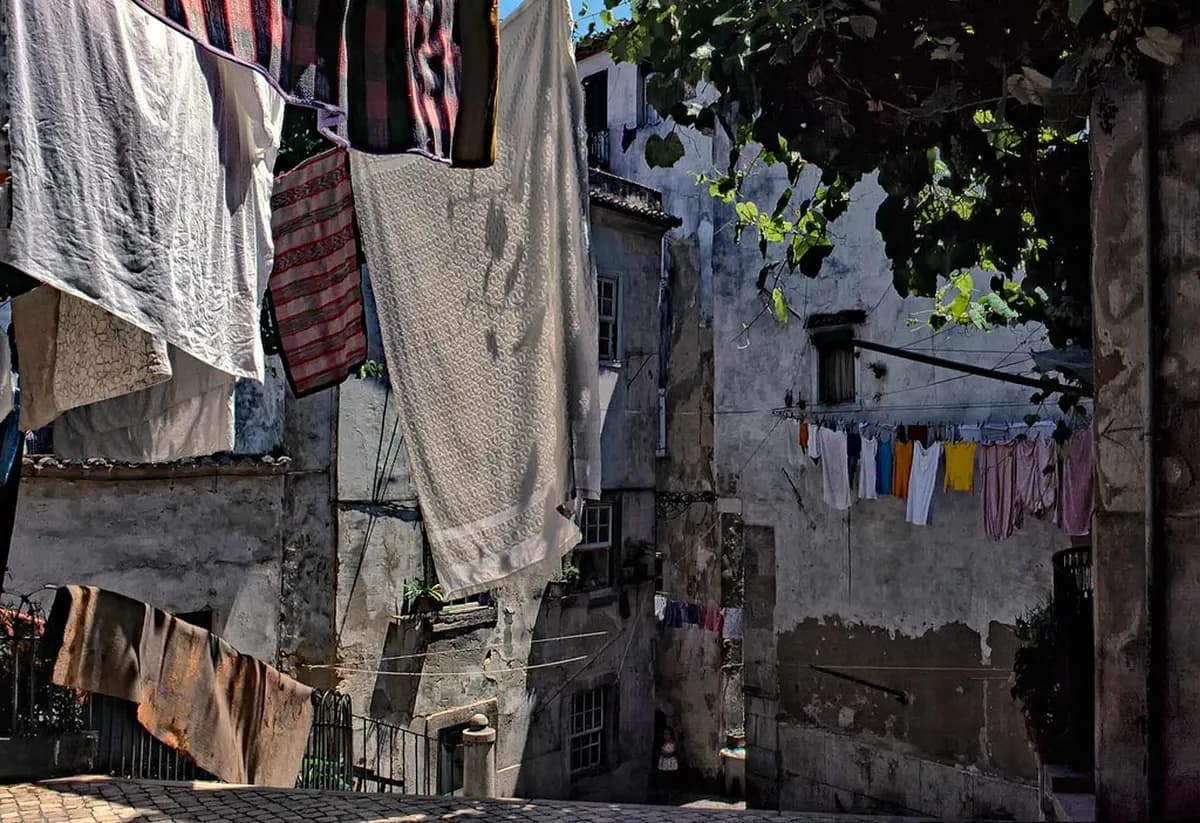
Alfama stands as the oldest district in Lisbon and the true cradle of Fado. Its labyrinthine streets and steep stairways create a perfect backdrop for traditional music. The neighborhood survived the great earthquake of 1755, preserving its medieval layout. Walking through these hills feels like stepping back into a different era of Portuguese history.
Many Fado houses in Alfama are family-run establishments located in former residences. These venues often provide a very intimate setting with only a few tables. The proximity between the performers and the audience creates a powerful emotional connection. You can easily combine a show here with a visit to Castelo de Sao Jorge earlier in the day.
Authenticity is the primary draw for travelers heading to this historic quarter. While some spots cater to tourists, many still attract a loyal local following. The music here tends to be more traditional and less polished than in other areas. Listen for the voices echoing from open windows as you explore the hidden squares.
Navigating Alfama can be challenging due to the steep inclines and uneven cobblestones. Wear comfortable shoes if you plan to walk to your chosen Fado house. Taxis and tuk-tuks can drop you near the main squares, but walking is the best way to explore. The effort is rewarded with some of the most soulful music in the world.
Bairro Alto: The Lively and Bohemian Fado Scene
Bairro Alto offers a stark contrast to the quiet, ancient vibes of Alfama. This district is the center of Lisbon's nightlife and bohemian culture. By day, the streets are sleepy, but they transform into a vibrant hub after sunset. Fado houses here are often larger and more commercially oriented than those in Alfama.
The atmosphere in Bairro Alto is energetic and social for younger travelers. Many visitors include a Fado show as part of a 3 days in Lisbon itinerary. You will find a wide variety of restaurants offering both traditional and modern Portuguese cuisine. Establishments like A Severa provide a historic and grand setting for performances.
Access to Bairro Alto is relatively easy thanks to the Gloria Funicular and nearby metro stations. The neighborhood sits on a hill overlooking the Baixa district. It is a popular choice for those who want to stay close to the main shopping areas. Expect the streets to be crowded with people moving between bars and restaurants.
Performances in Bairro Alto often feature high-quality sound systems and professional lighting. This can make the experience feel more like a concert than a private gathering. Some traditionalists prefer Alfama, but Bairro Alto is excellent for a polished evening out. Check the official websites for show times as they often have multiple sets per night.
Bairro Alto and Mouraria: Different Fado Flavors
While Bairro Alto is famous, Mouraria holds a deep historical significance for Fado. This multicultural neighborhood was the birthplace of Maria Severa, the first Fado star. The music here often feels more grounded and connected to the local community. Mouraria remains less gentrified than Alfama, offering a raw look at Lisbon life.
Comparing these districts helps you decide which "flavor" of music you prefer. Bairro Alto provides a festive, upscale environment suitable for special occasions. Mouraria offers a gritty and diverse atmosphere where various cultures blend together. You might hear African or Brazilian influences creeping into the local Fado style here.
Street art dedicated to famous fadistas lines the walls of Mouraria's alleys. It is a great place to find smaller taverns that do not require reservations. The prices in this area are often lower than in the more famous Fado districts. Exploring both areas gives you a complete picture of the genre's evolution.
Top Fado Houses and Restaurants in Lisbon
Choosing the right venue can make or break your musical evening. Some houses focus heavily on the food, while others prioritize the performance. It is common for the lights to dim completely when the music begins. Always check if a venue has a "minimum spend" requirement before you sit down.
Mesa de Frades in Alfama is famous for its stunning blue and white tiles. The building was once a chapel, providing incredible natural acoustics for the singers. Reservations are mandatory here as the space is extremely limited. It offers one of the most visually and aurally beautiful experiences in the city.
For a more upscale evening, Senhor Vinho in Lapa is a top choice. This venue is owned by a famous fadista and maintains very high standards. The menu features gourmet Portuguese dishes paired with an extensive wine list. It is a favorite for those seeking a sophisticated and professional show.
- Tasca do Chico (Bairro Alto)
- Type: Casual Tavern
- Best for: Fado Vadio
- Where: Bairro Alto
- Cost: Low (drinks only)
- Mesa de Frades (Alfama)
- Type: Historic Chapel
- Best for: Atmosphere
- Where: Alfama
- Cost: High (dinner required)
- Café Luso (Bairro Alto)
- Type: Vaulted Cellar
- Best for: History
- Where: Bairro Alto
- Cost: Medium-High
- Casa de Linhares (Alfama)
- Type: Elegant Restaurant
- Best for: Fine Dining
- Where: Alfama
- Cost: High
Museu do Fado (Fado Museum) – best place to learn about Fado
The Museu do Fado is the perfect starting point for any music lover. Located at the foot of Alfama, it houses a vast collection of memorabilia. You can see historic guitars, original lyrics, and costumes from famous performers. The interactive audio guides allow you to listen to various styles of Fado.
Visiting the museum provides the context needed to appreciate the live shows. You will learn about the social and political history that shaped the music. The museum also hosts temporary exhibitions and occasional live workshops. It is one of the most informative cultural institutions in the city.
You can save money on your entry fee by learning how to use the Lisbon Card. The card offers significant discounts for this and many other museums. It is conveniently located near the Santa Apolónia train station. Plan for about 90 minutes to fully explore the exhibits.
Practical Tips for Booking Fado in 2025
Booking your table in advance is crucial for the best Fado houses. Popular venues like Mesa de Frades often require two weeks of lead time. Many restaurants allow you to book online through their official websites. Always confirm if the booking includes dinner or if it is for the show only.
The "Silence Rule" is the most important piece of Fado etiquette. When the music starts, all talking and service must stop immediately. It is considered very disrespectful to eat or drink while the fadista is singing. Wait for the breaks between songs to continue your conversation or meal.
Be aware of the "couvert" and minimum spend policies in traditional houses. Some places charge a fixed price that covers the music and a full meal. Others may have a minimum consumption fee of €20 to €50 per person. Check recent reviews to avoid any surprises when the bill arrives.
Beyond the Dinner Show: Alternative Fado Options
You do not always need to pay for an expensive dinner to hear Fado. Fado Vadio, or "amateur Fado," is a great way to experience the music. In these sessions, anyone from the audience can stand up and sing. This often leads to a more spontaneous and emotionally raw performance.
Tasca do Chico is the most famous spot for this type of experience. It is one of the best free things to do in Lisbon if you only buy a drink. The room is small and usually packed with people standing against the walls. Arrive early if you want even a small chance of getting a seat.
Some modern venues now offer afternoon shows for those who prefer earlier hours. These are often shorter and more focused on the music than the dining. They are ideal for families or travelers with a busy morning schedule. Look for "Fado in Chiado" for a theatrical version of the experience.
Lisboa em Fado – intimate atmosphere and Port wine
For a pure musical experience, consider visiting Lisboa em Fado. This venue specializes in acoustic performances without the use of microphones. The sound remains natural and fills the intimate room perfectly. It focuses on the quality of the voices and the skill of the guitarists.
The show typically lasts about an hour and includes a glass of Port wine. It is a great option for those who want to hear Fado without a full dinner. The central location makes it easy to fit into a busy sightseeing day. Performers often take the time to explain the meaning behind the songs.
Small group sizes ensure that every guest has a clear view of the stage. The atmosphere is respectful and dedicated entirely to the art form. You can book tickets online to secure your preferred time slot. It offers a high-quality alternative to the larger, more touristy houses.
Frequently Asked Questions
What is the average cost for a Fado show in Lisbon?
A full dinner show in a traditional house usually costs between €50 and €80 per person. If you visit a tavern like Tasca do Chico, you may only need to pay for your drinks. Some intimate acoustic shows cost around €20 including a glass of wine.
Do I need to book Fado shows in advance for my trip?
Yes, advance booking is highly recommended for popular venues in Alfama and Bairro Alto. During the summer months, the best spots can fill up two weeks ahead of time. You can find more planning tips in our 3 days in Lisbon itinerary.
Which Lisbon neighborhood is best for an authentic Fado experience?
Alfama is widely considered the most authentic neighborhood for Fado due to its history and intimate venues. However, Mouraria offers a raw, community-focused vibe that many locals prefer. Bairro Alto is better for those seeking a lively nightlife atmosphere alongside the music.
Can you see Fado without having dinner?
Yes, several places allow you to watch the show without a full meal. Look for venues that offer "show only" tickets or visit casual taverns like Tasca do Chico. Some dedicated Fado centers also provide 45-minute performances designed specifically for listeners rather than diners.
Choosing between Alfama and Bairro Alto depends on the type of evening you desire. Alfama offers a deep dive into history and intimate, candlelit performances. Bairro Alto provides a more energetic and polished experience in the heart of the nightlife. Both districts will leave you with a lasting appreciation for the soul of Portugal.
Remember to respect the silence rule and book your favorite spot early. Whether you choose a grand restaurant or a small tavern, the music will move you. Lisbon's Fado is a journey into the heart of saudade that every traveler should take. Enjoy the haunting guitars and powerful voices of this beautiful city.