
16 Best Museums in St Petersburg Beyond the Hermitage
St. Petersburg is often called the cultural capital of Russia due to its incredible density of world-class galleries and historic sites. While the Winter Palace is legendary, finding the best museums in St Petersburg beyond the Hermitage reveals the city's true depth.
You can explore everything from imperial jewelry and revolutionary warships to nostalgic Soviet arcade games. This guide covers the top cultural institutions to help you build a diverse and memorable Russian itinerary.
Many travelers feel overwhelmed by the sheer size of the main state collections during their first visit. Planning ahead allows you to skip the most crowded spots and find specialized exhibits that match your personal interests. Keep in mind that many local venues observe a "Sanitary Day" once a month for deep cleaning and maintenance. Checking these schedules early ensures you won't arrive at a closed door during your sightseeing adventure.
State Hermitage Museum
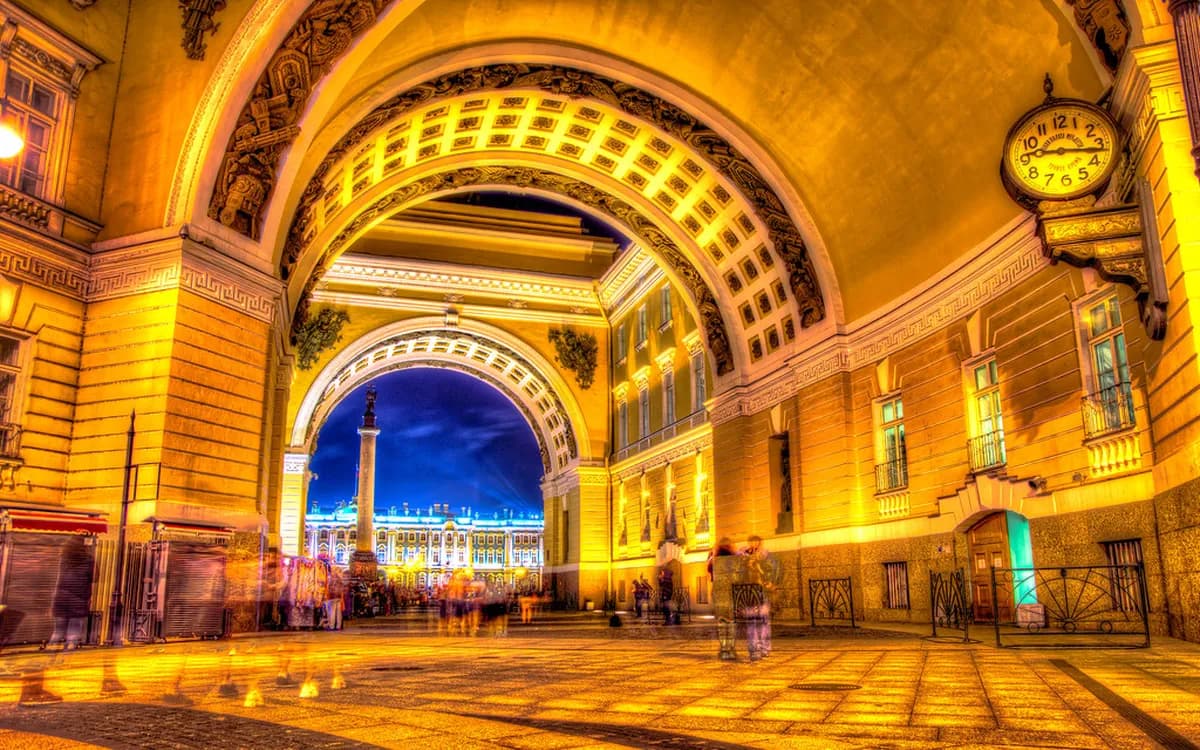
The Hermitage is the essential starting point for any cultural tour of the city. Most visitors focus entirely on the Main Museum Complex within the Winter Palace. You should also explore the General Staff Building across Palace Square for a different experience. This wing houses the world-famous collection of Impressionist and Post-Impressionist masterpieces.
Visiting the General Staff Building is a smart way to avoid the heaviest crowds in the main halls. You can see works by Matisse, Picasso, and Van Gogh in a modern, airy setting. It is often much quieter than the gold-leafed rooms of the tsars. Check the State Hermitage Museum Official Site for current timed entry rules.
If you want to maximize your time, consider a guided tour that covers both buildings in one day. Learn how to visit the Hermitage and General Staff Building to streamline your logistics. This approach helps you see the most important art without feeling rushed or exhausted. Early morning slots are usually the best choice for photographers.
- Hermitage Visiting Essentials
- Location: Palace Square
- Best for: Art lovers
- Closed: Mondays
- Tip: Book online
The State Russian Museum
This institution holds the world's largest collection of Russian fine art within the stunning Mikhailovsky Palace. It offers a comprehensive look at the nation's creative history from ancient icons to avant-garde canvases. You will find massive masterpieces by famous painters like Repin, Shishkin, and Aivazovsky here. The palace itself is a neoclassical gem that rivals the Winter Palace in beauty.
Many people prefer this museum because it focuses exclusively on domestic talent and history. Walking through the halls feels like a journey through the changing soul of the Russian people. You can see how art evolved from religious devotion to imperial grandeur and social realism. It is a vital stop for anyone using a tourist attractions in St Petersburg guide.
The museum complex also includes the Marble Palace and the Stroganov Palace nearby. Each building features unique temporary exhibitions and specialized permanent collections. You might need several hours to appreciate the main palace alone. Wear comfortable shoes as the wooden floors are beautiful but very hard on the feet.
- Russian Museum Quick Facts
- Address: Inzhenernaya St 4
- Metro: Nevsky Prospekt
- Closed: Tuesdays
- Tip: See 'The Last Day of Pompeii'
Peter and Paul Fortress
The Peter and Paul Fortress marks the exact spot where the city was founded in 1703. Its skyline is dominated by the golden spire of the Peter and Paul Cathedral. This church serves as the final resting place for nearly all the Romanov emperors. You can stand inches away from the tombs of Peter the Great and Catherine the Great.
Beyond the cathedral, the fortress houses the grim Trubetskoy Bastion Prison. This section tells the stories of famous political prisoners who were held within these thick stone walls. It provides a stark contrast to the golden splendor of the nearby imperial tombs. Visitors often find the prison cells to be one of the most moving parts of the site.
Be sure to stay for the traditional noon cannon fire from the Naryshkin Bastion. This daily event is a loud and exciting tradition that locals still use to check their watches. The fortress grounds are free to enter, but you need tickets for the individual museums. Walking along the top of the fortress walls offers great views of the Neva River.
- Fortress Visiting Details
- Location: Hare Island
- Metro: Gorkovskaya
- Cannon Fire: 12:00 PM daily
- Tip: Walk the ramparts
Faberge Museum
The Faberge Museum is located inside the beautifully restored Shuvalov Palace on the Fontanka River embankment. It holds the world's largest collection of works by Peter Carl Faberge, the famous imperial jeweler. The highlight of the museum is the group of nine Imperial Easter Eggs created for the last two tsars. These intricate treasures are symbols of the incredible wealth and craftsmanship of the Romanov era.
The display cases are designed with specialized lighting to show off every tiny detail of the gold and gems. You can also see a vast array of silver, clocks, and enameled objects from the Faberge workshops. This private museum is a perfect addition to a 3 day St Petersburg Russia itinerary for luxury lovers. The palace rooms themselves are works of art with painted ceilings and marble stairs.
Booking your tickets online in advance is highly recommended because the museum uses strict entry time slots. Small group tours are available in English to explain the history behind each unique egg. The gift shop is one of the best in the city for high-quality souvenirs. After your visit, you can enjoy a coffee in the elegant museum cafe on the ground floor.
- Faberge Museum Info
- Address: Fontanka River 21
- Metro: Gostiny Dvor
- Open: Daily 10 AM - 9 PM
- Tip: Use the audio guide
Kunstkamera
Established by Peter the Great, the Kunstkamera is the oldest museum in Russia and a very unusual place. It was originally designed as a "cabinet of curiosities" to collect rare specimens from around the world. The most famous and controversial section contains anatomical rarities preserved in glass jars. These exhibits were meant to help the public understand human biology and science during the Enlightenment.
Aside from the medical oddities, the museum serves as the National Museum of Anthropology and Ethnography. You can explore fascinating exhibits about the indigenous peoples of the Americas, Africa, and Asia. The collection includes traditional clothing, weapons, and tools from many different global cultures. It is located on Vasilyevsky Island, right across the river from the Winter Palace.
The building itself is an architectural landmark with a distinctive tower that once housed an observatory. You should plan for about two hours to see the main highlights without rushing. Families often find the ethnographic sections very educational for children of all ages. Be prepared for some crowded halls during the peak summer tourist season.
- Kunstkamera Essentials
- Location: Universitetskaya Emb 3
- Metro: Admiralteyskaya
- Closed: Mondays
- Tip: Visit the tower
Erarta Museum of Contemporary Art
Erarta is the largest private museum of contemporary art in Russia and offers a refreshing change of pace. It features over 2,800 works by more than 300 artists from across the country. The museum focuses on the last 50 years of Russian creative expression and modern thought. You will see paintings, sculptures, and large-scale video installations throughout its five floors.
The museum is famous for its interactive "U-Space" rooms where you can immerse yourself in art. Each room has a different theme designed to evoke specific emotions or memories for the visitor. Travelers often check St Petersburg Reviews on TripAdvisor to see which installations are currently trending. It is a great place to see the more experimental side of Russian culture.
There is also a stylish restaurant and a cafe that serves desserts inspired by the current exhibitions. The museum stays open late, making it a perfect evening activity after traditional sites close. You can buy a pass that allows for multiple visits throughout the year if you are staying longer. Don't forget to visit the design shop for unique modern Russian gifts.
- Erarta Visiting Guide
- Address: 29th Line V.O. 2
- Metro: Vasileostrovskaya
- Open: Daily 11 AM - 10 PM
- Tip: Try art-themed cake
Military-Historical Museum of Artillery
Located directly across from the Peter and Paul Fortress, this museum is a dream for history buffs. It is one of the oldest and largest military museums in the world, dating back to 1703. The massive courtyard is filled with hundreds of tanks, cannons, and missile systems from different eras. You can walk right up to these giants and see the evolution of heavy weaponry firsthand.
Inside the building, the exhibits cover everything from medieval swords to modern nuclear technology. The halls are organized chronologically to show how Russian military power has changed over the centuries. You will see personal weapons belonging to famous tsars and decorated military commanders. It is a very popular spot for families with children who love seeing large machines.
The museum also has a dedicated section for the history of the Kalashnikov rifle and its creator. You should allow at least three hours to explore both the indoor and outdoor sections properly. Most of the outdoor displays are accessible even if you do not enter the main building. Photography is generally allowed throughout the grounds and inside the galleries.
- Artillery Museum Info
- Location: Alexandrovsky Park 7
- Metro: Gorkovskaya
- Closed: Mon and Tue
- Tip: See the tanks first
Museum of Political History of Russia
This museum is housed in the elegant Kshesinskaya Mansion, which once belonged to a famous Russian ballerina. It became a center of revolutionary activity in 1917 and even served as Lenin's headquarters for a time. Today, the exhibits trace the complex political changes in Russia from the late 19th century to the present. You can see rare artifacts from the Bolshevik Revolution and the rise of the Soviet Union.
The displays are very well organized and use modern technology to tell difficult historical stories. You will see propaganda posters, secret documents, and personal belongings of famous political figures. It offers a balanced view of the triumphs and tragedies of the Russian political landscape. This is a must-visit for anyone interested in how the world's largest country was governed.
The mansion itself is a beautiful example of Art Nouveau architecture with many original features preserved. You can stand on the balcony where Lenin once gave his famous speeches to the crowds below. Guided tours are available to help explain the complicated context of the different political eras. Give yourself plenty of time to read the detailed English descriptions in each room.
- Political History Facts
- Address: Kuybysheva St 2
- Metro: Gorkovskaya
- Closed: Thursdays
- Tip: Stand on the balcony
State Memorial Museum of the Defense and Siege of Leningrad
This museum honors the incredible bravery and suffering of the city's residents during the 900-day blockade. It is located on Solyany Lane in the heart of the historic center. The collection focuses on the daily lives of ordinary people who survived under extreme conditions. You will see personal diaries, small pieces of blockade bread, and hand-drawn maps from the wartime era.
The atmosphere inside is very solemn and provides a deep emotional connection to the city's past. It helps visitors understand why the Siege of Leningrad remains such a vital part of local identity today. You can see how the city's factories continued to work even while under constant bombardment. The exhibits also detail the "Road of Life" across the frozen Lake Ladoga.
This museum is smaller than others but packs a very powerful message about human resilience. It is a good idea to visit this site before seeing the larger monuments on the outskirts of the city. Many of the descriptions are translated into English, but an audio guide can provide more depth. It is a deeply moving experience that stays with you long after you leave.
- Siege Museum Details
- Address: Solyany Lane 9
- Metro: Chernyshevskaya
- Closed: Tuesdays
- Tip: Read the diaries
Museum of Soviet Arcade Machines
For a completely different and interactive experience, visit the Museum of Soviet Arcade Machines. It houses a large collection of vintage games that were popular across the USSR in the 1970s and 80s. Your entry ticket includes a handful of authentic 15-kopek coins to use on the machines. You can play classic games like "Sea Battle," "Sniper," and "Table Football" all afternoon.
The museum is designed to be a nostalgic trip back to a simpler time for many local visitors. It is a fantastic place for families and anyone looking for a break from traditional art galleries. You can also try retro soda from a vintage vending machine that uses real syrup. This niche spot is a highlight for many travelers exploring the city's quirky side.
Most of the machines have been carefully restored and are in full working order. The staff is very helpful and can explain the rules of each game if the instructions are only in Russian. You should plan for about 90 minutes of playtime to get through your coins. It is located near the Church of the Savior on Spilled Blood for easy access.
- Arcade Museum Facts
- Address: Konyushennaya Sq 2
- Metro: Nevsky Prospekt
- Open: Daily 11 AM - 9 PM
- Tip: Try the target games
Anna Akhmatova Museum at the Fountain House
This museum is dedicated to one of Russia's most famous poets and is hidden in a quiet courtyard. It is located in the wing of the Sheremetev Palace where Akhmatova lived for many years. The museum preserves the atmosphere of a Soviet communal apartment during a very difficult period of history. You can see her personal desk, her books, and the small items that filled her daily life.
The entrance is through a beautiful gate that leads into a peaceful garden away from the busy streets. It offers a very personal look at the struggles of intellectuals during the Stalinist era. You will find many of her famous poems displayed alongside photographs of her friends and family. This site is a favorite for those who love literature and intimate historical spaces.
The museum often hosts poetry readings and small musical performances in the evenings. You can use an audio guide to hear her poems read in both Russian and English. It is a good idea to read a bit of her work before you visit to appreciate the context. The courtyard itself is often decorated with street art and literary quotes.
- Akhmatova Museum Info
- Address: Liteyny Ave 53
- Metro: Mayakovskaya
- Closed: Mondays
- Tip: Look for courtyard art
Peter the Great Central Naval Museum
The Central Naval Museum is one of the oldest museums in Russia and recently moved to a new home. It is now located in the renovated Kryukov Barracks near the New Holland Island district. The collection includes thousands of ship models, naval flags, and historic weapons from the Russian fleet. You can see the original "Little Bot" boat that Peter the Great used to learn sailing.
The new building offers a lot of space for massive exhibits like full-sized historic boats and aircraft. You will learn about the great naval battles that shaped the Russian Empire and the Soviet Union. The displays are very modern and include many interactive elements for younger visitors. It is a fantastic way to spend a rainy afternoon in the city.
You should allow about two or three hours to see the entire collection properly. The museum is located in a very trendy area with many great cafes and restaurants nearby. It provides a great overview of the city's maritime identity as a major port. Most of the signage is available in English for international tourists.
- Naval Museum Facts
- Address: Truda Sq 5
- Metro: Admiralteyskaya
- Closed: Tuesdays
- Tip: See Peter's boat
Russian State Museum of the Arctic and Antarctic
This unique museum is housed in the former St. Nicholas Church, which gives it a very special atmosphere. It is dedicated to the history of Russian polar exploration and the nature of the Arctic and Antarctic regions.
You can see historic expedition gear, scientific instruments, and a large collection of taxidermy animals. The centerpiece of the museum is a full-sized polar exploration plane hanging from the ceiling.
The exhibits explain how explorers survived in the world's most extreme climates for months at a time. You will see detailed maps and photographs from the first successful missions to the North and South Poles. It is a great place to learn about the environmental challenges facing these fragile regions today. Many visitors find the combination of church architecture and polar science to be very striking.
The museum is quite small, so you can easily see everything in about an hour. It is located near the Vladimirskaya metro station in a very central part of the city. This is a perfect stop for families who want to see something different from the usual art galleries.
Check the St. Petersburg City Administration Tourism Portal for any seasonal event updates.
- Arctic Museum Info
- Address: Marata St 24a
- Metro: Vladimirskaya
- Closed: Mon and Tue
- Tip: See the polar bear
Savior on the Spilled Blood
While it looks like a traditional church from the outside, this building is actually a museum of mosaics. It was built on the exact spot where Emperor Alexander II was assassinated in 1881. The interior is completely covered in over 7,500 square meters of intricate mosaic work. You will see biblical scenes and imperial portraits rendered in millions of tiny colored stones.
The Russian Revival architecture makes it stand out from the neoclassical buildings that dominate the rest of the city. It is one of the most photographed landmarks in Russia for its colorful onion domes and detailed facade. You can see the original cobblestones where the assassination took place preserved inside the shrine. This site is a key part of any free things to do in St Petersburg Russia walking tour of the exterior.
The museum can get very crowded, so it is best to visit early in the morning or late in the afternoon. You need to buy a ticket to enter, and the lines can be long during the summer months. Take your time to look up at the ceiling to see the incredible detail of the dome mosaics. It is a stunning example of late 19th-century Russian craftsmanship and religious art.
- Mosaic Museum Facts
- Address: Griboedov Canal 2
- Metro: Nevsky Prospekt
- Closed: Wednesdays
- Tip: Look at the ceiling
Cruiser Aurora
The Cruiser Aurora is a legendary battleship that played a central role in the 1917 Bolshevik Revolution. It is permanently docked on the Neva River and serves as a floating museum of naval history. You can walk the decks and explore the engine rooms and living quarters of the sailors. The ship's famous bow gun is the one that fired the signal shot to start the attack on the Winter Palace.
The museum inside the ship tells the story of the Aurora's long service, including its role in the Russo-Japanese War. You will see many original artifacts, photographs, and personal items belonging to the crew. It is a very popular site for those interested in military history and the origins of the Soviet Union. The ship is located near the Peter and Paul Fortress for easy combined visiting.
Visiting the deck offers great views of the surrounding river and the city's historic buildings. You should be prepared for some steep stairs and narrow passages when exploring the lower levels. It is a good idea to check the weather as the deck can be very windy and cold. Most visitors spend about an hour exploring the ship before heading back to the mainland.
- Aurora Visiting Info
- Location: Petrogradskaya Emb
- Metro: Gorkovskaya
- Closed: Mon and Tue
- Tip: See the bow gun
Peterhof Museum-Reserve
Peterhof is often called the "Russian Versailles" and is located about 30 kilometers outside the city center. This massive imperial estate features the Grand Palace and a world-famous system of fountains in the Lower Park. You should plan a full day for this trip to see both the palace interiors and the gardens.
It is a highlight of any St. Petersburg imperial palaces day trip itinerary for first-time visitors.
The fountains are the main draw and operate without the use of any pumps, relying entirely on gravity. You can watch the Grand Cascade start up every morning with music and fanfare. The gardens also include "trick fountains" that surprise unsuspecting visitors with a sudden spray of water. Check the Peterhof State Museum-Reserve site for seasonal fountain opening dates.
The best way to reach Peterhof is by taking a hydrofoil boat from the pier near the Hermitage. This provides a scenic 30-minute ride across the Gulf of Finland and drops you directly at the Lower Park. You can also take a train or a bus for a more budget-friendly travel option. Be sure to book your palace tickets well in advance as they sell out quickly during the summer.
- Peterhof Visiting Guide
- Location: Peterhof Town
- Transport: Hydrofoil or Bus
- Closed: Mondays
- Tip: Take the hydrofoil
Frequently Asked Questions
What is the best museum in St Petersburg after the Hermitage?
The State Russian Museum is widely considered the best choice after the Hermitage. It houses the world's largest collection of Russian fine art and offers a deep look into the nation's cultural history. Many visitors find its focus on domestic artists to be a perfect complement to the Hermitage's global collection.
Are museums in St Petersburg closed on Mondays?
Yes, many major museums in St. Petersburg, including the Hermitage and Peterhof, are closed on Mondays. Some smaller venues or private museums like Erarta remain open daily. You should always check the official website for each site before planning your visit to avoid disappointment.
How many days do you need for the Hermitage and other museums?
You should plan for at least three to four days to see the Hermitage and several other top museums. One full day is usually needed for the Hermitage alone, while another day should be dedicated to Peterhof. Use a local guide to find the best Mostotrest Official Bridge Schedules for evening walks after museum visits.
Is the Faberge Museum worth it?
The Faberge Museum is definitely worth it for its unique collection of Imperial Easter Eggs and stunning palace interiors. It offers a more intimate and luxurious experience compared to the massive state museums. The high level of craftsmanship and history makes it a highlight for most travelers to the city.
Which museums in St Petersburg are best for children?
The Museum of Soviet Arcade Machines and the Artillery Museum are excellent choices for families with children. Kids also enjoy the interactive elements of the Naval Museum and the "trick fountains" at Peterhof. These sites provide a more active and engaging experience than traditional art galleries.
Exploring the best museums in St Petersburg beyond the Hermitage allows you to see the many layers of this historic city. From the imperial splendor of the Faberge eggs to the gritty history of the Siege of Leningrad, there is something for everyone. You can mix world-class art with quirky retro games and massive military displays for a balanced trip. Each institution provides a unique window into the Russian soul and the events that shaped the modern world.
Remember to check the "Sanitary Day" schedules and book your tickets in advance for the most popular spots. Planning your logistics carefully will help you avoid museum fatigue and make the most of your time. You can find more detailed guides and planning tips for your trip to Russia on our main destination page. Enjoy your cultural journey through one of the most beautiful and historically significant cities on earth.