
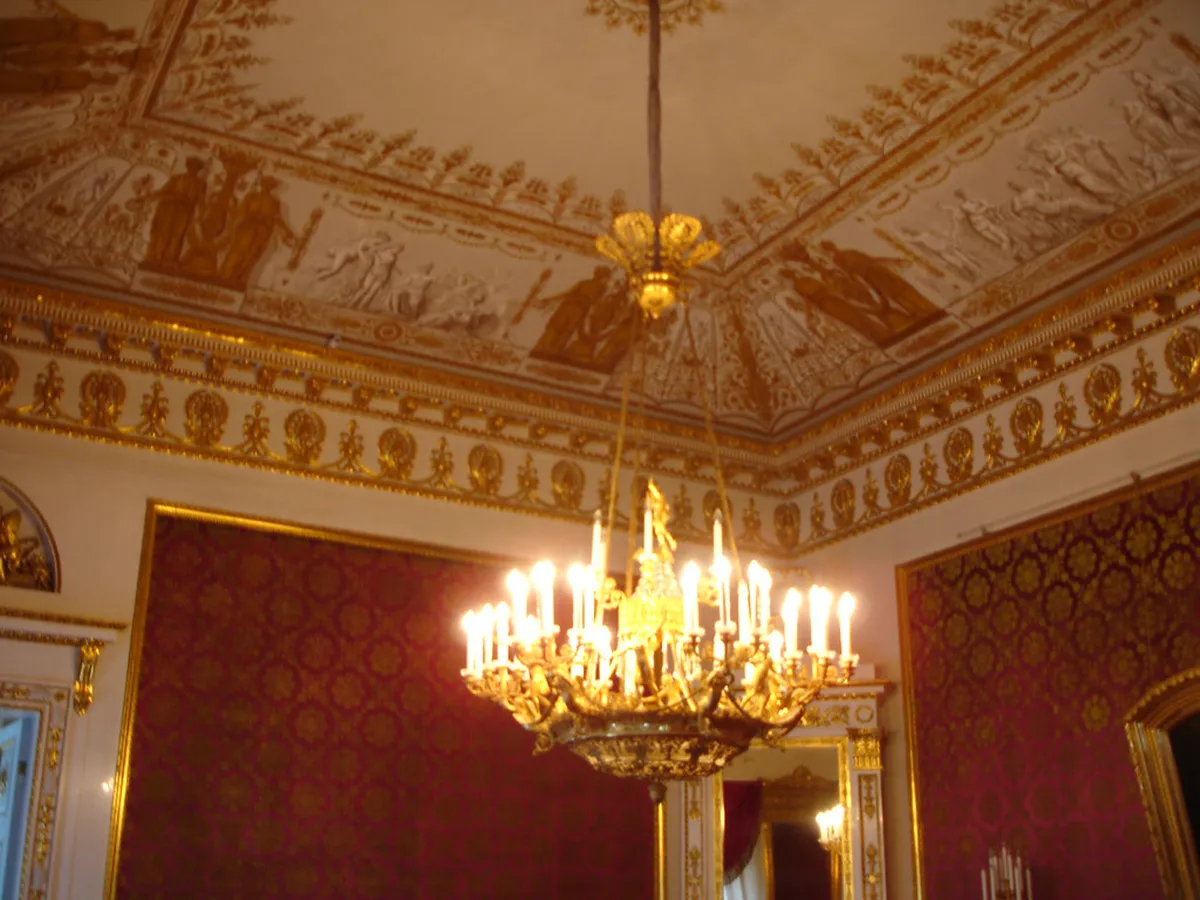
10 Most Beautiful Palaces in St Petersburg
St Petersburg is often called the Venice of the North because of its many canals and stunning imperial history. You will find some of the most beautiful palaces in St Petersburg scattered across the city and its nearby suburbs.
These grand buildings showcase the incredible wealth and artistic taste of the Romanov dynasty over several centuries. Exploring these sites allows travelers to step back into a world of gold leaf and royal intrigue.
Each residence offers a unique glimpse into the lives of the Tsars and the architects who built their dreams. This guide will help you navigate the best historical sites for your next trip to Russia.
Winter Palace
The Winter Palace serves as the iconic center of the city and was once the primary residence of Russian monarchs. Its stunning green and white facade overlooks the massive Palace Square where many historical events took place.
You can spend several days exploring the vast collections housed within this architectural masterpiece today. It remains an essential stop for anyone interested in the rich history of the Russian Empire.
Architect Bartolomeo Rastrelli designed the building in a style known as Elizabethan Baroque which features ornate decorations and grand columns. Visitors should check the State Hermitage Museum Official Site for current opening hours and ticket availability.
Booking your entry online helps you avoid the long queues that often form at the main gates. This palace holds over three million items including world-famous works by Da Vinci and Rembrandt.
- Winter Palace Essentials
- Location: Palace Square center
- Style: Elizabethan Baroque design
- Tickets: Book online early
- Time: Allow four hours
Peterhof Palace
Often called the Russian Versailles, Peterhof Palace is famous for its incredible gardens and the spectacular Grand Cascade fountains. The palace sits on a hill overlooking the Gulf of Finland and offers breathtaking views from the upper terraces.
Visiting this site requires a full day to appreciate the intricate water features and the lavish interior rooms. It represents the maritime ambitions of Peter the Great during the early eighteenth century.
Travelers can reach the grounds by taking a high-speed hydrofoil from the pier located directly behind the Winter Palace. This scenic boat trip takes about forty minutes and provides a unique perspective of the city from the water.
Alternatively, you might choose a bus or taxi for a more budget-friendly way to reach the suburban park. Check the Peterhof State Museum-Reserve website to confirm when the fountains are operational.
- Travel Options to Peterhof
- Hydrofoil: Forty minutes travel
- Bus: Sixty minutes travel
- Train: Fifty minutes travel
- Taxi: Forty-five minutes travel
Catherine Palace
Located in Tsarskoye Selo, Catherine Palace is best known for its bright blue exterior and the legendary Amber Room. This room features walls covered in intricate amber panels and gold leaf that glow under the museum lights.
You must follow a specific route through the palace to see the most famous halls and royal apartments. The surrounding park offers peaceful walking paths and several smaller pavilions worth exploring during your visit.
Crowds can become very large during the peak summer months when cruise ships arrive in the city. To enjoy a quieter experience, try to book a timed entry for the late afternoon or early morning hours.
Many travelers include this stop in a St Petersburg imperial palaces day trip itinerary to maximize their time. This "Golden Hour" strategy allows you to see the facade in the best light for photography.
- Catherine Palace Highlights
- Highlight: The Amber Room
- Location: Tsarskoye Selo suburb
- Tip: Use timed entry
- Photography: Restricted in rooms
Yusupov Palace
The Yusupov Palace sits elegantly on the banks of the Moika River and offers a more intimate look at noble life. While it is smaller than the imperial residences, its interiors are arguably some of the most refined in the city.
You can tour the private theater which still hosts occasional performances for small audiences today. The building is famous as the site where Grigori Rasputin was assassinated in December 1916.
Visitors can explore the basement rooms where the historical events surrounding Rasputin's death are recreated with wax figures. The palace also features a stunning Moorish drawing room and a grand staircase made of white marble.
It provides a fascinating glimpse into the wealth of the Yusupov family who were once richer than the Tsars. Walking through these halls feels like stepping into a private world of extreme luxury.
- Yusupov Palace Details
- River: Moika River bank
- History: Rasputin murder site
- Feature: Private home theater
- Vibe: Intimate noble luxury
General Staff Building
Most people look at the yellow building across from the Winter Palace without realizing it is a major museum. The General Staff Building houses the modern art collections of the Hermitage including world-famous Impressionist paintings.
You will find masterpieces by Monet, Renoir, and Matisse displayed in spacious and well-lit galleries. This section of the museum is often much quieter than the main palace across the square.
Learning how to visit the Hermitage and General Staff Building properly can save you a lot of frustration. The two buildings require separate tickets or a combined pass that allows entry to both sites.
Its neoclassical architecture provides a sharp contrast to the ornate Baroque style of the royal residence. Architecture lovers will appreciate the grand glass-roofed courtyards that connect the different wings of the structure.
- General Staff Features
- Art: Impressionist collection focus
- Crowds: Usually very low
- Architecture: Neoclassical glass roof
- Tickets: Separate entry required
Menshikov Palace
The Menshikov Palace is the oldest stone building in the city and was built for the first governor of St Petersburg. It is located on Vasilyevsky Island and showcases the early architectural styles favored by Peter the Great.
The interior features unique Dutch tiles and carved wood that reflect the tastes of the early eighteenth century. It serves as a branch of the Hermitage Museum and focuses on the culture of that specific era.
This palace is often overlooked by tourists who stick to the main attractions on the other side of the Neva River. You can easily combine a visit here with a walk around the nearby university buildings.
It offers a quieter atmosphere where you can study the details of early Russian imperial life without the crowds. The building survived the wars and revolutions with much of its original character still intact today.
- Menshikov Palace Facts
- Age: Oldest stone palace
- Location: Vasilyevsky Island area
- Decor: Dutch tile walls
- Status: Hermitage museum branch
Marble Palace
The Marble Palace gets its name from the many different types of marble used in its construction and decoration. It was the first neoclassical palace in the city and marked a shift away from the more decorative Baroque style.
You can see the grey and pink stone facade standing proudly near the Field of Mars and the Neva River. The building now belongs to the Russian Museum and hosts various exhibitions of contemporary and classical art.
Inside the palace, the Marble Hall remains the most impressive room with its walls covered in polished stone. It was originally built for Count Grigory Orlov who was a close favorite of Catherine the Great.
You might find fewer tourists here compared to the more famous suburban estates nearby. This makes it an excellent choice for a peaceful afternoon of art and history in the city center.
- Marble Palace Insights
- Material: Thirty marble types
- Architect: Antonio Rinaldi design
- Current Use: Russian Museum
- Nearby: Field of Mars
Stroganov Palace
The Stroganov Palace is a pink Baroque gem located right on the corner of Nevsky Prospect and the Moika River. It was designed by Bartolomeo Rastrelli for one of the wealthiest merchant families in the history of Russia.
You can easily spot its elegant facade while walking down the main street of the city. The palace now functions as a museum where you can see restored interiors and rotating art collections.
One of the highlights is the Great Hall which features a stunning ceiling painting that survived the Soviet era. The palace is also famous for the dish which was allegedly created by the family's chef.
Visiting this site is convenient because it is located near many other tourist attractions in St Petersburg. It offers a compact but very rich experience of the city's aristocratic past.
- Stroganov Palace Guide
- Color: Distinct pink facade
- Location: Nevsky Prospect corner
- Food: Beef Stroganoff origin
- Designer: Bartolomeo Rastrelli architect
Pavlovsk Palace
Pavlovsk Palace was the summer residence of Emperor Paul I and is surrounded by one of the largest English-style parks in Europe. The building features a golden yellow facade and a large dome that dominates the surrounding landscape.
You will find the interiors filled with classical sculptures and fine furniture collected during the royal family's travels. It feels much more like a lived-in home than the grand ceremonial halls of the Winter Palace.
The park is a favorite spot for locals who come to walk among the ancient trees and feed the squirrels. You can rent a bicycle or take a horse-drawn carriage to explore the vast grounds during the warmer months.
In the winter, the snow-covered trails create a magical atmosphere that is perfect for a quiet escape from the city. It is an essential stop on any 3 day St Petersburg Russia itinerary for nature lovers.
- Pavlovsk Palace Tips
- Park: English landscape style
- Owner: Emperor Paul I
- Activity: Squirrel feeding fun
- Winter: Cross-country skiing
Mikhailovsky Palace
The Mikhailovsky Palace is a masterpiece of neoclassical architecture and currently serves as the main building of the State Russian Museum. It was designed by Carlo Rossi and features a grand courtyard with an impressive iron fence.
The collection inside focuses entirely on Russian art ranging from ancient icons to modern avant-garde paintings. You can spend hours walking through the grand halls that were once the home of Grand Duke Mikhail Pavlovich.
The palace is located near the Church of the Savior on Spilled Blood making it very easy to find. Its white columns and yellow walls represent the height of the Empire style that defined the city in the nineteenth century.
Travelers often find the art collection here to be a perfect complement to the international works found at the Hermitage. It provides a deep dive into the creative soul of the nation within a stunning royal setting.
- Mikhailovsky Palace Info
- Museum: State Russian Museum
- Architect: Carlo Rossi design
- Art: Russian icons included
- Location: Near Arts Square
Frequently Asked Questions
What is the best time to visit the palaces in St Petersburg?
The best time to visit is during the summer months for the fountains at Peterhof or the winter for lower crowds. You can find more information on local sites like the St. Petersburg City Administration Tourism Portal for seasonal events and schedules.
Can I take photos inside the Amber Room at Catherine Palace?
Photography is strictly forbidden inside the Amber Room to protect the delicate panels from light damage. You are free to take photos in the other grand halls and the surrounding gardens of the estate. Always look for signage before using your camera in royal apartments.
How do I reach the suburban palaces like Peterhof and Pavlovsk?
You can reach Peterhof by hydrofoil or bus, while Pavlovsk is easily accessible by train from the Vitebsky railway station. Many travelers find that using a free things to do in St Petersburg Russia guide helps balance their budget for these paid excursions.
Exploring the most beautiful palaces in St Petersburg is a journey through the heart of Russian history and art. From the massive scale of the Winter Palace to the quiet elegance of the Yusupov estate, each site tells a story.
Planning your visit in advance will help you see the best of these imperial residences without feeling overwhelmed by the crowds. You should prioritize the sites that match your personal interests in architecture or fine art.
Whether you visit in the snowy winter or during the sunny White Nights, these palaces remain the crown jewels of the city. Start your journey today by checking the Russia travel guide for more planning tips.