
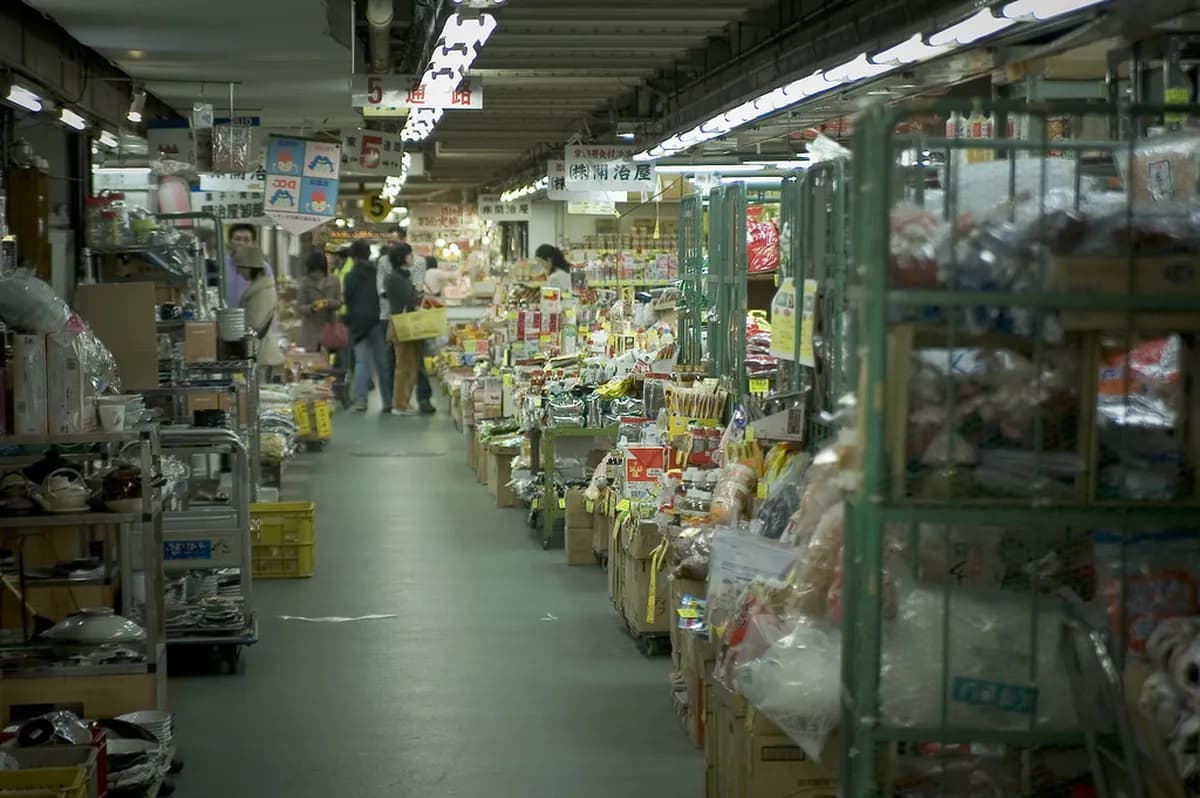
Expert Tips on How to Navigate El Rastro Market in Madrid
El Rastro is the most famous open-air flea market in Madrid and a must-see Sunday tradition. This massive market spans several blocks in the historic La Latina neighborhood every Sunday and public holiday. Knowing how to navigate El Rastro market will help you find the best antiques and local handmade goods. You can spend hours wandering through the crowded streets while soaking up the vibrant Spanish atmosphere.
Visitors will find everything from vintage clothing and old records to unique furniture and traditional crafts. The market serves as a social hub where locals and tourists gather for shopping and mid-day snacks. Understanding the layout and timing is essential for a stress-free experience in this bustling environment. Prepare your walking shoes and get ready to explore one of Europe's most iconic street markets.
Best Arrival Times for El Rastro Market
The market officially opens at 9:00 AM every Sunday morning throughout the year. Arriving early allows you to browse the stalls before the largest crowds arrive around midday. Serious antique hunters often show up right at opening to snag the best unique items. Most vendors begin packing up their items by 3:00 PM as the lunch rush starts.
The atmosphere changes significantly as the morning progresses into the early afternoon. Between 11:00 AM and 1:00 PM, the streets become very crowded and move at a slower pace. Families and social groups often arrive during this window to enjoy the lively street performances. Check the Real-time Closure Updates if you plan to visit on a local public holiday.
If you prefer a quieter experience, try to finish your shopping by 11:30 AM. You will find it much easier to talk to vendors and inspect items closely during the early hours. The Madrid events calendar can also help you plan around major city festivals. Weather in Madrid is usually sunny, but early mornings can be quite chilly in the winter.
Late arrivals might find some discounted prices as sellers look to lighten their loads before leaving. However, many of the most interesting and rare treasures will likely be gone by then. Plan to spend at least two to three hours exploring the different sections of the market. This timeframe gives you enough room to shop and still find a good tapas spot.
Top Streets and Hidden Plazas to Explore
Calle de la Ribera de Curtidores serves as the main artery of El Rastro market. This wide street is lined with stalls selling new clothing, electronics, and mass-produced souvenirs. While it is the most famous path, the real magic often happens on the smaller side streets. Exploring these alleys will lead you to specialized shops that stay open only on market days.
Antique lovers should head toward Calle de San Cayetano, also known as the street of painters. You will find beautiful oil paintings, art supplies, and vintage frames along this specific stretch. Nearby plazas like Plaza de General Vara del Rey offer a more relaxed shopping environment. These areas are great for finding second-hand books, old coins, and historical memorabilia.
The Official Madrid Tourism Portal (esMadrid) provides maps showing the full extent of the market area. Many visitors miss the upper sections near Plaza de Cascorro which feature great leather goods. The lower end of the market near Ronda de Toledo often has larger furniture and household items. Wandering without a strict plan is often the best way to discover hidden gems.
The market is one of the best free things to do in Madrid for culture seekers. You do not need to buy anything to enjoy the sights and sounds of the neighborhood. Take time to admire the historic architecture of the La Latina district while you walk. The mix of old buildings and colorful stalls creates a perfect backdrop for photography.
- Calle de la Ribera de Curtidores
- Type: Main Market Street
- Best for: New clothes and gadgets
- Where: Central Market Axis
- Cost: Entry is free
- Calle de San Cayetano
- Type: Art and Painting Street
- Best for: Original artwork and frames
- Where: West of the main street
- Cost: Varies by artist
- Plaza de General Vara del Rey
- Type: Antique Square
- Best for: Vintage toys and books
- Where: Near the market center
- Cost: Bargaining encouraged
How to Navigate El Rastro Market for Treasures
Successful shopping at El Rastro requires a mix of patience and a keen eye. Most vendors prefer cash payments, especially for smaller items under twenty euros. Carry a mix of coins and small bills to make transactions faster and easier for sellers. While some permanent shops accept cards, the temporary street stalls rarely have card machines.
Bargaining is a common practice at El Rastro, but it should always be done respectfully. Start by asking for a slightly lower price than what is listed on the item. Smiling and being polite will often get you a better deal than being aggressive. If you are buying multiple items from one stall, ask for a small group discount.
Keep a close watch on the quality of items before you finalize any purchase. Look for labels that indicate the goods were made locally in Spain rather than imported. Authentic vintage items should show natural wear and tear rather than artificial distressing. Check the tourist attractions in Madrid guide for more shopping district recommendations. Many visitors find that the best deals are found on the edges of the market.
Be prepared to carry your purchases with you throughout the rest of your day. Bringing a sturdy reusable tote bag is a smart move for any market visitor. Plastic bags are often thin and can break if you buy heavy antique items. Some larger antique shops can arrange shipping for big furniture pieces if needed.
Navigating Food and Drinks in La Latina
The El Rastro experience is not complete without enjoying the local food scene. As the market winds down, the bars in La Latina fill up with hungry shoppers. It is a long-standing tradition to drink a glass of sweet vermouth on tap. This herbal wine is usually served with a small tapa like olives or chips.
Calle de la Cava Baja is the most famous street for tapas in the entire city. You will find dozens of historic taverns serving traditional Spanish dishes like broken eggs. Expect these bars to be very crowded and loud during the Sunday afternoon rush. Embrace the local style by standing at the bar rather than waiting for a table.
Include this food tour as part of your 3 days in Madrid itinerary for a true taste of local life. Try the famous calamari sandwiches if you want a quick and filling market snack. Many bars also serve small plates of Manchego cheese and Iberian ham. Prices for a drink and a small tapa typically range from three to six euros.
Look for bars that have many locals inside to find the most authentic flavors. Avoid places with large picture menus outside as they often target tourists with higher prices. Take your time and move from one bar to another to try different specialties. The social aspect of eating is just as important as the food itself in Madrid.
Essential Safety and Transport Advice
Getting to the market is very easy thanks to Madrid's excellent public transportation system. The closest Metro stations are La Latina and Puerta de Toledo on Line 5. Tirso de Molina on Line 1 is also a short walk from the market's northern edge. Use Citymapper Madrid to find the fastest route from your current location.
Walking from the city center is also a great option if you are staying near Sol. The walk takes about fifteen minutes and leads you through beautiful historic neighborhoods. Be aware that the streets around the market are closed to private vehicle traffic on Sundays. Taxis can drop you off nearby, but they cannot enter the actual market zone.
Safety is an important consideration due to the very high density of people in the streets. Pickpockets are known to operate in El Rastro, especially in the most crowded sections. Keep your backpack on your front or use a secure cross-body bag for valuables. Avoid keeping your phone or wallet in your back pocket while you browse stalls.
If you have time after the market, consider visiting the best art museums in Madrid nearby. The Reina Sofia museum is within walking distance and offers free entry on Sunday afternoons. Always stay hydrated and take breaks in the shade during the hot summer months. A little bit of preparation ensures your Sunday in Madrid is both fun and safe.
Frequently Asked Questions
Is El Rastro market open every day?
No, El Rastro is only open on Sundays and public holidays from 9:00 AM to 3:00 PM. It is a specific weekly event that transforms the La Latina neighborhood. For more information on city schedules, check the Spain travel guide.
Can I use credit cards at El Rastro?
While some permanent shops accept cards, most street stall vendors only take cash. It is best to bring small bills and coins for easier transactions. Many sellers do not have the technology to process digital payments in the middle of the street.
What is the best Metro station for El Rastro?
The La Latina station on Line 5 is the most convenient stop for entering the heart of the market. Puerta de Toledo is another great option located at the bottom of the hill. Both stations put you within steps of the main shopping areas.
Are there public toilets near the market?
Public toilets are rare in the market area, so most visitors use the facilities in local bars or cafes. It is polite to buy a small drink or snack before asking to use the restroom. Some larger public buildings nearby may also have accessible facilities.
Navigating El Rastro market is a quintessential experience for anyone visiting the Spanish capital. By arriving early and exploring the side streets, you can find truly unique treasures and souvenirs. The combination of shopping, history, and tapas makes it the perfect way to spend a Sunday. Remember to stay alert and enjoy the lively energy that defines this historic street market.
Whether you are looking for antiques or just a fun atmosphere, El Rastro never disappoints. Take these tips with you to ensure a smooth and memorable adventure in La Latina. Madrid is a city full of surprises, and this market is certainly one of its brightest highlights. Enjoy your time exploring the stalls and tasting the local flavors of 2026 Madrid.