
How To Visit Italica Roman Ruins From Seville: 6 Essential Tips
Italica was the first Roman city founded outside of the Italian peninsula in 206 BC. The site served as the birthplace for two famous Roman emperors, Trajan and Hadrian. Visiting this ancient location provides a deep look into the history of Roman Hispania. Most travelers include this half-day trip when following a 3 days in Seville itinerary 2026 for their vacation.
The ruins are located just outside the modern town of Santiponce. You will find a massive amphitheatre and stunning floor mosaics still in their original places. Learning how to visit Italica Roman ruins from Seville is simple for any budget. This guide covers everything from bus schedules to the best spots for photography.
How to Get to Italica: Bus, Car, and Transport Tips
Traveling to Italica from the center of Seville is both quick and affordable for most visitors. The most popular way to reach the ruins involves taking a public bus from the Plaza de Armas station. You should look for lines M-170A or M-170B, which depart regularly throughout the morning and afternoon. These buses drop passengers right at the entrance of the archaeological site in Santiponce.
Drivers will find the journey even faster by following the SE-30 or N-630 highways north. The drive typically takes about fifteen minutes from the city center depending on current traffic. Free parking is usually available near the main entrance of the archaeological ensemble. This option provides the most flexibility for those who want to explore nearby towns afterward.
Cyclists can also reach the ruins by following a dedicated path along the river. This route offers a scenic view of the Andalusian countryside during the cooler morning hours. Rental bikes are easy to find among the many tourist attractions in Seville before you head out. Ensure you bring plenty of water if you choose this active transport method.
- Public Bus Transport Details
- Line: M-170A or M-170B
- Station: Plaza de Armas
- Duration: 30 minutes
- Cost: Under 2 Euros
- Driving and Parking Options
- Route: Highway N-630
- Time: 15-20 minutes
- Parking: Free onsite lot
- Ease: Very high
Italica tour from Seville: Guided vs. Self-Guided
Choosing an Italica tour from Seville can greatly enhance your understanding of the ancient Roman Empire. Professional guides share stories about the emperors and the daily lives of the citizens who lived here. Many organized tours include round-trip transport from your hotel in Seville for extra convenience. This removes the stress of navigating the local bus system on your own.
Independent travelers might prefer the freedom of a self-guided visit to the ruins. You can spend as much time as you like admiring the intricate mosaic floors without a group. Modern signage throughout the park provides basic historical context in both Spanish and English. This is often a great choice for those looking for free things to do in Seville and the surrounding area.
Consider your interests before deciding which type of visit suits your travel style best. History buffs usually benefit from the deep knowledge provided by a local archaeological expert. Casual visitors might enjoy a quick solo walk through the amphitheatre before heading back for lunch. Both options allow you to witness one of the most important Roman sites in Spain.
Top Highlights: The Amphitheatre and Roman Mosaics
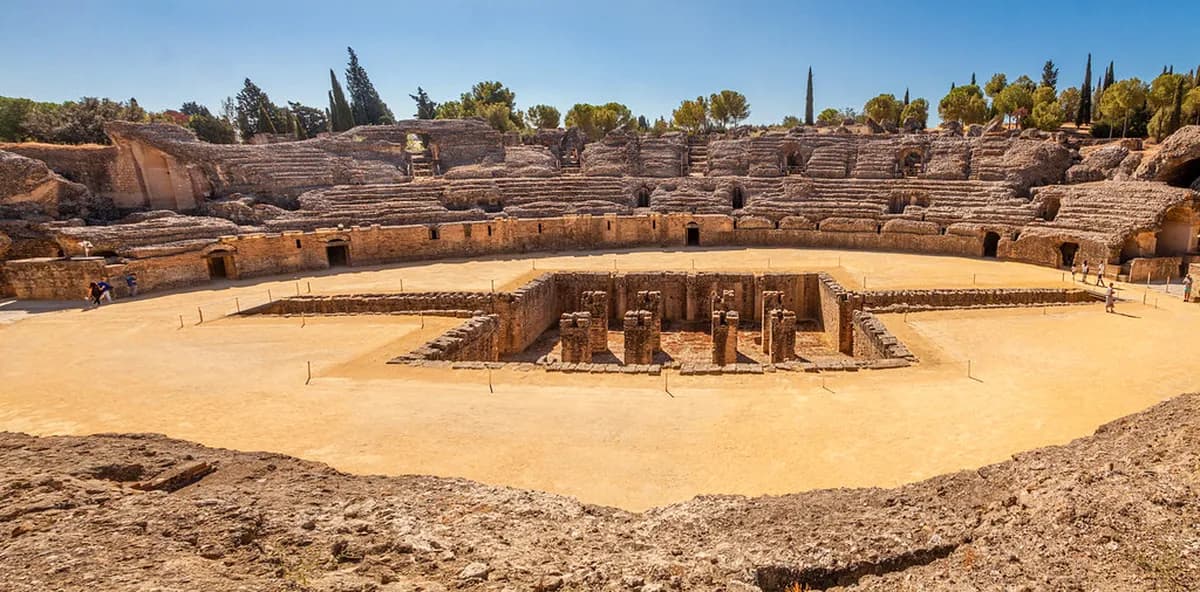
The massive amphitheatre stands as the most impressive structure within the Italica ruins today. It once held over 25,000 spectators who gathered to watch gladiator fights and animal hunts. You can still walk through the vaulted corridors where the fighters waited to enter the arena. This structure was the third largest of its kind in the entire Roman world.
Walking further into the residential area reveals the incredible preservation of the Roman mosaics. The House of the Birds features beautiful depictions of various bird species in vibrant colors. Another highlight is Neptune's House, which contains a large floor mosaic showing the god of the sea. These artworks provide a window into the wealth and status of the city's ancient residents.
Don't miss the chance to see the Roman Theatre located just outside the main archaeological park. This smaller venue sits within the town of Santiponce and requires a short walk from the gate. It served as a cultural hub for performances and gatherings during the city's peak years. Many visitors skip this section, but it is well worth the extra effort to see.
- Must See Ancient Structures
- Site: The Great Amphitheatre
- Art: House of Birds
- Mosaic: Neptune's Sea Scene
- Bonus: Santiponce Roman Theatre
The Game of Thrones Connection (The Dragonpit)
Fans of the hit series Game of Thrones will immediately recognize the amphitheatre as the Dragonpit. This location served as a key setting for major meetings in both Season 7 and Season 8. The stone ruins provided a perfect backdrop for the dramatic negotiations between the show's main characters. Seeing the site in person helps you appreciate the scale of the production.
Production crews chose Italica because of its authentic ancient atmosphere and grand architectural features. The arena floor was used for the tense scenes where dragons were presented to the lords of Westeros. You can stand in the same spots where the actors filmed these iconic television moments. It is one of the most famous filming locations in the Andalusia region of Spain.
Even if you are not a fan of the show, the cinematic quality of the ruins is undeniable. The contrast between the ancient stones and the surrounding green landscape makes for excellent photos. After your visit, you can return to the city and experience a flamenco show in Seville to end your day. This combination of ancient history and local culture creates a perfect travel experience.
Nearby Gem: Monastery of San Isidoro del Campo
Just a short walk from the Roman ruins lies the Monastery of San Isidoro del Campo. This medieval complex features a unique blend of Mudejar and Gothic architectural styles. It was founded in 1301 and holds great historical significance for the local community. Many travelers overlook this site, but it offers a peaceful contrast to the busy ruins.
The interior of the monastery contains beautiful altarpieces and quiet cloisters for visitors to explore. You can see how the architecture evolved over several centuries of use by the monks. It is often much less crowded than the main archaeological site of Italica. This makes it an ideal spot for those who enjoy quiet reflection and historical art.
Combining a visit to the monastery with the Roman ruins makes for a complete day trip. You can easily walk between the two locations in less than ten minutes. Check the local opening times before you go, as the monastery may have different hours than the ruins. After your tour, you might want to visit the best tapas bars in Seville for a well-earned meal.
Practical Details: Hours, Prices, and Best Time to Visit
Entry to the Official Archaeological Ensemble of Italica is free for all EU citizens with a valid ID. Non-EU visitors must pay a very small entrance fee, which is usually around 1.50 Euros. This makes it one of the most affordable historical sites in the entire region. Always bring your passport or national identity card to prove your residency status at the gate.
The site has very little shade, so visiting during the hot summer months requires careful planning. Temperatures in Seville can easily exceed 40 degrees Celsius during the afternoon. It is best to arrive as soon as the gates open in the morning to avoid the heat. Wear a hat, use sunscreen, and bring a large bottle of water for your walk.
Opening hours vary depending on the season, with shorter times usually during the winter months. The ruins are typically closed on Mondays, so plan your itinerary accordingly. Spring and autumn offer the most pleasant weather for exploring the outdoor mosaics and the amphitheatre. Check the best time to visit Seville for festivals to see if your trip aligns with local events.
Frequently Asked Questions
Is Italica worth visiting from Seville?
Yes, Italica is absolutely worth visiting for its massive amphitheatre and well-preserved Roman mosaics. It offers a fascinating look at the birthplace of emperors Trajan and Hadrian. The site is only 15 minutes away, making it an easy half-day trip from the city center.
How do I get to Italica from Seville by bus?
You can take the M-170A or M-170B bus from the Plaza de Armas bus station in Seville. These buses run frequently and drop you off directly in Santiponce near the entrance. The journey takes about 30 minutes and costs less than 2 Euros each way.
How much does it cost to enter the Italica Roman ruins?
Entry is free for EU citizens who provide a valid national ID or passport. For non-EU visitors, the ticket price is only 1.50 Euros, making it very affordable. Check the Itálica Roman Ruins (Wikipedia) page for more historical context before your visit.
Where was Game of Thrones filmed in Seville?
Game of Thrones was filmed in several locations, but the Italica amphitheatre served as the Dragonpit. The arena hosted the major dragon meeting in Season 7 and the council in Season 8. Other filming took place at the Royal Alcázar within the city of Seville itself.
Visiting the Italica Roman ruins is a highlight for anyone interested in ancient history or cinema. The combination of grand architecture and intricate mosaics makes it a unique destination near Seville. With easy bus access and low entry fees, it is a perfect choice for budget travelers. Plan your visit for the morning to enjoy the site before the Andalusian sun gets too hot.