
15 Best Tourist Attractions in Seville
Exploring the sun-drenched streets of Andalusia often leads travelers to the vibrant capital of Seville. This city blends ancient Moorish history with lively modern culture across every winding alleyway. Visitors in 2026 will find a destination that prioritizes heritage preservation and accessible tourism. Understanding the top tourist attractions in Seville helps you navigate this historic landscape with ease.
The city serves as a living museum where Gothic spires meet lush Mediterranean gardens. Planning your itinerary requires a balance of iconic monuments and quiet local neighborhoods. Travelers often feel overwhelmed by the sheer number of palaces and plazas available to explore. This guide highlights the essential sights to ensure your Spanish adventure remains unforgettable.
Key Takeaways
- Use the combined ticket at Iglesia del Salvador to skip the main Cathedral lines.
- Book your Real Alcázar tickets at least two weeks in advance to ensure entry.
- Visit the Museo de Bellas Artes during the afternoon to escape the summer heat.
- Try the local orange wine in Triana for an authentic Sevillian flavor.
Catedral de Sevilla and La Giralda
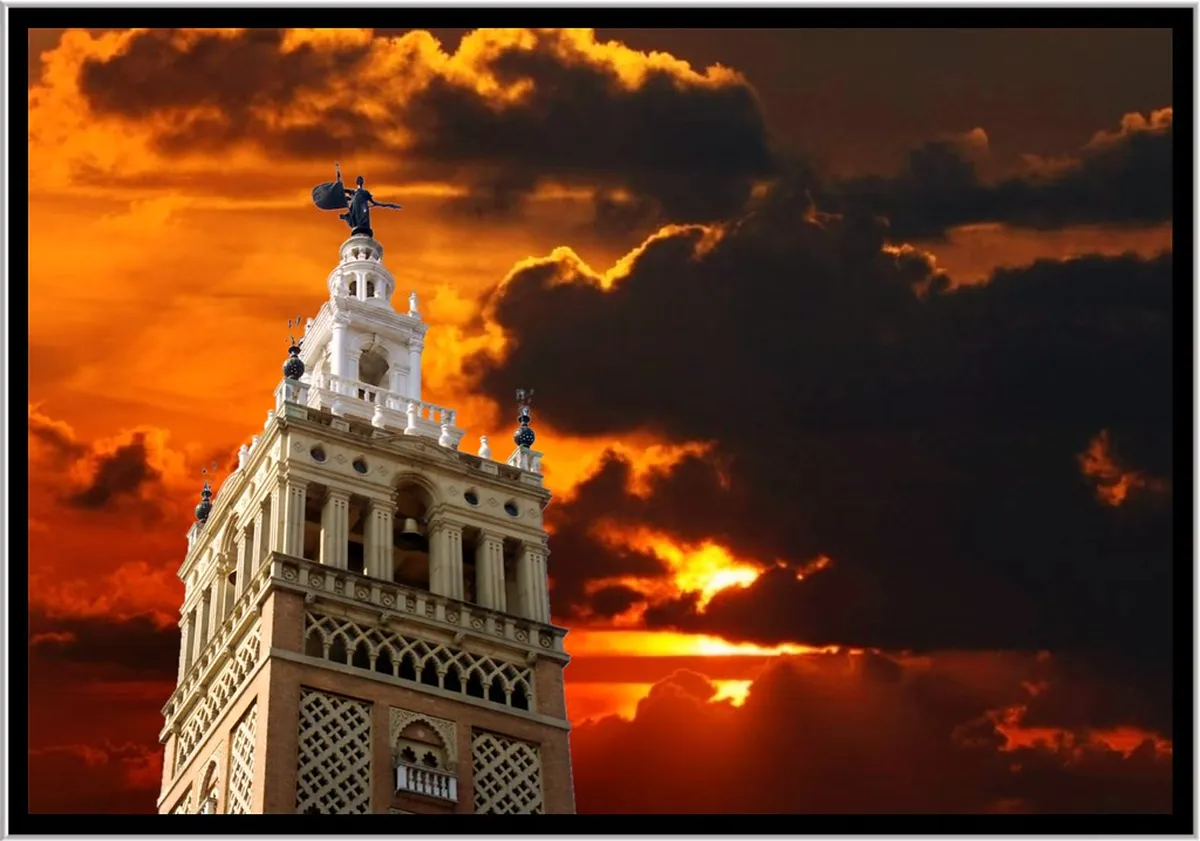
The Seville Cathedral stands as the largest Gothic cathedral in the world and serves as a centerpiece for local history. Inside, the massive golden altarpiece and the tomb of Christopher Columbus draw visitors from across the globe. This UNESCO World Heritage Site reflects the city's transition from a mosque to a Christian temple. The sheer scale of the nave often leaves first-time guests in complete awe.
Climbing the Giralda tower provides a unique perspective of the city's white rooftops and distant rolling hills. Instead of stairs, a series of 34 ramps leads visitors to the belfry at the top. These ramps originally allowed the Sultan to ride his horse to the summit for prayer calls. Reaching the peak offers the best panoramic views available in the historic center.
Purchasing tickets in advance is highly recommended to avoid the lengthy queues that form daily. Visitors should check the Seville Cathedral Official Site for current opening hours and special liturgical closures. Combining your visit with a one day in Seville walking tour ensures you see the surrounding monuments efficiently. Early morning slots usually offer the quietest experience for photography enthusiasts.
Real Alcázar (Royal Palace)
The Real Alcázar remains one of the most stunning examples of Mudéjar architecture in the entire Iberian Peninsula. This royal palace still hosts the Spanish royal family during their frequent visits to the city. Intricate plasterwork and colorful ceramic tiles decorate the walls of the famous Courtyard of the Maidens. Many fans recognize these ornate halls as filming locations for the popular Game of Thrones series.
Lush gardens filled with orange trees and peacocks offer a peaceful escape from the bustling city streets. The underground Baths of Lady María de Padilla provide a cool and atmospheric photo opportunity for visitors. Walking through the various palace wings reveals a fascinating blend of Islamic and Christian design styles. Each section of the complex tells a different story of Seville's multicultural past.
Demand for entry is exceptionally high, so you must book your entry time weeks before your arrival. Check the Real Alcázar Official Site for the latest ticket availability and evening tour options. Including this palace in a 3 days in Seville itinerary 2026 allows for a relaxed pace. Allotting at least three hours ensures you can explore the extensive garden labyrinths fully.
Plaza de España and Parque de María Luisa
Plaza de España serves as a breathtaking monument built for the 1929 Ibero-American Exposition. The semi-circular building features colorful alcoves representing every province in Spain through detailed ceramic tiles. A small canal winds through the square, where visitors can rent rowboats for a scenic perspective. This grand location has also served as a backdrop for major films like Star Wars.
Adjacent to the plaza, the Parque de María Luisa provides a sprawling green space perfect for afternoon strolls. Shady paths and ornate fountains offer a welcome relief during the hotter months of the year. Many locals gather here for picnics or to enjoy the botanical variety of the gardens. The park contains several pavilions from the 1929 expo that now house local museums.
Visiting during the late afternoon allows you to catch the golden hour light hitting the brickwork. It is one of the most popular free things to do in Seville Spain for budget-conscious travelers. Photographers often find the best angles from the ornate bridges that cross the central canal. Sunset provides a dramatic sky that highlights the intricate towers at each end of the plaza.
Barrio de Santa Cruz (The Jewish Quarter)
The Barrio de Santa Cruz is the historic heart of the city and its former Jewish Quarter. Narrow cobblestone streets wind through whitewashed buildings adorned with wrought-iron balconies and bright flowers. This neighborhood is famous for its intimate plazas where the scent of orange blossoms fills the air. Exploring these alleys feels like stepping back into a different era of Spanish history.
Hidden courtyards and small boutiques offer endless opportunities for discovery as you wander without a map. Many of the city's most famous legends and ghost stories originate within these ancient walls. Finding a quiet corner for a coffee allows you to soak in the authentic atmosphere. The area becomes particularly magical in the evening when the street lamps cast soft shadows.
Travelers should wear comfortable shoes as the uneven pavement can be challenging for long walks. This district is a prime location for a best tapas bars in Seville experience after a day of sightseeing. Keep a digital map handy because the labyrinthine layout often confuses even the most experienced navigators. Local residents still live here, so maintaining a respectful volume during your visit is appreciated.
Metropol Parasol (Las Setas de Sevilla)
Metropol Parasol, known locally as Las Setas, is the largest wooden structure in the world. Its modern design created significant controversy when it was first built amidst the city's traditional architecture. Today, it has become a beloved landmark that offers a unique contrast to the surrounding historic buildings. The mushroom-like canopy provides shade for a large public square where various community events take place.
An elevated walkway on the roof allows visitors to enjoy sweeping views of the entire Seville skyline. Below the structure, the Antiquarium museum preserves important Roman and Moorish ruins discovered during construction. This combination of ancient history and avant-garde design makes it a fascinating stop for all travelers. The site also includes a vibrant market and several cafes at the ground level.
Sunset is widely considered the best time to visit for the most impressive visual experience. You can see the Setas de Sevilla Location easily from many points in the city center. Booking your walkway ticket online can save time during the peak tourist season. Nighttime lighting transforms the structure into a glowing sculpture that dominates the local night sky.
Torre del Oro and the Guadalquivir River
The Torre del Oro is a 13th-century military watchtower that stands prominently along the Guadalquivir River. Its name, meaning 'Tower of Gold,' likely refers to the golden reflection it casts on the water. Historically, it served as a defensive point and a storage facility for riches arriving from the New World. Today, the tower houses a small maritime museum that details the city's naval importance.
Walking along the riverbanks offers a refreshing breeze and a chance to see the city from a different angle. Many river cruises depart from the docks near the tower, providing a relaxing way to see the sights. The promenade is popular with both locals and tourists for jogging or leisurely evening walks. Crossing the nearby bridges leads you directly into the colorful Triana district.
Admission to the tower is quite affordable, making it a great addition to any budget-friendly itinerary. Visitors can climb to the top for views of the river and the cathedral's distant silhouette. Check the Seville's Official Tourism Website for updated opening hours before you arrive. The surrounding area is also a great place to find boat tours that explain the river's history.
Museo de Bellas Artes de Sevilla
The Museo de Bellas Artes is widely considered the second most important art gallery in Spain. Housed in a former 17th-century convent, the building itself is a masterpiece of Sevillian architecture. The collection focuses on the Sevillian School of painting, featuring works by masters like Murillo and Zurbarán. Quiet courtyards within the museum provide a peaceful atmosphere for reflecting on the diverse artworks.
Utilizing this museum as part of a 'Siesta Strategy' is a smart move for summer travelers. The galleries are fully air-conditioned, providing a perfect escape during the hottest hours of the afternoon. While the streets outside sizzle, you can enjoy world-class art in cool, quiet comfort. This approach allows you to save your outdoor exploring for the cooler morning and evening periods.
Entry is free for EU citizens and carries a very low cost for other international visitors. It is one of the top 10 monuments in Seville beyond the Alcazar for culture seekers. Allow at least two hours to see the main collections without feeling rushed. The museum is located in a charming square that features a statue of the painter Murillo.
Casa de Pilatos
Casa de Pilatos is an exquisite palace that serves as a quieter alternative to the crowded Real Alcázar. It showcases a stunning mix of Italian Renaissance and Spanish Mudéjar architectural styles. The central courtyard features intricate tile work and classical statues that rival the city's more famous monuments. Many visitors find the intimate atmosphere here much more relaxing for detailed exploration.
The upper floor of the palace houses the private apartments of the Medinaceli family, which are accessible via guided tours. Beautiful gardens at the rear of the property offer a serene spot for photography and rest. You can see some of the finest examples of 16th-century azulejos (tiles) in the entire city here. The palace remains a hidden gem that many general tourist lists often overlook.
Audio guides are usually included in the ticket price to explain the rich history of the rooms. This site is excellent for those interested in the most beautiful churches and cathedrals in Seville and nearby palaces. Visiting during the morning hours often guarantees a peaceful experience with very few other guests. It is located just a short walk from the historic center's main hub.
Triana Neighborhood and Mercado de Triana
Triana is a vibrant neighborhood located across the Guadalquivir River, known for its strong local identity. This area is the traditional home of the city's famous ceramic workshops and flamenco artists. Walking across the Isabel II Bridge brings you directly to the Mercado de Triana, built over the ruins of an old castle. The market stalls offer a fantastic variety of fresh produce, cheeses, and local delicacies.
One unique local specialty to try is 'Vino de Naranja,' or orange wine, made from the city's thousands of bitter orange trees. This sweet and aromatic drink is a staple in many of the neighborhood's traditional taverns. Triana's streets are lined with colorful buildings that reflect the area's maritime and artisanal heritage. It feels less like a tourist zone and more like a real Sevillian community.
Visiting the market in the morning allows you to see the local life at its most energetic. This is a perfect spot to find authentic souvenirs like hand-painted ceramic tiles or plates. If you are traveling with family, there are many things to do in Seville with kids in this riverside area. The riverfront Calle Betis offers numerous restaurants with great views of the city skyline.
Real Maestranza de Caballería (The Bullring)
The Real Maestranza is one of the oldest and most beautiful bullrings in all of Spain. Its striking white and yellow Baroque facade is a landmark of the city's El Arenal district. Even for those who do not wish to see a bullfight, the guided tour offers deep insights into Spanish culture. The museum inside displays a vast collection of traditional costumes and historical bullfighting artifacts.
The arena's architecture is particularly impressive, featuring a unique oval shape and elegant tiered seating. Standing in the center of the ring provides a powerful sense of the scale and history of the traditions held here. Many visitors appreciate the craftsmanship of the royal box and the chapel where participants pray. The site represents a complex but undeniable part of the region's cultural heritage.
Tickets for the guided tours can be purchased at the entrance or on the Real Maestranza Bullring website. Tours are available in multiple languages and run frequently throughout the day. It is located conveniently near the river and other major tourist attractions in Seville. Plan for about an hour to fully experience the museum and the arena floor.
Basílica de Santa María de la Esperanza Macarena
This basilica is the home of the Virgin of Macarena, one of the most beloved religious icons in Seville. The statue is a focal point of the city's famous Holy Week processions, drawing thousands of devotees. Inside, the church is decorated with incredible gold leaf and elaborate religious artwork. It serves as a spiritual heart for many locals who visit to pay their respects daily.
The museum attached to the basilica houses the ornate silver floats and velvet robes used during the festivals. Learning about the Holy Week in Seville - Barcelo Guide can help you understand the significance of these items. The atmosphere inside the church is often quiet and reverent, providing a peaceful moment of reflection. It is a must-visit for anyone interested in the deep religious traditions of Andalusia.
Entry to the main basilica is free, though there is a small fee to visit the museum collection. It is located slightly north of the city center but is easily reachable by local bus or a long walk. Visiting during the best time to visit Seville for festivals will provide a much different, more energetic experience. The surrounding Macarena neighborhood also features parts of the city's ancient Roman walls.
Iglesia Colegial del Divino Salvador
The Iglesia del Salvador is the second largest church in Seville and features a stunning pink Baroque facade. Built on the site of the city's former main mosque, it contains incredible architectural layers from different eras. The interior is famous for its massive and intricately carved wooden altarpieces. Many visitors find the detail inside even more impressive than some parts of the main cathedral.
One of the best travel hacks in the city involves the 'Combined Ticket' offered here. Purchasing your ticket at the Iglesia del Salvador allows you to visit the Seville Cathedral later without waiting in the main line. This strategy can save you over an hour of standing in the sun during peak tourist seasons. It is a perfect example of how a little local knowledge can improve your travel experience.
The church is located in a lively plaza that is popular for outdoor drinks and social gatherings. You can find more details on the Seville Cathedral and the Giralda Official Site regarding these joint tickets. Take some time to explore the small museum and the courtyard inside the church grounds. It offers a quieter, more intimate look at Sevillian religious history compared to the larger monuments.
Italica Roman Ruins
Italica was the first Roman city founded in Spain and is located just a short distance from Seville. It is famous for being the birthplace of Emperors Trajan and Hadrian. The site features a massive amphitheater that once held over 25,000 spectators and appeared in Game of Thrones. Well-preserved floor mosaics in the ancient villas provide a vivid glimpse into Roman domestic life.
Getting to the ruins is straightforward if you take the local bus from the Plaza de Armas station. The journey takes about 20 to 30 minutes and drops you right near the entrance of the archaeological site. This is one of the most rewarding day trips for those interested in ancient history. Reading a how to visit italica roman ruins from seville guide can help with the bus schedules.
Wear a hat and bring plenty of water, as the site has very little shade during the day. You can find more historical context on the Itálica Roman Ruins (Wikipedia) page before your visit. The site is generally much less crowded than the attractions in the city center. Exploring the ancient streets allows for a much more immersive and quiet historical experience.
Isla Mágica Theme Park
Isla Mágica is a popular theme park located on the site of the 1992 World Expo. It is themed around the 16th-century Spanish discoveries in the Americas and the New World. The park features a variety of roller coasters, water rides, and live performances for all ages. It is an excellent choice for families looking for a break from traditional sightseeing and history.
The park also includes Agua Mágica, a large water park area with slides and wave pools. This section is particularly popular during the sweltering summer months when temperatures in Seville can soar. Many of the rides and shows are designed to be interactive and engaging for younger children. It provides a fun and energetic environment that contrasts with the city's historic monuments.
Check the seasonal opening dates, as the park is typically closed during the winter months. It is one of the most recommended things to do in Seville with kids during the warmer seasons. You can easily reach the park by bus or a short taxi ride from the city center. Buying tickets online in advance often provides a small discount on the gate price.
Flamenco Shows and Cultural Experiences
Seville is widely regarded as the cradle of flamenco, and seeing a live show is an essential experience. Authentic performances focus on the raw emotion of the singing, guitar playing, and powerful dancing. Many of the most respected 'tablaos' are found in the Triana and Santa Cruz neighborhoods. These intimate venues allow you to feel the intensity and passion of the performers up close.
For a more educational experience, the Flamenco Dance Museum offers exhibits on the history and styles of the art form. They also host nightly shows in a beautiful courtyard that are very popular with visitors. Learning how to see a flamenco show in seville can help you choose between large theaters and small taverns. Each type of venue offers a different perspective on this deep-rooted Spanish tradition.
Shows typically start late in the evening, aligning with the local Spanish dining culture. Booking your seats a few days in advance is recommended for the most popular and authentic venues. You can find more historical background on the Wikipedia: Flamenco page to enhance your appreciation of the performance. Many shows also offer an optional dinner or drink package to complete the evening.
Frequently Asked Questions
How many days do you need to see the main attractions in Seville?
Most travelers find that three full days are perfect for seeing the major tourist attractions in Seville. This timeframe allows you to visit the Cathedral, Alcázar, and several neighborhoods at a relaxed pace. Check this 3 days in Seville itinerary 2026 for a complete plan.
Is the Seville Cathedral worth going inside?
Yes, the interior is absolutely worth the visit to see the world's largest Gothic nave and Columbus's tomb. The ticket also includes access to the Giralda tower for the best city views. It is a fundamental part of the city's history and architectural heritage.
Do I need to book tickets for the Real Alcázar in advance?
Booking in advance is essential because daily tickets often sell out weeks ahead of time. You should secure your entry through the official website as soon as your travel dates are confirmed. This prevents disappointment and allows you to choose your preferred entry time.
What are the best free things to do in Seville?
The best free activities include exploring the Plaza de España, wandering through Maria Luisa Park, and walking the Santa Cruz streets. Many churches also offer free entry during specific morning hours for religious services. The riverside promenade provides a great free space for evening walks.
Seville offers a rich tapestry of history and culture that caters to every type of traveler. From the towering Giralda to the hidden plazas of Santa Cruz, the city never fails to inspire. Planning your visit around these top tourist attractions in Seville ensures a deeply rewarding experience. Embrace the local pace, enjoy the orange wine, and lose yourself in the beauty of Andalusia.