
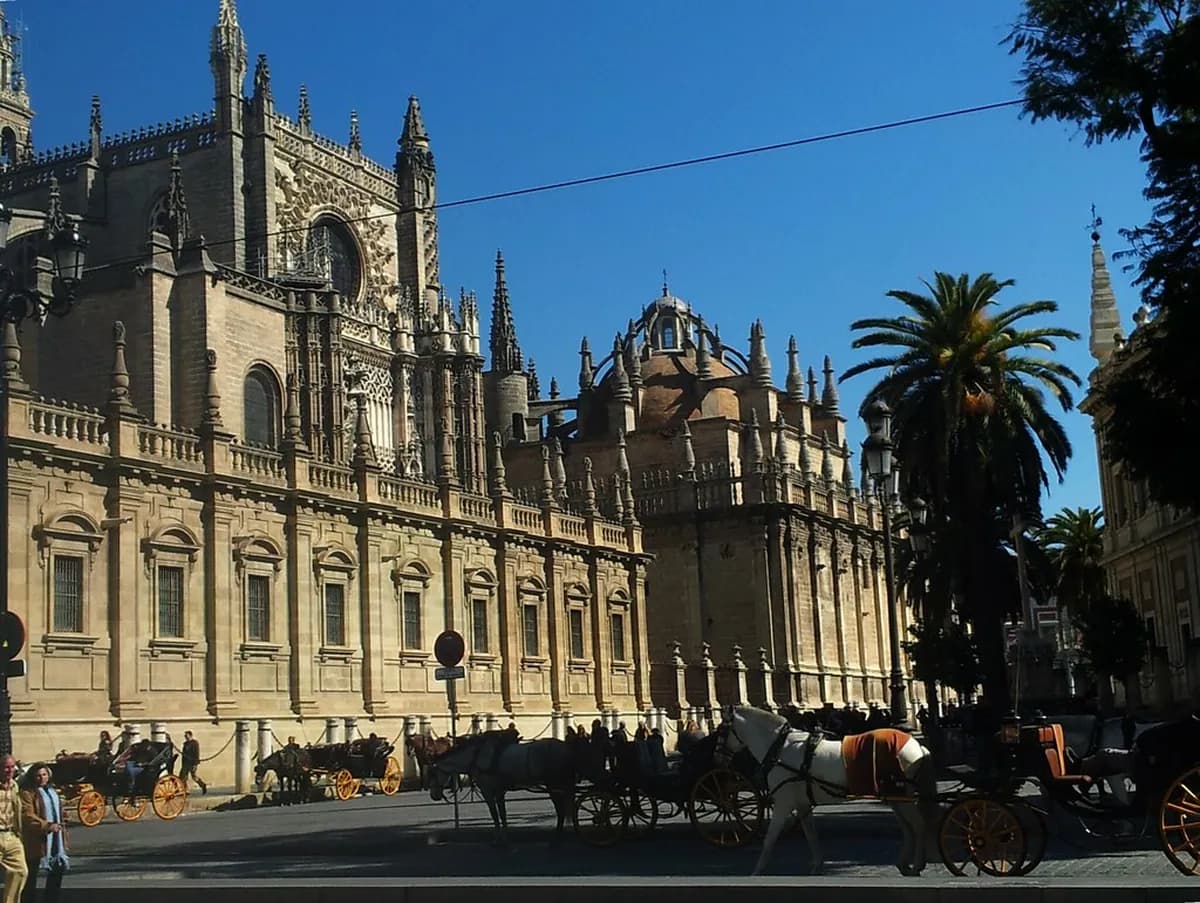
13 Most Beautiful Churches and Cathedrals in Seville
Seville offers a stunning skyline dominated by historic bell towers and golden domes. Walking through the city feels like visiting an open-air museum of religious art. You will find ancient mosques turned into cathedrals and hidden Baroque chapels. This guide helps you discover the most beautiful churches and cathedrals in Seville for your 2026 trip.
Many of these sites are central to the famous tourist attractions in Seville that draw millions annually. The city's spiritual history is etched into every stone and gilded altar. Visitors often feel overwhelmed by the sheer number of religious monuments. Focusing on these thirteen highlights ensures you see the very best of Andalusian heritage.
Map of the Best Churches in Seville
Navigating the winding streets of the Casco Antiguo requires a solid plan to see everything. Most travelers begin their journey in the heart of the city near the Plaza del Triunfo. This central hub places you within steps of the main cathedral and the Bishop's Palace. From here, a short walk leads into the narrow alleys of the Barrio Santa Cruz.
Crossing the Guadalquivir River takes you to the vibrant district of Triana for older Gothic structures. You can then head north toward the Macarena district to see Mudejar towers and Baroque facades. This route covers roughly five kilometers if you visit every major site on foot. Wear comfortable shoes as the cobblestone streets can be tiring after several hours.
Planning your route around opening times is essential for a smooth experience. Many smaller parish churches close for several hours during the afternoon siesta. Check the Seville's Official Tourism Website for updated seasonal schedules before you set out. Starting early in the morning helps you avoid the largest tour groups at the main sites.
Seville Cathedral (Catedral de Santa María de la Sede)
The Seville Cathedral stands as the largest Gothic building in the world and a UNESCO World Heritage site. Builders constructed this massive structure on the site of the former Almohad Mosque in the 15th century. You can still see the Islamic influence in the Patio de los Naranjos and the Giralda tower. The interior features eighty different chapels and the longest nave in Spain.
One of the most famous highlights is the tomb of Christopher Columbus located near the main entrance. Four allegorical figures representing the kingdoms of Spain carry the navigator's casket. The Great Altar serves as another masterpiece, featuring thousands of carved wooden figures covered in gold. It took nearly a century for artists to complete this incredible work of religious devotion.
Climbing the Giralda tower provides the best panoramic views of the city's red-tiled roofs. Instead of stairs, thirty-four ramps allow you to reach the top where the bells reside. This design originally allowed the Sultan to ride his horse to the summit for the call to prayer. Ensure you book tickets on the Seville Cathedral Official Site to secure a specific entry time.
Visiting this monument fits perfectly into a 3 days in Seville itinerary 2026 for first-time guests. The sheer scale of the architecture requires at least two hours for a thorough visit. Morning slots are often quieter before the afternoon heat settles over the city. Remember to dress respectfully by covering your shoulders and knees during your tour.
Church of El Salvador (Iglesia Colegial del Divino Salvador)
The Church of El Salvador is the second largest religious building in Seville after the Cathedral. Its striking pink facade dominates the Plaza del Salvador and reflects the height of Baroque style. This site was originally the main mosque of the city before the Christian conquest. You can still find remnants of the ancient minaret in the base of the current bell tower.
Inside, the church boasts some of the most impressive gilded altarpieces in Andalusia. The central retablo is a massive explosion of gold leaf and intricate wood carvings. Famous sculptors like Juan de Mesa and Martínez Montañés contributed works to this sacred space. Their statues are central figures during the dramatic Holy Week processions each spring.
A major benefit for tourists is the combined ticket system used here. Buying a ticket at El Salvador often includes entry to the main Cathedral and Giralda. This allows you to skip the much longer lines at the Cathedral's main ticket office. It is a smart move for savvy travelers looking to save time during peak season.
The surrounding plaza is a popular spot for locals to enjoy a drink and tapas. After your visit, you can experience the lively atmosphere of the Alcaicería market nearby. This area blends spiritual history with the daily rhythm of modern Sevillian life. The church usually opens for tourist visits from Monday to Saturday during the day.
Church of San Luis de los Franceses
San Luis de los Franceses represents a true **Baroque** masterpiece located in the northern part of the city. Designed by Leonardo de Figueroa, the church served as a novitiate for the Jesuit order. Its unique circular floor plan sets it apart from the traditional Latin cross designs found elsewhere. The exterior features two tall towers and a richly decorated stone portal.
The interior is a breathtaking display of frescoes, mirrors, and gilded carvings. A massive central dome allows natural light to flood the space and illuminate the ceiling paintings. These artworks depict various religious themes and the history of the Jesuit saints. The use of perspective in the frescoes creates an illusion of infinite height for viewers below.
Visitors can also explore the crypt and the domestic chapel used by the young monks. These areas provide a glimpse into the daily life and spiritual training of the 18th century. The church underwent a long restoration process and now looks more vibrant than ever. It is often less crowded than the central monuments, offering a more peaceful experience.
Access is typically available via a small entrance fee that supports the ongoing maintenance. Photography is allowed without flash, making it a favorite spot for architecture enthusiasts. The church is located on Calle San Luis, a street known for its historic charm. Plan for about forty-five minutes to fully appreciate the artistic details of the interior.
Basilica of La Macarena (A Magnificent Construction)
The Basilica of La Macarena is perhaps the most culturally significant church for the people of Seville. It houses the Virgin of Hope, a 17th-century statue that inspires immense devotion. During Holy Week, thousands of people line the streets to watch this image process through the city. The church itself is a Neo-Baroque construction completed in the mid-20th century.
Inside, the walls are adorned with colorful frescoes and intricate marble work. The main altar is a dazzling display of gold that frames the beloved statue of the Virgin. Visitors can also visit the museum located within the basilica complex. This museum displays the ornate silver floats and velvet robes used during the annual processions.
The basilica is located right next to the historic Macarena gate and the ancient city walls. This neighborhood offers a more authentic feel compared to the tourist-heavy center. You can find excellent food at the nearby best tapas bars in Seville and what to order while exploring. The market across the street is also a great place to see local life in action.
Entry to the main basilica is usually free, though there is a charge for the museum. It is a very active place of worship, so be mindful of ongoing masses during your visit. The atmosphere is often filled with the scent of incense and the soft murmur of prayers. It remains a must-visit for anyone wanting to understand the soul of the city.
Parish of Santa Ana (The Gothic Treasure of Triana)
Located in the heart of the Triana district, the Parish of Santa Ana is the oldest church in Seville. King Alfonso X ordered its construction in 1276 after he was cured of an eye disease. The building features a **Gothic-Mudejar** style that looks more like a fortress than a typical church. Its thick brick walls and battlements reflect the defensive needs of the 13th century.
The interior houses a magnificent main altarpiece created by the artist Pedro de Campaña. This work is considered one of the finest examples of Renaissance painting in Spain. The church also contains several important sculptures and a beautiful ceramic baptismal font. Local legends say that children baptized here will be blessed with a good voice for singing flamenco.
Visiting Santa Ana is one of the best free things to do in Seville Spain if you time it right. While there is a small fee for the museum, the main nave is often open for prayer. The church is a cornerstone of the Triana community and its annual festivals. Many residents consider it the "Cathedral of Triana" due to its historical importance.
After your visit, you can explore the nearby pottery shops and riverside walkways. Triana is famous for its independent spirit and deep connection to how to see a flamenco show in Seville traditions. The church is easily reached by crossing the Isabel II Bridge from the city center. You can find more details on its history on the Wikipedia Church of Santa Ana page.
Basilica of Jesus del Gran Poder
The Basilica of Jesus del Gran Poder is home to one of the most revered images in Spain. The statue of Christ carrying the cross was carved by Juan de Mesa in 1620. It is known as the "Lord of Seville" and attracts thousands of pilgrims every week. The church interior is intentionally sober and elegant to keep the focus on the sacred image.
The architecture of the basilica is relatively modern, having been completed in 1965. It sits in the historic San Lorenzo neighborhood, which is famous for its traditional plazas and quiet streets. The facade features a large stone portal that blends traditional and contemporary religious styles. Inside, the atmosphere is one of deep silence and intense spiritual devotion.
Every Friday, locals gather in long lines to kiss the foot of the statue as a sign of faith. This tradition is a powerful display of the city's living religious heritage. If you visit during this time, expect larger crowds and a very solemn environment. It is an excellent place to witness the genuine religious fervor of the Sevillian people.
The basilica is located near the Alameda de Hércules, a great area for lunch after your visit. You can walk here in about fifteen minutes from the main shopping district. There is no entry fee to enter the main sanctuary for prayer or viewing the statue. Always check for special services or wedding ceremonies that might temporarily limit access.
Santa María la Blanca Church (The White Virgin)
Santa María la Blanca is a fascinating example of Seville's layered history and religious transformation. This building has served as a mosque, a Jewish synagogue, and finally a Christian church. Its modest white exterior hides one of the most ornate **Baroque** interiors in the city. The ceiling is covered in incredible plasterwork that looks like delicate lace made of stone.
The church is located at the edge of the Barrio Santa Cruz, the former Jewish quarter. In the 17th century, the famous painter Bartolomé Esteban Murillo was a parishioner here. He created several large canvases for the church, though many are now replicas while the originals reside in museums. The artwork depicts the legend of the founding of Santa Maria Maggiore in Rome.
The best time for photography is during the late morning when sunlight filters through the high windows. This light illuminates the white and gold plasterwork, creating a heavenly glow inside the nave. Because the church is small, it feels much more intimate than the grand cathedral. It is a perfect spot for those who appreciate detailed craftsmanship and artistic history.
Entry is usually free, but donations are encouraged to help with the preservation of the delicate ceilings. The church is often included in walking tours of the Santa Cruz neighborhood. Its location on the Calle Santa María la Blanca makes it easy to find near the Murillo Gardens. It remains a hidden gem that many tourists accidentally walk past.
Iglesia de la Caridad (17th-Century Baroque Complex)
The Iglesia de la Caridad is part of a charitable hospital founded by Miguel de Mañara in the 17th century. Mañara was a wealthy nobleman who dedicated his life to the poor after a spiritual awakening. The church interior is famous for its "macabre" Baroque art that reflects on the theme of mortality. Valdés Leal painted two of his most famous works here: "Finis Gloriae Mundi" and "In Ictu Oculi."
These paintings depict the transition from life to death with startling realism and symbolic detail. They serve as a reminder that worldly wealth and power are temporary compared to spiritual salvation. The main altarpiece is a massive gilded structure that contrasts with the darker themes of the side paintings. It is considered one of the most complex and beautiful Baroque altars in all of Spain.
The hospital complex still functions today as a home for the elderly and the poor. Visitors can walk through the peaceful courtyards decorated with blue and white Dutch tiles. These tiles depict scenes from the Old Testament and provide a calm contrast to the intense art of the church. The site offers a unique look at the intersection of religious art and social charity.
There is a small admission fee which includes an informative audio guide in multiple languages. This guide is essential for understanding the complex symbolism found in the paintings and the life of Mañara. The church is located near the riverfront and the Torre del Oro. It is a must-visit for those interested in the darker, more philosophical side of the Spanish Baroque.
Hospital de las Cinco Llagas (Hospital de la Sangre)
The Hospital de las Cinco Llagas is a massive Renaissance building that now serves as the Andalusian Parliament. Completed in the 16th century, it was once the largest hospital in Europe for several centuries. Its Mannerist architectural style features clean lines and large courtyards that were revolutionary for the time. The building's church is located in the center of the complex and features a beautiful stone facade.
Unlike other churches on this list, access to this site is more restricted due to its government function. However, you can book guided tours that allow you to see the historic halls and the beautiful chapel. These tours provide deep insights into the building's history as a medical facility and its modern political role. Most competitors omit this site, but it is a fascinating piece of Seville's civic history.
The building is located in the Macarena district, directly across from the ancient city walls. Its scale is truly impressive when viewed from the street, showing the ambition of Renaissance Seville. You must book your visit well in advance through the official parliament website. This is a great option for travelers who want to see something beyond the standard tourist circuit.
Nearby, you can find the Basilica of La Macarena, making it easy to visit both in one morning. The surrounding area is less polished than the city center but offers a more local atmosphere. If you enjoy history and politics, this is one of the most unique stops in the city. Remember to bring your passport or ID for security checks during your visit.
Church of San Marcos (Mudejar Architecture)
The Church of San Marcos is one of the best examples of **Mudejar** architecture in the city. This style emerged when Islamic craftsmen continued to work under Christian rule after the reconquest. The most striking feature is the tall bell tower, which was originally an Almohad minaret. It closely resembles the Giralda but on a much smaller and more intimate scale.
The main portal of the church is a beautiful example of Gothic design carved from stone. Inside, the church has a simple three-aisle layout with a wooden ceiling in the Mudejar style. Over the centuries, the building has survived several fires and periods of neglect. Each restoration has carefully preserved the original 14th-century character of the structure.
This church is located in a quiet residential area north of the main shopping district. It offers a peaceful retreat from the more crowded tourist spots in the city center. You can often visit during mass times to see the interior and hear the local choir. The polygonal apse at the back of the church is another unique architectural detail worth seeing.
Walking to San Marcos takes you through some of Seville's most charming and less-visited streets. It is a great way to see the transition from the grand center to the local neighborhoods. There is no fee for entry, but visitors should remain respectful during religious services. It is a perfect stop for those interested in the Islamic roots of Spanish architecture.
Church of San Jose (Baroque Intimacy)
The Church of San Jose is often described as the smallest and most intimate Baroque church in Seville. Tucked away in a narrow street near the city center, it is easy to miss if you aren't looking for it. Once inside, you are greeted by an incredible density of gilded carvings and religious art. Every inch of the walls and ceiling is covered in decorative elements from the 18th century.
The church belongs to the Order of the Barefoot Carmelites and maintains a very traditional atmosphere. It is a popular spot for locals who seek a quiet place for prayer and reflection. The dim lighting and scent of beeswax candles add to the mystical feeling of the space. It provides a stark contrast to the massive scale of the Seville Cathedral just a few blocks away.
Visitors often find the detailed altarpiece to be one of the most beautiful in the city. It features several fine sculptures and intricate wood carvings that have been perfectly preserved. Because it is so small, you can see all the details up close without the need for binoculars. It is a true treasure box of Andalusian Baroque art.
The church is located on Calle Jovellanos, a street known for its traditional fan and lace shops. It is a great place to stop for ten minutes while exploring the central shopping area. Entry is free, and the church is usually open in the mornings and late afternoons. It is a perfect example of how Seville hides its greatest beauties in the most unexpected places.
Maria Madre de la Iglesia College Seville
For those looking to escape the main tourist trail, the Maria Madre de la Iglesia College is a hidden gem. Located in the Nervión neighborhood, it offers a more modern perspective on Seville's religious architecture. The design is clean and functional, reflecting the needs of a contemporary educational and spiritual community. It stands in contrast to the ancient Gothic and Baroque structures of the city center.
The college serves as a center for religious studies and community events for local residents. While it may lack the historical weight of the Cathedral, it provides a look at the living church today. The atmosphere is quiet and welcoming, far from the bustling crowds of the Casco Antiguo. It is a great place to see how modern architecture can still inspire a sense of peace.
Visiting this area allows you to explore the Nervión district, known for its wide avenues and modern shopping centers. It is a popular residential area with many parks and local restaurants. You can easily reach this neighborhood using the city's efficient metro system or a short taxi ride. It is a good choice for travelers staying outside the historic center.
Check the college's schedule for any public events or open house days during your visit. While it is not a primary tourist site, it offers a unique and quiet experience for architecture fans. This is a great way to see a different side of life in Spain beyond the fashion landmarks. It remains one of the city's most underrated spiritual spaces.
- Seville Religious Site Access Guide
- Cathedral: Paid entry required
- El Salvador: Combined ticket available
- Santa Ana: Free nave access
- Macarena: Free with paid museum
Frequently Asked Questions
What is the oldest church in Seville?
The Parish of Santa Ana in the Triana district is the oldest church in Seville, dating back to 1276. It was built by King Alfonso X and features a unique Gothic-Mudejar architectural style. You can find more about visiting Triana in our guide to Seville day trips.
Can you visit the churches for free?
Many parish churches offer free entry during mass hours, though tourist visits may be restricted then. Larger monuments like the Cathedral and El Salvador require a paid ticket for general access. Always check official sites for specific free entry windows for local residents or specific days.
Is there a dress code for Seville cathedrals?
Yes, visitors must follow a respectful dress code when entering religious sites in Seville. This generally means keeping shoulders and knees covered at all times. Avoid wearing hats inside the sanctuary and maintain a quiet voice to respect those in prayer.
Which churches are best for Holy Week?
The Basilica of La Macarena and the Basilica of Jesus del Gran Poder are essential for Holy Week. These churches house the city's most famous processional images. Visiting during Holy Week in Seville - Barcelo Guide requires planning for massive crowds and road closures.
Seville's churches and cathedrals are more than just buildings; they are the heart of the city's identity. From the Gothic heights of the Giralda to the intimate gold of San Jose, there is something for everyone. Each site tells a story of the cultures that have shaped Andalusia over the centuries. Take your time to explore these sacred spaces and soak in the incredible artistry on display.
Remember to check opening times and book tickets in advance for the most popular monuments. Exploring the smaller parish churches will give you a deeper connection to the local neighborhoods. We hope this guide helps you plan an unforgettable spiritual and architectural journey through Seville. Safe travels as you discover the most beautiful religious treasures of Southern Spain.