
10 Must-See Landmarks in Berlin
Berlin stands as a city where centuries of Prussian power meet the heavy weight of 20th-century division. Walking through its streets reveals a unique blend of neoclassical grandeur and gritty modern art. This guide highlights the essential locations that define the spirit of the German capital for every traveler.
Planning a trip requires understanding the diverse history behind each monument and historical site. You will find many of the most famous tourist attractions in Berlin located within the central Mitte district. Exploring these sites offers a deeper look into the events that shaped modern Europe. Prepare for a journey that covers everything from royal palaces to the remnants of the Iron Curtain.
Brandenburg Gate (Brandenburger Tor)
The Brandenburg Gate remains the most famous landmark in Germany and a symbol of national unity. Designed by Carl Gotthard Langhans in the late 18th century, this neoclassical structure originally served as a city gate. It stood in the middle of the 'no-man's land' during the Cold War years of division. Today, it welcomes visitors to Pariser Platz as a powerful emblem of peace and reunification.
The gate features twelve Doric columns that create five separate passageways for traffic and pedestrians. Crowning the structure is the Quadriga, a chariot drawn by four horses driven by the Goddess of Victory. Napoleon once took this statue to Paris as a trophy after defeating the Prussian army in battle. It was later returned to its rightful place above the gate after his eventual defeat.
Visiting early in the morning or late at night allows you to avoid the largest crowds of tourists. The soft lighting at dusk provides a perfect opportunity for professional-level photography of the sandstone pillars. You can easily reach the gate by taking the S-Bahn or U-Bahn to the Brandenburger Tor station. Spend some time walking through the surrounding square to soak in the historic atmosphere of the city.
- Essential Visitor Details for the Gate
- Location: Pariser Platz, Mitte
- Admission: Free for everyone
- Best Time: Sunrise or late evening
- Nearest Station: Brandenburger Tor (S/U-Bahn)
Reichstag Building
The Reichstag Building serves as the seat of the German Parliament and a masterpiece of modern architecture. Originally completed in 1894, the building underwent a massive reconstruction after the reunification of Germany. Architect Norman Foster designed the stunning glass dome that now sits atop the historic stone structure. This dome represents political transparency, allowing citizens to look down upon the debating chamber below.
Visitors must register in advance to access the dome and the rooftop terrace for security reasons. The official Reichstag Visit Registration portal handles all booking requests for individuals and groups. Ensure you bring a valid passport or national ID card for the mandatory security check at the entrance. Audio guides are provided for free to explain the history and the surrounding skyline views.
A clever local tip for those who missed the standard booking window is the Käfer restaurant workaround. Booking a table at the Käfer Dachgarten-Restaurant Reservations allows you access to the roof. This often works even when the general admission slots for the dome are completely full. Learn more about the process in our guide on how to visit the Reichstag building and dome effectively.
- Quick Facts for Reichstag Visitors
- Admission: Free (registration required)
- Highlights: Glass dome and roof terrace
- Accessibility: Full elevator access available
- Tip: Book at least 3 weeks ahead
Museum Island (Museumsinsel)
Museum Island is a unique ensemble of five world-renowned museums located on the Spree River. This site earned its place on the UNESCO World Heritage List due to its cultural and architectural value. The complex includes the Altes Museum, Neues Museum, Alte Nationalgalerie, Bode Museum, and the Pergamon Museum. Each building offers a different focus, ranging from ancient Egyptian artifacts to 19th-century European paintings.
Travelers often wonder which museums on Museum Island they should prioritize during a short visit. The Neues Museum is a top choice for those interested in the famous bust of Queen Nefertiti. Art lovers should head to the Alte Nationalgalerie to see works by Impressionist and Romantic masters. The Bode Museum houses an impressive collection of Byzantine art and classical sculptures.
Please note that the main Pergamon Museum building is currently closed for extensive long-term renovations. You can still experience the grandeur of the site at the Pergamonmuseum The Panorama exhibition nearby. This temporary exhibit features a massive 360-degree painting of the ancient city of Pergamon. Check the latest updates on museum schedules before planning your full day of gallery hopping.
- Museum Island Planning Guide
- UNESCO Status: Listed since 1999
- Passes: 3-day Museum Pass recommended
- Location: Am Lustgarten, Mitte
- Closure: Pergamon Museum (main building)
Berlin TV Tower (Fernsehturm)
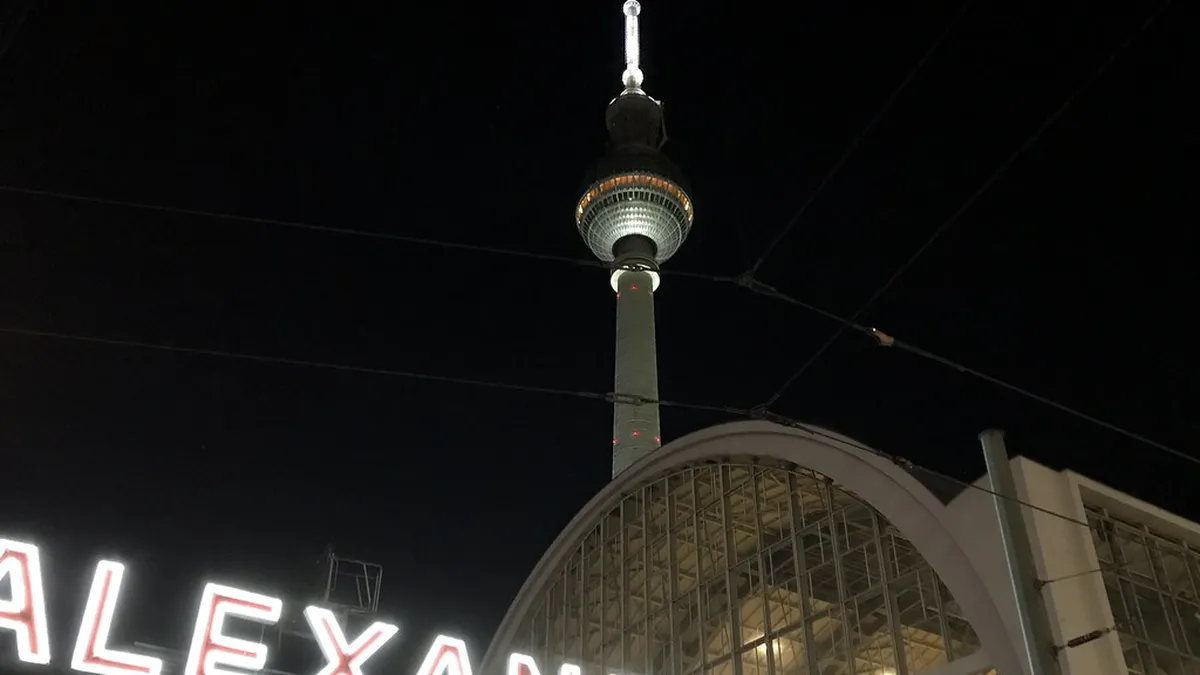
The Berlin TV Tower stands as the tallest structure in Germany at a height of 368 meters. Built by the German Democratic Republic in the 1960s, it remains a dominant feature of the city skyline. It was originally intended to demonstrate the technological strength of the East German state. Today, it serves as a popular observation point offering 360-degree views of the sprawling capital.
The observation deck sits at 203 meters and provides visibility of up to 40 kilometers on clear days. A revolving restaurant located just above the deck allows you to dine while the city slowly turns below. Tickets can be quite expensive, so booking online in advance is highly recommended to save time. Expect long queues during peak holiday seasons and on weekends throughout the year.
If the TV Tower prices are too high, consider visiting the Panoramapunkt at Potsdamer Platz instead. This alternative offers a faster elevator and excellent views of the TV Tower itself from a distance. Many locals prefer this spot because it includes the landmark tower in their skyline photographs. Regardless of your choice, seeing Berlin from above is an essential part of any first-time itinerary.
- TV Tower Visitor Statistics
- Height: 368 meters total
- Observation Deck: 203 meters high
- Nearest Station: Alexanderplatz
- Feature: Revolving Sphere restaurant
Berlin Cathedral (Berliner Dom)
The Berlin Cathedral is the city's largest and most important Protestant church, located on Museum Island. Its striking green copper dome and ornate Renaissance architecture make it a favorite for photography enthusiasts. The current building was completed in 1905, though it suffered significant damage during World War II. Restoration efforts have returned the interior to its former glory, featuring elaborate mosaics and gold leaf.
One of the main highlights of a visit is the descent into the Hohenzollern Crypt below the nave. This royal burial site contains nearly 100 sarcophagi belonging to members of the Prussian royal family. It provides a somber and fascinating look into the history of the dynasty that ruled Germany. Visitors can also attend daily services or enjoy the magnificent sounds of the massive Sauer organ.
Active travelers should climb the 270 steps to the outer walkway of the cathedral dome. The climb is narrow and steep, but the panoramic views of Mitte are well worth the physical effort. From this vantage point, you can see the Spree River and the nearby Humboldt Forum in great detail. Allow at least ninety minutes to explore both the crypt and the dome during your visit.
- Cathedral Visitor Information
- Admission: Paid entry for tourists
- Steps to Dome: 270 steps
- Key Feature: Hohenzollern Crypt
- Location: Am Lustgarten
Berlin Wall Memorial (Gedenkstätte Berliner Mauer)
The Berlin Wall Memorial at Bernauer Straße is the best place to understand the city's Cold War division. Unlike other tourist spots, this memorial preserves a complete section of the original border fortifications. You can see the inner wall, the death strip, and the outer wall from a dedicated viewing platform. This site offers a somber look at how the barrier impacted the daily lives of local residents.
The outdoor exhibition extends for 1.4 kilometers along the former border strip and includes various monuments. Markers on the ground indicate where escape tunnels were dug by those seeking freedom in the West. The Chapel of Reconciliation stands on the site of a former church that was demolished by the GDR. You can read more about the Berlin Wall Memorial to plan your walking route.
It is important to contrast this educational site with the more artistic East Side Gallery across town. While the gallery celebrates art, this memorial focuses on the tragic history and loss of life at the border. We recommend visiting both to get a balanced perspective on the history of the wall. Check our list of top Berlin Wall sites and memorials for more locations to explore.
- Wall Memorial Site Details
- Admission: Free outdoor exhibition
- Visitor Center: Closed on Mondays
- Nearest Station: Nordbahnhof (S-Bahn)
- Atmosphere: Educational and somber
East Side Gallery
The East Side Gallery is the longest remaining section of the Berlin Wall, stretching for 1.3 kilometers. After the wall fell in 1989, artists from around the world were invited to paint murals on the eastern side. This open-air gallery has since become a vibrant monument to freedom, hope, and the spirit of reunification. It is located along the Spree River in the trendy Friedrichshain neighborhood.
The most famous mural depicts the 'Fraternal Kiss' between Soviet leader Brezhnev and East German leader Honecker. Other artworks focus on political messages, environmental themes, and the joy of the wall's collapse. Walking the entire length of the gallery takes about 45 minutes if you stop to admire the art. The area can get very crowded, so visiting on a weekday morning provides a much quieter experience.
Since the gallery is entirely outdoors, it is accessible 24 hours a day without any admission fee. Be aware that the murals are often subject to vandalism and require frequent restoration by local art groups. The nearby Oberbaum Bridge offers another architectural highlight and great views of the riverfront. This landmark is a must-see for anyone interested in the intersection of history and modern street art.
- East Side Gallery Visitor Tips
- Length: 1.3 kilometers
- Admission: Free always
- Famous Mural: The Fraternal Kiss
- Nearest Station: Ostbahnhof or Warschauer Straße
Charlottenburg Palace (Schloss Charlottenburg)
Charlottenburg Palace is the largest and most magnificent palace remaining in Berlin today. Built at the end of the 17th century, it served as a summer residence for the Prussian royalty. The palace features stunning Baroque and Rococo interiors that showcase the wealth of the Hohenzollern dynasty. Visitors can tour the Old Palace and the New Wing to see royal apartments and banquet halls.
The palace gardens are equally impressive and are free for the public to enter and enjoy. Designed in the French formal style, the gardens feature manicured lawns, statues, and a picturesque lake. A walk through the grounds leads to the Belvedere tea house and the royal mausoleum. Many locals use the park for jogging and weekend strolls away from the busy city center.
If you visit during the winter season, the palace hosts one of Berlin's most beautiful Christmas markets. The festive lights and wooden stalls create a magical atmosphere against the backdrop of the illuminated palace. During the summer, the gardens are perfect for a picnic or a relaxing afternoon in the sun. Plan to spend at least half a day here to fully appreciate both the palace and the park.
- Palace Visitor Information
- Location: Charlottenburg District
- Garden Admission: Free
- Palace Tours: Paid entry required
- Style: Baroque and Rococo
Gendarmenmarkt
Gendarmenmarkt is often described as the most beautiful public square in Berlin and perhaps all of Europe. The square is framed by three architectural masterpieces: the Concert Hall and two identical cathedrals. The French Cathedral and the German Cathedral sit opposite each other, creating a perfect sense of symmetry. This area was originally developed in the late 17th century as a marketplace for the city's residents.
The Konzerthaus (Concert Hall) in the center was designed by the famous architect Karl Friedrich Schinkel. It remains a premier venue for classical music performances and cultural events throughout the year. The French Cathedral houses a museum dedicated to the history of the Huguenots in Berlin. Climbing the tower of the French Cathedral offers a unique perspective of the square's architectural harmony.
The square is surrounded by high-end shops, luxury hotels, and some of the city's best restaurants. It is a popular spot for both locals and tourists to enjoy a coffee while people-watching. During the holiday season, Gendarmenmarkt hosts a sophisticated Christmas market known for its high-quality crafts. Walking through this square feels like stepping back into the grand Prussian era of Berlin's history.
- Gendarmenmarkt Square Highlights
- Key Buildings: Konzerthaus, French & German Cathedrals
- Admission: Square is free to enter
- Best For: Architecture and classical music
- Nearest Station: Stadtmitte (U-Bahn)
Potsdamer Platz
Potsdamer Platz was once the busiest traffic intersection in Europe before it was destroyed in World War II. During the Cold War, it became a desolate wasteland divided by the Berlin Wall's death strip. After reunification, it was transformed into a modern hub of skyscrapers, shopping malls, and entertainment venues. The Sony Center with its iconic tent-like roof is a highlight of this architectural rebirth.
Visitors can see some of the original sections of the Berlin Wall displayed in the square. The area is also home to the fastest elevator in Europe, which leads to the Panoramapunkt observation deck. This spot provides a fantastic view of the modern skyline and the nearby Tiergarten park. It serves as a striking contrast to the historical neoclassical architecture found at the Brandenburg Gate.
The square is a major hub for the Berlin International Film Festival, also known as the Berlinale. You will find numerous cinemas and a 'Walk of Fame' dedicated to German film stars here. The underground station at Potsdamer Platz makes it very easy to reach from any part of the city. Spend an hour here to see how Berlin has successfully integrated its difficult past into a modern future.
- Potsdamer Platz Quick Guide
- Highlight: Sony Center roof
- Observation: Panoramapunkt
- History: Former death strip location
- Nearest Station: Potsdamer Platz (S/U-Bahn)
Frequently Asked Questions
Do I need to book the Reichstag dome in advance?
Yes, you must book your visit to the Reichstag dome at least several days in advance. Registration is free but mandatory for security reasons. If the official slots are full, consider booking a table at the rooftop restaurant for guaranteed access to the terrace.
What is the best time of day to visit the Brandenburg Gate?
The best time to visit the Brandenburg Gate is early morning at sunrise or late at night. These times offer the most dramatic lighting for photography and fewer crowds. The gate is beautifully illuminated after dark, making it a perfect spot for a late-night walk.
Is Museum Island worth it if I only have one day?
Museum Island is definitely worth visiting even with limited time. You should pick one or two museums that match your interests, such as the Neues Museum for Egyptian art. Using a Berlin WelcomeCard can help you save money on entry fees during your visit.
Which part of the Berlin Wall is the most famous?
The East Side Gallery is the most famous section for its colorful murals and artistic expression. However, the Berlin Wall Memorial at Bernauer Straße is more significant for understanding the actual border fortifications. We recommend visiting both to see the two different sides of the wall's history.
Berlin is a city that rewards those who take the time to explore its complex layers of history. From the heights of the TV Tower to the somber remains of the wall, these landmarks tell a powerful story. Each site offers a unique perspective on the resilience and transformation of the German capital.
Using this list of 10 must-see landmarks will help you build a well-rounded and memorable itinerary. Remember to book your tickets early and take advantage of the efficient public transport system. Enjoy your journey through the vibrant streets of one of the most fascinating cities in the world.