
The 7 Best Museums and Sights on Museum Island Berlin
Museum Island sits in the heart of Berlin and offers a world-class collection of history and art. While many people think there are only five museums, the physical island actually hosts seven distinct major sights. This guide helps you navigate the **best museums on Museum Island Berlin** while planning for current renovations.
Travelers often visit this area to see ancient treasures that span thousands of years of human civilization. You will find everything from Egyptian busts to 19th-century paintings within a short walking distance. Exploring these tourist attractions in Berlin requires a bit of strategy to see the highlights efficiently.
The Five Pillars: Exploring the UNESCO Museum Ensemble
The UNESCO World Heritage List - Museum Island status was granted in 1999 to recognize this unique collection of five historic buildings. Each museum represents a different era of human history and showcases treasures from across the entire globe. These buildings create a harmonious architectural ensemble that reflects the evolution of modern museum design.
The Altes Museum stands as the first building on the island and showcases a stunning collection of classical Greek antiquities. Visitors often admire the rotunda which was inspired by the Pantheon in Rome for its impressive architectural scale and detail. This section of the island focuses on the origins of Western civilization through art and sculpture from ancient times.
Next door, the Neues Museum houses the Egyptian Museum and the Papyrus Collection in a beautifully restored space. The most famous resident here is the **Bust of Nefertiti**, which sits in a dedicated room under the North Dome. You should plan to spend at least two hours here to see the prehistoric and early history exhibits.
The Alte Nationalgalerie rises like a temple above the island and focuses on 19th-century European paintings and sculptures. Art lovers can find works by famous masters like Caspar David Friedrich and Claude Monet across three floors. The building itself is a masterpiece of Neoclassical architecture that offers great photo opportunities from the outside.
The Bode Museum anchors the northern tip of the island and is known for its extensive sculpture collection and Byzantine art. Its distinctive dome makes it one of the most recognizable landmarks along the Spree River. For wheelchair users, the ramp at the Monbijou Bridge provides the primary barrier-free entry point to this building.
The Master Plan: Pergamon Closure and James Simon Gallery
Renovations currently impact the Pergamon Museum, which is the most visited site on the island for its massive architectural monuments. The main building is closed for a multi-year renovation project that will continue until at least 2027 for certain sections. Travelers can still experience the grandeur of the site through the Pergamonmuseum. The Panorama (Official Exhibition) nearby.
The James Simon Gallery serves as the new central entrance and visitor hub for the entire museum complex. This modern building provides ticket desks, a cafe, and direct underground access to several of the historic museums. It plays a vital role in the Master Plan to modernize the island while preserving its historic character.
The Archaeological Promenade project is an ambitious plan to connect four of the museums through an underground walkway. Once finished, this path will allow visitors to walk between buildings without stepping outside into the weather. It highlights the forward-thinking approach of the Prussian Cultural Heritage Foundation in managing this heritage site.
Visitors should prioritize booking tickets online to avoid long waits at the James Simon Gallery entrance during peak hours. Early morning visits often provide the quietest atmosphere for exploring the new gallery and its temporary exhibition spaces. Always check the latest closure updates before your arrival to ensure your favorite galleries are accessible.
Beyond the UNESCO Five: Humboldt Forum and Berlin Cathedral
Walking across the island reveals more than just the five core museums that hold the UNESCO designation. The physical island hosts seven major sights that are often included in lists of 10 must-see landmarks in Berlin for first-time visitors. Understanding this distinction helps you manage your time and expectations during a busy sightseeing day.
The Humboldt Forum is a massive cultural space located in the reconstructed Berlin Palace at the southern end of the island. It houses the Ethnological Museum and the Museum of Asian Art, which offer a global perspective on human creativity. Many visitors enjoy the rooftop terrace for its panoramic views of the city skyline and the nearby TV Tower.
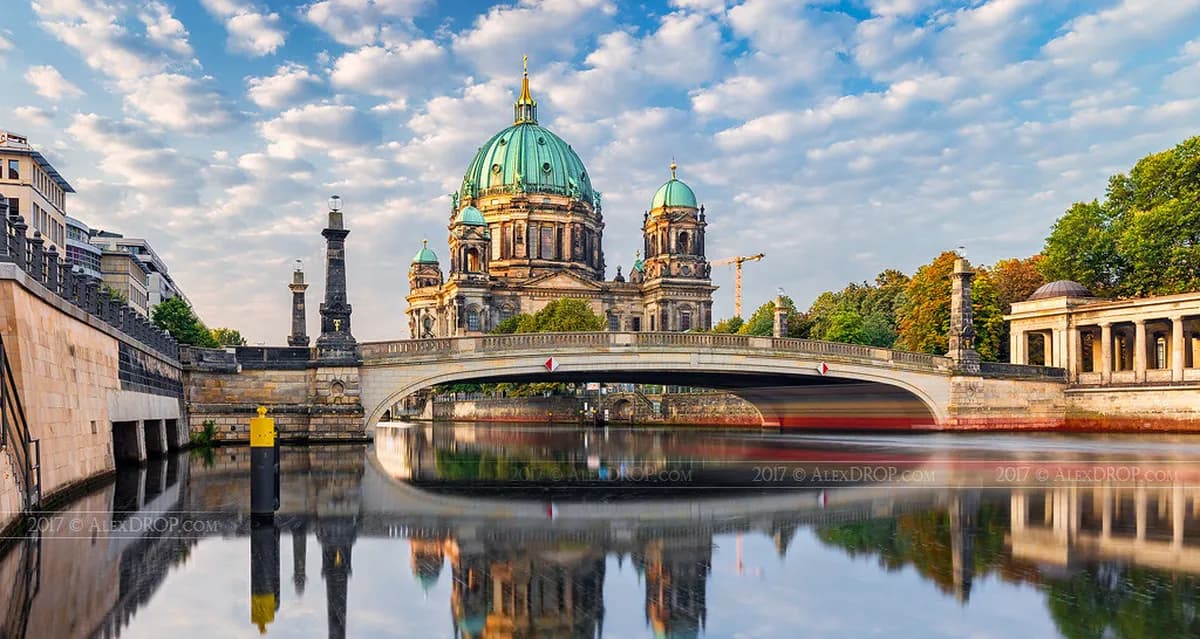
The Berlin Cathedral, or Berliner Dom, is the largest church in the city and sits right next to the Altes Museum. While it is a religious site rather than a museum, its historic crypt and stunning interior are essential parts of the island experience. You can climb the dome for one of the best perspectives of the entire museum complex from above.
The Lustgarten provides a beautiful green space in the center of the island where travelers can rest between museum visits. This former parade ground is now a popular park for locals and tourists to enjoy the sun and the fountain. It serves as a perfect meeting point for groups who are exploring different museums at their own pace.
Practical Essentials: Tickets, Prices, and Opening Hours
Planning your budget is easier when you understand the various ticket options available at the Staatliche Museen zu Berlin (Official Site) for the island. A single museum ticket usually costs between 12 and 14 Euro, which can add up quickly for multiple stops. The Museum Island Day Pass costs 19 Euro and offers much better value for those visiting two or more sites.
Smart travelers often learn how to use the Berlin WelcomeCard for attractions to save money on entry fees and transport. This card provides significant discounts on individual museum tickets and includes unlimited travel on the city's trains and buses. It is an excellent choice for visitors who plan to explore the island and other parts of the city over several days.
Most museums on the island are open from Tuesday to Sunday, with many staying closed on Mondays for maintenance. Standard hours are usually 10:00 AM to 6:00 PM, though some buildings may offer extended hours on Thursday evenings. Always double-check the official website for seasonal changes or holiday closures before you finalize your daily schedule.
Booking a specific time slot is mandatory for the Neues Museum to manage the crowds around the **Bust of Nefertiti**. You can reserve these slots online in advance to ensure you do not miss out on this popular highlight. Arriving at least fifteen minutes before your scheduled time helps you clear security and find the correct gallery without stress.
Selection Strategy: Which Museum Fits Your Interests?
Choosing the right museums depends on whether you prefer ancient history, classical art, or modern cultural displays. History buffs should prioritize the Neues Museum and the Altes Museum for their deep dives into ancient civilizations. These sites offer a comprehensive look at the foundations of human culture through archaeological finds and artifacts.
Art enthusiasts will likely find the Alte Nationalgalerie and the Bode Museum to be the most rewarding stops on the island. The Nationalgalerie showcases the emotional depth of 19th-century painting, while the Bode Museum offers a world-class look at sculpture. Both museums provide a quieter atmosphere than the high-traffic Neues Museum for a more contemplative experience.
Families with children may find the Humboldt Forum and the Berlin Cathedral to be the most engaging options for a shorter visit. The Forum often hosts interactive exhibits, and the Cathedral dome climb provides an active way to see the city. Balancing these sights with a rest in the Lustgarten helps keep younger travelers interested and energized throughout the day.
- Altes Museum: Classical Antiquities
- Focus: Greek and Roman art
- Best for: Classical history fans
- Location: Lustgarten front
- Cost: 12 Euro individual
- Neues Museum: Egyptian Treasures
- Focus: Nefertiti and Prehistory
- Best for: Archaeology lovers
- Location: Behind Altes Museum
- Requirement: Timed entry slot
- Alte Nationalgalerie: 19th Century Art
- Focus: Romanticism and Impressionism
- Best for: Art enthusiasts
- Location: Near the Spree
- Highlights: Monet and Friedrich
- Bode Museum: Byzantine Sculpture
- Focus: Medieval to Baroque
- Best for: Sculpture fans
- Location: Northern island tip
- Access: Monbijou Bridge ramp
- Pergamon Panorama: Ancient Monuments
- Focus: 360-degree digital art
- Best for: Visual learners
- Location: Opposite the island
- Context: Main museum closed
- Humboldt Forum: Global Culture
- Focus: Non-European art
- Best for: Modern perspectives
- Location: Reconstructed Palace
- Bonus: Rooftop terrace views
- Berlin Cathedral: Iconic Landmark
- Focus: Religious history
- Best for: Panoramic views
- Location: Lustgarten side
- Activity: Dome climb steps
Crafting Your Itinerary: Strategies for Every Traveler
Starting your journey from Alexanderplatz allows for a pleasant ten-minute walk past several other historic landmarks. You can cross the Schlossbrücke bridge to enter the island and get a full view of the Humboldt Forum and the Cathedral. This route provides the most dramatic introduction to the scale of the Prussian architecture in the area.
A half-day itinerary should focus on the Neues Museum and a quick walk through the Lustgarten to see the Cathedral exterior. If you have a full day, you can add the Alte Nationalgalerie and a visit to the Pergamon Panorama across the river. For those who want to see off the beaten track Berlin attractions, consider exploring the smaller galleries in the Humboldt Forum.
Evening visits to the island offer a completely different atmosphere as the historic buildings are beautifully illuminated. While the museum interiors close by 6:00 PM, the grounds remain open for public walking and photography. The reflection of the Bode Museum in the Spree River is a favorite sight for photographers after the sun goes down.
Frequently Asked Questions
Where is the Bust of Nefertiti located?
The **Bust of Nefertiti** is located in the North Dome Hall of the Neues Museum on the second floor. This famous Egyptian artifact sits in its own dedicated room to ensure its preservation and to manage visitor flow. You must book a timed entry slot to see this highlight.
Is the Pergamon Museum open in 2026?
No, the main Pergamon Museum building is closed for extensive renovations and is expected to remain so until at least 2027 for some sections. Visitors can instead visit the Pergamonmuseum. The Panorama nearby. This exhibition features a massive 360-degree digital recreation of the ancient city of Pergamon.
How many museums are on Museum Island?
There are five core museums that make up the UNESCO World Heritage site, but the physical island hosts seven major sights total. These include the Altes Museum, Neues Museum, Alte Nationalgalerie, Bode Museum, and Pergamon Museum. The Humboldt Forum and Berlin Cathedral complete the seven major landmarks.
Which museum on Museum Island is best for kids?
The Humboldt Forum is often the best choice for children because it offers interactive exhibits and a more modern layout. Families also enjoy the Berlin Cathedral for the active experience of climbing the dome. The Lustgarten park provides a great space for kids to run around between museum visits.
Can you see all the museums in one day?
Seeing all five UNESCO museums in one day is very difficult and may lead to museum fatigue for most travelers. It is better to choose two or three priority museums and spend more time exploring their collections. A Museum Island Day Pass makes it easy to visit multiple sites at your own pace.
Museum Island remains the cultural heart of the city and a must-see for anyone visiting Germany for the first time. By understanding the 5 vs 7 distinction and planning for the Pergamon closure, you can maximize your time on the island. Remember to book your timed slots in advance and wear comfortable walking shoes for a full day of exploration.