
12 Best Berlin Wall Sites and Memorials
Berlin stands as a city where history is visible on every street corner. The Berlin Wall once divided this capital into two completely different worlds. Today, visitors can explore many Top Berlin Wall sites and memorials to understand this dark era. These landmarks offer a deep look into the Cold War and the eventual reunification of Germany.
Many travelers start their journey at the famous East Side Gallery or Checkpoint Charlie. However, hidden watchtowers and quiet cemeteries also tell powerful stories of life behind the Iron Curtain. Exploring these tourist attractions in Berlin requires a bit of planning to see the best remains. This guide covers twelve essential locations that every history lover should visit.
For nearby planning, see germany for practical details.
Berlin Wall Memorial (Gedenkstätte Berliner Mauer)
The Berlin Wall Memorial on Bernauer Straße is the most important site for understanding the border. It features a long stretch of the original wall and a fully preserved death strip. Visitors can see how the fortifications looked before the wall fell in 1989. This location serves as a central place of remembrance for the victims of the division.
You should start your visit at the Documentation Center across the street from the wall. The center offers detailed exhibits about the construction of the border and the impact on local families. Climb to the top of the observation tower for a clear view of the restricted zone. Check the official site to plan your timing around their opening hours.
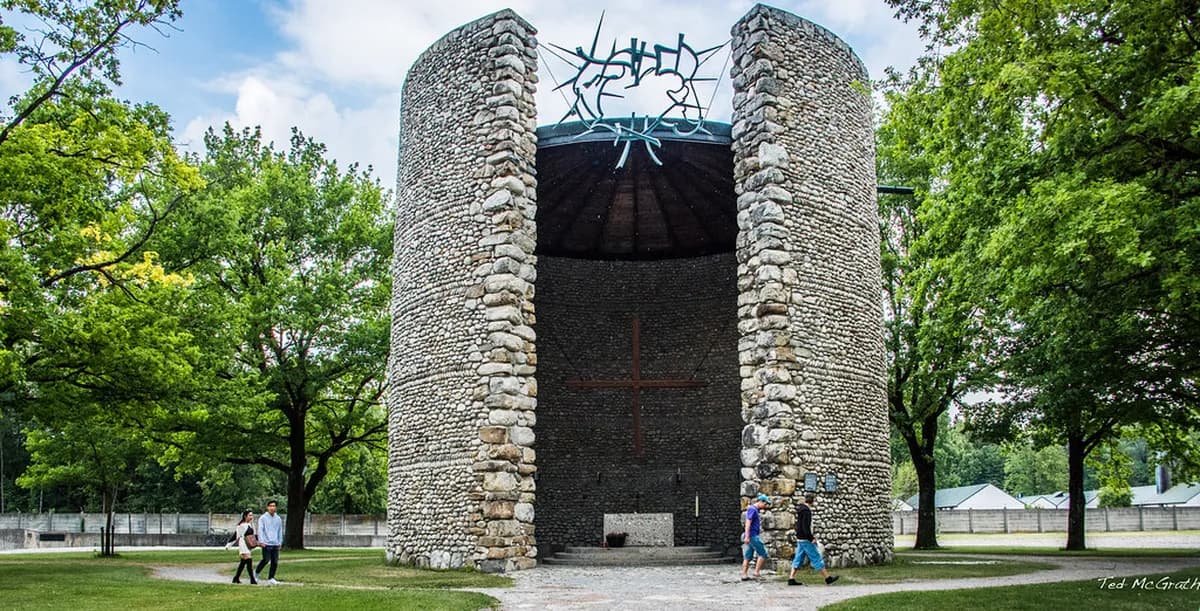
Walking along the outdoor grounds allows you to see the foundations of former apartment buildings. These structures were demolished because they stood directly on the border line. You will also find the Chapel of Reconciliation, which stands on the site of a former church. This memorial is one of the most important landmarks for any visitor.
- Visiting the Memorial
- Transport: S-Bahn S1/S2/S25
- Station: Nordbahnhof
- Cost: Free entry
- Best for: Deep historical context
For nearby planning, see 10 must see landmarks in berlin for practical details.
East Side Gallery
The East Side Gallery is the longest remaining section of the Berlin Wall still standing today. It stretches for over 1.3 kilometers along the Spree River in the Friedrichshain neighborhood. This section was painted by artists from all over the world shortly after the wall opened. It now serves as a colorful monument to freedom and international unity.
Most visitors come here to see the famous 'Socialist Brotherly Kiss' mural by Dmitri Vrubel. This iconic image depicts Soviet leader Leonid Brezhnev and East German leader Erich Honecker. The gallery features over 100 different paintings that reflect the political changes of the early 1990s. Walk along the river side of the wall for a quieter experience away from the street traffic.
Photography is very popular here, so expect crowds during the middle of the day. Arriving at sunrise provides the best light and fewer people in your shots. You can easily reach this site by walking from the Ostbahnhof or Warschauer Straße stations. The gallery remains open 24 hours a day and does not require a ticket for entry.
- Gallery Visitor Info
- Transport: S-Bahn S3/S5/S7
- Station: Ostbahnhof
- Cost: Free to walk
- Best for: Art and photography
Topography of Terror
The Topography of Terror is located on the site of the former Gestapo and SS headquarters. A significant segment of the Berlin Wall still stands along the edge of this property. This wall section shows the rough, damaged concrete that was common after the border fell. It provides a stark contrast to the modern buildings surrounding the area.
The indoor museum offers a chilling look at the Nazi regime and its various police organizations. You can explore other famous museums after visiting this site to balance your history tour. The outdoor exhibition trench follows the line of the former wall and cellar ruins. This area is especially moving because it links two different eras of German history.
Access to the grounds and the permanent exhibition is free for all visitors. The site is located near Potsdamer Platz, making it easy to include in a walking tour. Detailed information panels are provided in both German and English throughout the grounds. Plan to spend at least two hours here to fully absorb the historical information.
- Topography Site Details
- Transport: U-Bahn U6
- Station: Kochstraße
- Cost: Free admission
- Best for: WWII and Cold War history
Checkpoint Charlie and the Wall Museum
Checkpoint Charlie was the most famous border crossing between East and West Berlin during the Cold War. It was the only point where foreigners and Allied forces could cross into the Soviet sector. Today, a replica of the original guard house stands in the middle of Friedrichstraße. This site is often crowded with tourists taking photos with actors dressed as soldiers.
The Wall Museum, also known as the Mauermuseum, is located right next to the crossing. This museum focuses on the many creative ways people tried to escape from East Berlin. You can see hot air balloons, modified cars, and even a small submarine used in escape attempts. Buying tickets in advance is recommended to skip the long lines.
While the area is very commercial, it still holds significant historical weight. Look for the large portraits of a Soviet and an American soldier overlooking the street. These images represent the two sides of the Cold War conflict. Several outdoor displays also explain the tank standoff that occurred here in 1961.
- Checkpoint Charlie Info
- Transport: U-Bahn U6
- Station: Kochstraße
- Cost: Crossing is free; Museum has a fee
- Best for: Escape stories and iconic photos
Potsdamer Platz and Leipziger Platz
Potsdamer Platz was once a desolate wasteland divided by the death strip. Today, it is a bustling center of modern architecture and commerce. You can still find several original segments of the wall standing near the entrance to the S-Bahn station. These pieces are often covered in chewing gum, which is a strange modern tradition for visitors.
Many people miss the hidden watchtower located just a short walk away on Erna-Berger-Straße. This is one of the few remaining 'BT-6' towers that once guarded the border. It is tucked behind modern office buildings and offers a rare look at the original surveillance structures. The Reichstag building is located nearby and is worth adding to your itinerary.
Leipziger Platz is located right next to Potsdamer Platz and features an unusual octagonal shape. The wall used to run directly through this square, dividing it into two halves. Today, a double row of cobblestones marks the former path of the wall across the pavement. This is a great spot to see how the city has healed since reunification.
- Potsdamer Platz Details
- Transport: S-Bahn S1/S2/S25
- Station: Potsdamer Platz
- Cost: Free to explore
- Best for: Modern architecture and hidden gems
Bornholmer Straße and the Japanese Cherry Trees
Bornholmer Straße was the site of the first border crossing to open on November 9, 1989. Thousands of East Berliners gathered at the Bösebrücke bridge to demand passage to the West. The border guards eventually gave in, marking the beginning of the end for the wall. A small memorial now stands here to commemorate this historic night of peaceful revolution.
One of the most beautiful features of this site is the long row of Japanese cherry trees. These trees were a gift from Japan to celebrate German reunification in 1990. Over 1,000 trees were planted along the former death strip throughout the city. The section at Bornholmer Straße is particularly stunning when the blossoms open in late April.
The area is part of the Berlin Wall Trail, which is a popular path for cyclists and walkers. You can see historical markers and photos from the night the border opened. It is much quieter than the central sites, offering a peaceful place for reflection. This location highlights the joy of reunification rather than just the tragedy of division.
- Bornholmer Straße Info
- Transport: S-Bahn S1/S2/S8
- Station: Bornholmer Straße
- Cost: Free entry
- Best for: Spring visits and quiet history
Mauerpark and the Rainbow Wall
Mauerpark is a popular public park located in the Prenzlauer Berg district. The name literally translates to 'Wall Park' because it was built on the former death strip. A long section of the hinterland wall remains here and is now used as a legal graffiti wall. Artists from all over the world come to spray-paint vibrant murals and messages.
On Sundays, the park becomes one of the most energetic places in Berlin. A massive flea market takes place, selling everything from vintage clothes to local crafts. The famous 'Bearpit Karaoke' also happens in the park's amphitheater during the warmer months. It is a fantastic example of how Berliners have reclaimed former border land for community use.
While the graffiti wall is not a traditional memorial, it represents the creative spirit of the city. The murals change almost every day, so there is always something new to see. You can walk along the path and watch the artists at work. This site is perfect for those who want to see the modern life of the city while acknowledging its past.
- Mauerpark Visit Tips
- Transport: U-Bahn U2
- Station: Eberswalder Straße
- Cost: Free entry
- Best for: Sunday vibes and street art
Schlesischer Busch Watchtower
The Schlesischer Busch watchtower is a well-preserved command post located in Alt-Treptow. It once monitored the border area near the Flutgraben canal and the Lohmühleninsel. This tower is much more substantial than the smaller observation posts found elsewhere. It served as a central hub for border guards in this specific sector of the city.
Today, the tower is often used for art exhibitions and historical displays. It is a great choice for those looking for attractions away from the main crowds. The surrounding park area is a great place for a walk along the water. You can see how the border fortifications were integrated into the natural landscape of the canals.
The tower is not always open for interior tours, so check local listings before you visit. Even from the outside, it provides a powerful sense of the surveillance that once existed. The concrete structure looks particularly imposing against the green trees of the park. This site offers a 'rawer' feel compared to the more polished memorials in the city center.
- Schlesischer Busch Info
- Transport: Bus 165 or 265
- Station: Heckmannufer
- Cost: Free to view outside
- Best for: Seeing a command post tower
Tränenpalast (Palace of Tears)
The Tränenpalast, or Palace of Tears, was the departure hall for people leaving East Berlin by train. It is located right next to the Friedrichstraße station, which was a major border crossing. The name comes from the tearful goodbyes between East Germans and their Western visitors. It was a place of deep sadness and anxiety for many families for nearly thirty years.
The building now houses a free permanent exhibition called 'Site of German Division.' You can walk through the original passport control booths and see personal items left behind by travelers. The museum uses videos and interviews to tell the stories of those who crossed the border here. It provides a very personal and emotional perspective on the division of the city.
Because it is located at a major transit hub, it is very easy to visit during a busy day. The exhibition is well-organized and uses modern technology to bring the history to life. You will learn about the strict controls and the fear that people felt when dealing with border guards. It is a must-visit for anyone interested in the human side of the Cold War.
- Tränenpalast Details
- Transport: S-Bahn/U-Bahn
- Station: Friedrichstraße
- Cost: Free entry
- Best for: Emotional and personal history
Günter Litfin Memorial at Kieler Eck
The Günter Litfin Memorial is located in a former watchtower at Kieler Eck. It honors the memory of the first person to be shot and killed while trying to escape. Günter Litfin was killed in August 1961, just days after the wall began to rise. His brother, Jürgen Litfin, helped preserve the tower and turn it into a memorial site.
The tower itself is a 'leadership' tower that once managed several smaller observation posts. It sits in a quiet residential area near the Nordhafen canal. Inside, you can find photos and documents related to Günter's life and the border system. This memorial is run by volunteers and offers a very intimate look at a single victim's story.
Visiting this site requires checking the opening hours, as it is not open every day. It is located a short walk from the Berlin Wall Memorial, so you can combine the two visits. The peaceful canal-side setting today makes the violent history of the site feel even more shocking. This is a powerful place to pay your respects to those who lost their lives.
- Kieler Eck Memorial Info
- Transport: Bus 120 or 147
- Station: Kieler Straße
- Cost: Small donation requested
- Best for: Intimate victim memorials
Invalidenfriedhof (Invaliden Cemetery)
The Invalidenfriedhof is one of the oldest and most historic cemeteries in Berlin. During the Cold War, the Berlin Wall ran directly through the graveyard. Many historic graves were destroyed or moved to make room for the death strip. Today, you can see 'ghost' graves where the headstones were removed but the plots remain.
Several sections of the wall and border patrol path are still visible within the cemetery grounds. It is a hauntingly beautiful place where Prussian military history meets Cold War tragedy. You can walk along the canal and see exactly where the fortifications once stood. Specialized tours can provide more context on these unique border areas.
The cemetery is a quiet place for a walk away from the busy city streets. It serves as a reminder of how the wall disrupted every aspect of life, even for the dead. Information boards are placed throughout the site to explain the history of the graves and the wall. It is located near the main train station, making it very accessible.
- Invalidenfriedhof Details
- Transport: Bus 147
- Station: Scharnhorststraße
- Cost: Free entry
- Best for: Quiet reflection and unique history
The Wall - Asisi Panorama
The Wall - Asisi Panorama is a massive 360-degree art installation by artist Yadegar Asisi. It depicts a typical autumn day in Berlin during the 1980s. The panorama is housed in a large cylindrical building near Checkpoint Charlie. It allows you to experience the atmosphere of the divided city from a high vantage point.
The artwork shows the contrast between life in West Berlin and the grey streets of the East. You can hear sound effects of the city and see the lighting change to simulate day and night. Buying tickets for this immersive perspective is highly recommended. This is a great way to visualize the wall if you find it hard to imagine from just the ruins.
Before you visit multiple paid sites, check how to use city discount cards to save money. The Panorama also includes a small exhibition of photos from the artist's personal collection. It provides a unique artistic take on the history that complements the more traditional museums. Most people spend about 45 minutes to an hour exploring the installation.
- Asisi Panorama Info
- Transport: U-Bahn U6
- Station: Kochstraße
- Cost: Admission fee applies
- Best for: Immersive visual experience
Frequently Asked Questions
Which Berlin Wall sites are free to visit?
Most major sites are free, including the Berlin Wall Memorial on Bernauer Straße and the East Side Gallery. The Topography of Terror and Tränenpalast also offer free entry. You can find a full list of tourist attractions in Berlin that do not charge admission on official city portals.
How much of the Berlin Wall is still standing today?
Only about 1.5 kilometers of the original wall remains in its original locations. The longest section is the East Side Gallery at 1.3 kilometers. Other small segments are scattered throughout the city at sites like the Topography of Terror and Potsdamer Platz.
What is the best way to see the Berlin Wall in one day?
Start at the Berlin Wall Memorial for historical context, then take the S-Bahn to Checkpoint Charlie. Finish your day at the East Side Gallery for sunset photos of the murals. This route covers the most iconic and informative locations in a logical order.
Where can I see the Socialist Brotherly Kiss mural?
This famous mural is located at the East Side Gallery in the Friedrichshain neighborhood. It is one of the most photographed pieces of art in the entire city. You can find it on the section of the wall facing Mühlenstraße, near the Oberbaum Bridge.
Exploring the Top Berlin Wall sites and memorials is a journey through a divided past. From the colorful murals of the East Side Gallery to the somber watchtowers, each site tells a unique story. These landmarks remind us of the importance of freedom and the resilience of the human spirit. Make sure to visit at least a few of these locations to truly understand the history of Berlin.