
Top 10 Landmarks In Berlin To Visit
Berlin offers a unique blend of Prussian history and modern culture that captivates every visitor. The city serves as a living museum where neoclassical architecture stands next to remnants of the Cold War. Planning a trip to Germany often begins with exploring its vibrant capital city. This guide highlights the most iconic sites to ensure your itinerary is packed with historical significance.
Travelers will find that many tourist attractions in Berlin are within walking distance of each other. The city's layout allows for efficient sightseeing through its central districts like Mitte and Kreuzberg. Understanding the local history helps you appreciate the deep meaning behind every stone and monument. Our list focuses on the essential landmarks that define the spirit of this resilient European metropolis.
Each landmark tells a story of transformation from the Prussian Empire to the fall of the Iron Curtain. You will discover how Berlin rebuilt itself into a global hub for art, politics, and innovation. This comprehensive list provides practical tips on booking, timing, and local secrets for 2026 travelers. Prepare to explore the top sites that make Berlin one of the most visited cities in the world.
Brandenburg Gate
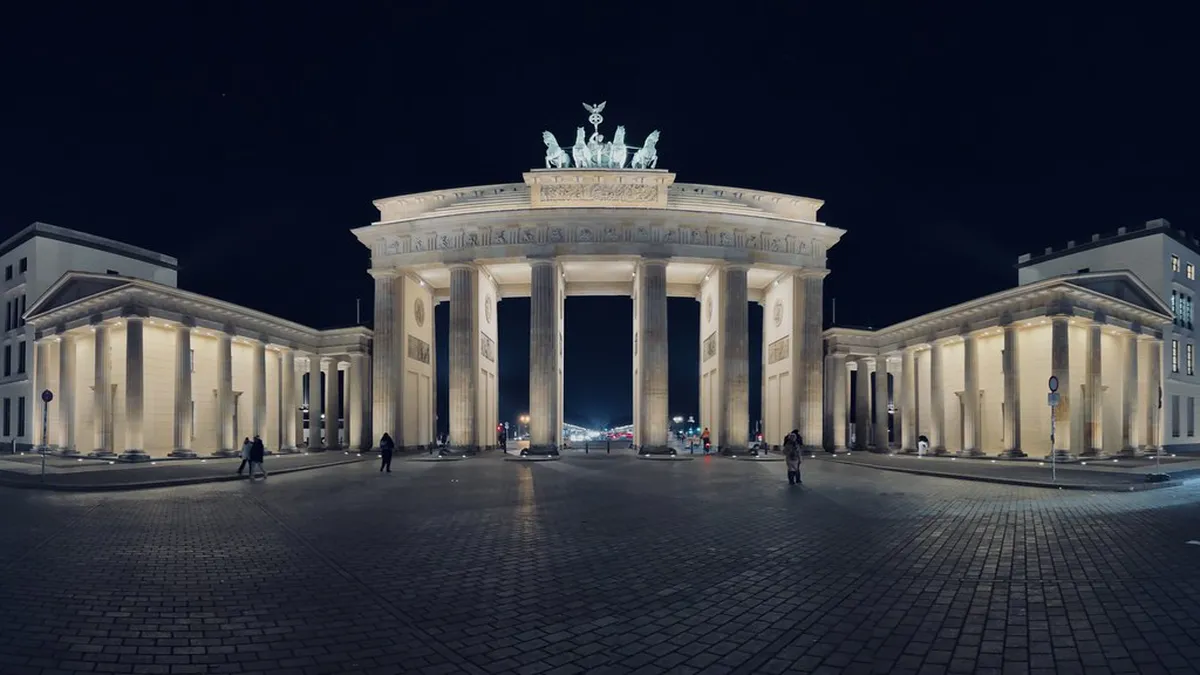
The Brandenburg Gate stands as the most famous landmark in Berlin and a national symbol of peace. This neoclassical monument was commissioned by King Frederick William II in the late eighteenth century. It originally served as a city gate but now represents the reunification of East and West Germany. You can find it at the end of the Unter den Linden boulevard in Pariser Platz.
Visitors often gather here to admire the Quadriga, a chariot drawn by four horses atop the gate. The site is particularly moving at night when the sandstone columns are beautifully illuminated. Check the Official Berlin Tourism Portal - Top 10 Sights for event updates at this location. Many walking tours begin at this square because of its central location and historical weight.
To avoid the largest crowds, try visiting the gate at sunrise for stunning photo opportunities. The early morning light provides a golden glow that highlights the intricate details of the carvings. You can also walk through the gate toward the Tiergarten park for a relaxing morning stroll. This area is a pedestrian zone, making it easy to wander without worrying about city traffic.
- Essential visitor information for the gate
- Location: Pariser Platz
- Admission: Always free
- Opening: Open 24 hours
- Transit: S-Bahn Brandenburger Tor
Reichstag Building
The Reichstag Building is the seat of the German Parliament and a masterpiece of modern architecture. Its most striking feature is the massive glass dome designed by architect Norman Foster. This dome symbolizes transparency in government and offers spectacular views of the surrounding city. You can learn how to visit the Reichstag building and dome through our detailed guide.
Advance registration is mandatory for all visitors who wish to enter the dome and rooftop terrace. You should use the German Bundestag - Reichstag Registration portal to secure your time slot early. Slots often fill up several weeks in advance during the peak summer travel season. Remember to bring a valid photo ID as security checks are strict at the entrance.
The audio guide provided for free explains the history of the building as you walk up the ramp. It uses sensors to play information based on your specific location within the glass structure. You will see the Brandenburg Gate and the TV Tower from unique elevated angles. Consider booking a table at the rooftop restaurant for a premium dining experience with a view.
- Planning your Reichstag visit details
- Cost: Free entry
- Booking: Online required
- Hours: 8am to midnight
- Last entry: 9:45pm
Berlin TV Tower (Fernsehturm)
Standing at 368 meters, the Berlin TV Tower is the tallest structure in all of Germany. It was built by the GDR in the 1960s as a symbol of socialist power and modernism. Today, it remains a permanent fixture of the Berlin skyline and a popular tourist destination. The tower is located right in the heart of Alexanderplatz near the World Time Clock.
The observation deck provides a 360-degree view that can reach up to 42 kilometers on clear days. You can see the entire city layout including the Spree River and the vast Tiergarten park. The revolving Sphere restaurant sits just above the deck and completes a full turn every hour. This allows diners to see the whole city without ever leaving their comfortable table.
If you find the TV Tower tickets too expensive, the Victory Column is a cheaper alternative. The Victory Column offers a lower but equally beautiful view for just a few euros. Wait times at the TV Tower can be long, so buying a fast-track ticket is often worth it. Check the weather forecast before booking to ensure the clouds do not block your view.
- TV Tower visitor logistics and tips
- Ticket: Around 25 euros
- Location: Alexanderplatz
- Best for: Panoramic views
- Wait: 30-60 minutes
Museum Island (Museumsinsel)
Museum Island is a unique ensemble of five world-renowned museums located on a small island. The complex is a UNESCO World Heritage site due to its cultural and architectural importance. It includes the Pergamon Museum, the Neues Museum, the Altes Museum, the Bode Museum, and the Alte Nationalgalerie. Each building houses treasures from different eras ranging from Ancient Egypt to the 19th century.
The bust of Nefertiti in the Neues Museum is one of the most famous artifacts on the island. You can also explore the Ishtar Gate of Babylon within the impressive Pergamon Museum galleries. Finding the best museums on Museum Island Berlin depends on your personal interest in history. Art lovers usually prefer the Alte Nationalgalerie for its collection of Romantic and Impressionist paintings.
A combined day ticket allows you to visit all five museums for a single discounted price. This is the most cost-effective way to see multiple collections in one afternoon. The Lustgarten park in front of the Altes Museum is a great place to rest between exhibits. You should plan for at least four hours to see the highlights of the main museums.
- Museum Island visiting facts and costs
- Pass: 24 euro day-pass
- UNESCO: Listed since 1999
- Closed: Mondays (mostly)
- Transit: U-Bahn Museumsinsel
Berlin Wall Memorial
The Berlin Wall Memorial at Bernauer Straße is the central memorial site of German division. It contains the last piece of the Berlin Wall with preserved grounds and border fortifications. This site offers a somber look at how the wall impacted the lives of local residents. You can find more info on top Berlin Wall sites and memorials in our specialized guide.
The outdoor exhibition extends along 1.4 kilometers of the former border strip. It uses multi-media stations to tell the stories of successful and failed escape attempts. The Berlin Wall Memorial Official Site provides maps of the different commemorative sections. You can visit the Chapel of Reconciliation, which stands on the site of a former border church.
Climb the observation tower across the street to see the 'death strip' from above. This perspective helps you understand the complexity of the barriers used during the Cold War. The memorial is free to visit and provides a much more educational experience than Checkpoint Charlie. Allow yourself time to read the biographies of the victims at the Window of Remembrance.
- Memorial site visitor guide details
- Entry: Free for all
- Center: 10am to 6pm
- Grounds: Always open
- Transit: S-Bahn Nordbahnhof
Berlin Cathedral (Berliner Dom)
The Berlin Cathedral is the largest and most important Protestant church in the city. Its magnificent turquoise dome is a landmark of the historical center and the Spree River. The current building was finished in 1905 in a mix of Renaissance and Baroque styles. It serves as the court church for the Hohenzollern Dynasty that once ruled Prussia.
Visitors can descend into the Hohenzollern Crypt to see nearly 100 royal sarcophagi. The interior of the cathedral is decorated with elaborate mosaics and a stunning marble altar. You can also attend organ concerts here to hear the massive Sauer organ in action. The acoustics of the grand dome create a powerful atmosphere for musical performances.
Climbing the 270 steps to the dome walkway provides a beautiful view of Museum Island. The walk is narrow but rewards you with a perspective of the city's red-tiled roofs. Try to visit during a weekday morning to avoid the crowds that gather on weekends. The entrance fee helps maintain the historic structure and the royal crypt below.
- Cathedral visitor information and tips
- Ticket: 10 euros
- Dome: 270 steps climb
- Crypt: Included in ticket
- Transit: S-Bahn Hackescher Markt
Charlottenburg Palace
Charlottenburg Palace is the largest and most magnificent palace remaining in Berlin today. It was built as a summer residence for Sophie Charlotte, the first Queen consort in Prussia. The palace features exquisite Baroque architecture and opulent rooms filled with royal treasures. You will find it in the western district of Charlottenburg, surrounded by a large park.
The Old Palace and the New Wing offer different glimpses into royal life across centuries. You can see the Crown Jewels and the Silver Vault during a guided tour of the interior. The Golden Gallery is a highlight for many, showcasing the height of Rococo decorative art. Audio guides are available in multiple languages to explain the history of the Hohenzollern family.
The palace gardens are free to enter and offer a peaceful escape from the city noise. They were designed in the French style and feature a mausoleum and a tea house. Walking through the park is a popular activity for locals during the spring and summer. This is an excellent spot for a picnic after you finish touring the palace rooms.
- Palace visitor facts and travel tips
- Ticket: 17 euro pass
- Gardens: Free access
- Closed: Mondays
- Transit: U-Bahn Richard-Wagner-Platz
Checkpoint Charlie
Checkpoint Charlie was the most famous border crossing between East and West Berlin. It was the site of a tense tank confrontation during the 1961 Berlin Crisis. Today, it is a major tourist landmark featuring a replica of the original guard house. The surrounding area is filled with museums and shops dedicated to Cold War history.
While the site is very touristy, it remains an essential stop for first-time visitors. You can see the famous sign that warns you are leaving the American sector. The nearby Wall Museum tells the stories of ingenious escape devices used by East Germans. If you want a deeper look, the Stasi Museum is a short train ride away.
Choosing the right Cold War site depends on your interest in history versus photography. Checkpoint Charlie is best for a quick photo and a sense of the city's past division. The Berlin Wall Memorial is better for those who want a quiet and emotional experience. Both sites offer different perspectives on how the Iron Curtain functioned in daily life.
- Checkpoint Charlie visitor guide details
- Entry: Free to view
- Photos: Small fee for actors
- Crowds: Very high
- Transit: U-Bahn Kochstrasse
East Side Gallery
The East Side Gallery is a 1.3-kilometer section of the Berlin Wall covered in murals. It is the longest continuous section of the wall still standing in its original location. After the wall fell, artists from all over the world came to paint messages of peace. The gallery is located in Friedrichshain along the banks of the Spree River.
One of the most famous murals depicts the 'Fraternal Kiss' between Soviet and GDR leaders. The art reflects the hope and euphoria that followed the end of the Cold War. You can walk the entire length of the gallery for free at any time of day. It serves as a memorial to freedom and a vibrant open-air art exhibition.
The area around the gallery has many riverside bars and cafes for a post-walk drink. You can also cross the Oberbaum Bridge nearby for great views of the city skyline. This bridge is considered one of the most beautiful in Berlin due to its brick towers. The gallery is best visited in the afternoon when the light hits the murals directly.
- East Side Gallery visitor information
- Admission: Free
- Length: 1.3 kilometers
- Open: 24 hours
- Transit: S-Bahn Ostbahnhof
Gendarmenmarkt
Gendarmenmarkt is often described as the most beautiful public square in Berlin. It is framed by three striking buildings: the German Cathedral, the French Cathedral, and the Konzerthaus. The square was established in the 17th century and showcases harmonious classical architecture. It is a popular spot for high-end shopping and dining in the Mitte district.
The Konzerthaus in the center is the home of the Berlin Symphony Orchestra. During the winter, the square hosts one of the city's most famous and traditional Christmas markets. You can climb the dome of the French Cathedral for a view over the square. This area contrasts sharply with the modern architecture found at nearby Potsdamer Platz.
To save money on these landmarks, consider how to use the Berlin WelcomeCard for attractions during your stay. The WelcomeCard offers discounts for many of the sites mentioned in this top 10 list. It also includes unlimited public transport, which makes navigating the city much easier. Compare the card with the Museum Pass to see which fits your sightseeing style best.
- Gendarmenmarkt square visitor facts
- Location: Mitte
- Entry: Free square access
- Best for: Architecture
- Transit: U-Bahn Stadtmitte
Frequently Asked Questions
Do I need to book the Reichstag dome in advance?
Yes, you must book your visit to the Reichstag dome in advance through the official Bundestag website. Registration is free but slots are limited and often sell out weeks ahead. You will need to provide your full name and date of birth for security purposes. Always bring your passport for entry.
Is the Berlin WelcomeCard worth it for these landmarks?
The Berlin WelcomeCard is worth it if you plan to visit multiple paid attractions and use public transport frequently. It provides significant discounts on sites like the TV Tower and Charlottenburg Palace. For those focusing only on museums, the 3-day Museum Pass might be a better financial choice.
What is the best time of day to visit the Brandenburg Gate?
The best time to visit the Brandenburg Gate is at sunrise or late at night. Early morning offers the best light for photography without the large crowds of tourists. Visiting after dark is also recommended to see the monument beautifully illuminated against the night sky.
Can you see the Berlin Wall for free?
Yes, you can see the Berlin Wall for free at several locations including the East Side Gallery and the Berlin Wall Memorial. These outdoor sites are open 24 hours a day and require no admission fee. They offer a powerful and educational experience regarding the city's history of division.
Berlin is a city that rewards those who take the time to explore its deep history. From the heights of the TV Tower to the somber Wall Memorial, every landmark offers a new perspective. These top 10 sites provide a perfect foundation for any first-time visitor to the German capital. You will leave with a greater understanding of how the past shapes this modern metropolis.
Remember to book your priority sites like the Reichstag well in advance of your arrival. Using a transport pass will help you move between these landmarks with ease and efficiency. Consider exploring some Berlin attractions off the beaten track if you have extra time. The city always has more secrets to reveal beyond its most famous monuments.
Whether you love art, architecture, or history, Berlin has something to inspire you. Pack comfortable walking shoes and prepare for an unforgettable journey through time. The spirit of Berlin is best felt by walking its streets and visiting its iconic landmarks. Enjoy your trip to one of the most fascinating cities in Europe during 2026.