
10 Best Free Tourist Attractions in Rome: 2026 Budget Travel Guide
Rome offers an incredible wealth of history that visitors can enjoy without spending a single Euro on expensive entry tickets. Walking through the Eternal City feels like exploring an open-air museum where ancient ruins and Renaissance art sit on every corner. Budget travelers often worry about the high costs of European capitals, but Rome provides countless world-class experiences for free.
Planning your trip around these zero-cost sights allows you to allocate your budget toward authentic meals or unique local experiences. You can witness the grandeur of the Roman Empire and the beauty of the Catholic Church without opening your wallet once. This guide highlights the best free tourist attractions in Rome to help you master budget travel in 2026.
From the towering columns of the Forum to the hidden Caravaggio paintings in quiet churches, the city rewards those who explore on foot. We have curated a list that balances iconic landmarks with secret spots known only to locals. Discover how to navigate the city efficiently while keeping your daily expenses at an absolute minimum.
For nearby planning, see italy for practical details.
Must-See Ancient Wonders: The Roman Forum and Pantheon
The Roman Forum represents the heart of ancient political life and remains a top site for budget travelers. While entry to the ruins requires a ticket, you can view the entire complex for free from the Capitoline Hill. Walking to the back of the Piazza del Campidoglio reveals a stunning panorama of the temples and arches below. This viewpoint provides a better perspective of the layout than standing inside the grounds themselves.
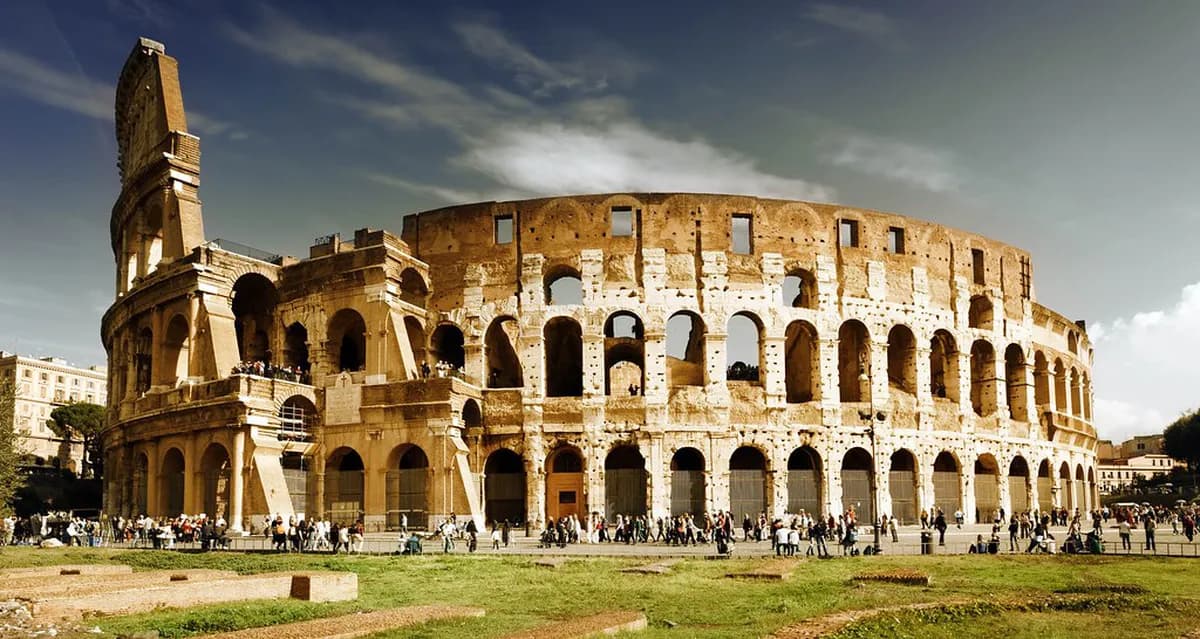
Nearby, the Via dei Fori Imperiali offers a wide pedestrian path lined with ancient ruins on both sides. You can see the Forum of Augustus and the Forum of Trajan clearly from the sidewalk at any hour. This street is particularly beautiful at night when the ruins are illuminated by soft golden spotlights. Many visitors prefer this leisurely walk over how to buy Colosseum tickets for a quick historical fix.
The Pantheon stands as one of the best-preserved buildings from the ancient world in the heart of the city. While the interior now requires a small entry fee for many visitors, the exterior and the surrounding piazza are free. Standing in the Piazza della Rotonda allows you to admire the massive granite columns and the ancient bronze doors. The atmosphere in this square captures the timeless essence of Rome better than almost anywhere else.
Largo di Torre Argentina serves as another fascinating free site where history meets modern local life. This sunken archaeological area contains the remains of four ancient temples and the site of Julius Caesar's assassination. It also houses a famous cat sanctuary where dozens of local felines roam among the ancient stones. Watching the cats lounge on thousand-year-old columns is a unique Roman experience that costs absolutely nothing.
- The Roman Forum Perimeter View
- Type: Ancient ruins
- Best for: Panoramic photos
- Where: Capitoline Hill
- Cost: Free
- The Pantheon Exterior Experience
- Type: Ancient temple
- Best for: Architecture lovers
- Where: Piazza della Rotonda
- Cost: Free outside
For nearby planning, see how to buy colosseum tickets 2026 arena floor and underground access for practical details.
Iconic Roman Piazzas and the Trevi Fountain Tradition
Tossing a coin into the Trevi Fountain ensures a return trip to the Eternal City according to local legend. This Baroque masterpiece is arguably the most famous free attraction in the world and draws massive crowds daily. To enjoy the fountain without the crush, consider visiting before 8:00 AM or after midnight. Check the Earthtrekkers - Trevi Fountain 2026 Update for the latest maintenance schedules and crowd tips.
The Spanish Steps provide another iconic backdrop for travelers looking to soak in the local atmosphere. While the steps are free to climb, be aware that local regulations strictly prohibit sitting on them. Police officers frequently patrol the area to issue fines to tourists who linger too long on the stone. Climbing to the top offers a beautiful view of the high-end shopping district along Via dei Condotti.
Piazza Navona showcases the height of Roman Baroque design with its three impressive fountains and elegant surrounding buildings. The central Fountain of the Four Rivers was designed by Bernini and remains a pinnacle of European sculpture. Street performers and artists often fill the square, providing free entertainment throughout the afternoon and evening. It is the perfect place to sit on a public bench and enjoy the vibrant street life.
Piazza del Popolo serves as the grand northern entrance to the historic center and features a massive Egyptian obelisk. This wide-open space is ideal for families with children who need room to run around safely. You can also visit the 'twin churches' that frame the entrance to the famous trident of streets. Walking from this piazza toward the Pincio Terrace provides a seamless transition from urban history to natural beauty.
For nearby planning, see how to visit the vatican museums and sistine chapel booking and dress for practical details.
Grand Churches and Hidden Religious Art Gems
St. Peter's Basilica offers free entry to all visitors, though you should expect long security lines during peak hours. This massive church houses Michelangelo's Pieta and the incredible bronze baldacchino by Bernini.
Ensure you follow the strict dress code by covering your shoulders and knees to avoid being turned away. For more details on visiting, see our guide on the Vatican Museums and Sistine Chapel which includes essential logistics.
San Pietro in Vincoli is a hidden gem that houses one of Michelangelo's most powerful sculptures, the Moses. Located near the Colosseum, this church is often overlooked by tourists rushing between major landmarks. The statue was originally intended for the tomb of Pope Julius II and features incredible anatomical detail. You can view this masterpiece for free during the church's standard opening hours.
The Church of San Luigi dei Francesi is a must-visit for fans of the Baroque painter Caravaggio. This church contains three of his most famous works depicting the life of Saint Matthew in the Contarelli Chapel. While many museums charge high fees to see Caravaggio's art, you can view these paintings here for free. Bring a few small coins to operate the light box that illuminates the chapel for a better view.
Santa Maria del Popolo is another artistic powerhouse located right next to the northern gate of the city. This church features works by Raphael, Bernini, and two additional masterpieces by Caravaggio. It is essentially a free museum of Renaissance and Baroque art hidden behind a modest facade. Travelers can spend an hour exploring the various chapels and their intricate decorations without spending a cent.
Panoramic Views and Serene Parks: Villa Borghese to Janiculum
Villa Borghese serves as the 'green lung' of Rome and offers a peaceful escape from the city's chaotic traffic. The park is free to enter and features wide walking paths, hidden statues, and beautiful lake gardens. You can enjoy a picnic on the grass or simply wander through the shaded alleys during a hot afternoon. The Pincio Terrace, located at the edge of the park, provides one of the most famous views over Piazza del Popolo.
Janiculum Hill, or the Gianicolo, offers a sweeping panoramic view of the entire historic center from across the river. While it is a bit of a climb, the reward is a breathtaking vista that includes the Pantheon and the Altare della Patria. Every day at noon, a traditional cannon is fired to signal the time, a practice dating back to the 19th century. This event is free to watch and remains a charming local tradition that many tourists miss.
The Aventine Hill hides one of Rome's most delightful secrets, the famous Aventine Keyhole. Located in the door of the Priory of the Knights of Malta, this tiny hole offers a perfectly framed view of St. Peter's dome.
You can read more about this in the Islands - Unique View of St. Peter's (Aventine Keyhole) guide. While there is often a short line, the experience of seeing the basilica through the garden hedges is magical.
The Orange Garden, or Parco Savello, is widely considered the most romantic spot in the city for budget travelers. Its symmetrical rows of bitter orange trees lead to a terrace overlooking the Tiber River and the Vatican. The park is completely free and often features local musicians playing soft acoustic music in the background. It is an ideal place to rest your feet after a long day of sightseeing.
Free Museums and Culture: Timing Your Visit for Maximum Savings
Italy's 'Domenica al Museo' initiative allows visitors to enter state-run museums and archaeological sites for free on the first Sunday of every month. This includes world-famous locations like the Colosseum, the Roman Forum, and the Palatine Hill. While the savings are significant, you should prepare for massive crowds and long wait times. Check the Islands - Colosseum Free Sunday Warning for advice on how to navigate these busy days.
The Vatican Museums also participate in a free entry program on the last Sunday of each month. This is the only time you can see the Sistine Chapel and the Raphael Rooms without paying the standard entry fee. However, the museums close earlier on these days, and the line often stretches around the Vatican walls by sunrise. If you choose this option, plan to spend the entire morning in line and move quickly once inside.
Several smaller museums in Rome are free to the visitors every day of the year. The Museo Napoleonico and the Museo Pietro Canonica are excellent examples of specialized collections that cost nothing to enter. These sites are rarely crowded and offer a more intimate look at specific historical periods or artists. Exploring these lesser-known spots helps you discover the diverse layers of Roman culture.
Timing your visit to coincide with local festivals can also unlock free cultural experiences. During the summer, the city often hosts free outdoor cinema screenings and concerts in various piazzas. The 'Notte Bianca' or White Night event occasionally offers late-night free access to many cultural institutions. These seasonal offerings provide a glimpse into the modern social life of the city.
Exploring Rome’s Neighborhoods: Trastevere and the Jewish Ghetto
Trastevere is often described as the most charming neighborhood in Rome with its ivy-covered walls and narrow cobblestone alleys. Walking through this district is completely free and offers a look at the medieval side of the city. You can visit the Basilica of Santa Maria in Trastevere, which features stunning 12th-century mosaics on its facade and interior. It is a core part of any 3-day Rome sightseeing itinerary for its authentic atmosphere.
The Jewish Ghetto is one of the oldest and most atmospheric districts in the entire city. It is home to the Portico d'Ottavia, a set of ancient ruins that once served as a grand entrance to a library and temples. You can walk through the pedestrianized streets and see the historic architecture that tells a story of resilience and community. The Turtle Fountain in Piazza Mattei is a small but beautiful Renaissance work worth a quick stop.
Monti is a trendy and bohemian neighborhood located just steps away from the Colosseum. It is filled with artisan workshops, vintage clothing stores, and small cafes that are fun to browse even if you don't buy anything. The Piazza della Madonna dei Monti serves as the social heart of the district where people sit on the fountain steps. The neighborhood's steep streets provide interesting photo opportunities around every corner.
The Ostiense district offers a completely different side of Rome, characterized by industrial history and vibrant street art. Walking tours of this area reveal massive murals painted by international artists on the sides of old warehouses. You can also see the Pyramid of Cestius, a well-preserved ancient Roman tomb in the shape of an Egyptian pyramid. The nearby Non-Catholic Cemetery is free to enter and serves as the final resting place for poets Keats and Shelley.
Budget Dining: Savoring Authentic Roman Cuisine Affordably
Eating well in Rome does not require a large budget if you know where to look. Pizza al taglio, or pizza by the slice, is the ultimate budget meal and can be found on almost every street. You simply point to the tray you want and tell them how much to cut, paying by weight. This allows you to try multiple toppings for just a few Euros.
Supplì are another essential Roman snack that budget travelers should seek out. These fried rice balls are filled with tomato sauce and mozzarella, creating a delicious and filling treat for about €1.50 to €2.00. You can find them at most pizza shops and specialized fry shops called 'friggitorie.' Many locals consider them the quintessential Roman comfort food.
When dining at a sit-down restaurant, always ask for the 'vino della casa' or house wine. It is usually of good quality and significantly cheaper than ordering a specific bottle from the list. Avoid restaurants that have large picture menus or staff outside trying to pull you in, as these are often overpriced tourist traps. Look for small trattorias where the menu is only in Italian and the tables are filled with locals.
To save on beverages, never buy bottled water from street vendors near major landmarks. Instead, use the city's network of free public drinking fountains to refill your own bottle. You can also save money by standing at the bar for your morning coffee rather than sitting at a table. This simple habit can save you several Euros every single day of your trip.
Free Things to Do in Rome Alone or with Families
Rome is a fantastic destination for solo travelers because the city itself provides constant entertainment. You can spend hours people-watching in Piazza Navona or exploring the winding streets of the Jewish Ghetto. The city's safe atmosphere makes it ideal for long evening walks through illuminated historic districts. It is easy to meet other budget-conscious travelers in the many public parks and squares.
Families with children will find plenty of free activities to keep everyone engaged and happy. The Villa Borghese park features several playgrounds and a free puppet theater that often has weekend performances. Kids will love the 'cat sanctuary' at Largo di Torre Argentina, where they can spot dozens of cats among the ruins. These activities provide a necessary break from the intense history and museum tours.
The 'Mouth of Truth' or Bocca della Verità is a fun and free stop for families located in the portico of Santa Maria in Cosmedin. Legend says that the stone face will bite off the hand of anyone who tells a lie while their hand is in its mouth. While there is often a short line for photos, the experience is a classic Roman tradition that kids find thrilling. It is a quick and memorable activity that adds variety to a day of sightseeing.
Walking along the Tiber River provides a scenic and free route that connects many of the city's main districts. The riverbanks often host free festivals and markets during the summer months, providing a lively atmosphere for families and solo travelers alike. You can admire the historic bridges, such as the Ponte Sant'Angelo with its beautiful angel statues. It is a great way to move between neighborhoods without using public transit.
Practical Tips for Navigating Rome on a Budget
One of the best ways to save money in Rome is by taking advantage of the 'nasoni' public drinking fountains. These curved iron fountains provide ice-cold, high-quality water for free throughout the entire city. Carrying a reusable bottle can save you at least €5 per day on bottled water costs. The water is the same high quality that flows into local homes and is perfectly safe to drink.
Walking is the most efficient and cost-effective way to see the historic center of Rome. Most of the major free attractions are clustered within a few kilometers of each other, making it easy to create a walking loop. This not only saves you money on bus and metro tickets but also allows you to discover hidden alleys and small piazzas. Planning your route in advance helps you avoid unnecessary back-and-forth travel.
Understanding the best time to visit Rome is crucial for managing both your budget and your expectations. Peak season brings higher prices for accommodation and longer lines for free sites like St. Peter's Basilica.
The 2026 Jubilee year will likely see increased crowds at religious sites, so early planning is more important than ever. Mid-week visits are generally quieter than weekends for most major landmarks.
Avoid unnecessary expenses by strictly following local rules and regulations to prevent heavy fines. As mentioned, sitting on the Spanish Steps or eating near historic fountains can result in fines starting at €250. Be mindful of your surroundings and look for signs indicating restricted behaviors in public spaces. These simple steps ensure your budget goes toward your experiences rather than legal penalties.
Frequently Asked Questions
Is the Pantheon still free to enter in 2026?
The Pantheon now charges a €5 entry fee for most adult visitors as of mid-2023. However, the exterior, the massive portico, and the surrounding Piazza della Rotonda remain free to enjoy. You can still admire the incredible architecture from the outside without paying. For more free options, see other tourist attractions in Rome.
What is the best time to visit the Trevi Fountain to avoid crowds?
The best time to visit the Trevi Fountain is very early in the morning, ideally before 8:00 AM. Visiting late at night, after midnight, also offers a much quieter experience with beautiful lighting. During the day, the area becomes extremely crowded with tourists and street vendors. Early visits provide the best opportunities for photos without the crush.
Are there any free museums in Rome on Sundays?
Yes, state-run museums like the Colosseum and Roman Forum are free on the first Sunday of every month. The Vatican Museums offer free entry on the last Sunday of each month. Be prepared for very long lines and high crowd volumes on these specific days. Arriving at least an hour before the opening time is highly recommended for these events.
Can you drink the water from the fountains in Rome?
Yes, the water from the small iron fountains known as 'nasoni' is perfectly safe and free to drink. These fountains provide high-quality, cold water that is constantly flowing throughout the city. Most locals and experienced travelers use them to refill their water bottles daily. This is one of the easiest ways to save money while exploring the city on foot.
Rome remains one of the most rewarding cities in the world for travelers on a strict budget. By focusing on free attractions like historic piazzas, grand churches, and panoramic viewpoints, you can experience the best of the city without overspending. Utilizing local secrets like the nasoni fountains and free museum days will further stretch your travel funds.
The Eternal City is best explored slowly and on foot, allowing you to discover the small details that make it so special. Whether you are admiring a Caravaggio in a quiet church or watching the sunset from a park, these free moments often become the most memorable parts of a trip. Rome's beauty is accessible to everyone, regardless of their budget size.
Start planning your 2026 adventure by prioritizing these incredible free sites and neighborhood walks. With a little preparation and local knowledge, you can enjoy a world-class vacation in Italy's capital while keeping your expenses low. The history and art of Rome are waiting for you to discover them at no cost at all.