
Berlin Wall and Cold War Walking Tour Itinerary: 10 Essential Stops
Berlin's history is written in its streets and concrete. A Berlin Wall and Cold War walking tour itinerary helps you find the most moving sites. This guide covers ten essential stops to understand a city once split in two.
Walking through the former 'Death Strip' offers a unique perspective on human resilience. Many historical markers remain hidden in plain sight across the modern landscape. Travelers can explore these landmarks to see how democracy eventually triumphed over division.
Must-See Berlin Wall Attractions
The East Side Gallery stands as the longest remaining stretch of the original wall. Artists from around the world painted these concrete panels shortly after the border opened. Walking along the Spree River provides a scenic backdrop for these powerful political murals.
The Bernauer Straße Memorial offers a more somber and educational experience for visitors. You can see a preserved section of the border fortifications including the watchtower. Historical markers tell the stories of families separated by the sudden construction in 1961.
Many travelers prioritize these top Berlin Wall sites and memorials during their first visit. Original segments of the wall are scattered across the city in various states of preservation. Official sites like the Berlin Wall Memorial Official Site provide deep context for these locations.
- The East Side Gallery
- Location: Mühlenstraße
- Entry: Free
- Vibe: Artistic and colorful
- Best for: Photography
- Bernauer Straße Memorial
- Location: Mitte district
- Entry: Free
- Vibe: Somber and educational
- Best for: Deep history
Museums, Art, and Culture of the Cold War
The Palace of Tears serves as a poignant reminder of the personal cost of division. This former border crossing at Friedrichstraße station witnessed countless painful goodbyes. Exhibits inside the glass hall detail the strict controls and emotional departures of the era.
Artistic expression flourished in West Berlin while being heavily monitored in the East. Visiting the The Stasi Museum reveals the extent of state surveillance. Seeing the original offices of the secret police helps explain the atmosphere of the Cold War.
Modern galleries often feature works that reflect on the city's unique 20th-century trauma. Checkpoint Charlie also hosts private museums that focus on daring escape attempts. These cultural stops add necessary layers to any Berlin Wall and Cold War walking tour itinerary.
Parks and Outdoor Memorials Along the Wall Route
Mauerpark was once a barren stretch of the 'Death Strip' between two neighborhoods. Today, it transforms into a vibrant community hub with a famous Sunday flea market. Remnants of the wall here serve as a canvas for local graffiti artists. Visitors can enjoy live music while standing on ground that was once strictly forbidden.
The Günter Litfin Memorial honors one of the first victims of the border guards. It is housed in a former command watchtower near the Kieler Eck. Walking through these green spaces shows how Berlin has reclaimed its divided territory. These parks offer a peaceful environment to reflect on the city's complex past.
Family-Friendly and Budget-Friendly Tour Options
Families often prefer the open-air memorials where children can move around freely. The Bernauer Straße site is particularly excellent for strollers and young learners. Interactive displays help make the abstract concept of the Cold War more tangible. Budget travelers can find many tourist attractions in Berlin that cost nothing to enter.
Free walking tours operate daily and usually cover the most famous central landmarks. Tipping the guide is expected, but the initial cost is very low for groups. Self-guided walks using a mobile app allow for a more flexible and relaxed pace. Choosing the right option depends on your interest in detailed storytelling versus quick sightseeing.
- The History Buff Route
- Duration: 4+ hours
- Focus: Detailed archives
- Cost: Low to medium
- Stops: 8-10 sites
- The Express Traveler Loop
- Duration: 2 hours
- Focus: Major landmarks
- Cost: Free to low
- Stops: 3-5 sites
How to Plan a Smooth Berlin Wall Walking Day
Efficient logistics are key to seeing all ten stops in a single day. Start your morning at the East Side Gallery to avoid the largest afternoon crowds. The Public Transport Planner (VBB/BVG) is essential for navigating between distant wall segments. Most sites are well-connected by the U-Bahn and S-Bahn train networks.
Accessibility is generally high at the major outdoor memorials like Bernauer Straße. Some older areas near Checkpoint Charlie still feature uneven cobblestone streets. Wear comfortable walking shoes as you will likely cover several miles on foot. Check for local events in 2026 that might temporarily close certain sidewalk sections.
A Detailed Look at the Berlin Cold War Walking Tour Route
Begin your detailed route at Nordbahnhof, a former 'Ghost Station' during the division. Trains from the West used to pass through these darkened, guarded platforms without stopping. The station now houses an exhibit explaining how the underground network was severed. This starting point sets a haunting tone for the rest of your historical journey.
Walk from the station toward the Documentation Center on Bernauer Straße. Climb the observation tower to look down into the preserved border strip. Seeing the layers of fences and sand helps you visualize the 'Death Strip' clearly. The path continues toward Mauerpark where the wall once turned sharply north.
The Berlin Wall and Cold War Visits: Key Historical Sites
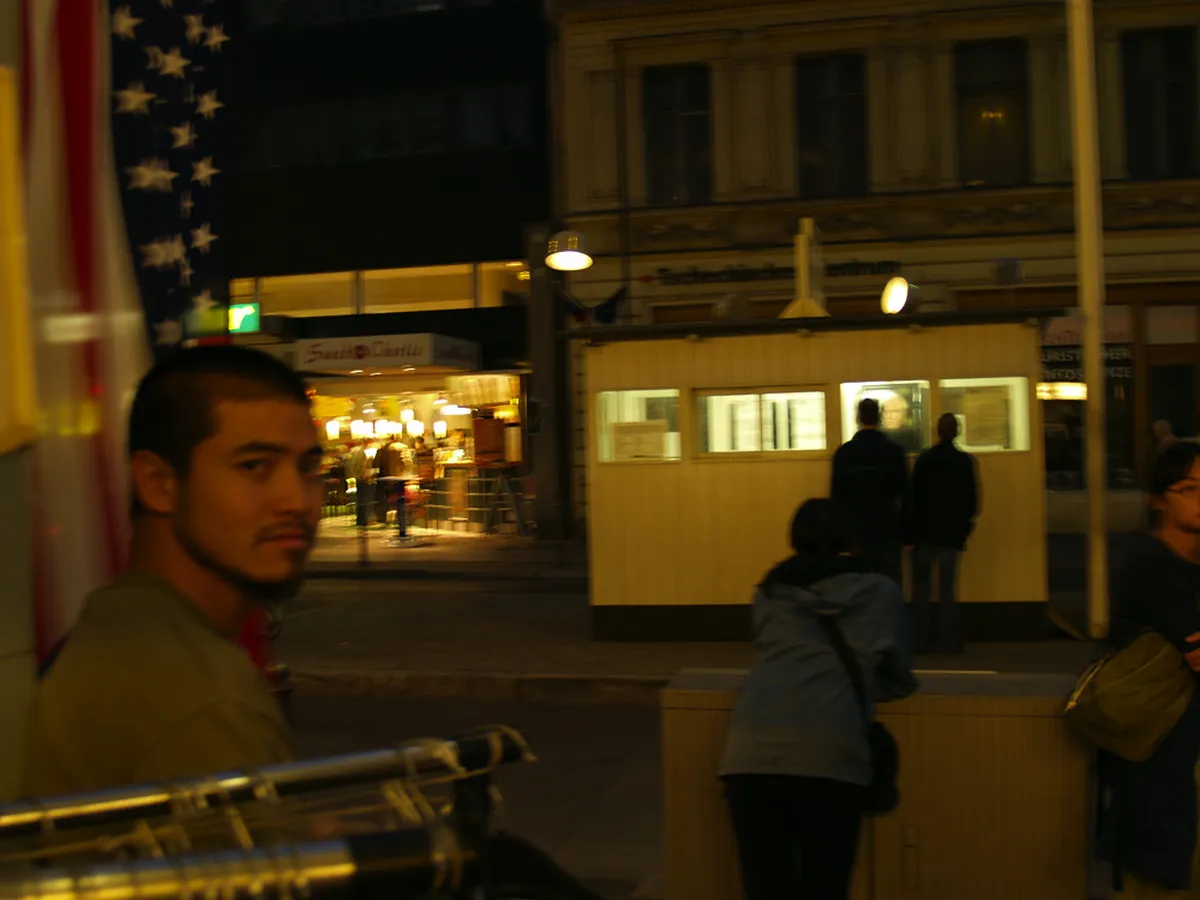
Checkpoint Charlie remains the most famous symbol of the Cold War confrontation. It was the primary crossing point for foreigners and Allied forces between sectors. The nearby Topography of Terror museum sits on the site of former Nazi headquarters. This location illustrates how the Cold War grew directly out of the ruins of WWII.
Potsdamer Platz was once a desolate wasteland bisected by the concrete barrier. It has since been rebuilt into a modern commercial center with soaring skyscrapers. A few original wall segments stand here to remind shoppers of the previous era. The contrast between the 1980s void and today's bustle is truly striking.
Hidden escape tunnels are often marked by small plaques in the sidewalk. These sites tell stories of incredible bravery and desperate attempts at freedom. Including these spots adds a human element to your Berlin Wall and Cold War walking tour itinerary.
Learn More About the Most Important Historical Sights of Germany’s Capital
The Brandenburg Gate stood in the 'no-man's land' for nearly three decades. It became the site of Reagan's famous speech and the eventual fall of the wall. This gate is one of the most iconic landmarks in Berlin to see today. Visitors often walk from here to the nearby Reichstag building and dome for more history.
Museum Island sits just a short walk away from the former border line. It features world-class collections that were once split between East and West museums. You can explore the Museum Island Berlin treasures after your walking tour. The proximity of these sites makes it easy to combine different historical eras.
Final Thoughts: Why Choose This Tour?
Choosing a walking tour allows you to feel the scale of the city's division. Maps cannot replicate the physical sensation of crossing from one sector to another. The layers of history are visible in the architecture and the gaps between buildings. This itinerary ensures you see the most significant remnants of the Iron Curtain.
Berlin has transformed into a symbol of unity and modern European culture. Understanding the past makes the city's current vibrant atmosphere even more impressive. A self-guided or guided walk provides the context needed for a meaningful visit. Your journey through the Cold War will likely be the highlight of your German travels.
Featured Berlin Experiences and Related Private Tours
Private tours offer a more personalized look at niche Cold War stories. Guides with 'Native English' or 'Local German' perspectives provide different historical nuances. You might consider the VisitBerlin: Express WWII & Cold War Tour for a quick overview. Specialized tours can also take you to sites like the Glienicke 'Bridge of Spies'.
Bunker tours provide a look at the subterranean side of the Cold War era. These experiences often require advance booking during the busy summer months. Private transport can help you reach distant sites like the Stasi Prison in Hohenschönhausen. Each tour type offers a different way to engage with the city's dramatic 20th-century narrative.
Frequently Asked Questions
Where is the best place to see the original Berlin Wall today?
The best place to see the original wall is the Berlin Wall Memorial on Bernauer Straße. It features a fully preserved section with the 'Death Strip' and a watchtower. For art, the East Side Gallery offers the longest stretch of decorated concrete panels. Both are essential for a complete Berlin Wall tour experience.
How much time should you plan for a Berlin Wall walking tour?
You should plan at least 3 to 4 hours for a comprehensive walking tour. This allows enough time to walk between sites and read the informational plaques. If you plan to visit museums like the Documentation Center, consider dedicating a full day to the itinerary. Moving between central Mitte and the East Side Gallery takes extra transit time.
Is a guided Cold War tour worth it compared to a self-guided walk?
A guided tour is worth it for travelers who want deep storytelling and expert historical context. Guides often share personal anecdotes and hidden details that are easy to miss on your own. However, a self-guided walk offers more flexibility and is better for budget-conscious visitors. Both options provide a meaningful way to see the city's landmarks.
What should travelers avoid when visiting Berlin Wall sites?
Travelers should avoid climbing on the wall segments or leaving graffiti on historical memorials. It is important to remain respectful at somber sites like the Bernauer Straße Memorial. Avoid visiting Checkpoint Charlie during the peak midday rush if you want to skip heavy crowds. Always check for official closure notices before heading to smaller museums or indoor exhibits.
A Berlin Wall and Cold War walking tour itinerary is a journey through a dark but vital chapter. Seeing these ten essential stops provides a profound understanding of modern Germany. The city's ability to heal while remembering its scars is truly inspiring for every traveler.
Plan your route carefully to make the most of your time in this historic capital. Whether you choose a guided group or a solo walk, the experience will stay with you. Berlin remains a powerful testament to the enduring human desire for freedom and connection.