
Arashiyama Bamboo Grove and Area Attractions Guide
Arashiyama is one of Kyoto's most rewarding districts, packed with iconic sights within easy walking distance of each other. The bamboo grove is the headline act, but the surrounding area holds temples, gardens, and river views that deserve equal attention. This Arashiyama bamboo grove and area attractions guide covers every key stop, so you can build a day that suits your pace and budget.
Most visitors spend a rushed 30 minutes here and leave feeling like they missed something. A little planning goes a long way toward avoiding that regret. Whether you have half a day or a full one, Arashiyama rewards travelers who take their time.
Must-See Arashiyama Attractions
The Arashiyama Bamboo Grove is one of Kyoto's most visited sites, and for good reason. Towering stalks filter the light into something almost otherworldly, especially in the early morning. The main path runs roughly 500 meters and links the grove to Tenryu-ji Temple. Arriving before 8am gives you the best chance of a quieter, more atmospheric experience.
Tenryu-ji Temple sits at the southern entrance to the bamboo path and anchors the whole district. Its UNESCO-listed garden blends pond reflections, raked gravel, and borrowed mountain scenery into one composition. Garden entry costs around ¥500, while the main hall adds another ¥300. Allow at least 45 minutes to walk the garden circuit without feeling rushed.
Nonomiya Shrine hides just inside the bamboo grove, easy to miss if you are moving quickly. This small Shinto shrine appears in the classic novel The Tale of Genji and carries real literary history. Entry is free, and the torii gate framed by bamboo makes for a quiet photo stop. It is best visited as part of your bamboo path walk rather than a separate trip.
Okochi Sanso is a hillside villa and garden that most visitors skip entirely, which is exactly why it is worth your time. The actor Denjiro Okochi built it over 30 years, and the result is one of Arashiyama's most refined spaces. Entry costs ¥1,000 and includes a bowl of matcha and a sweet, served in a traditional tearoom. The panoramic views of Kyoto from the upper garden alone justify the ticket price.
- Arashiyama Bamboo Grove
- Cost: Free to enter
- Time needed: 20–40 minutes
- Best for: Atmosphere and photography
- Tip: Arrive before 8am for fewer crowds
- Tenryu-ji Temple and Garden
- Cost: ¥500 garden / ¥800 hall entry
- Time needed: 45–60 minutes
- Best for: Zen garden lovers
- Tip: Garden is a UNESCO World Heritage site
- Nonomiya Shrine
- Cost: Free
- Time needed: 10–15 minutes
- Best for: History and quiet reflection
- Tip: Easy detour during bamboo path walk
- Okochi Sanso Villa
- Cost: ¥1,000 (includes matcha)
- Time needed: 45–60 minutes
- Best for: Views and gardens
- Tip: Often overlooked by day-trippers
Museums, Art, and Culture in Arashiyama
Otagi Nenbutsu-ji Temple sits at the far north end of Arashiyama, about a 30-minute walk from the bamboo grove. The temple grounds are filled with 1,200 moss-covered stone figures, each carved by a different visitor over the decades. Entry costs ¥500, and the quirky, expressive statues make it one of Kyoto's most unusual stops. It suits travelers who want something offbeat and are willing to walk a little farther to find it.
The Kimono Forest stands near the Randen Arashiyama Station and requires no entry fee. Around 600 kimono fabric poles line a lit pathway, glowing beautifully at dusk. It is a short detour from the main tourist circuit and works well as a start or end to your day. Pairing it with a stroll along the tourist attractions in Kyoto nearby adds texture to your itinerary.
The Sagano Scenic Railway runs between Torokko Saga and Torokko Kameoka stations through the Hozu River gorge. The 25-minute ride costs around ¥880 one way and delivers some of Arashiyama's most dramatic scenery. Tickets sell out fast on weekends and holidays, so book at least a few days ahead. The railway operates from March through December with limited winter service.
Arashiyama Monkey Park Iwatayama sits on a hillside above the Togetsukyo Bridge area. A 20-minute uphill walk leads to a viewing area where over 120 Japanese macaques roam freely. Entry costs ¥550 for adults and ¥250 for children under 12. Kids generally love it, and the city views from the top are genuinely impressive.
Parks, Gardens, and Outdoor Spots in Arashiyama
The Arashiyama Park Observation Deck offers sweeping views over the Oi River and surrounding forested hills. Access is free and the deck is a short walk from the main bamboo grove path. It works especially well during cherry blossom season in late March and early April. Autumn foliage from late October to mid-November turns the hillside a striking mix of red and gold.
Jojakko-ji Temple is a hidden gem on the hillside above Okochi Sanso, often bypassed by mainstream itineraries. Its mossy stone steps and pagoda create one of Arashiyama's most atmospheric corners, especially in fog or light rain. Entry costs ¥500, and the climb takes about 10 minutes from the base. This spot suits travelers who enjoy quiet, textured spaces away from busy footpaths.
The Hozu River Boat Cruise carries passengers downstream through a dramatic gorge for about 16 kilometers. The scenic ride takes roughly two hours and costs around ¥4,100 per adult. Boats depart from Kameoka and arrive near the Togetsukyo Bridge in Arashiyama. Spring and autumn are the most popular seasons, so booking ahead helps avoid disappointment.
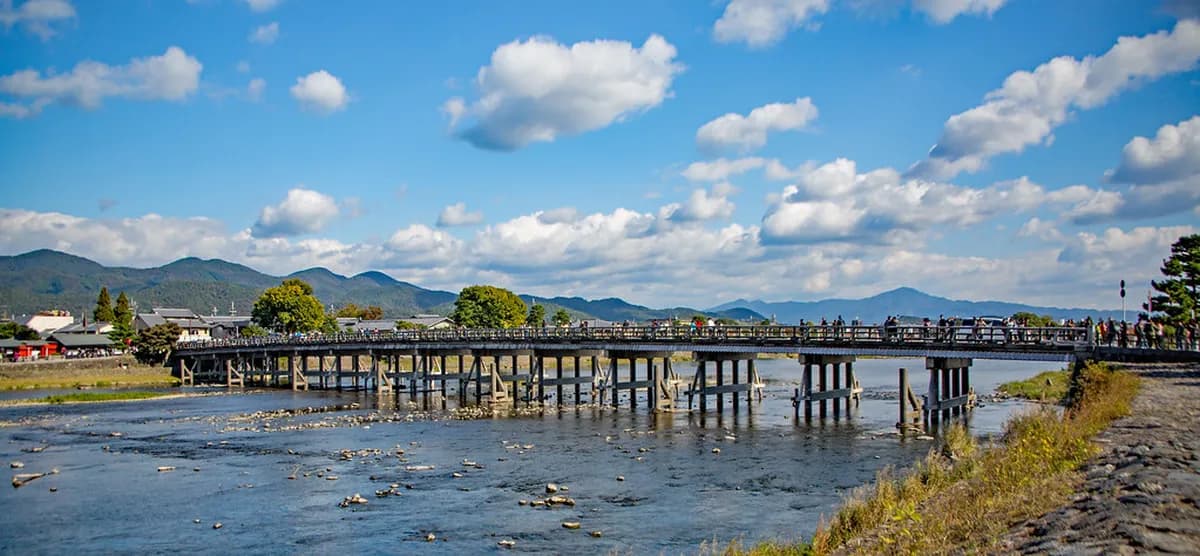
Togetsukyo Bridge stretches across the Oi River and frames some of Arashiyama's most recognizable views. Walking across is free and takes only a few minutes, but the surrounding riverbank deserves a slower look. Rental boats are available nearby for a different angle on the hills. The bridge area connects easily to the monkey park trailhead and riverside cafés.
Family-Friendly and Budget-Friendly Options
Families visiting Arashiyama can build a full day without spending heavily. The bamboo grove walk, Togetsukyo Bridge crossing, and Kimono Forest are all completely free. Adding the Monkey Park keeps costs low while giving younger travelers a hands-on wildlife experience. Budget travelers can spend a rewarding day here for under ¥2,000 per person if they choose carefully.
Rickshaw rides are a popular family choice and offer a relaxed way to cover more ground. Prices start at around ¥3,000 for a short route and go up depending on distance. Drivers often share local history and point out smaller details visitors would otherwise miss. It is a worthwhile splurge for families with young children or anyone who prefers a slower pace.
Street food along the main Arashiyama shopping street keeps snack costs minimal. Yudofu (tofu hot pot) is a local Arashiyama specialty available at moderate prices in nearby restaurants. Picnic-style eating near the riverbank is another low-cost option on pleasant days. Combining free sights with affordable local food makes Arashiyama one of Kyoto's best-value areas.
How to Plan a Smooth Arashiyama Day
Crowds at the bamboo grove peak between 10am and 3pm on weekends and public holidays. Arriving at the Saga-Arashiyama Station by 7am puts you ahead of most tour groups. A weekday visit in the shoulder seasons of spring or autumn offers the best balance of scenery and space. If you cannot avoid a weekend, an evening visit near closing time can also reduce the intensity of the crowds.
Getting to Arashiyama from central Kyoto takes about 20 to 30 minutes depending on your starting point. The JR San-in Line from Kyoto Station to Saga-Arashiyama Station is the fastest option at around ¥240. The Randen tram from Shijo-Omiya is slower but more scenic, arriving near the Kimono Forest. Many visitors also enjoy biking as the best way to make the most of their Kyoto time.
A half-day covers the bamboo grove, Tenryu-ji, Nonomiya Shrine, and the Togetsukyo Bridge area comfortably. A full day lets you add Okochi Sanso, Jojakko-ji, the Sagano Railway, and a riverside lunch. Plan your priority stops first and leave the secondary sights for however much time remains. Starting at the bamboo grove and working outward in a loop prevents unnecessary backtracking.
Pairing Arashiyama with other Kyoto districts can stretch your trip's value significantly. The Kyoto Higashiyama district one-day walking itinerary makes a natural companion to an Arashiyama day. Temples like Kinkaku-ji Golden Pavilion and Fushimi Inari Shrine are worth building into a broader Kyoto itinerary. Spreading your visits across two or more days avoids the rushed feeling that single-day tours often produce.
Frequently Asked Questions
Is the Arashiyama bamboo grove worth visiting?
Yes, the bamboo grove is genuinely impressive in person and remains one of Kyoto's most iconic experiences. Entry is free, and it connects directly to Tenryu-ji Temple and Nonomiya Shrine. Arrive early to avoid peak crowds and give yourself time to absorb the atmosphere rather than rushing through. Check the full list of tourist attractions in Kyoto to plan nearby stops.
How long does it take to walk through Kyoto's bamboo forest?
The main bamboo path is about 500 meters long and takes 15 to 20 minutes to walk at a relaxed pace. Most visitors spend 30 to 40 minutes total when they stop for photos or visit Nonomiya Shrine along the way. Add extra time if you plan to enter Tenryu-ji garden on the same visit.
Is the bamboo forest in Kyoto free to enter?
Yes, walking through the Arashiyama Bamboo Grove is completely free. There is no gate or ticket barrier on the main path. However, adjacent attractions like Tenryu-ji Temple garden (¥500) and Okochi Sanso (¥1,000) charge separate entry fees. Budget about ¥1,500 to ¥2,000 per person if you plan to visit both.
How do I get to the bamboo forest from central Kyoto?
The fastest route is the JR San-in Line from Kyoto Station to Saga-Arashiyama Station, which takes about 15 minutes and costs roughly ¥240. City buses also connect major Kyoto landmarks to the Arashiyama area, though journey times vary. The Randen tram from Shijo-Omiya offers a more scenic ride for a similar fare.
Are there other bamboo groves to visit in Kyoto?
Yes, Kyoto has several quieter bamboo areas beyond Arashiyama. The path near Kodai-ji Temple in Higashiyama offers a calmer bamboo experience with far fewer visitors. Adashino Nenbutsu-ji Temple in northern Sagano also has a small bamboo grove worth visiting if you are already in the Arashiyama district.
Arashiyama rewards visitors who treat it as more than a quick bamboo selfie stop. From UNESCO gardens and hidden shrines to riverside boat rides and hilltop views, the district has genuine depth. Using this Arashiyama bamboo grove and area attractions guide, you can build a day that feels both full and unhurried.
Timing and sequencing matter more here than in most Kyoto districts. An early start, a loose plan, and a willingness to explore beyond the main path will serve you well. For more Kyoto inspiration, the Gion district geisha sightseeing walking guide and Kiyomizu-dera Temple panoramic views visitor guide are natural next reads.