
Gion District Geisha Sightseeing Walking Guide
Gion is Kyoto's most celebrated geisha district and one of Japan's best-preserved historic neighborhoods. Wooden machiya townhouses line cobblestone lanes where maiko and geiko still hurry to evening appointments. This Gion district geisha sightseeing walking guide covers the essential stops, cultural rules, and practical tips you need for a rewarding visit. Whether you have two hours or a full day, knowing where to walk and what to expect makes all the difference.
Must-See Gion Attractions
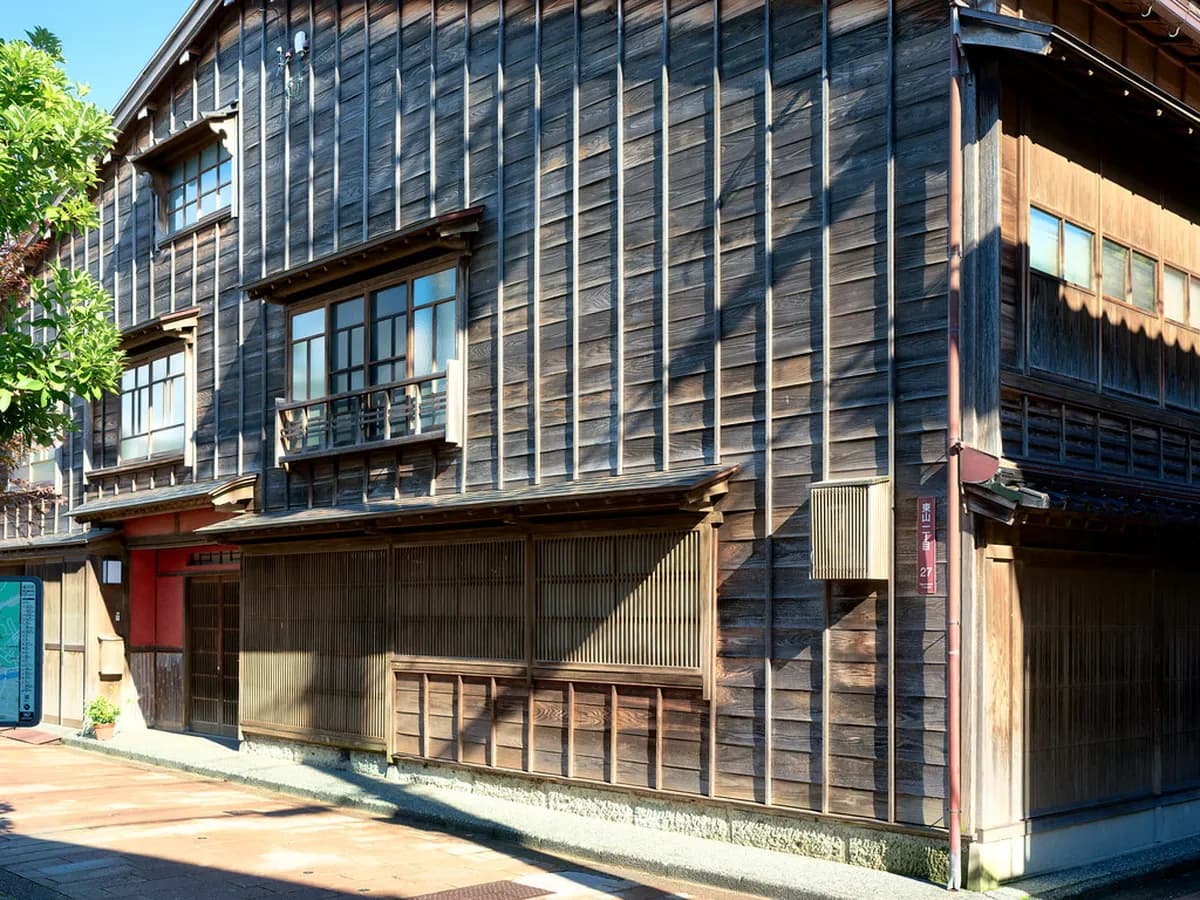
Hanamikoji Street is the iconic heart of Gion, running south from Shijo Dori toward Kennin-ji Temple. Traditional ochaya teahouses line both sides, their dark timber facades unchanged for centuries. Dusk is the best time to spot a maiko gliding between appointments, dressed in full kimono. Arrive between 5:30 and 7:00 pm for the highest chance of a genuine sighting.
Yasaka Shrine anchors the eastern end of Shijo Dori and stays open around the clock at no charge. Its vermillion gate is one of the most photographed landmarks in Kyoto. The shrine connects directly to Maruyama Park, making it an easy first or last stop on your walk. Festival lanterns illuminate the grounds during Gion Matsuri every July, creating an unforgettable atmosphere.
Gion Shirakawa is a quieter canal lane northeast of Hanamikoji that many visitors overlook. Weeping cherry trees overhang the narrow waterway in spring, and stone lanterns glow softly at night. The lane appears on countless Japan travel lists because its scenery feels genuinely cinematic. Combine it with the nearby Kyoto Higashiyama district walking itinerary for a longer half-day route.
Kenninji Temple, founded in 1202, sits at the southern tip of Hanamikoji and charges a modest entry fee of around ¥600. Its rock garden and twin dragon ceiling painting are genuine highlights inside. The grounds are calm even when the surrounding streets are busy, so it rewards a slow, quiet visit. Allow 30 to 45 minutes to explore the main hall, garden, and exhibition rooms properly.
Museums, Art, and Culture in Gion
The Gion Museum offers an accessible introduction to the district's performing arts and geisha culture. Exhibits cover the history of maiko training, traditional instruments, and seasonal customs. Admission is reasonable and the bilingual displays make it easy for international visitors to follow. Plan about 45 minutes here before stepping back onto Hanamikoji for an enriched perspective.
Ochaya, or teahouses, are private establishments where geiko perform for exclusive clientele. Most ochaya require a personal introduction from an existing patron, so walk-in bookings are not possible. A few newer venues near Gion offer geisha dinner experiences open to tourists, typically priced from ¥15,000 upward. Booking weeks in advance is essential, especially from March through May and during October.
Gion's streets themselves function as a living museum of Edo-period urban design. Preservation ordinances restrict building heights and exterior renovations throughout the district. Several machiya townhouses along Ninen-zaka and Sannen-zaka have been converted into cafes and craft shops. These preserved lanes connect Gion to the broader top tourist attractions in Kyoto on the Higashiyama hillside.
Parks, Gardens, and Outdoor Spots
Maruyama Park sits directly behind Yasaka Shrine and is Kyoto's most popular hanami spot during cherry blossom season. A weeping cherry tree at the park's center is famously illuminated at night in late March and early April. Entry is free, and the park stays open all day, making it ideal for a relaxed afternoon break. Food stalls set up during festival seasons, adding street-food opportunities to the visit.
The Shirakawa Canal path stretches for several gentle blocks and suits an easy evening stroll. Stone bridges cross the canal at regular intervals, each offering a postcard-perfect framing of the lantern-lit water. In spring, this lane is one of Kyoto's most visited sites for blossom photography. Autumn foliage brings a similar but quieter wave of visitors from mid-November onward.
Chion-in Temple, a short walk northeast of Gion, has one of Japan's largest wooden gates, standing 24 meters tall. Its forested approach and dramatic scale make it a worthwhile add-on to any Gion walking route. Entry to the main grounds is free, though some inner halls charge a small fee. The walk from Hanamikoji takes about ten minutes at a comfortable pace.
Gion Geisha Photo Ban Explained
Several private lanes branching off Hanamikoji are now off-limits to tourists entirely. Residents and local businesses lobbied the city after years of visitors blocking alleys to photograph geiko. Signs in multiple languages mark the restricted entrances, and neighborhood volunteers enforce the rules. As of recent updates, tourists are banned from walking down certain Gion back lanes, with fines up to ¥10,000.
Photography on Hanamikoji Street itself remains permitted, but chasing or blocking maiko for photos is considered deeply disrespectful. Local etiquette asks visitors to observe quietly from the edge of the path and never call out to geiko. Pointing cameras directly into ochaya windows or private courtyards is also considered a serious breach of manners. Following these norms protects the living culture that makes Gion worth visiting in the first place.
The best way to photograph geisha culture ethically is through an arranged cultural experience or stage performance. Several venues in Gion offer maiko shows where photography is explicitly welcomed by the performers. Renting a kimono from one of the kimono rental shops in Kyoto is another way to engage respectfully with the visual culture. Dressed in traditional attire, visitors blend in better and often feel less pressure to photograph others.
Annual Dance Events and Gion Matsuri
Miyako Odori, the famous spring dance performance, runs throughout April at the Gion Kobu Kaburenjo Theater. Geiko and maiko from the Gion Kobu district perform traditional dances in elaborately embroidered costumes. Ticket prices range from roughly ¥2,000 for basic seats to ¥5,000 for a tea ceremony package. Booking early is critical since performances sell out weeks before the season opens.
Gion Matsuri is Kyoto's grandest festival, running through the entire month of July. The highlight is the Yamaboko Junko float procession on July 17th and July 24th, drawing enormous crowds. Decorated floats up to 25 meters tall roll through central Kyoto streets in a procession dating back over a thousand years. Evening yoi-yama street markets on the nights before each procession are free to attend and full of local vendors.
Smaller dance events happen during the Gion Odori in November and the Setsubun celebrations in early February. These shoulder-season performances attract far fewer visitors than the spring and summer events. For travelers who want geisha culture without festival-peak crowds, November is often the most rewarding month to visit. Check the Gion Kobu website for the current season's schedule and ticket availability before finalizing travel dates.
How to Plan a Smooth Gion Walking Day
Start your walk by 8:00 am to see the Hanamikoji lanes before tour groups arrive. Kenninji Temple opens at 10:00 am, so an early arrival lets you explore the outer gardens first. Morning light on the wooden facades is also noticeably better for photography than midday glare. A two-to-three-hour morning block covers the main Gion streets comfortably without rushing.
Shijo Dori runs east–west through the heart of Gion and doubles as the district's main shopping spine. Department stores, craft shops, and local restaurants cluster along this boulevard and its side streets. The Shijo Dori shopping area is walkable from the Hankyu Kyoto-Kawaramachi Station exit in under two minutes. Budget one to two hours here for browsing, lunch, and picking up Kyoto souvenirs.
Ryotei restaurants in Gion serve kaiseki multi-course meals, but most require reservations days or weeks ahead. For a budget-friendly alternative, several ramen and tofu specialty shops operate along the Shijo and Sanjo corridors. Lunch at a local soba or udon shop typically costs ¥800 to ¥1,500 per person with no reservation needed. Save a ryotei dinner experience for a special night if your budget allows the splurge.
Pair your Gion walk with nearby Kyoto highlights to fill a full day efficiently. The Kiyomizu-dera Temple panoramic views are a 15-minute walk uphill from the southern edge of Gion. Fushimi Inari and the Arashiyama bamboo grove are further afield but reachable by train in under 30 minutes. Finishing the day at Yasaka Shrine after dark, when lanterns glow against the vermillion gate, is an experience worth planning around.
Frequently Asked Questions
Where is Gion district located in Kyoto?
Gion sits in eastern Kyoto along the western bank of the Kamo River. The district centers on Hanamikoji Street and stretches between Shijo Dori to the north and Kennin-ji Temple to the south. The easiest access is from Hankyu Kyoto-Kawaramachi Station or bus stops along Shijo Dori.
What time is best to see geisha in Gion?
Late afternoon to early evening, between 5:30 and 7:00 pm, gives you the best chance of spotting a maiko or geiko on Hanamikoji Street. They move quickly between appointments, so patience and a quiet position near the street edge helps. Weekdays tend to be less crowded than weekends.
Is Gion suitable for families with children?
Gion is family-friendly for walking and sightseeing. Maruyama Park offers open space for kids to run around, and Yasaka Shrine has no entry fee. Kenninji Temple's dragon ceiling painting is particularly popular with younger visitors. Keep an eye on young children near the canal at Shirakawa.
How much does a Gion walking tour cost?
Self-guided walking in Gion is free, aside from optional entry fees like Kenninji Temple at around ¥600. Guided group tours range from ¥3,000 to ¥8,000 per person. Private guided experiences with cultural demonstrations cost significantly more. See the full Kyoto attractions guide for broader budgeting tips.
What should I avoid when visiting Gion?
Avoid entering the restricted back lanes marked with no-entry signs near Hanamikoji. Do not follow or photograph maiko without keeping a respectful distance. Loud behavior after dark near the ochaya streets disturbs residents and working geiko. Arriving in large tour groups during peak evening hours also makes sightings less likely for everyone.
Gion rewards visitors who slow down, follow local etiquette, and plan their timing with care. An early morning walk through Hanamikoji, a visit to Kenninji Temple, and an evening return at dusk covers the district beautifully. Layering in the Gion Museum, Maruyama Park, and Shijo Dori shopping turns a short stop into a genuinely rich cultural day. For a deeper Kyoto experience, explore the Kinkaku-ji Golden Pavilion and the Fushimi Inari shrine gates on surrounding days.