
Kinkaku-ji Golden Pavilion Tickets Hours And Tips
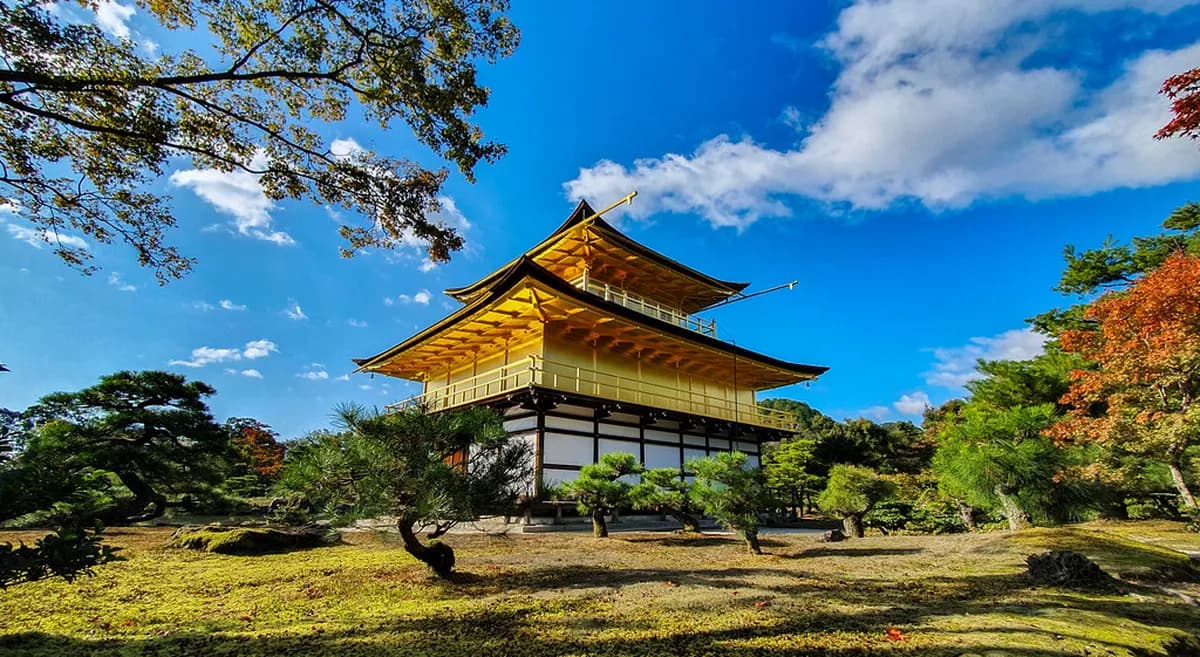
Kinkaku-ji, Kyoto's dazzling Golden Pavilion, is one of the most photographed temples in all of Japan. Every year, millions of visitors make the journey to see its shimmering gold-leaf exterior reflected in the Mirror Pond. Getting the visit right means knowing the ticket price, the best arrival time, and how to plan around the crowds. This guide covers everything you need for a smooth, memorable experience at the Golden Pavilion.
Kinkaku-ji Golden Pavilion: Quick History
Kinkaku-ji began as a retirement villa for shogun Ashikaga Yoshimitsu in the late 14th century. After his death, the estate was converted into a Zen Buddhist temple as he had requested. The UNESCO World Heritage site has stood as a symbol of Kyoto's cultural heart for over 600 years. Exploring tourist attractions in Kyoto always leads back to this golden icon.
In 1950, a troubled novice monk set fire to the original structure, burning it to the ground. The current pavilion was rebuilt in 1955 and later had its gold-leaf coating significantly thickened in 1987. Each of the three floors features a distinct architectural style — Shinden, Samurai, and Zen — stacked beautifully. That layered design is one detail many visitors walk past without realizing its significance.
The pavilion sits at the edge of Kyoko-chi, or Mirror Pond, which doubles its visual impact. On calm mornings, the reflection in the water is so crisp it looks like a second building. Understanding this history makes the visit feel far richer than a simple photo stop.
Tickets, Opening Hours, and Admission Tips
Kinkaku-ji is open daily from 9:00 AM to 5:00 PM, including national holidays. The temple does not close for any regular season, making it accessible year-round. Confirm hours directly on the day you visit, as holiday schedules can occasionally shift. Arriving before 9:30 AM gives you a clear advantage over the midday rush.
Admission costs around ¥500 for adults and ¥300 for children as of the most recent published rate. There is no online advance booking required — tickets are purchased at the entrance gate. The gate can get congested by 10:00 AM on weekends, so earlier entry saves real time. Your ticket includes a printed goshuin (temple seal), which is a lovely keepsake to take home.
Weekdays in early spring and late autumn attract the largest crowds due to cherry blossoms and fall foliage. Visiting in January or February on a clear day offers thin crowds and a possible snow backdrop. Midweek mornings in summer are often quieter than weekend visits, despite the heat. Budget about 45 to 60 minutes for a comfortable walk through the full temple grounds.
- Adult admission fee
- Price: approx. ¥500 per person
- Includes: printed temple seal keepsake
- Purchase: at entrance gate only
- No advance booking needed
- Child admission fee
- Price: approx. ¥300 per child
- Age group: elementary school age
- Payment: cash or IC card at gate
- Opening hours
- Open: 9:00 AM daily
- Close: 5:00 PM daily
- Open: all national holidays
- Best arrival: before 9:30 AM
- Best time to visit
- Quietest: winter weekday mornings
- Avoid: weekends 10 AM–2 PM
- Special: snow days in January/February
- Scenic: cherry blossom season (late March)
Must-See Features Inside Kinkaku-ji
The three-story golden pavilion itself is, of course, the centerpiece of the entire visit. Two of its three floors are covered in pure gold leaf, which gleams even on overcast days. The top floor holds a golden phoenix statue on its roof, a detail easy to miss from ground level. Binoculars or a zoom lens help you spot architectural details that photos often flatten.
Just beyond the main viewing area sits the Sekkatei teahouse, a quiet Edo-period structure. Near the exit path, the Fudo Hall contains a small altar with a rare Fudo Myoo stone image. The stone garden and Anmintaku Pond further along the path add a meditative close to the circuit. Many visitors rush past these spots, so slowing down rewards you with a more complete experience.
A matcha and wagashi sweet stop near the exit is a pleasant way to end the circuit. Prices for a small matcha set are typically around ¥500–¥700 and worth the pause. The gift shop sells temple-branded items and quality Kyoto craft goods at fair prices.
Practical Photo Tips for the Golden Pavilion
The primary viewing platform directly faces the pavilion across the Mirror Pond at close range. Position yourself slightly to the left of center for a composition that includes the stone lantern. Morning light hits the gold facade most directly between 9:00 and 10:30 AM on clear days. Afternoon light can produce beautiful warm tones, but more visitors appear in your frame.
Overcast days actually reduce harsh glare on the gold leaf and can sharpen the pond reflection. A polarizing filter on a camera lens cuts water surface glare and intensifies the reflection. On smartphone cameras, tap to focus on the reflection for a striking alternative composition. Snow-dusted visits in winter create some of the most dramatic and least-crowded photo conditions.
Cherry blossom season adds pink tones around the path but also brings intense weekend crowds. Arriving at opening time on a weekday in late March balances both the blossoms and the breathing room. Autumn foliage from mid-November frames the gold with rich reds and oranges for a striking contrast. Check the Arashiyama bamboo grove and area attractions guide for nearby seasonal photo spots to pair with your visit.
How to Get to Kinkaku-ji from Kyoto
The easiest way to reach Kinkaku-ji is by city bus from Kyoto Station. Bus routes 101 and 205 stop directly at Kinkakuji-michi, just a two-minute walk from the gate. A single bus ride costs ¥230 or is covered by a one-day bus pass at ¥700. The ride from Kyoto Station takes roughly 40 minutes depending on traffic.
Taxis from central Kyoto run approximately ¥1,500–¥2,000 and take 20–30 minutes. Rideshare apps are not widely available in Japan, so taxis remain the primary hired option. Cycling from downtown Kyoto is feasible and takes about 30 minutes on a rental bike. Many visitors find that biking is the best way to make the most of a full Kyoto day.
There is limited car parking near the temple, and fees apply on busy days. Driving is generally not recommended during peak cherry blossom or autumn foliage periods. If you plan to visit Ryoan-ji and Ninna-ji on the same day, the bus pass pays for itself quickly.
Nearby Attractions, Tours, and Dining
Ryoan-ji, famous for its minimalist rock garden, is a 10-minute walk or short bus ride from Kinkaku-ji. Ninna-ji temple with its five-story pagoda sits just beyond Ryoan-ji along the same route. This northwest Kyoto cluster is easy to cover in a single half-day with the right bus pass. The Fushimi Inari shrine gates complete visitor guide is worth reading if you plan a second Kyoto day.
Guided day tours that include Kinkaku-ji, Arashiyama, and Nara Park are widely available from Kyoto. These tours typically cost ¥8,000–¥15,000 per person and handle all transport logistics for you. They suit first-time visitors who want to cover multiple highlights without navigating buses independently. Booking directly through a local operator often includes a licensed English-speaking guide.
For food near the temple, look for small noodle and tofu restaurants along Kinugasa-cho street. Yudofu (tofu hot pot) is a Kyoto specialty and a fitting lunch choice in this part of the city. Budget around ¥800–¥1,500 for a satisfying sit-down lunch within a 10-minute walk of the gate. Hotels near Kinkaku-ji include options bookable on agoda such as Kyokoyado Kinkakuji Benten.
If your itinerary allows a longer Kyoto stay, pair Kinkaku-ji with the Kiyomizu-dera Temple panoramic views visitor guide for a full cultural day. Both temples represent different eras and styles of Kyoto's Buddhist heritage. Spreading the two across separate mornings helps you avoid fatigue and gives each site proper attention.
- Ryoan-ji Rock Garden
- Distance: 10-min walk from Kinkaku-ji
- Type: Zen rock garden temple
- Cost: approx. ¥600 admission
- Best for: calm, contemplative visit
- Ninna-ji Temple
- Distance: short bus ride from Ryoan-ji
- Feature: five-story pagoda
- Cost: approx. ¥800 for inner garden
- Best for: architecture lovers
- Arashiyama Bamboo Grove
- Distance: 25-min bus from Kinkaku-ji
- Type: bamboo forest walk
- Cost: free to enter
- Best for: morning visits before 8 AM
- Guided Kyoto Day Tours
- Cost: ¥8,000–¥15,000 per person
- Includes: Kinkaku-ji, Arashiyama, Nara
- Best for: first-time visitors
- Booking: local operators or hotel desk
Frequently Asked Questions
Do I need to book Kinkaku-ji tickets in advance?
No advance booking is required for Kinkaku-ji. Tickets are purchased at the entrance gate on arrival for approximately ¥500 for adults and ¥300 for children. Simply arrive early on weekdays to avoid the longest queues, especially during cherry blossom and autumn seasons.
What is the best time of day to visit Kinkaku-ji?
Arriving at opening time around 9:00 AM gives you the quietest conditions and the best morning light on the gold leaf. Midday visits, especially on weekends, bring the largest crowds. Winter weekday mornings are the calmest overall, and a rare snowfall makes the scene especially memorable.
How long should I plan for a visit to the Golden Pavilion?
Most visitors spend 45 to 60 minutes walking the full circuit at a relaxed pace. Allow extra time if you want to visit the Sekkatei teahouse area, browse the gift shop, or stop for a matcha set near the exit. Budget 90 minutes total if you plan to combine Kinkaku-ji with Ryoan-ji on the same morning.
Is Kinkaku-ji accessible for families with young children?
Yes, the grounds are mostly flat and stroller-friendly along the main circuit path. Child admission costs around ¥300, and the golden pavilion tends to genuinely impress younger visitors. Bring snacks and water, as queues at the on-site food stall can be slow during peak hours. Check out tourist attractions in Kyoto for more family-friendly planning ideas.
What should I avoid when visiting Kinkaku-ji?
Avoid visiting on Saturday or Sunday between 10:00 AM and 2:00 PM during peak seasons, as crowds make photography and movement difficult. Do not skip the secondary features like Fudo Hall and the stone garden — many visitors regret rushing straight to the exit. Cash is preferred at the gate, so bring small bills or coins to avoid delays.
Kinkaku-ji remains one of Kyoto's most rewarding stops when approached with the right timing and expectations. Arriving early, moving slowly through the full circuit, and pausing at lesser-known features like the Sekkatei teahouse makes a real difference. Combine it with nearby Ryoan-ji or a Gion district geisha sightseeing walking guide for a fuller Kyoto day.
With ticket prices under ¥600 and no advance booking needed, it is one of Japan's most accessible heritage sites. Plan around the crowd peaks, charge your camera the night before, and give yourself at least 60 minutes on the grounds. The Golden Pavilion rewards every visitor who takes time to see it properly.