
Tourist Attractions In Kyoto
Kyoto is Japan's cultural heartland, home to over 1,600 temples, 400 shrines, and 17 UNESCO World Heritage Sites. One of the most unmissable tourist destinations in all of Asia, it rewards visitors who arrive with a plan. Whether you have two days or a full week, knowing which tourist attractions in Kyoto to prioritize makes a real difference.
The city blends ancient tradition with a surprisingly walkable, well-connected layout. Most major sights cluster into distinct neighborhoods, making it easy to group visits by area. This guide covers the top attractions, practical tips, and a few details that most travel lists tend to skip.
Key Takeaways
- Visit Fushimi Inari before 8 a.m. for the best photos and fewest crowds
- Group sights by neighborhood to save travel time — Arashiyama, Gion, and northwest Kyoto each form natural half-day loops
- Spring and autumn are peak seasons — book hotels several months ahead for those dates
- Temples are Buddhist, shrines are Shinto — knowing the difference helps you choose sites that match your interests
- Respect posted access rules in Gion; some private alleys are off-limits to tourists
Fushimi Inari Shrine
Fushimi Inari Taisha is the most photographed spot in all of Kyoto, drawing millions of visitors each year. Thousands of bright orange torii gates wind up a forested mountain path behind the main shrine buildings. Entry is completely free, and the grounds stay open around the clock. Read the complete Fushimi Inari visitor guide before you go to plan your route.
The full hike to the summit and back takes roughly two to three hours at a relaxed pace. Most visitors turn around at Yotsutsuji junction, about halfway up, where a viewpoint overlooks the city. Arriving before 8 a.m. gives you the clearest photos and the quietest atmosphere on the lower path. Midday crowds can make the first section feel very congested, especially on weekends.
After your visit, the nearby Fushimi Sake District Tour is a worthwhile add-on for adult travelers. Fushimi is one of Japan's oldest sake-brewing regions, and guided tastings run throughout the day. The district sits about 15 minutes north of Fushimi Inari by train, making it an easy pairing.
Gion District and Geisha Culture
Gion is Kyoto's most celebrated geisha district, known for lantern-lit lanes and beautifully preserved wooden machiya townhouses. Hanamikoji Street is the main draw, running through the heart of the district with tea houses on both sides. Evenings are the best time to stroll here, when the amber light from paper lanterns fills the narrow alleys. Explore the full Gion District geisha sightseeing walking guide for a neighborhood-by-neighborhood breakdown.
Note that tourists are banned from walking down certain private alleys in Gion due to past overcrowding and harassment of residents. Signs mark the restricted lanes clearly, so pay attention and stay on the permitted paths. Gion Shirakawa, a canal-side street lined with cherry trees, remains open and is especially beautiful in spring.
Wearing a kimono while walking through Gion adds a memorable layer to the experience. Many kimono rental shops in Kyoto are located within walking distance of the district. Most rentals include a full dressing service and cost around ¥3,000 to ¥6,000 for a half-day. Booking in advance is strongly recommended during cherry blossom season and autumn foliage season.
Arashiyama Bamboo Grove
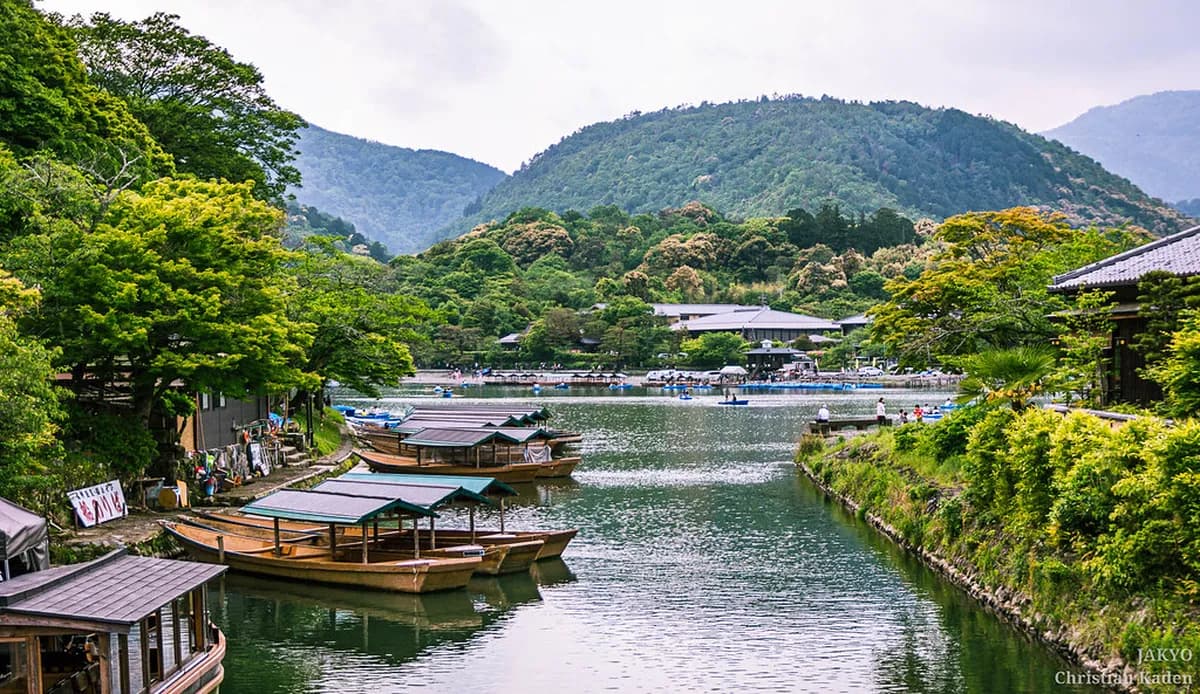
The Arashiyama Bamboo Grove is one of Kyoto's most visited sites, and it earns its reputation completely. Towering stalks of bamboo line a short paved path, creating an otherworldly green canopy overhead. Admission is free, and the path is only about 500 meters long, so plan extra time for the wider area. See the Arashiyama area attractions guide for nearby spots worth adding to your visit.
Arriving before 7:30 a.m. is the single most effective way to avoid the heaviest crowds. By 10 a.m. on most days, the main path fills quickly and photography becomes difficult. Tenryu-ji Temple Garden sits right at the grove's entrance and charges a small admission for the garden section. Combining both in one morning makes for an efficient and rewarding half-day in west Kyoto.
For a more active way to explore the area, biking is the best way to make the most of your time in Arashiyama. Rental shops are available near Saga-Arashiyama Station, with rates starting around ¥1,000 per hour. Cycling lets you reach the Monkey Park and the Arashiyama Park Observation Deck without backtracking on foot.
Nijo Castle and Kinkaku-ji
Nijo Castle and Kinkaku-ji are two of Kyoto's most historically significant paid attractions, and both are easy to pair in a half-day loop. Nijo Castle served as the Kyoto residence of the Tokugawa shogunate and features the famous nightingale floors, which creak deliberately to detect intruders. Admission is around ¥1,000 for adults, and the grounds include beautifully landscaped gardens. Check the Nijo Castle Kyoto tour guide for history, visiting hours, and layout tips.
Kinkaku-ji, the Golden Pavilion, is covered in real gold leaf and reflects perfectly in the still pond in front of it. It is one of the most recognized images of Japan worldwide, and the view lives up to every expectation. Admission costs ¥500 for adults, and the site opens daily from around 9 a.m. to 5 p.m. Visit the Kinkaku-ji tickets, hours, and tips guide to plan your timing and skip common first-timer mistakes.
Weekday mornings offer the most comfortable experience at both sites before tour groups arrive. Both attractions sit in northwest Kyoto, close enough to reach each other by taxi or bus in under 15 minutes. A common mistake is visiting Kinkaku-ji at noon when lighting is harsh and crowds peak — earlier is always better.
Temples vs. Shrines in Kyoto
First-time visitors often wonder about the difference between Kyoto's temples and shrines. Temples are Buddhist places of worship, while shrines follow the Shinto religion — both are deeply woven into daily Kyoto life. Temples typically feature incense, Buddha statues, and pagodas, while shrines have torii gates and a more nature-connected feel. Understanding the distinction helps you choose sights that match your personal interests.
Kiyomizu-dera is Kyoto's most dramatic temple, perched on a hillside with a wooden stage offering sweeping city views. The main hall is built without a single nail, using an interlocking wooden framework that has stood for centuries. Admission costs around ¥500, and the surrounding Higashiyama district walking itinerary connects several smaller temples and stone-paved lanes. The official Kiyomizu-dera night illumination event page lists seasonal evening openings with special lighting well worth planning around.
Kyoto holds 17 UNESCO World Heritage Sites, spanning temples, shrines, and castles across the city. Fushimi Inari, Kinkaku-ji, Nijo Castle, and Kiyomizu-dera all appear on that list. Spreading your UNESCO visits across multiple days prevents fatigue and lets you absorb each place more fully. Trying to rush through four or five major heritage sites in one day almost always leads to a less satisfying experience.
Best Things to Do in Kyoto
Beyond the headline landmarks, Kyoto offers a wide range of experiences that reward curious travelers. Nishiki Market is a narrow covered arcade known as 'Kyoto's Kitchen,' packed with food stalls and local vendors. Try pickled vegetables, fresh tofu, and grilled skewers as you move through the 400-meter lane. Visit the Nishiki Market food, culture, and sightseeing guide for recommended stalls and the best visiting times.
The Philosopher's Path is a canal-side walking trail lined with hundreds of cherry trees in spring. Running about two kilometers between Nanzen-ji and Ginkaku-ji temples, the path takes around 45 minutes at a gentle pace. Autumn brings a second wave of beauty when the maples along the path turn red and gold. Check Kyoto's best cherry blossom and fall foliage spots for seasonal timing and the most rewarding routes.
The Kyoto Imperial Palace and its surrounding park make for a peaceful, less-crowded morning visit. The palace grounds open for free public access, while guided interior tours require advance reservation. Visit the Kyoto Imperial Palace official visit page to check reservation requirements and confirm current opening policies. The surrounding Kyoto Gyoen National Garden is free to enter and perfect for a slower-paced stroll among locals.
- Nishiki Market
- Type: covered food market
- Best for: snacking and local flavors
- Where: central Kyoto, near Kawaramachi
- Cost: free to enter; food from ¥200
- Philosopher's Path
- Type: canal-side walking trail
- Best for: spring cherry blossoms and autumn leaves
- Where: northeast Kyoto, between Nanzen-ji and Ginkaku-ji
- Cost: free
- Kyoto Imperial Palace and Gyoen Park
- Type: historic palace and public garden
- Best for: peaceful mornings and local atmosphere
- Where: central Kyoto, Kamigyo Ward
- Cost: park free; palace tours may require booking
- Kimono Rental Experience
- Type: cultural dress-up activity
- Best for: Gion and Higashiyama walks
- Where: rental shops city-wide, including near Kyoto Station
- Cost: from ¥3,000 for a half-day
- Day Trip to Nara
- Type: half-day or full-day excursion
- Best for: deer park and Todai-ji Temple
- Where: 45 minutes from Kyoto by express train
- Cost: train from ¥720; Todai-ji admission ¥600
Frequently Asked Questions
How many days do you need to see the top tourist attractions in Kyoto?
Most first-time visitors benefit from three to four full days in Kyoto. Two days is enough for the headline spots like Fushimi Inari, Kinkaku-ji, and Gion, but you will feel rushed. Four days lets you add Arashiyama, Nishiki Market, and a day trip to Nara or Osaka at a comfortable pace.
When is the best time to visit Kyoto?
Spring (late March to mid-April) and autumn (mid-November to early December) are the most popular and visually stunning times to visit. Cherry blossoms and fall foliage transform major sites. Both seasons are also the busiest, so book accommodation several months in advance. See Kyoto's best seasonal spots guide for timing details.
Which tourist attractions in Kyoto are best for first-time visitors?
For first timers, prioritize Fushimi Inari Shrine, the Arashiyama Bamboo Grove, Kinkaku-ji, Gion District, and Kiyomizu-dera Temple. These five cover Kyoto's most iconic experiences across shrines, temples, and cultural neighborhoods. All are accessible by public transport, and most have free or low-cost entry.
Is Kyoto easy to get around without a car?
Yes, Kyoto is very manageable without a car. City buses connect most major attractions, and the subway is efficient for longer cross-city trips. Biking is also highly practical, especially in flatter areas like central Kyoto and Arashiyama. Many visitors find a combination of bus, train, and walking covers everything comfortably.
What should travelers avoid when planning a Kyoto itinerary?
Avoid scheduling too many major sites in a single day, as attraction fatigue sets in quickly. Do not skip Gion's posted access rules — certain private alleys are genuinely off-limits to tourists. Also avoid visiting Fushimi Inari and Kinkaku-ji at midday when crowds and light are both at their worst. Early mornings consistently deliver the best experience at both sites.
Kyoto rewards travelers who take time to plan and pace themselves across its many distinct neighborhoods. From the gate-lined mountain paths of Fushimi Inari to the quiet canal walk of the Philosopher's Path, variety is one of the city's greatest strengths. Each district offers a different mood, making it easy to mix high-energy sightseeing with slower, more contemplative moments.
Start with the landmarks that matter most to you, then build outward into the food markets, seasonal walks, and cultural experiences that make Kyoto more than just a checklist. Book accommodation early if your travel dates fall in spring or autumn, as the city fills up fast during peak foliage seasons. With a thoughtful plan, tourist attractions in Kyoto can feel genuinely personal rather than rushed and generic.