
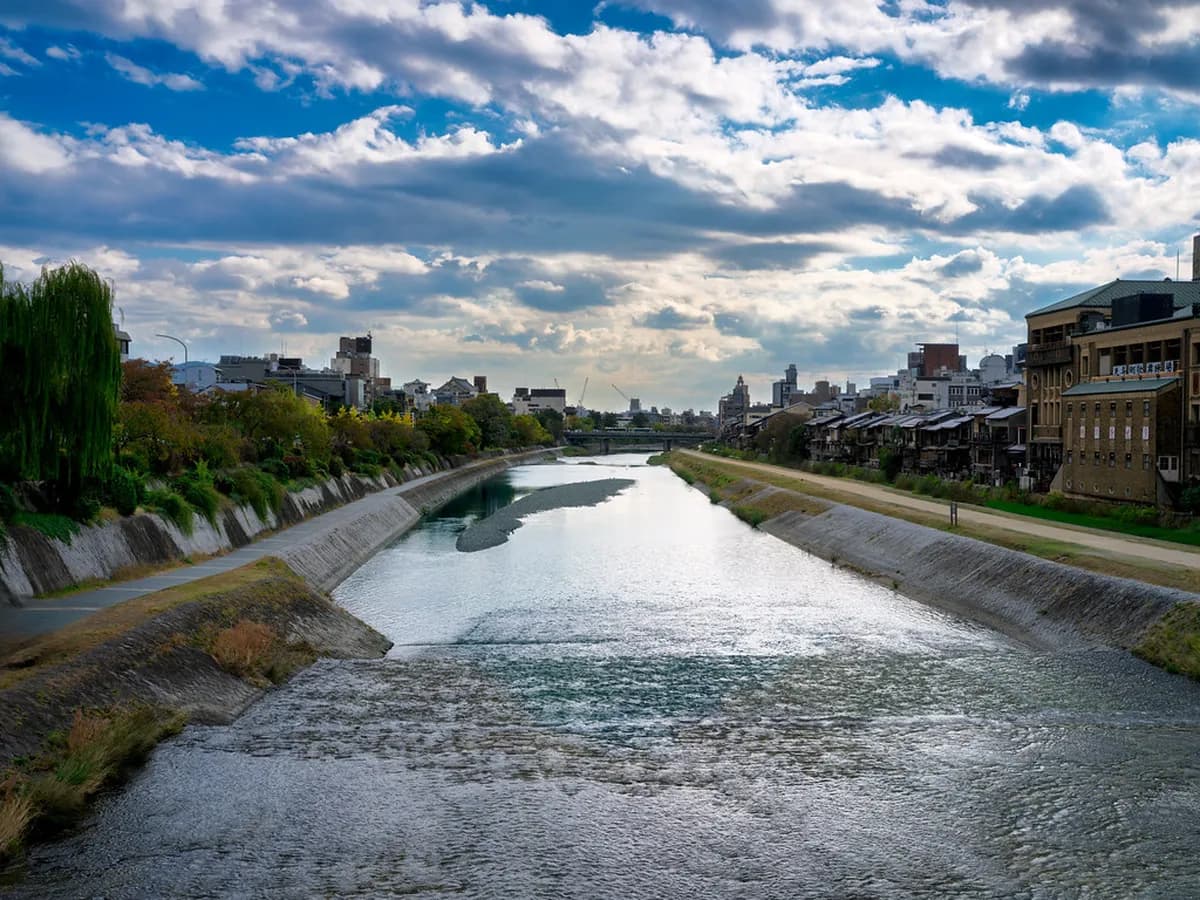
Best Cherry Blossom and Fall Foliage Spots in Kyoto
Kyoto is one of Japan's most rewarding cities for seasonal color, drawing visitors twice a year for cherry blossoms in spring and fiery maple leaves in autumn. Few cities in the world offer this kind of back-to-back spectacle, and planning around both seasons can make your trip far more memorable. Whether you are chasing pale pink sakura or vivid crimson maples, timing and spot selection make all the difference.
This guide covers the best cherry blossom and fall foliage spots in Kyoto, along with forecast tips, illumination events, and honest trade-offs to help you plan smarter. You will find practical details on timing, access, and what competitors rarely mention: which spots are worth the crowd and which are best skipped on a short trip.
Best Kyoto Fall Foliage Spots
Kyoto's autumn foliage season transforms the city into a living gallery of red, orange, and gold. The best spots range from ancient temple gardens to riverside parks, each offering a different kind of scenery. Knowing which sites suit your pace and budget can save you hours of frustration during peak season.
Tofuku-ji Temple is widely considered one of the finest autumn foliage sites in the city. The famous Tsutenkyo Bridge spans a valley of over 2,000 maple trees, with color peaking in mid to late November. Entry to the garden costs around ¥600 and is well worth it, but crowds arrive early and the site often queues by 9am.
Arashiyama delivers a scenic combination of bamboo groves, river views, and hillside maples that few other areas can match. The Arashiyama bamboo grove and surrounding attractions are best explored on foot or by rickshaw during the foliage season. Tenryu-ji's Sogen Pond garden frames autumn color against classic Japanese landscape design, making it a strong pick for photography.
Kiyomizu-dera Temple sits high on the eastern hills and offers sweeping views over Kyoto's autumn canopy. The hillside setting means you can see layers of color stretching into the distance, particularly from the famous wooden stage. Eikan-do Zenrin-ji is another strong pick, known for its pond reflections and gentle walking paths through dense maple groves.
- Tofuku-ji Temple
- Peak: mid to late November
- Entry: approx. ¥600
- Best for: maple bridge views
- Tip: arrive before 8:30am
- Arashiyama District
- Peak: mid-November
- Entry: free (Tenryu-ji garden ¥500)
- Best for: riverside and bamboo scenery
- Tip: visit on weekday mornings
- Kiyomizu-dera Temple
- Peak: mid to late November
- Entry: ¥500
- Best for: panoramic hillside color
- Tip: night illumination runs in autumn
- Eikan-do Zenrin-ji
- Peak: mid to late November
- Entry: approx. ¥600
- Best for: pond reflections
- Tip: evening light-up is very popular
- Kyoto Gyoen National Garden
- Peak: late November
- Entry: free
- Best for: open parkland walks
- Tip: far less crowded than temple sites
Kyoto Autumn Leaves Forecast 2025
Kyoto's autumn foliage typically begins in the northern hills in late October and moves south through November. Peak color across most of the city falls between mid-November and early December, though exact dates shift each year based on temperature. A warm September or October can delay peak viewing by one to two weeks, so checking live forecasts close to your travel dates is essential.
The Kyoto City Autumn Leaves Calendar tracks conditions across dozens of sites and updates weekly during the season. For more precise color predictions, the Japan Meteorological Corporation publishes annual foliage forecasts for major regions. Checking both sources a week before you travel gives you the clearest picture of where color is at its best.
Cherry blossom season runs from late March to mid-April, with peak bloom typically in the first week of April. Sakura at Maruyama Park, the Philosopher's Path, and along the Kamo River draw massive crowds, so early-morning visits are strongly advised. Unlike foliage, cherry blossom timing is slightly harder to predict and can shift by up to ten days depending on winter temperatures.
One useful but often overlooked tip: the northern Kurama and Kibune areas peak about two weeks earlier than central Kyoto. If you arrive in early November, heading north gives you vivid color while the city's main temples are still transitioning. This staggered progression means a well-planned five-day trip can catch both early and peak color across different zones.
Autumn Temple Illuminations in Kyoto
Night illumination events are one of the most dramatic and differentiated experiences Kyoto offers during autumn. Several major temples light up their maple gardens after dark, creating a surreal atmosphere that daytime visits simply cannot replicate. These events typically run for two to three weeks and are timed to coincide with peak foliage.
Kiyomizu-dera runs a popular autumn night illumination that lets visitors see the stage and hillside maples bathed in warm light. Check the Official Kiyomizu-dera night illumination event page for exact dates and ticket availability, as sessions sell out quickly. Eikan-do also holds a well-attended evening light-up, and the pond reflections under artificial light are genuinely stunning.
Arashiyama Hanatoro is a light art festival that lines the streets and paths of the district with glowing bamboo lanterns. It usually runs in mid-December, so it is worth checking if your travel dates overlap. The Souda Kyoto website maintains a full list of autumn light-up events with dates, venues, and any ticket requirements.
One practical constraint most travelers miss: illumination-event queues can be as long as daytime queues, sometimes longer. Arrive at least 30 minutes before the evening session opens, especially on weekends in late November. Booking entry tickets online in advance, where available, removes a significant amount of stress from the experience.
Kyoto Autumn Travel Tips
Autumn is Kyoto's busiest tourist season, and the gap between a smooth trip and a frustrating one often comes down to timing. Arriving at major sites before 8:30am puts you ahead of tour groups and allows for quieter photos. By mid-morning, places like Tofuku-ji and Arashiyama can feel extremely congested, making early starts the single most effective strategy.
Getting around by bike is one of the most flexible and enjoyable ways to move between foliage spots. Many rental shops near Kyoto Station offer daily rates around ¥1,000 to ¥1,500, and flat city streets make cycling manageable for most visitors. The city's bus network is comprehensive but can run very slowly during peak foliage weekends due to traffic.
Accommodation books out weeks or even months in advance during peak autumn season. Staying in a traditional ryokan adds to the seasonal experience, and options like Seikoro Ryokan or ASAI Kyoto Shijo offer quality stays with good access to key sites. Book at least two months ahead if you are targeting mid-November, which is historically the most competitive window.
Autumn temperatures in Kyoto range from around 8°C at night to 18°C during the day, so layering is essential. A light waterproof jacket handles the occasional rain shower that is common in November. Comfortable walking shoes matter enormously when you are covering temple grounds and hillside paths for several hours a day.
Other Things To Consider When Visiting Kyoto
Kyoto during peak foliage season is not cheap, and understanding the cost structure helps set realistic expectations. Individual temple entry fees typically run ¥500 to ¥1,000 each, and visiting five or six sites in a day adds up quickly. Budget around ¥3,000 to ¥5,000 per person just for entry fees on a full temple day.
The Gion district is a must-see area of Kyoto, especially with maples lining Shirakawa Canal in autumn. However, some alleyways in Gion have introduced restrictions on tourist access to protect residents and geisha. Check current guidelines before visiting, as rules have tightened in recent years and enforcement is active.
Visitors planning to see both cherry blossoms and autumn foliage need two separate trips, as the seasons do not overlap. Spring sakura peaks around late March to early April, while autumn maples peak from mid-November to early December. Both seasons offer a genuinely different mood: sakura feels celebratory and social, while autumn foliage feels quieter and more reflective.
For broader planning beyond seasonal spots, exploring the full range of tourist attractions in Kyoto helps you build a more balanced itinerary. Combining foliage viewing with cultural experiences like the Gion district walking guide or a visit to Kinkaku-ji Golden Pavilion makes for a richer overall experience. Spacing temple visits with neighborhood walks and food stops also helps manage crowd fatigue on longer days.
Frequently Asked Questions
When is the best time to see autumn leaves in Kyoto?
Peak autumn foliage in Kyoto typically falls between mid-November and early December. The northern areas of the city, such as Kurama, color up about two weeks earlier than the center. Check the Kyoto City Autumn Leaves Calendar for live updates closer to your travel dates.
How crowded is Kyoto in fall foliage season?
Kyoto in November is extremely busy, particularly on weekends. Major sites like Tofuku-ji and Arashiyama can see thousands of visitors a day during peak color. Arriving before 8:30am and visiting on weekdays gives you noticeably better access and quieter conditions for photos.
Do I need to book temple tickets in advance for autumn?
Most Kyoto temples sell tickets at the gate, but night illumination events often require advance booking and sell out fast. It is always worth checking official temple websites before your visit. Accommodation, however, must be booked well in advance as rooms fill up months ahead of peak season.
Can I see cherry blossoms and autumn foliage on the same Kyoto trip?
No, the two seasons do not overlap. Cherry blossoms peak in late March to early April, while autumn foliage peaks in mid to late November. Planning two separate visits is the only way to experience both, and each season offers a very different atmosphere across the same Kyoto locations.
Where can I escape the autumn crowds in Kyoto?
Kyoto Gyoen National Garden offers free entry and far fewer visitors than the main temple sites. The Fushimi area and quieter spots north of the city also see lower foot traffic during peak season. Visiting popular sites on weekday mornings is the most reliable way to reduce crowd impact.
Kyoto rewards visitors who plan ahead, especially during its two most iconic seasons. Whether you come for pale sakura in April or vivid maples in November, matching your visit to peak conditions makes an enormous difference. Use live forecast tools, book accommodation early, and build in early-morning starts to make the most of each day.
From Tofuku-ji's maple bridge to Arashiyama's riverside color, the best cherry blossom and fall foliage spots in Kyoto offer experiences that are genuinely hard to find anywhere else. With the right timing and a flexible itinerary, this city delivers some of the most memorable seasonal scenery in all of Japan. Start planning early, verify schedules on official sites, and leave room for the unexpected moments that make Kyoto trips unforgettable.